Nila Kartika Wati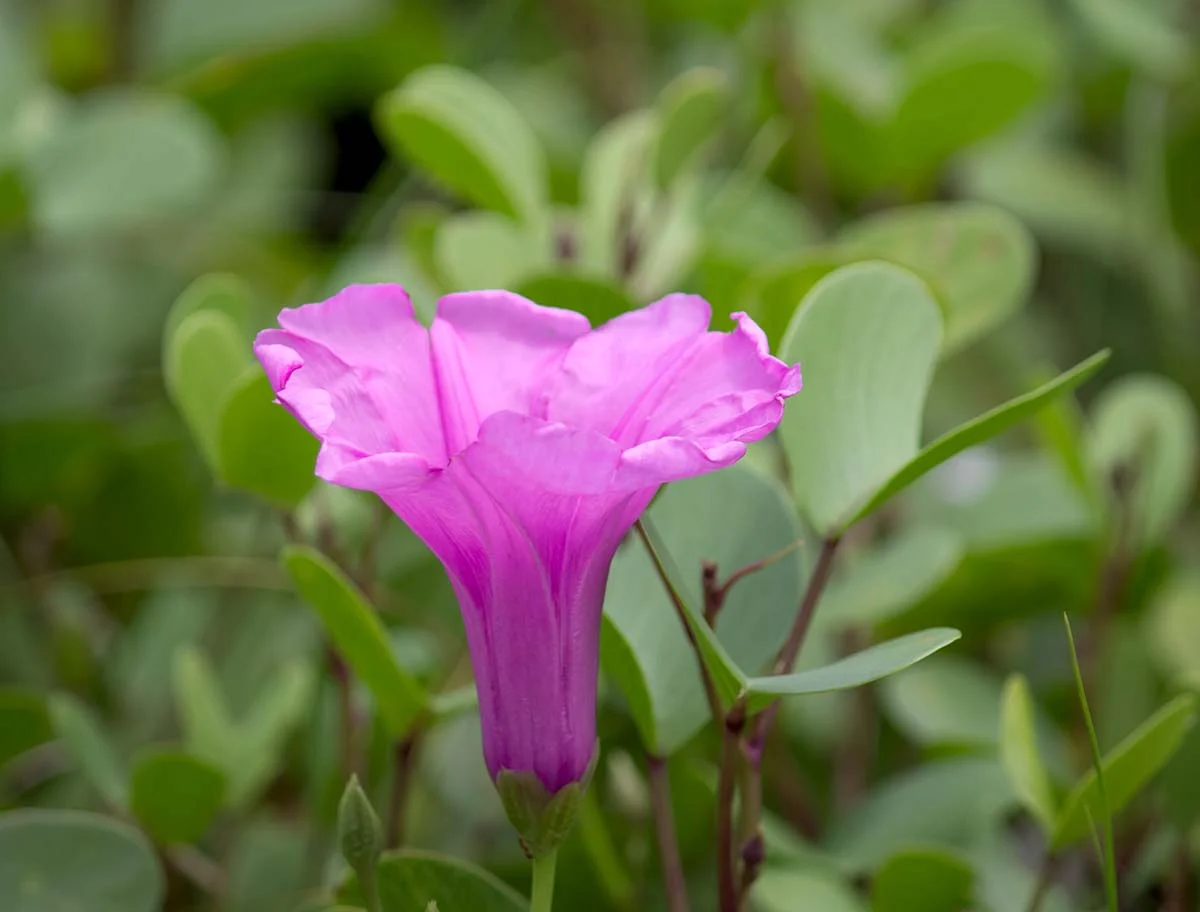
The coastal landscapes of North Gorontalo, Indonesia, are currently witnessing the quiet disappearance of a botanical sentinel that has, for centuries, served as both a primary healthcare provider and a natural bulwark against the encroaching sea. Known scientifically as Ipomoea pes-caprae, and locally referred to as batata pantai or katang-katang, this creeping perennial vine is far more than a mere seaside weed; it is a vital component of the tropical maritime ecosystem that is now under severe threat from rapid coastal development and land conversion.
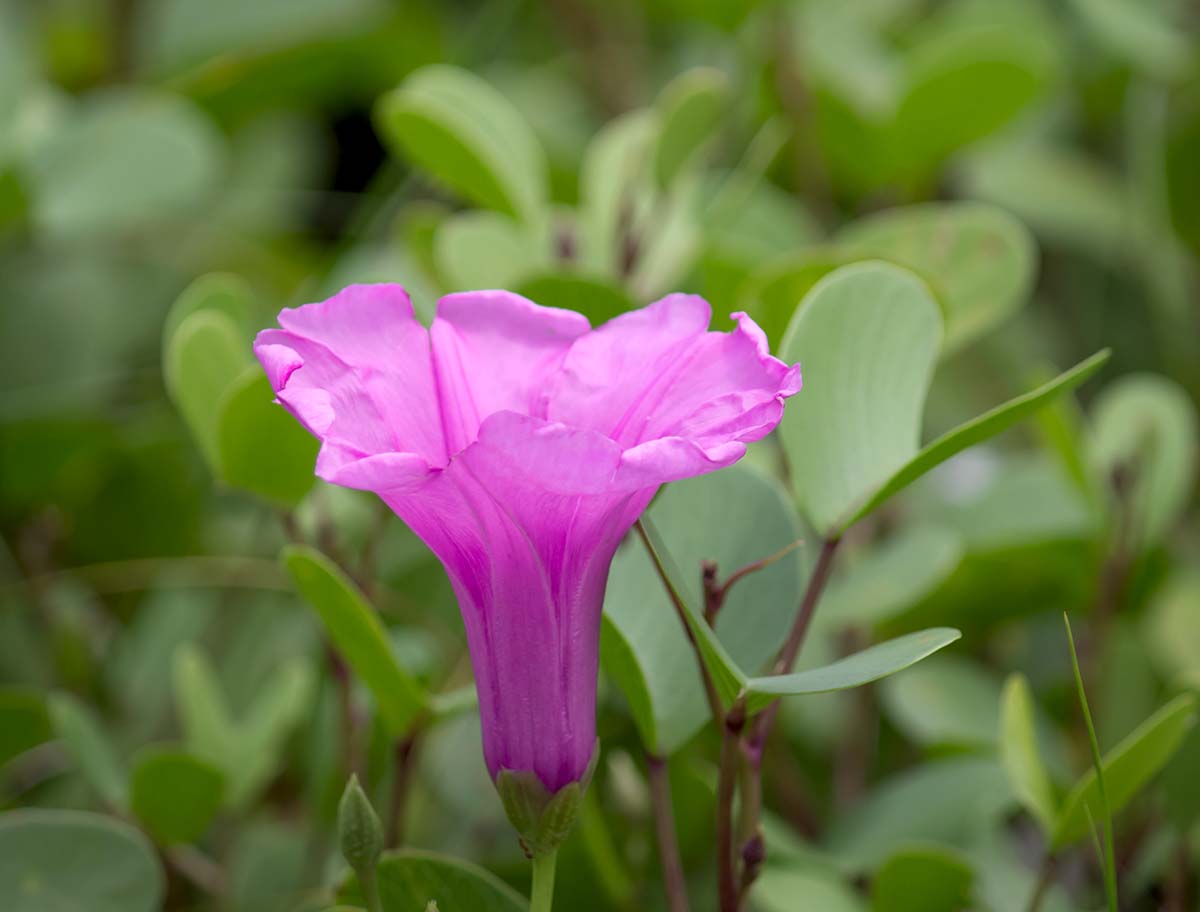
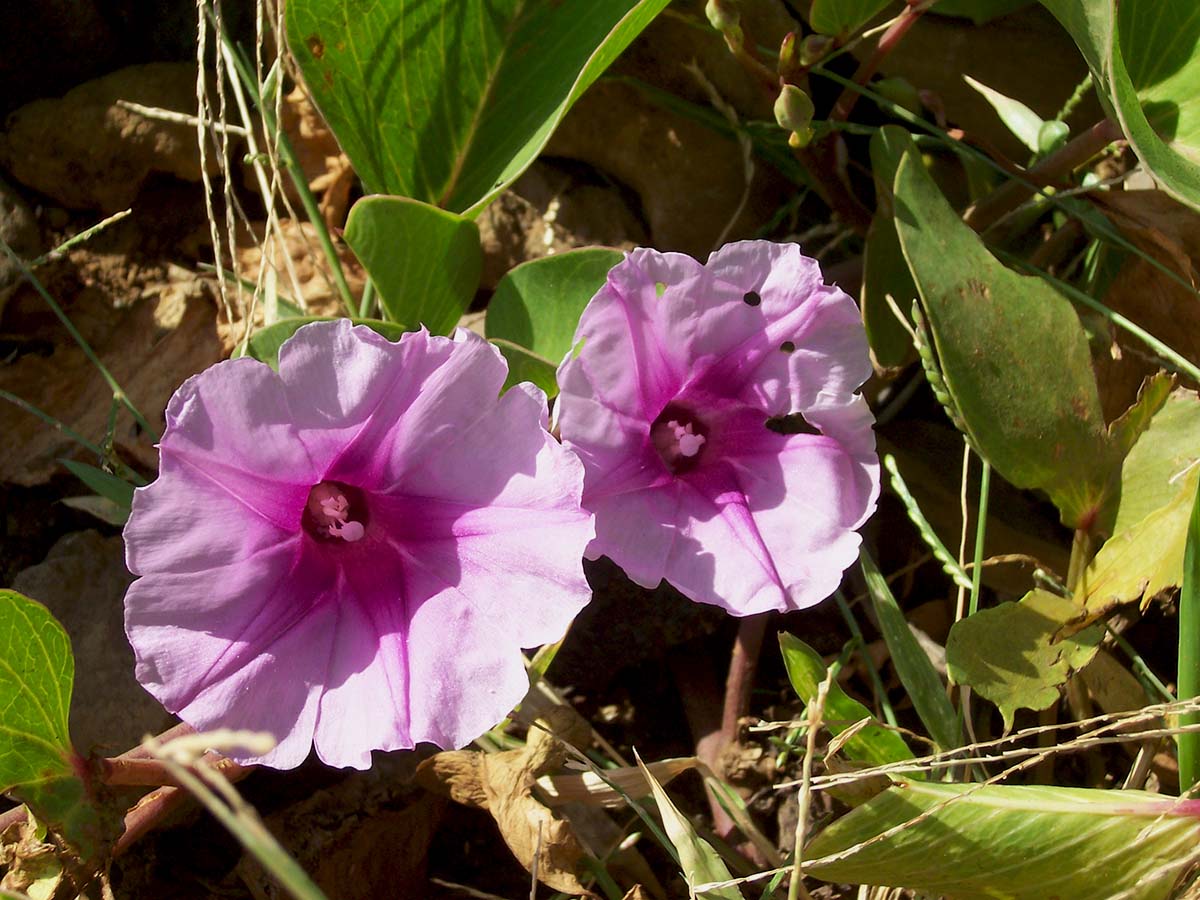
Characterized by its fleshy, rounded leaves that resemble the hoofprint of a horse—earning it the common name tapak kuda—and its vibrant purple trumpet-shaped flowers, batata pantai thrives in environments that would be lethal to most other flora. As a halophyte, the plant possesses a unique physiological resilience to high salinity and nutrient-poor sandy soils. Its extensive, prostrate stems can reach lengths of over 30 meters, creating a dense, green carpet that anchors the shifting sands of the littoral zone. Despite its ubiquitous presence across the tropical and subtropical shores of Asia, Africa, the Americas, and Australia, local experts warn that its habitat in the Indonesian archipelago is shrinking at an alarming rate.
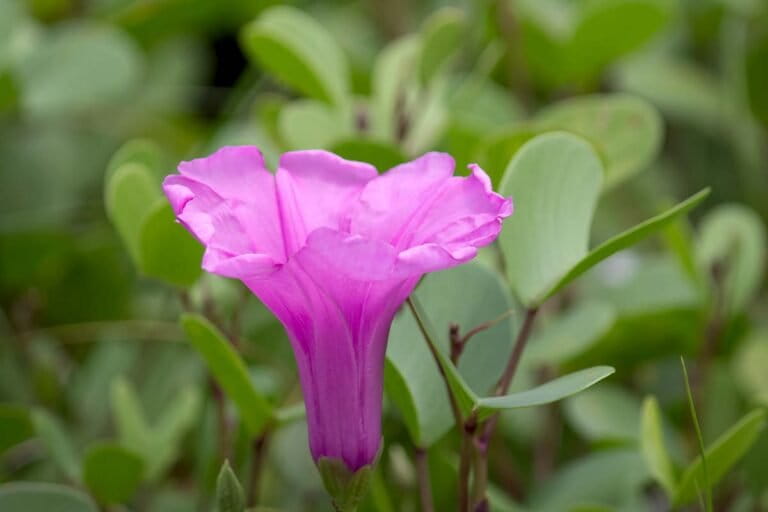
Gusnar Ismail, a prominent diving enthusiast and marine conservation advocate based in Gorontalo, has been documenting the decline of this species for several years. According to Ismail, the plant is deeply woven into the cultural and survival fabric of the coastal communities in the Sumalata District of North Gorontalo, particularly in the villages of Bulontio Timur and Bulontio Barat. For the traditional fishermen of these regions, the plant represents an indispensable emergency medical kit, often the only resource available when accidents occur far from modern clinical facilities.
The medicinal application of batata pantai is a cornerstone of local traditional knowledge. When a fisherman is afflicted by the excruciating sting of a jellyfish, the venomous spine of a stonefish, or the puncture of a striped eel catfish—known locally as tola lo huwa—the immediate protocol involves seeking out the nearest patch of batata pantai. The process is remarkably straightforward yet highly effective: the tips of young stems are snapped to release a clear, viscous sap, which is then applied directly to the wound. Alternatively, the young leaves and stalks are crushed into a paste and rubbed onto the affected area. This sap acts as a potent neutralizing agent, rapidly mitigating pain and preventing the spread of toxins through the bloodstream.
This ancestral wisdom is not merely anecdotal; it has been increasingly validated by contemporary pharmacological research. A 2024 study conducted by Gazali and colleagues, titled The Investigation of the Ipomoea pes-caprae Leaf Extract as Antimicrobial of Staphylococcus aureus, provided empirical evidence for the plant’s healing properties. The research, involving academics from Teuku Umar University and Hasanuddin University, revealed that ethyl acetate extracts of the leaves possess significant antibacterial activity against Staphylococcus aureus, a common pathogen responsible for skin infections. The study found that a 100% concentration of the extract produced an inhibition zone of 15.8 mm, confirming that the plant functions as a natural antiseptic that prevents secondary infections in marine-inflicted wounds.
Beyond its biochemical properties, batata pantai serves a unique utilitarian purpose in the daily lives of traditional divers. For those who utilize wooden-framed goggles or masks for spearfishing, the leaves of the plant are used as a natural defogger and lens cleaner. By rubbing the crushed leaves onto the glass, divers can achieve a level of clarity that many claim surpasses modern chemical soaps or shampoos. This practice underscores a sophisticated understanding of natural surfactants and represents a sustainable alternative to synthetic products that might otherwise introduce pollutants into the marine environment.
However, the ecological services provided by batata pantai extend far beyond human utility. In the discipline of coastal geomorphology, Ipomoea pes-caprae is recognized as a "pioneer species." It is often the first plant to colonize bare sand, where its deep and sprawling root system creates a subterranean network that binds the substrate together. This stabilization is the first line of defense against coastal erosion and abrasion. By reducing the velocity of wind at the ground level and trapping organic matter, the plant facilitates the formation of embryonic dunes, which eventually allow for the establishment of more complex coastal vegetation.
The consequences of losing this botanical anchor are already being felt in Gorontalo. Ismail points to a harrowing chronology of environmental degradation in the village of Bulontio Barat. In this area, the removal of coastal vegetation to make way for settlements, fish-drying racks, and tourism infrastructure has triggered catastrophic levels of abrasion. One entire hamlet in the village has already been reclaimed by the sea, leaving behind only memories of where homes and gardens once stood. Half of another neighboring hamlet is currently experiencing a similar fate, with the shoreline advancing inland as the natural defenses have been stripped away.
The loss of batata pantai is primarily driven by anthropogenic factors. Coastal areas in Gorontalo Utara, Boalemo, and other regions are being rapidly transformed into tourism hubs, such as Minanga Beach and Bolihutuo Beach. While these developments bring economic promise, they often involve the "cleaning" of beaches—a process that removes native creepers like katang-katang in favor of manicured sands or concrete sea walls. This short-sighted approach to coastal management ignores the long-term protection provided by the plant’s root systems, ultimately making these very tourist sites more vulnerable to storm surges and rising sea levels.
A comparative analysis of international conservation efforts highlights the potential for a different path. In the Republic of Mauritius, located in the southwest Indian Ocean, the Coral Garden Conservation group has launched the "Liane Batatran" project, which specifically utilizes Ipomoea pes-caprae as a nature-based solution to combat coastal erosion. The project involved the strategic planting of 19,000 batata pantai vines across five critical locations. With a survival rate of 81%, the project is estimated to retain over 826 metric tons of sand that would have otherwise been lost to the ocean. This initiative demonstrates that the plant is not just a wild weed, but a piece of "green infrastructure" that is both cost-effective and ecologically harmonious.
The chemical complexity of the plant further suggests that its potential has barely been scratched. Phytochemical reviews, such as the 2022 study by Akinniyi and colleagues, have identified a wealth of bioactive compounds in Ipomoea pes-caprae, including alkaloids, glycosides, steroids, terpenoids, and flavonoids. These compounds are associated with anti-inflammatory, analgesic, and even antihypertensive properties. As the global pharmaceutical industry increasingly looks toward "halophytic medicine" to find new treatments for chronic conditions, the extinction of local populations of batata pantai represents a loss of genetic resources that could hold the key to future medical breakthroughs.
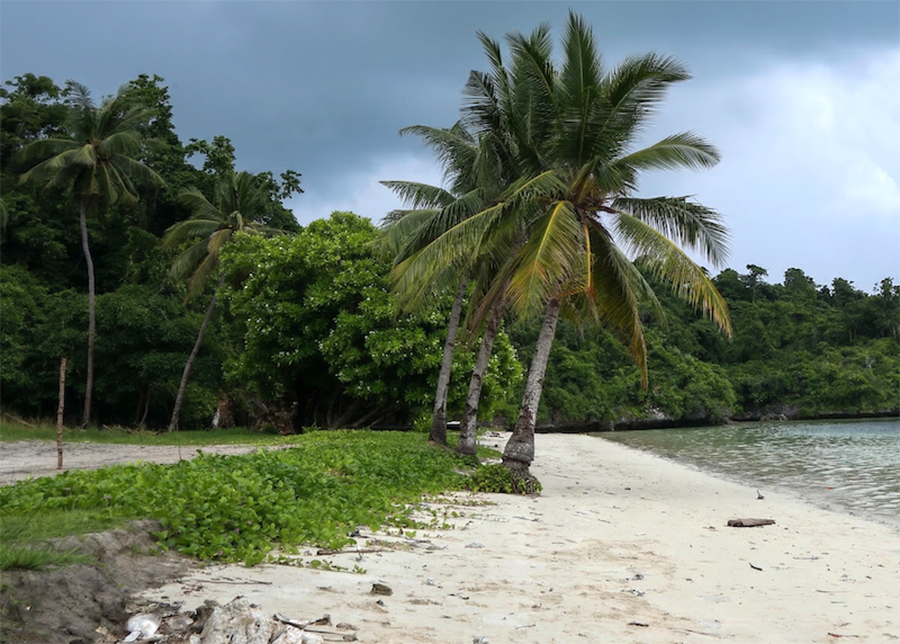
For the people of Gorontalo, the disappearance of batata pantai is a multifaceted crisis. It is a loss of a cultural heritage, a degradation of a natural pharmacy, and an invitation to environmental disaster. The transition of the coastline from a resilient, vegetated boundary to a fragile, eroded edge poses a direct threat to the livelihoods of thousands of people who depend on the sea. Without the stabilizing presence of the katang-katang, the infrastructure of coastal villages—roads, schools, and homes—remains at the mercy of the tides.
Addressing this issue requires a paradigm shift in how coastal zones are managed in Indonesia. Environmentalists argue for the integration of batata pantai into official coastal restoration and rehabilitation programs. Rather than relying solely on expensive and often counterproductive "hard" engineering solutions like concrete tetrapods or breakwaters, the government and local communities should prioritize the preservation and replanting of native pioneer species. Zoning laws must be strictly enforced to ensure that a buffer of natural vegetation remains between human developments and the high-tide mark.
The story of the batata pantai is a cautionary tale of how easily the most valuable elements of an ecosystem can be overlooked because of their humble appearance. As Gusnar Ismail emphasizes, the plant is a "silent guardian" that asks for nothing but the space to grow, yet provides protection and healing in return. The preservation of Ipomoea pes-caprae is not merely a matter of botanical interest; it is a fundamental necessity for the resilience of Indonesia’s coastal communities in an era of increasing environmental instability. The survival of the "horse-hoof" vine may well determine whether the beaches of Gorontalo remain a place of life and heritage or become a casualty of the rising sea.