Chalifah Fatihah
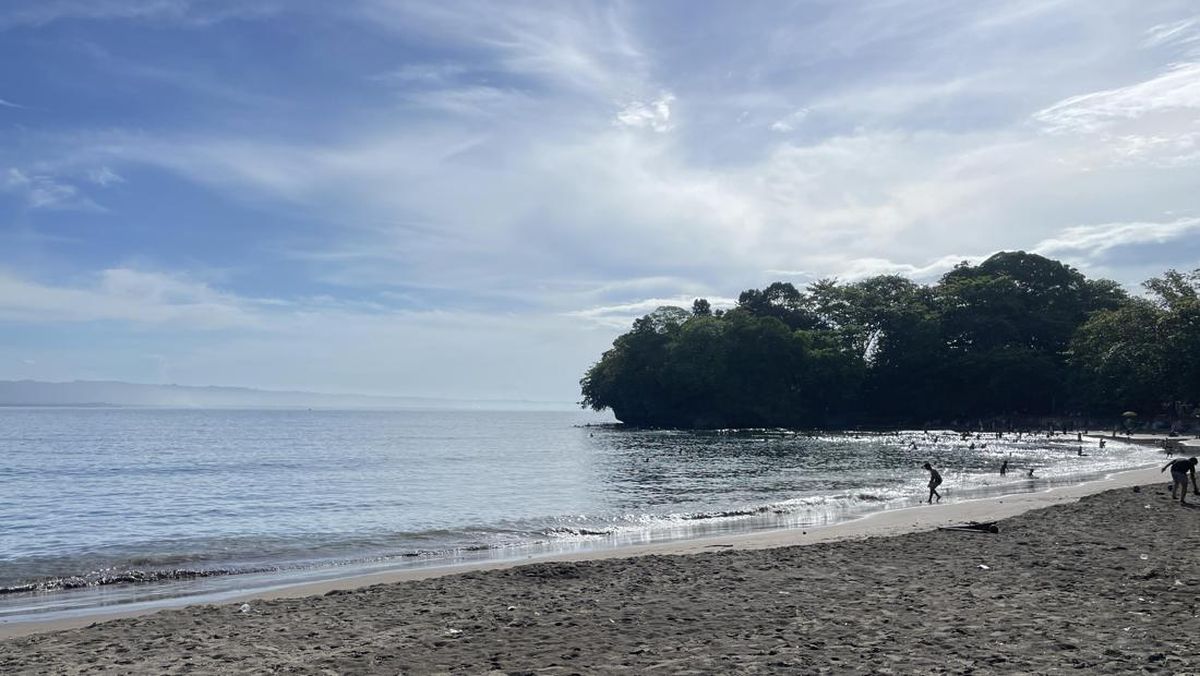
Batukaras, a coastal village nestled in the southern reaches of West Java, is emerging as a coveted destination for urbanites yearning for a slower pace of life, a stark contrast to the bustling popularity of its neighboring Pantai Pangandaran. While it may not possess the widespread recognition of Pangandaran, Batukaras offers a unique charm that captivates those seeking an escape from the relentless tempo of city living. The village’s enduring appeal is evident in the lingering presence of travelers even after peak holiday seasons have subsided, a testament to its ability to provide a sanctuary for those who value tranquility over crowds.
The allure of Batukaras, situated in Cijulang District, Pangandaran Regency, lies in its distinct offering as a "short escape" from the urban clamor. Unlike many tourist hotspots that experience a dramatic dip in visitor numbers once holidays conclude, Batukaras retains a steady stream of individuals drawn to its serene atmosphere. This consistent flow of visitors, particularly in the post-holiday period, highlights Batukaras’ suitability not only as a vacation spot but also as a comfortable haven for digital nomads and remote workers. These individuals often choose to extend their stays, immersing themselves in the village’s relaxed rhythm.
The Rise of Batukaras as a ‘Slow Living’ Hub
Yusuf, a local resident, shared insights with detikJabar, noting that many visitors to Batukaras are freelancers who opt to stay for periods ranging from a week to a month before returning to their usual routines. This trend underscores a growing appreciation for destinations that facilitate a balance between work and a more mindful lifestyle. These travelers are not merely seeking scenic beauty; they are actively integrating with the local community, fostering a deeper connection with the place they temporarily call home. This practice is also observed among international tourists who are drawn to Batukaras’ authentic charm.
"They come here to find wooden villas that can be rented monthly, then they settle in, live here, surf, and get to know the local culture in depth," Yusuf explained, emphasizing the immersive experience Batukaras offers. This preference for longer stays and deeper engagement with the local culture differentiates Batukaras from destinations primarily focused on transient tourism.
Dadan Sugistha, the Head of the Pangandaran Regency Tourism and Culture Office (Disparbud), corroborated this observation, stating that Pantai Batukaras has long been a favored gathering point for international tourists. He attributes this sustained popularity to the village’s stable daily visitor numbers, which do not experience the overwhelming surges seen at Pantai Pangandaran. This consistent, manageable influx of tourists allows them to feel more at ease and inclined to prolong their stays.
Addressing Controversy and Celebrating Identity
Recently, Batukaras found itself at the center of an online controversy following disparaging remarks made by an influencer on social media. The influencer reportedly characterized Batukaras as a "village" and "backward," drawing unfavorable comparisons to more prominent Indonesian tourist destinations. This commentary ignited a swift backlash from netizens and local Batukaras residents alike. The prevailing sentiment among netizens was that Batukaras possesses its own distinct market, catering to a different set of preferences than the typically crowded and highly developed popular destinations.
This incident prompted a vocal response from local community advocates. Laura Herwati, a prominent figure within the Batukaras community, articulated the village’s strong identity as a humble fishing village. "Batukaras is not for everyone," she stated. "If the expectation is a luxurious and fully urbanized destination, it might not be a good fit. But for those seeking tranquility and wanting to slow down, I am confident you will fall in love with Batukaras." Her sentiments reflect a nuanced understanding of the destination’s appeal and a clear delineation of its target audience.
While Batukaras may not offer the opulence or vibrant entertainment of more commercialized tourist spots, its strength lies in its authenticity and its ability to provide a genuine respite. The differing preferences of travelers mean that not everyone will find Batukaras to be their ideal destination. However, for those who yearn to escape the relentless pace of urban life, Batukaras presents itself as a compelling and well-suited option, a place where the rhythm of the waves and the warmth of the community offer a potent antidote to the stresses of modern living.
The Economic and Social Fabric of Batukaras
The economic landscape of Batukaras is intrinsically linked to its fishing heritage. The daily catch provides a vital source of livelihood for many families, and this maritime culture permeates the village’s identity. The influx of tourists, particularly those seeking longer stays, has introduced a new economic dimension. The demand for affordable and comfortable accommodation, such as the wooden villas mentioned by Yusuf, has spurred local entrepreneurship. Many villagers have adapted by offering homestays, renting out rooms, or providing services catering to the needs of digital nomads, including reliable internet access and a peaceful environment conducive to work.
This economic diversification is not without its challenges. Balancing the needs of the local community with the demands of tourism requires careful management. The Disparbud office plays a crucial role in ensuring sustainable tourism practices that preserve the natural environment and the cultural integrity of Batukaras. The focus remains on attracting visitors who appreciate the village’s unique character and contribute positively to its economy and social fabric.
A Deeper Look at ‘Slow Living’ and its Appeal
The concept of "slow living" has gained significant traction in recent years, particularly among millennials and Gen Z who are increasingly disillusioned with the constant pressure to be productive and always "on." This movement advocates for a more intentional and mindful approach to life, emphasizing experiences over possessions, connection over consumption, and well-being over constant achievement. Batukaras, with its unhurried pace, natural beauty, and close-knit community, serves as an embodiment of these ideals.
The appeal for remote workers is particularly pronounced. The ability to earn a living while immersed in a serene environment offers a compelling alternative to traditional office-based work. Batukaras provides the necessary infrastructure for such lifestyles, albeit in a more rustic and understated manner. The availability of affordable rental properties, coupled with a lower cost of living compared to major cities, makes it an attractive option for those seeking to stretch their budgets while enhancing their quality of life.
Challenges and Future Prospects
Despite its growing popularity, Batukaras faces certain challenges. Infrastructure development, while necessary, must be approached with caution to avoid compromising the village’s natural charm and tranquil atmosphere. Maintaining the authenticity of the local culture while accommodating a growing number of visitors is a delicate balancing act. The environmental impact of tourism, including waste management and the preservation of coastal ecosystems, also requires continuous attention and proactive measures.
The recent controversy, while initially negative, has also served to highlight the unique value proposition of Batukaras. It has sparked conversations about what constitutes a desirable travel experience and the importance of appreciating diverse forms of tourism. The backlash against the influencer’s comments demonstrates a growing public awareness and appreciation for destinations that prioritize authenticity and a connection with nature and local communities.
Looking ahead, the future of Batukaras as a ‘slow living’ destination appears promising. Its inherent qualities—tranquility, natural beauty, and a welcoming community—are precisely what many are seeking in an increasingly fast-paced world. The challenge for local authorities and residents will be to nurture this growth responsibly, ensuring that Batukaras remains a sanctuary for those who value peace and a deeper connection with their surroundings, without succumbing to the pressures of mass tourism. The narrative of Batukaras is one of quiet resilience, a testament to the enduring appeal of simplicity and the profound human need for moments of genuine repose.