Nila Kartika Wati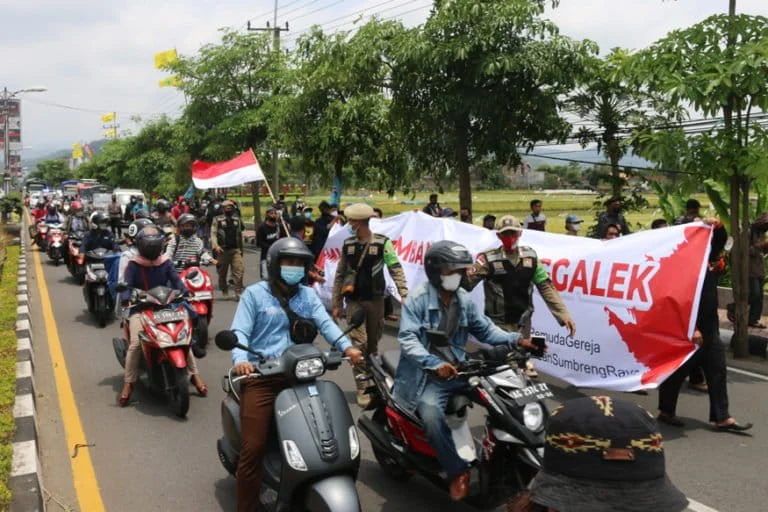
The global climate crisis has transitioned from a distant scientific forecast to a palpable reality, manifesting across the Indonesian archipelago through rapid deforestation, river contamination, and deteriorating air quality. As the nation grapples with the dual pressures of industrial development and environmental preservation, a critical question emerges regarding the role of religious institutions in this struggle. In Indonesia, the world’s most populous Muslim-majority nation, Islamic boarding schools (pesantren) and religious leaders hold immense social capital. However, experts and activists suggest that while the theological foundations for environmentalism are robust, the practical involvement of religious figures remains disproportionately low compared to the scale of the ecological emergency.
The Theological Disconnect and the Secularization of Nature
For many religious scholars in Indonesia, environmental issues have historically been viewed as "secular" problems, distinct from the core tenets of faith. Roy Murtadho, the head of the Misykat Al Anwar Ecology Pesantren in Bogor, notes that the climate crisis is often excluded from the discourse of Islamic law (fiqh). He observes that among the fuqaha (experts in Islamic jurisprudence), particularly within the Nahdlatul Ulama (NU) tradition, environmental degradation is rarely prioritized as a primary religious concern.
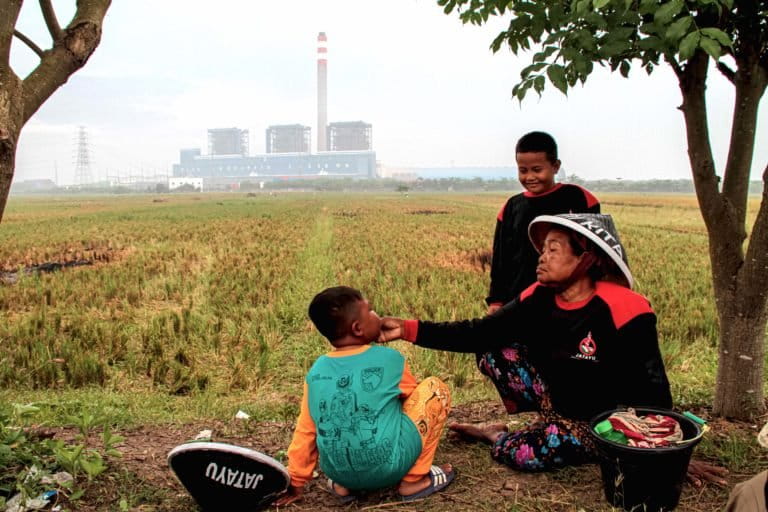
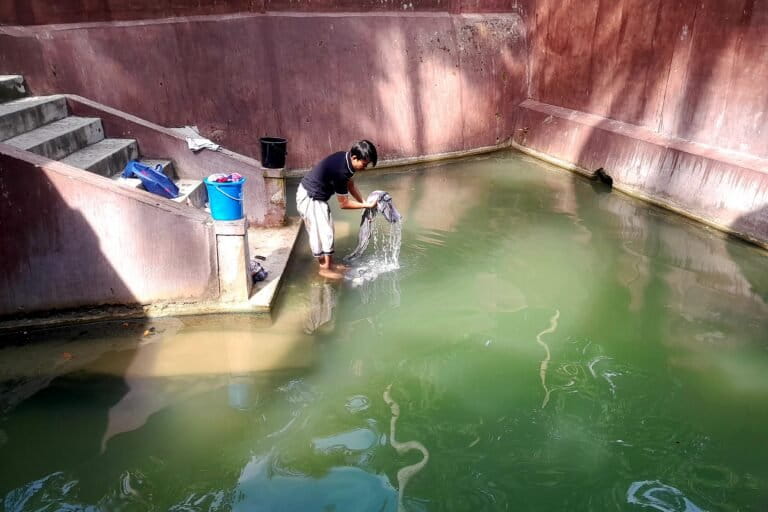
Murtadho argues that this perspective is fundamentally flawed because environmental health is a prerequisite for religious practice. He points to the concept of wudu (ritual ablution) as a prime example. In Islamic jurisprudence, wudu requires "mutlaq water"—water that is pure and purifying, characterized by a lack of alteration in color, taste, or smell. However, as Indonesia’s major rivers become clogged with industrial waste and mining runoff, the availability of such water is vanishing. "If our rivers are contaminated to the point where they no longer meet the criteria of mutlaq water, our ability to perform sacred rituals is compromised," Murtadho explains. "Do we expect the Ummah to rely on tayamum (dry ablution with dust) indefinitely because we failed to protect our water sources?"
This disconnect is further exacerbated by an "afterlife-centric" orientation that sometimes neglects the stewardship of the physical world. Murtadho suggests that when religion is reduced to a personal transaction with the Divine, the mandate to serve as a Khalifah (steward) of the Earth is lost. Furthermore, he criticizes the "capitalistic" shift within some religious circles, where the concept of maslahah (public interest) is narrowed down to immediate financial gain, such as participating in the mining industry, rather than the long-term preservation of the environment for future generations.
Analyzing the "Religiosity Gap" in Environmental Advocacy
Research conducted by the Center for the Study of Islam and Society (PPIM) at UIN Syarif Hidayatullah Jakarta provides empirical weight to these observations. Iim Halimatusa’adiyah, Research Director at PPIM, highlights a significant dilemma: while many Indonesians are deeply religious, their environmental awareness does not always translate into activism.
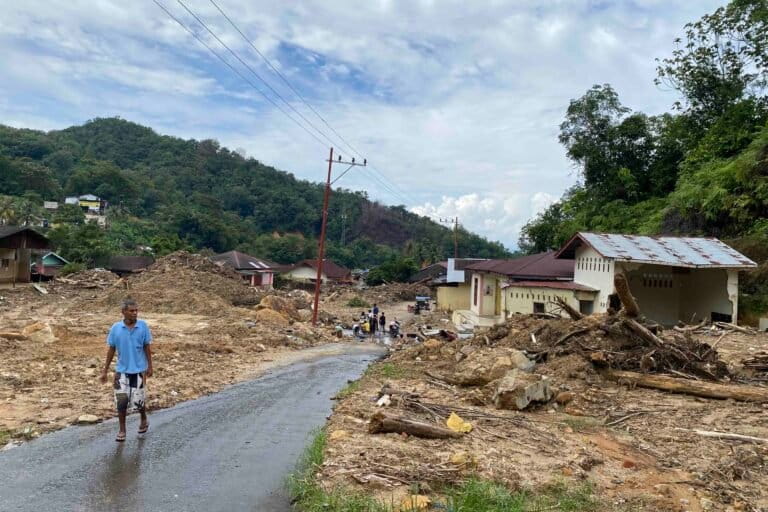
PPIM’s 2024 study, "The Dilemma of Environmentalism," found a positive correlation between ritual religiosity and pro-environmental behavior. Individuals who are committed to their religious rituals often show a higher willingness to engage in "green" habits, such as waste management and energy conservation. This suggests that the discipline required for religious devotion can be channeled into environmental discipline. However, the study also revealed a stark "economic-environmental dilemma." When asked whether religious organizations should manage mining units or palm oil plantations to fund their operations, many respondents agreed, prioritizing institutional economic stability over ecological risks.
This pragmatic approach creates a barrier to advocacy. Pimentel’s research indicates that while 38.86% of Indonesians hold an anthropocentric view (seeing nature primarily as a resource for humans), only 27.97% hold a theocentric view that emphasizes nature as God’s creation requiring protection. This suggests that even within religious frameworks, the utility of the environment often outweighs its sanctity.
A History of "Green" Fatwas and Institutional Responses
Despite the perceived gap, the history of Indonesian Islam contains significant milestones of environmental advocacy. The Nahdlatul Ulama, the country’s largest Islamic organization, has issued several "green" decrees through its Bahtsul Masail (formal discussion forums).
- The 1994 Tasikmalaya Congress: PBNU declared that polluting the environment with industrial waste is haram (forbidden) and constitutes a criminal act if it causes public harm.
- The 2020 Sumenep Congress: In response to the massive land acquisitions for shrimp farms and mining in Madura, the NU decreed that selling land to investors who intend to destroy the environment is haram.
- The 2021 Gold Mine Protests: In Trenggalek, East Java, local branches of both NU and Muhammadiyah joined forces with civil society groups to protest gold mining plans that threatened local water catchments.
These institutional steps demonstrate that the "legal machinery" of Islam is capable of addressing modern ecological threats. The challenge, according to A. Dardiri Zubairi, a leader at the Nas’atul Muta’allimin Pesantren in Sumenep, is the contextualization of these decrees at the grassroots level. "Many pesantren are so focused on traditional education that they lack the time or the specific vocabulary to link their scriptures to contemporary issues like the climate crisis or carbon emissions," Zubairi says.
Case Study: The Pesantren Annuqayah and the Kalpataru Legacy
One of the most successful examples of religious environmentalism is the Pondok Pesantren Annuqayah in Sumenep, Madura. Their involvement in environmentalism is not a modern trend but a legacy dating back to the 1970s. In 1981, the institution received the Kalpataru Award—Indonesia’s highest environmental honor—for its efforts in reforesting barren lands in the Guluk-Guluk district.
M. Faizi, a leader at Annuqayah, emphasizes that their movement was born out of a genuine reading of the Quran and Hadith rather than external pressure. "The kiais (teachers) knew that planting trees was a religious duty. They didn’t do it for ‘content’ or public relations; they did it because it was an act of worship," Faizi notes. Today, Annuqayah continues this tradition by implementing "plastic-free" zones and establishing conservation gardens.
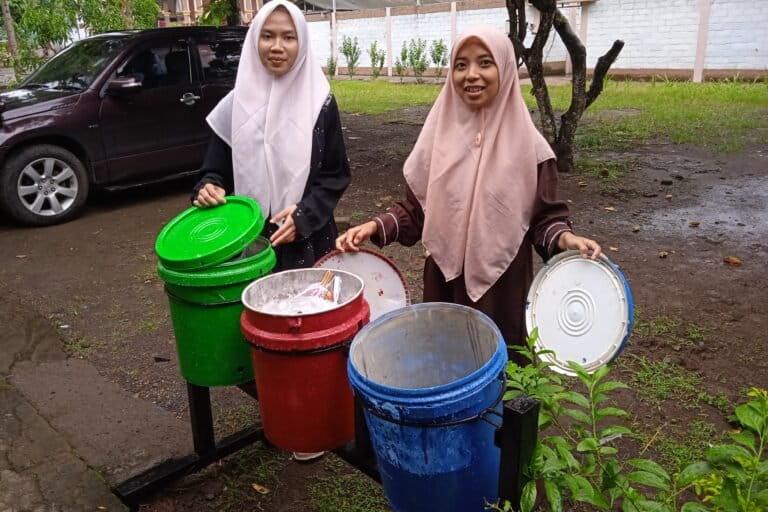
However, even within such a prestigious institution, the struggle continues. Moh Khatibul Umam, head of the Community Service Bureau at Annuqayah, admits that changing the behavior of thousands of students remains a challenge. He points to the irony of students studying sacred texts while occasionally disposing of trash in nearby rivers. "Society needs more than just text; they need living examples. We must revitalize the actions of our predecessors with modern methods that resonate with today’s youth," Umam adds.
The Role of Inter-Faith Alliances and Advocacy
The environmental crisis is not unique to any one faith. Hening Purwati Parlan, National Coordinator of the Greenfaith Indonesia Inter-Faith Institute, argues that the potential for a "Green Pulpit" across all religions is massive. Religious leaders in Indonesia have a "captive audience" and a clear mass base, which is a powerful tool for policy advocacy.
Parlan notes that the primary reason religious leaders are not more active in advocacy is a lack of technical data and a lack of familiarity with the legal aspects of environmental protection. "Advocacy has traditionally been the domain of NGOs and civil society. To get religious leaders involved, we need to provide them with localized data—not just global statistics, but facts about the river in their backyard or the forest in their village," she says.
Implications and the Path Forward
The integration of environmentalism into the Indonesian religious landscape carries profound implications for the nation’s climate goals. As the country moves toward its "Enhanced Nationally Determined Contribution" (E-NDC) targets and seeks to reach net-zero emissions by 2060, the support of the religious sector could be the deciding factor in public compliance and grassroots mobilization.
The shift from a purely anthropocentric view to one that recognizes the intrinsic value of nature—as a creation of God that humans are mandated to protect—could provide a more sustainable motivation for conservation than economic incentives alone. To achieve this, several steps are necessary:
- Curriculum Reform: Integrating environmental science and "Ecological Fiqh" into the standard curriculum of pesantren and religious schools.
- Synergy with NGOs: Bridging the gap between technical environmental activists and religious leaders to ensure that advocacy is both scientifically sound and culturally resonant.
- Economic Alternatives: Helping religious institutions develop sustainable "Green Waqf" (endowments) or eco-friendly business units to reduce their reliance on extractive industries.
As Roy Murtadho aptly summarizes, the survival of faith and the survival of the planet are inextricably linked. In an era where the air we breathe and the water we use for prayer are under threat, the "Green Jihad" is no longer an optional endeavor—it is a fundamental requirement for the preservation of life and the practice of religion itself.