Azin Asro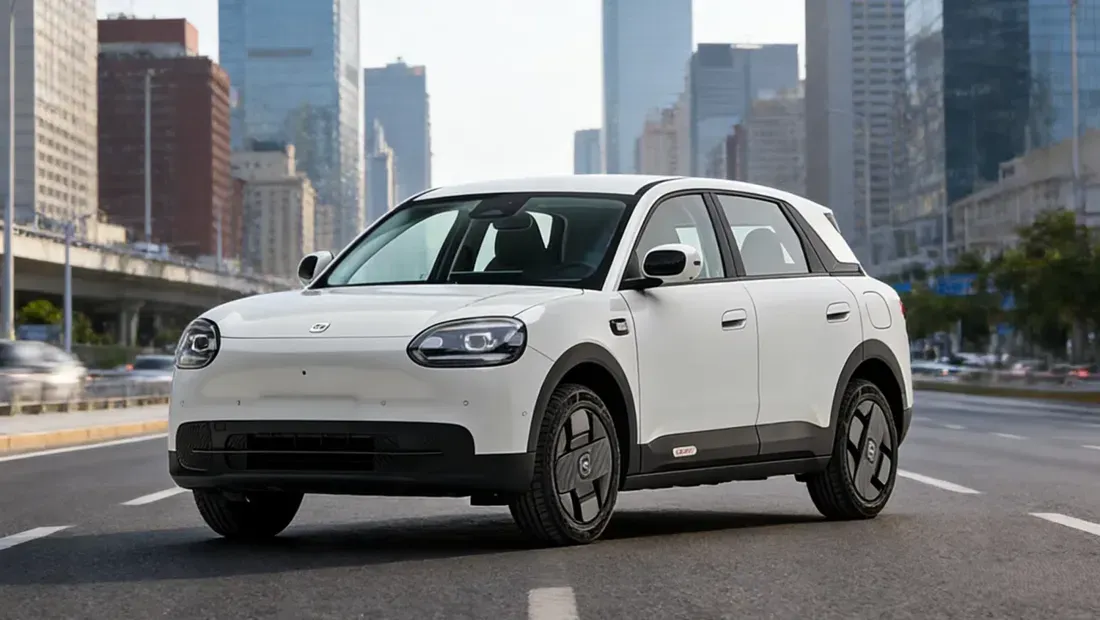
Chery Automobile Co., Ltd. has once again asserted its dominance in the competitive Chinese automotive landscape with the official launch of the Chery QQ3 EV. Within just 24 hours of its domestic release on Monday, March 30, the vehicle secured a staggering 56,879 orders, signaling a seismic shift in the entry-level electric vehicle (EV) segment. Priced starting at 58,900 yuan, approximately equivalent to IDR 130 million or USD 8,150, the QQ3 EV represents Chery’s strategic move to capture the budget-conscious yet tech-savvy consumer base. This rapid commercial success places the QQ3 EV in direct competition with established segment leaders such as the BYD Seagull (marketed as the Atto 1 in some regions) and the Geely EX2, highlighting a tightening race for market share in the world’s largest automotive market.
The Strategic Launch and Immediate Market Reception
The launch event, held in China on March 30, served as a showcase for Chery’s latest advancements in affordable electrification. Industry observers noted that the volume of orders received on the first day is nearly unprecedented for a vehicle in this price bracket. The high demand is attributed to a combination of aggressive pricing, modern aesthetics, and a suite of technological features usually reserved for higher-end models. By the morning of March 31, data from industry monitors like Carnewschina confirmed that the vehicle had already carved out a significant niche, bolstered by Chery’s extensive domestic dealership network and digital sales platforms.
The success of the QQ3 EV comes at a critical time for the Chinese automotive industry, which is currently embroiled in a fierce price war. Manufacturers are increasingly prioritizing volume and market penetration over high margins per unit. Chery’s ability to move over 56,000 units in a single day suggests that there remains a massive, untapped demand for electric vehicles that provide a balance between cost-efficiency and high-tech integration.
Design Philosophy: The Square Within Round Concept
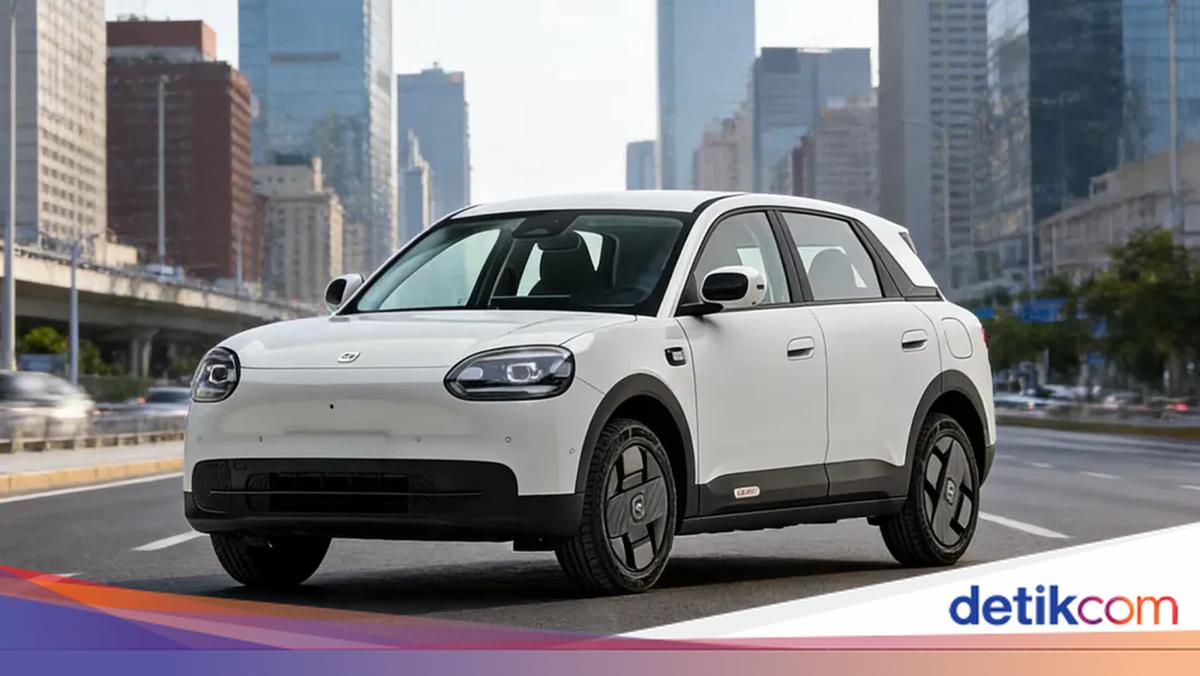
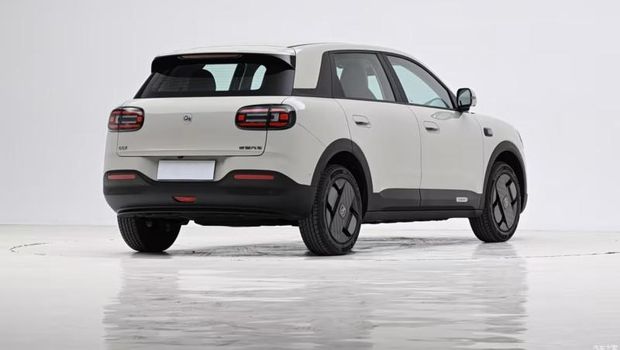
Visually, the Chery QQ3 EV introduces a distinctive design language termed "square within round." This aesthetic approach attempts to harmonize two traditionally opposing design cues. The overall silhouette of the vehicle maintains a rounded, aerodynamic profile, which aids in reducing drag and maximizing battery efficiency. However, these soft curves are punctuated by "boxy" or rectangular elements, particularly in the lighting clusters and trim accents.
The front fascia adopts a minimalist, futuristic look, characterized by a closed-off grille—a common trait in EVs—and modern LED headlamps that give the car a high-tech "face." Conversely, the rear and side profiles are more ornate. Chery designers have incorporated specific ornaments and contrasting color schemes to prevent the car from appearing overly utilitarian. With six exterior color options and a customizable roof, the QQ3 EV allows for a level of personalization that appeals strongly to younger, first-time car buyers who view their vehicle as an extension of their personal style.
Dimensional Analysis and Spatial Efficiency
Despite its classification as a compact or "micro" EV, the Chery QQ3 EV boasts dimensions that challenge the limitations of its segment. The vehicle measures 4,195 mm in length, 1,811 mm in width, and 1,573 mm in height, with a wheelbase of 2,700 mm. These figures are particularly notable; a 2,700 mm wheelbase is traditionally associated with larger C-segment sedans, suggesting that Chery has utilized a "wheels-at-the-corners" layout to maximize interior cabin space.
The interior packaging is further enhanced by clever storage solutions. The manufacturer has integrated 38 distinct storage areas throughout the cabin to accommodate the daily needs of urban commuters. Additionally, the QQ3 EV features a front trunk (frunk) with a capacity of 70 liters, a rarity in the budget EV segment where mechanical components often occupy the front bay. This focus on spatial efficiency ensures that while the car remains easy to park in congested urban environments, it does not sacrifice the comfort of its occupants.
Technological Integration and the AI Lingxi Cockpit
Inside the cabin, the Chery QQ3 EV departs from the spartan interiors typical of budget vehicles. The interior is finished in a bold black and green color scheme, creating a vibrant atmosphere. The centerpiece of the dashboard is a massive 15.6-inch central infotainment screen, complemented by an 8.8-inch digital instrument cluster for the driver.
Powering these displays is the Qualcomm Snapdragon 8155 chip. This high-performance processor ensures that the "AI Lingxi" cockpit system operates with fluid responsiveness, supporting complex voice commands, seamless smartphone integration, and real-time navigation. The inclusion of the 8155 chip is a significant selling point, as it provides the computational power necessary for a sophisticated user interface that rarely lags—a common complaint in entry-level vehicles.
Furthermore, the vehicle includes premium comfort features such as heated and ventilated front seats, which are often omitted in this price range. Another innovative touch is the smart-system side mirrors, which can automatically adjust their tint or display settings based on the current ambient temperature and lighting conditions.
Advanced Driver Assistance Systems (ADAS)
Safety and automation are central to the QQ3 EV’s value proposition. The vehicle is equipped with the Falcon 500 driver assistance system, powered by the Horizon J6E chip. This hardware provides a computing power of 80 TOPS (Tera Operations Per Second), enabling a suite of Level 2 autonomous driving features.
According to technical specifications released by Chery, the Falcon 500 system supports high-speed navigation assistance, which helps the vehicle maintain lanes and manage speed on highways. It also includes an automated parking function, a feature highly valued by urban drivers dealing with tight parking spaces. By democratizing these advanced safety technologies, Chery is positioning the QQ3 EV not just as a cheap car, but as a safe and technologically advanced choice for the masses.
Performance, Powertrain, and Rapid Charging Capabilities
The Chery QQ3 EV is offered with two distinct powertrain configurations to suit different driving needs. Both variants utilize a rear-mounted electric motor, a layout that typically offers better traction and a tighter turning radius compared to front-wheel-drive equivalents.
- Standard Variant: Features a 58 kW motor producing 90 Nm of torque. This version is paired with a 29.48 kWh battery pack, delivering a range of approximately 310 km under the CLTC (China Light-Duty Vehicle Test Cycle).
- High-Performance Variant: Features a 90 kW motor producing 115 Nm of torque. This version utilizes a larger 41.28 kWh battery pack, extending the range to 420 km.
Perhaps the most impressive technical feat of the QQ3 EV is its charging speed. Utilizing a high-capacity fast-charging system, the vehicle can replenish its battery from 30% to 80% in just 16 minutes. This rapid turnaround time significantly mitigates "range anxiety," making the vehicle viable for longer trips beyond the daily city commute.
Competitive Context and Industry Implications
The arrival of the Chery QQ3 EV intensifies the competition in a segment currently dominated by the BYD Seagull. BYD has long been the leader in affordable EVs, but Chery’s aggressive pricing and superior tech specs (specifically the Snapdragon 8155 and the 16-minute charging) represent a direct challenge to BYD’s market share.
Industry analysts suggest that Chery’s success with the QQ3 EV is a result of their refined supply chain management and the "platformization" of their EV technology. By sharing components across different models, Chery has managed to lower the cost of high-end features. This "volume-first" strategy is expected to force other manufacturers to either lower their prices or upgrade their technology packages to remain competitive.
Moreover, the QQ3 EV is likely to be a strong candidate for Chery’s international expansion. As the brand continues to grow its presence in Southeast Asia, Europe, and Latin America, a high-tech, affordable EV like the QQ3 could serve as a "halo" product that introduces the brand to a global audience. In markets like Indonesia, where the government provides significant incentives for locally produced or affordable EVs, the QQ3 EV could potentially replicate its Chinese success if priced competitively.
Chronology of the QQ3 EV Launch
The path to the QQ3 EV’s record-breaking debut was marked by several key milestones:
- Late 2024: Initial rumors and "spy shots" of a new compact Chery EV began circulating in Chinese automotive forums, hinting at a revival of the famous "QQ" nameplate.
- Early March 2025: Chery released the first official teaser images, showcasing the "square within round" design language and the AI Lingxi cockpit.
- March 25, 2025: Pre-order channels opened for select VIP customers, showing early signs of high demand.
- March 30, 2025: The official launch event was held in Beijing. Pricing was revealed, and nationwide sales officially commenced.
- March 31, 2025: Chery announced the first 24-hour sales figures, confirming that over 56,000 units had been reserved.
Conclusion and Future Outlook
The Chery QQ3 EV is more than just a successful product launch; it is a benchmark for the future of the entry-level automotive market. By integrating high-performance computing, rapid charging, and advanced driver assistance into a vehicle priced for the masses, Chery has effectively redefined what consumers can expect from a budget car.
As deliveries begin across China, the focus will shift to Chery’s ability to scale production to meet this immense demand. If the company can maintain quality standards while fulfilling these tens of thousands of orders, the QQ3 EV will likely be remembered as the vehicle that solidified Chery’s position as a premier global player in the electric vehicle revolution. For now, the automotive world watches closely as this compact powerhouse begins to populate the streets of China, with the potential to change the global EV narrative shortly thereafter.