Lina Irawan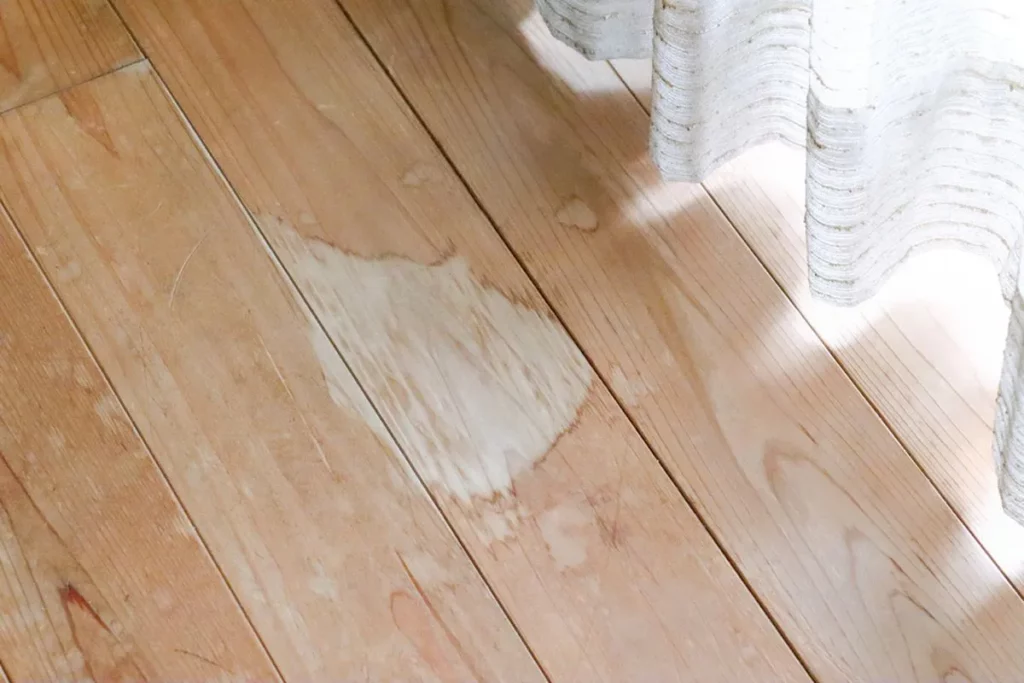
For many parents, designing a boy’s bedroom transcends mere aesthetic choices like wall color or superhero themes. Beneath their feet lies one of the most critical and often most costly decisions: the flooring material. This choice is particularly complex due to inherent trade-offs. On one side, natural wood flooring exudes an irreplaceable warmth, luxury, and comfort. On the other, modern vinyl flooring promises extreme durability, akin to a protective shield against the intense physical activities characteristic of a child’s room.
The decision between wood and vinyl for a boy’s bedroom necessitates a deep dive into various factors, including lifestyle, the child’s age, and the long-term vision for the home. This comprehensive analysis, drawing on expert insights in interior design and material science, will dissect the resilience of these flooring options, examining their functionality, safety, and cost implications. By understanding the distinct advantages and disadvantages of each, parents can make an informed investment decision that aligns with both their practical needs and design aspirations.
The Foundational Dilemma: Wood vs. Modern Vinyl in Children’s Spaces
A boy’s bedroom is an exceptionally high-traffic, high-activity zone. Unlike a living room or a master bedroom, the floor surface in this space must withstand a barrage of "extreme tests" daily. From our extensive experience in residential interior design projects, floor damage in children’s rooms typically stems from several specific factors. Firstly, friction from hard toys: die-cast cars, Lego blocks stepped on and dragged, and the wheels of study chairs are primary adversaries of any floor surface. Secondly, the inevitable risk of liquid spills: children often bring drinks into their rooms, and spills of water, milk, or even paint, if not immediately cleaned, can permeate and permanently damage certain materials. Thirdly, impact resistance: boys jumping from beds, dropping toys, or playing ball indoors exert significant mechanical pressure, requiring a surface with substantial shock absorption.
Therefore, the evaluation standards for a child’s room cannot be equated with other areas of the home. The flooring must strike a balance between durability, slip resistance for safety, and ease of maintenance, all without sacrificing the room’s visual appeal. If a quick answer is sought, modern vinyl flooring, particularly Stone Plastic Composite (SPC) variants, emerges as a formidable contender for its superior resistance to toy scratches and water spills in an active environment. However, for those whose primary priority is long-term property investment, premium aesthetics, and natural temperature regulation underfoot, solid or engineered wood flooring remains the gold standard, albeit with the caveat that it demands extra care and is more susceptible to dents.
The Enduring Appeal and Practicalities of Wood Flooring

Wood flooring has been a hallmark of elegance and comfort in interior design for centuries. For bedroom applications, this material typically comes in two main types: solid wood (made from single, solid pieces of timber) and engineered wood (featuring a top layer of real wood veneer bonded to multiple layers of composite material).
Aesthetic and Thermal Advantages: Natural Warmth and Timeless Beauty
The highest selling point of wood is its unparalleled aesthetic. Each plank boasts a unique grain pattern, imbuing the space with character and visual depth that synthetic materials struggle to replicate perfectly. In a child’s room, this natural element fosters a calming and organic atmosphere. Beyond visual appeal, wood is an excellent natural thermal insulator. It absorbs and retains room temperature, making the surface feel significantly warmer and more comfortable underfoot than ceramic or stone tiles, especially during early morning play or when walking barefoot.
Long-Term Property Investment and Lifecycle Value
From a property finance perspective, natural materials are consistently viewed as assets. The installation of genuine wood flooring has been demonstrably shown to increase a home’s resale value. Prospective homebuyers are often willing to pay a premium for properties featuring such high-end finishes. Furthermore, solid wood, in particular, offers a unique lifecycle advantage. Should its surface accumulate deep scratches after a child transitions into adolescence, it can be sanded down and refinished multiple times over its lifespan, restoring it to a near-new condition. Engineered wood also allows for sanding and refinishing, though typically fewer times depending on the thickness of its veneer layer.
Vulnerabilities: The Challenge of Scratches, Dents, and Moisture
Despite its luxurious appeal, wood presents distinct vulnerabilities when confronted with the daily routines of a boisterous child. Wood is a porous and relatively soft material. Even hardwoods can suffer dents and gouges if heavy or sharp objects fall on them at certain angles. Minor scratches from toy wheels or shifting furniture are almost inevitable. Moreover, moisture is a primary threat. Spilled water left to pool will seep into the pores, causing the material to swell, warp, or cup. This susceptibility to moisture requires vigilant cleanup and a generally drier environment, which can be difficult to maintain in a child’s activity zone.
The Evolution and Robustness of Modern Vinyl Flooring
In the perennial debate of wood vs. vinyl flooring, modern vinyl technology has advanced dramatically, transforming it into a formidable contender. This is a far cry from the thin, often brittle linoleum rolls of the past. For contemporary homes, the most highly recommended variants are Luxury Vinyl Tile (LVT) and Stone Plastic Composite (SPC). These products are engineered with multi-layer constructions to deliver superior performance.
Unmatched Durability: Extreme Resistance to Scratches and Impacts
The core strength of modern vinyl lies in its topmost layer, known as the wear layer. This transparent polyurethane protective coating is specifically designed to withstand extreme abrasion. For a boy’s room, choosing a wear layer thickness of at least 0.3 mm to 0.5 mm is advisable. This layer offers exceptional resistance to scratches from toy cars and the dragging of furniture. Specifically, SPC vinyl, which replaces traditional wood cores with a blend of pulverized limestone and plastic polymers, is exceptionally rigid and impact-resistant. Heavy objects falling on SPC flooring rarely leave lasting dents. This resilience makes it a practical choice for environments prone to rough play.

Waterproof Properties: A Lifesaver for Parents
This feature is a primary reason many parents are shifting towards synthetic materials. Both LVT and SPC types are 100% waterproof. Their material structure is entirely impervious to liquids. If a child spills a full glass of water, paint, or even if there’s an unexpected roof leak, the surface will not warp, swell, or sustain damage. Parents can simply wipe the spill dry without the panic associated with water damage on wood. This peace of mind significantly reduces the stress of everyday mishaps.
Considerations: Volatile Organic Compounds (VOCs) and Indoor Air Quality
While functionally superior, lower-quality PVC-based materials and synthetic chemicals can release Volatile Organic Compounds (VOCs) into the air. These gases can trigger respiratory irritation, particularly in children with asthma or heightened sensitivities. Therefore, safety standards must be an absolute priority. It is crucial to select products that are certified as low-VOC, such as those bearing the FloorScore certification or meeting CARB Phase 2 standards. These certifications indicate that the flooring has undergone rigorous testing to ensure it meets strict indoor air quality requirements, safeguarding the health of the occupants.
A Direct Comparison: Wood vs. Vinyl in Real-World Scenarios
To facilitate decision-making, let’s dissect the primary trade-offs between wood and vinyl flooring in the real-world context of a boy’s bedroom.
1. Durability Test: Impact Resistance vs. Scratch Vulnerability
In terms of enduring extreme activity, vinyl is the clear winner. Its surface acts like a shield. A child can play robustly in the room, and a material with a thick wear layer will largely withstand the abuse. Conversely, natural wood demands a behavioral compromise. Parents must either accept scratches as part of the "patina" – the historical marks of a child’s growth – or enforce strict rules, perhaps by layering play areas with thick rugs or carpets.
2. Daily Maintenance and Cleaning Regimen
Again, synthetic options offer superior practicality. Cleaning is remarkably easy; parents can sweep, vacuum, and even wet mop with standard household cleaners. Stubborn stains, such as marker pen, are typically easy to remove without specialized products. Natural wood, however, requires extra gentleness. Overly wet mops should be avoided, and specific wood cleaning solutions formulated to protect its finish and prevent dullness are mandatory. Regular waxing or oiling might also be necessary depending on the finish type.
3. Safety Factors: Slip Resistance & Impact Absorption
In this domain, the results are more nuanced. Dry wood surfaces generally offer good traction, but the surface is inherently hard, offering little cushion if a child falls. LVT variants often feature embossed textures, providing decent slip resistance and a slightly more yielding surface. When combined with a quality rubber underlayment, this can offer additional cushioning for toddlers falling. However, SPC, being a rigid core product, feels as hard as stone underfoot, offering minimal impact absorption on its own.

4. Noise Levels and Room Acoustics
A boy’s room can often be a source of considerable noise. Natural wood materials possess superior natural acoustic properties, better at dampening echoes within the room due to their sound-absorbing qualities. Composite materials like vinyl, if installed without proper sound-dampening underlayment, can produce hollow or clicky sounds when walked on with hard-soled shoes. For installations on upper floors, a high-quality acoustic underlayment is an absolute necessity to mitigate sound transmission to the levels below.
5. Cost Comparison: Initial Investment vs. Long-Term Value
From a budgetary perspective, synthetic materials are significantly more economical. Both the material cost and installation fees are considerably lower. Modern click-and-lock vinyl systems allow for very quick and clean installations, often suitable for DIY enthusiasts, further reducing costs. Natural wood, on the other hand, demands a substantial initial investment, and its installation is more complex, requiring specialized adhesives, nailing, and acclimatization periods. However, this higher upfront cost is often offset by the significant increase in property value.
Tailoring the Choice to a Child’s Developmental Stage
Matching the choice between wood and vinyl to a child’s age phase is a highly intelligent design strategy, acknowledging the evolving demands on the space.
Toddler to Preschool Phase (0-5 Years): Prioritizing Safety and Ease of Cleaning
In this foundational phase, children are learning to walk, prone to dropping items, and frequently spilling food and drinks.
- Recommendation: Vinyl flooring, especially LVT or SPC with a robust wear layer and waterproof properties, is ideal. Its resistance to spills, easy cleanup, and often softer feel (with appropriate underlayment) make it practical for navigating early childhood messes and tumbles. Look for textured surfaces for enhanced slip resistance.
- Why: Accidents are frequent. A floor that can be quickly wiped clean without fear of permanent damage significantly reduces parental stress. The slight cushioning of LVT can also be a minor benefit during falls.
Elementary School Phase (6-11 Years): Embracing High Energy and Intense Play
Boys in this age group are often bursting with energy. Toys become heavier, and floor-based games become highly intense, involving rough-and-tumble play.
- Recommendation: SPC vinyl stands out for its extreme durability against impacts and scratches. Its rigid core can withstand the repeated assault of dropped toys, rolling vehicles, and rough play without showing significant wear.
- Why: This phase tests the limits of any flooring. The superior scratch and impact resistance of SPC minimizes visible damage, keeping the room looking good despite heavy use. The waterproof nature also protects against spills from art projects or drinks.
Pre-Teen to Adolescent Phase (12+ Years): Balancing Aesthetics and Longevity
As children approach adolescence, physically destructive activities tend to decrease drastically, replaced by studying, hanging out with friends, or engaging in hobbies.

- Recommendation: Both high-quality engineered wood and premium SPC vinyl can be excellent choices. If long-term property value and sophisticated aesthetics are paramount, engineered wood offers a timeless look that can mature with the child into adulthood. If durability and minimal maintenance remain key, advanced SPC vinyl with realistic wood aesthetics is a strong contender.
- Why: The floor is now less about surviving impacts and more about reflecting a more mature aesthetic and providing a comfortable, durable surface for social and academic activities. The investment in engineered wood can truly pay off here as the room transitions into a more permanent fixture of the home.
Material Safety Standards: The E-E-A-T Guideline for Healthy Homes
As professional designers, we consistently emphasize that aesthetics must never supersede health and safety. When considering synthetic options, parents must prioritize products bearing specific certifications:
- FloorScore Certified: This certification indicates that the flooring product meets stringent indoor air quality requirements for VOC emissions.
- CARB Phase 2 Compliant: Primarily for composite wood products, but often seen on vinyl, this ensures low formaldehyde emissions.
- GreenGuard Certified: Another robust certification for low chemical emissions into indoor air.
- Phthalate-Free: Phthalates are chemicals sometimes used in plastics and can be harmful; opting for phthalate-free vinyl is a healthier choice.
- ISO 9001/14001: While not directly health-related, these signify quality management and environmental management systems in manufacturing, reflecting a commitment to responsible production.
For organic options, ensure:
- FSC (Forest Stewardship Council) or PEFC (Programme for the Endorsement of Forest Certification) Certified: These labels guarantee that the wood comes from sustainably managed forests, ensuring environmental responsibility.
- Low-VOC Finishes: Even natural wood requires finishes; choose those with low VOCs to maintain healthy indoor air quality.
Expert Conclusion: Wood vs. Vinyl – Determining the Winner
The debate regarding wood versus vinyl flooring for a boy’s bedroom ultimately hinges on parental expectations and the realities of daily child-rearing. The expert team at InteriorDesign.ID concludes that modern vinyl flooring, particularly SPC, represents the most rational, pragmatic, and stress-free recommendation for boys’ rooms from early childhood through pre-adolescence. Its unparalleled ability to withstand water spills, heavy impacts, and scratches without demanding specialized maintenance makes it an unsung hero for busy households.
However, for families renovating a "forever home" where the children are old enough to be actively involved in maintaining their room’s cleanliness, high-quality engineered wood offers a premium aesthetic that cannot be matched by synthetics. It provides a timeless appeal and a significant long-term investment in the property’s value.
Regardless of the material chosen, it is always advisable to incorporate textile elements such as washable area rugs in primary play zones. These not only add an extra layer of cushioning and warmth but also absorb sound, enhance safety, and protect the underlying floor, ensuring a comfortable and durable environment for years to come.

Frequently Asked Questions (Integrated Insights)
Is modern synthetic flooring safe for a child’s respiratory health?
Yes, provided you select products that have been certified by reputable organizations such as FloorScore or are CARB Phase 2 compliant. These certifications guarantee that the material does not emit harmful VOC gases into the air, making it safe for your child’s bedroom environment.
Which flooring option is more economical for a boy’s room?
Vinyl is significantly more affordable, both in terms of material cost and installation expenses. Wood, whether solid or engineered, is a premium material with a more complex installation process, leading to higher overall costs.
For a second-floor room, which material offers better sound insulation?
Natural wood generally possesses superior acoustic properties for sound absorption. However, synthetic materials can effectively dampen footfall noise when installed with a high-quality acoustic underlayment (such as cork or dense foam), which is crucial for multi-story homes.
Can toy scratches on organic flooring be removed or repaired?
Minor scratches on wood can often be camouflaged using specialized wood markers or restorative polishing liquids. However, deep dents or gouges typically require professional intervention, involving sanding down the affected area and refinishing the surface to restore its appearance. This process is usually reserved for solid wood or engineered wood with a thick veneer layer.