Nila Kartika Wati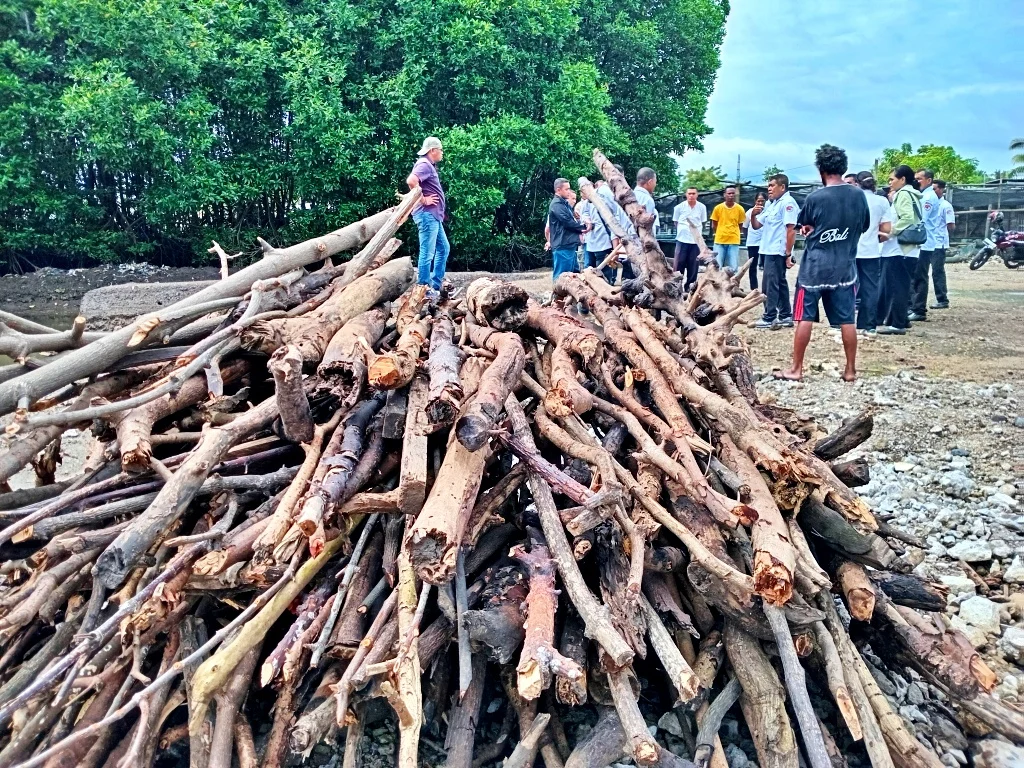
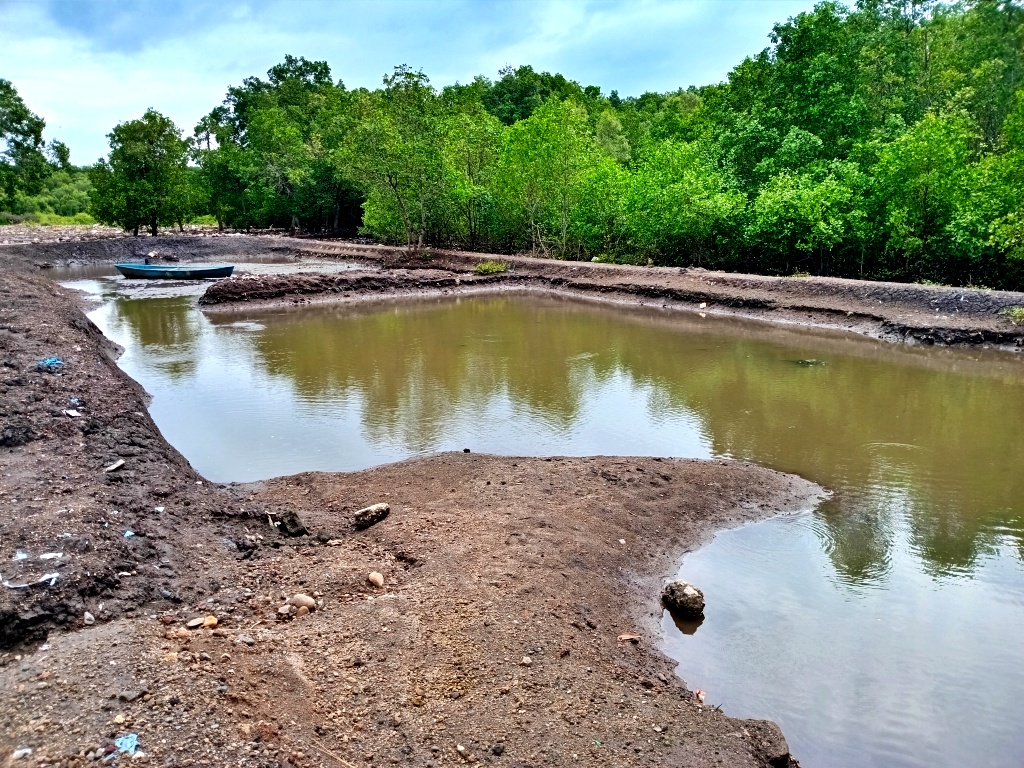
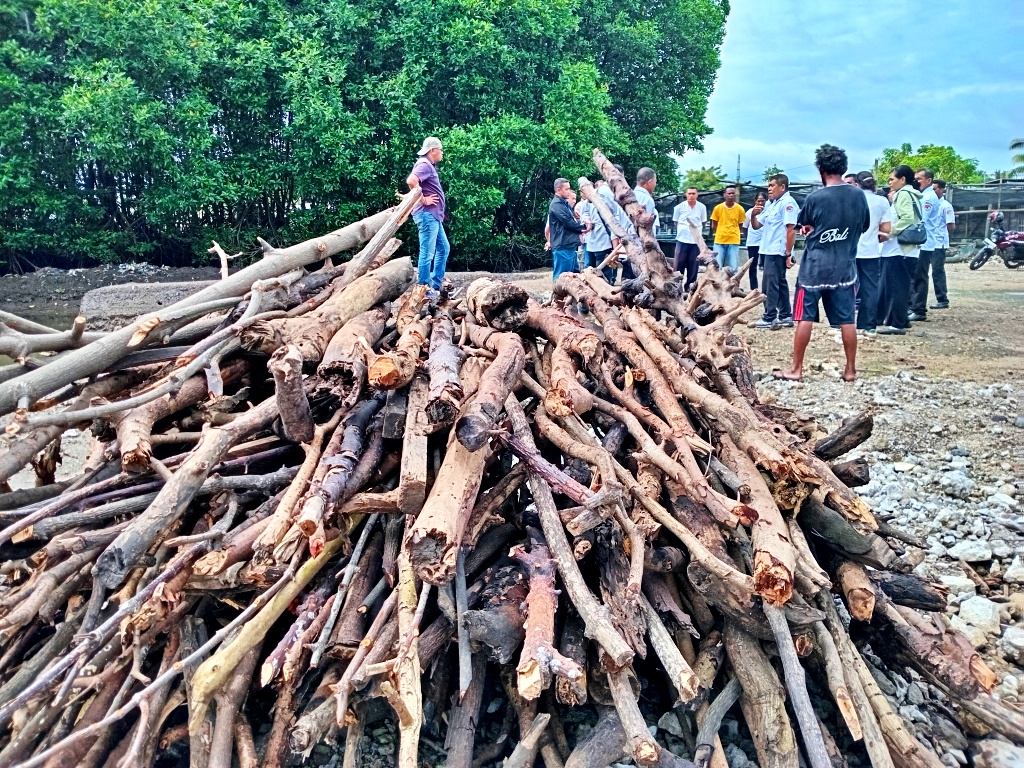
The coastal landscape of Kota Uneng in Maumere, Sikka Regency, East Nusa Tenggara (NTT), is currently the site of a escalating environmental crisis that has left local residents in a state of deep anxiety. For decades, the dense mangrove forests lining the shore served as a "living fence," a robust biological shield that protected the community from the volatile whims of the Flores Sea. However, this critical ecosystem is rapidly being decimated, cleared away to make room for commercial shrimp ponds. The conversion of these protected wetlands into industrial aquaculture sites has not only stripped the land of its natural defenses but has also ignited a complex legal battle involving allegations of land mafia activity, administrative negligence, and the violation of environmental laws.
The Historical Shield: From the 1992 Tsunami to Modern Storms
For the people of Kota Uneng, mangroves are not merely trees; they are the difference between life and death. The collective memory of the community is anchored in the catastrophic events of December 12, 1992, when a 7.8 magnitude earthquake struck the region, triggering a massive tsunami that devastated the coast of Flores. Residents recall with clarity how the thick mangrove belts acted as a wave breaker, absorbing the energy of the surging sea and saving their homes from total destruction.
Yance Lia, a long-time resident of the Uneng coastal area, emphasizes that the importance of these forests has only grown as climate change brings more frequent and intense weather events. "Back in 2017, we were hit by a powerful whirlwind. If the mangroves hadn’t been there to break the wind, our houses would have been leveled to the ground," Yance explained. Today, the situation has changed drastically. With large swaths of the forest cleared, even minor storms force families to flee. "Now, if there is just a storm or a small whirlwind, we are forced to evacuate to safer ground because there is nothing left to protect us."
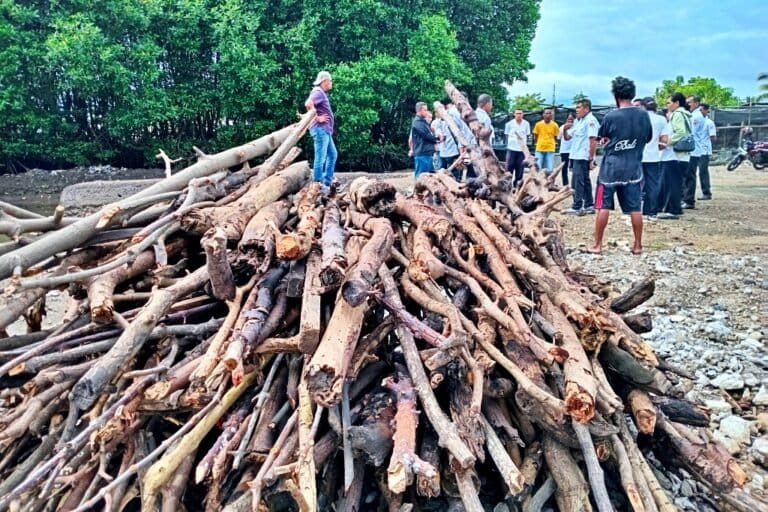
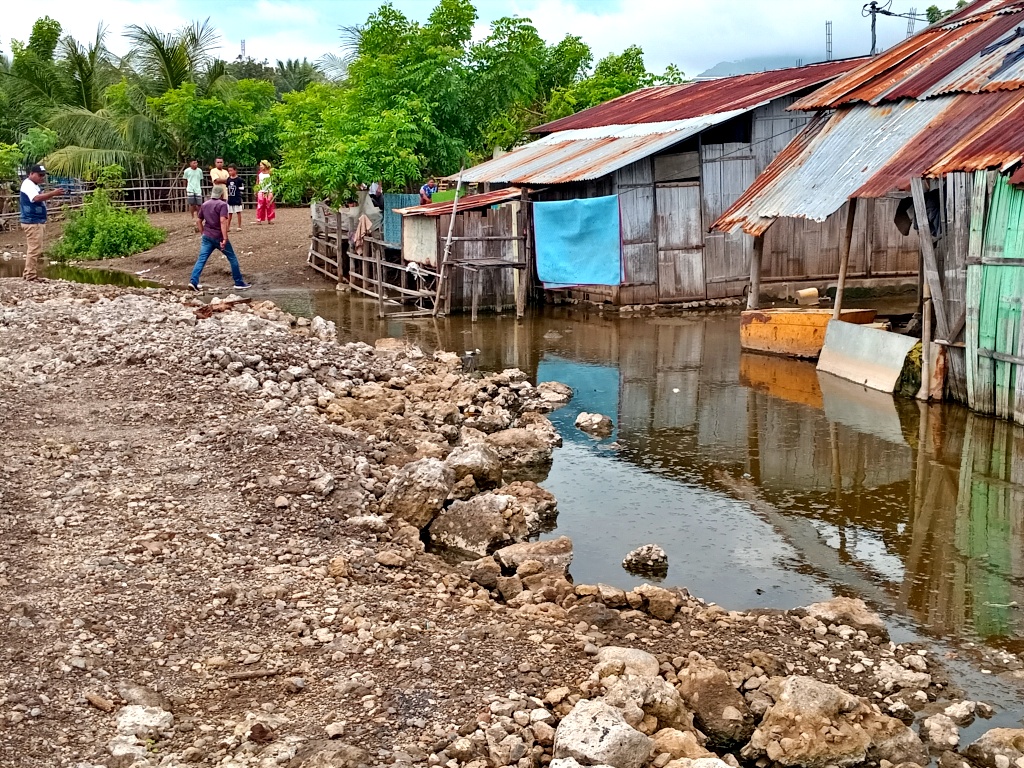
The destruction, according to Yance and other neighbors in the RT3/RW4 neighborhood, often occurs under the cover of darkness or in secluded areas. What was once a lush green backyard bordering the sea has been replaced by stagnant artificial ponds and barren soil. The loss of the forest has already led to visible changes in the local environment, with seawater now encroaching upon residential areas during high tides—a phenomenon known as "rob" flooding that was previously unheard of in the area.
A Legacy of Encroachment and Disputed Titles
The transformation of the Kota Uneng coastline did not happen overnight. Petrus Blasing, the local RT (neighborhood) chief, notes that the encroachment into the mangrove zone dates back to the 1980s. Over the decades, the ownership of these coastal plots has shifted through a revolving door of influential figures, including prominent businessmen, local politicians, and even officials from the Class II Port Authority and Oversight Office (KSOP) Laurens Say Maumere.
The current controversy centers on the legality of these land holdings. While the government had previously installed markers to designate the area as state-protected land, private individuals have come forward claiming to hold formal Land Ownership Certificates (Sertifikat Hak Milik or SHM). Petrus Blasing asserts that most, if not all, of the current aquaculture operations lack the necessary business and environmental permits. "They claim to own the land within the mangrove forest, despite the government’s previous boundary markers. We need the Sikka Regency government to take firm action because these ponds are operating without any legal basis," Blasing stated.
One of the pond owners, Eko Halim, has publicly defended his operations. He denies that he cleared the mangroves himself, claiming that the 6,789-square-meter plot he occupies was purchased from another individual as an existing site. Halim maintains that he possesses a valid land certificate issued on November 14, 2000, signed by the then-head of the Sikka Land Office, Junus Nepa. However, he admitted that the certificate has not been updated to his name because of outstanding land tax arrears totaling approximately Rp44 million, accumulated between 2003 and 2024. Despite the lack of current permits, Halim expressed a desire to "legalize" his business, stating he is in the process of settling his debts and seeking the necessary documentation to avoid further conflict.
The Ecological Toll: Losing a Global Carbon Sink
The scale of the loss is significant. Data indicates that the total mangrove coverage in the Kota Uneng sub-district spans approximately 53.33 hectares, with 22.6 hectares located specifically in the Kampung Garam area. Recent estimates suggest that more than a dozen hectares have already been lost to illegal clearing.
Yohanes Don Bosco Rikson Minggo, an academic from the Faculty of Food Technology, Agriculture, and Fisheries at Nusa Nipa University, warns that the implications of this deforestation extend far beyond local flooding. Mangroves are among the most efficient carbon sequestration systems on the planet. "The ability of mangroves to absorb and store carbon is significantly higher than that of terrestrial tropical forests," Rikson explained. This makes the Uneng mangroves a vital component in the global fight against climate change.
The ecosystem in Kota Uneng is particularly valuable due to its biodiversity. It is home to several key species, including Rhizophora apiculata, Rhizophora mucronata, Avicennia marina, Sonneratia alba, and Bruguiera gymnorrhiza. Each of these species plays a specific role: some provide deep-root stabilization for the soil, while others act as nurseries for local fish and crustacean populations. The removal of these trees disrupts the entire marine food web and destabilizes the coastal morphology.
Rikson characterizes the situation in Maumere as a "systemic failure" in the management of common-pool resources. He argues that the privatization of these lands represents a violation of the "public trust doctrine," where the state is obligated to protect natural resources for the benefit of the public rather than allowing them to be exploited for short-term private gain. He also pointed to a lack of coordination between the Ministry of Environment and Forestry and the Ministry of Marine Affairs and Fisheries as a primary reason for the weak enforcement of environmental protections.
Allegations of Land Mafia and Structural Conflict
The legal dimensions of the case have drawn the attention of the Agrarian Reform Consortium (KPA) in NTT. Honorarius Quintus Ebang, the KPA coordinator, suggests that the issuance of private land titles within a protected mangrove zone is a hallmark of "land mafia" activity. Under Indonesian national law, coastal zones and mangrove ecosystems are protected areas that generally cannot be converted into private property.
"The issuance of SHM certificates over mangrove areas is highly suspicious and likely contradicts the law," Ebang stated. He views the situation as a "structural agrarian conflict" where state instruments are potentially being misused to legalize the illegal occupation of public space. By granting legal titles to protected lands, the state effectively "whitewashes" the destruction of the environment.
The KPA has called for an immediate and comprehensive audit by the Ministry of Agrarian Affairs and Spatial Planning (ATR/BPN) regarding all land titles issued in the coastal zones of Sikka. They are demanding the cancellation of any certificates found to be in violation of environmental laws and are urging law enforcement to investigate potential maladministration and corruption within the land office.
Government Intervention and the Path to Prosecution
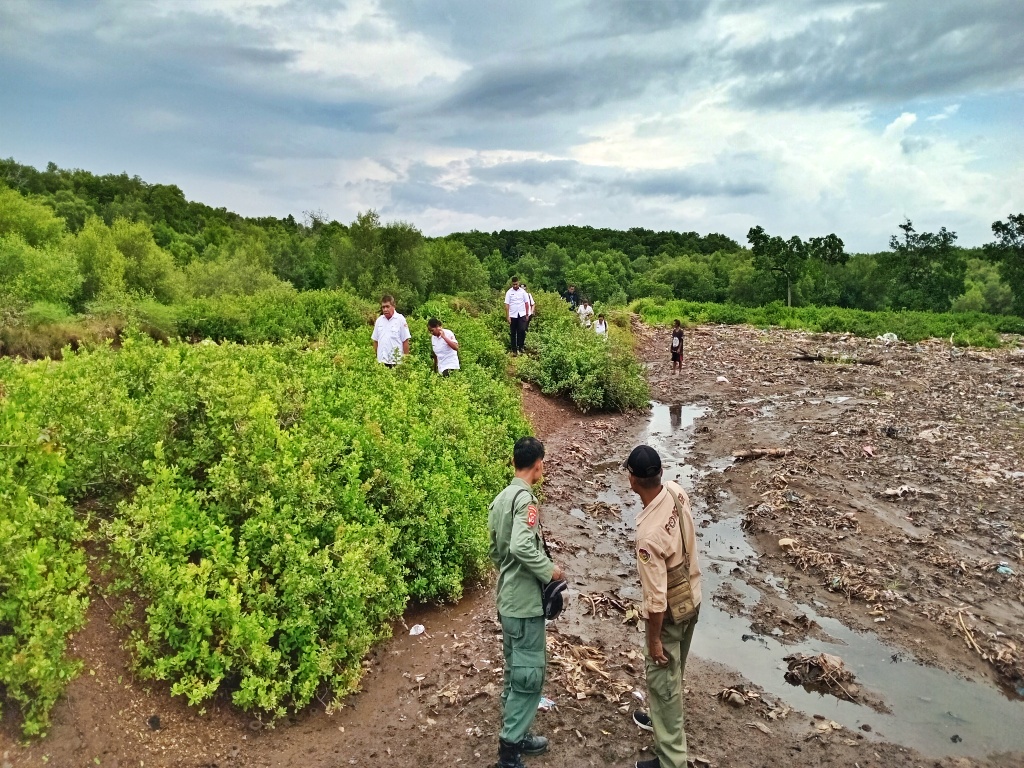
In response to the growing public outcry, the Sikka Regency government has begun to take preliminary steps. Fransiskus Federikus, the Acting Head of the Sikka Environmental Office (DLH), recently conducted a field inspection alongside the Forest Management Unit (KPH) and local district officials. Following the visit, he issued a formal order to halt all pond activities in the disputed area. "This pond business has no environmental permit. We have implemented a temporary suspension of activities," Fransiskus confirmed.
However, many environmental advocates argue that a temporary suspension is insufficient. Sulastri H.I. Rasyid, the Head of the NTT Provincial Environmental Office, has called for a full criminal investigation. She emphasized that under the law, those responsible for destroying mangroves should not only face legal penalties but also be held financially responsible for the total restoration of the ecosystem.
Yuvensius Tefanus Nonga, the Executive Director of WALHI (The Indonesian Forum for the Environment) in NTT, echoed these sentiments, labeling the deforestation an "ecological crime." He noted that Law No. 32 of 2009 on Environmental Protection and Management provides clear criminal sanctions for those who engage in activities that cause environmental damage without proper permits and impact assessments.
"This is a clear example of how environmental degradation leads directly to social crisis," Yuvensius said. "The residents are already feeling the impact. The ‘rob’ floods and the fear during storms are the direct results of this destruction. If the government does not act decisively now, they are essentially waiting for a disaster to happen."
Broader Implications for Coastal Governance
The crisis in Kota Uneng serves as a cautionary tale for coastal regions across the Indonesian archipelago. As the country seeks to expand its aquaculture industry to meet global demand for shrimp and fish, the pressure on mangrove ecosystems is reaching a breaking point. The conflict in Maumere highlights the urgent need for a more integrated approach to coastal zone management—one that prioritizes ecological integrity and community safety over industrial expansion.
The loss of these mangroves is a permanent blow to the region’s resilience. While shrimp ponds may offer short-term economic returns for a few individuals, the long-term costs—ranging from infrastructure damage caused by floods to the loss of carbon sinks and fisheries—will be borne by the entire community. The call from residents, academics, and activists is clear: the state must reclaim its role as the guardian of the environment, revoke illegal land claims, and begin the arduous process of replanting the "living fence" that once kept Maumere safe. For the people of Kota Uneng, the restoration of the mangroves is not just an environmental goal; it is a matter of survival.