Nila Kartika Wati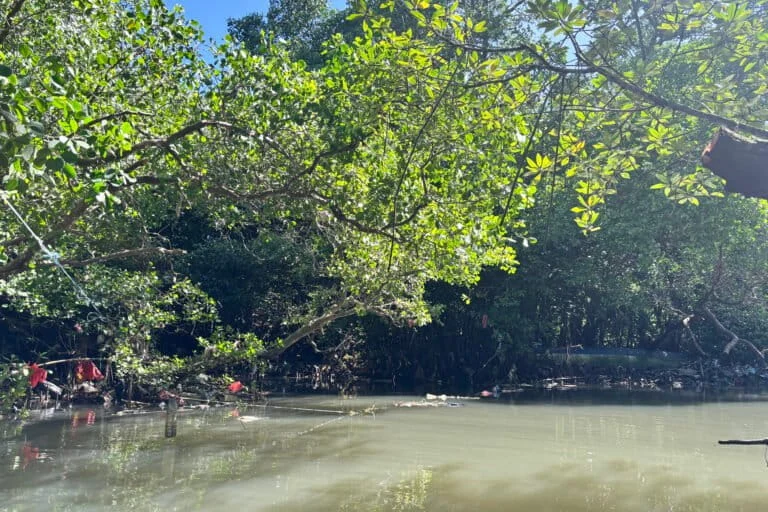
In the coastal stretches of Pemogan Village, South Denpasar, a quiet revolution in community-led conservation has been unfolding for nearly two decades. The Batu Lumbang Mangrove Ecotourism area, a lush 85.9-hectare expanse within the Ngurah Rai Grand Forest Park (Tahura), stands as a testament to the resilience of local fishermen who have transitioned from mere harvesters of natural resources to proactive stewards of their environment. Since 2005, the residents of Pemogan have autonomously managed this ecosystem, balancing the urgent need for environmental preservation with the necessity of sustainable economic development. What began as a collective realization regarding the degradation of their coastal home has evolved into a sophisticated ecotourism model that addresses waste management, habitat restoration, and alternative livelihoods for the local population.
The Chronology of Transformation: From Ponds to Preservation
The history of the Batu Lumbang area is a reflection of the broader shifts in Indonesia’s coastal management policies over the last forty years. In the 1980s, the region underwent a significant ecological shift when large swathes of natural mangrove forests were cleared to make way for modern aquaculture, specifically intensive shrimp ponds. At the time, such developments were viewed as a primary driver of economic growth for coastal communities. However, the environmental cost was high; the removal of the mangrove buffer led to increased coastal erosion and a decline in the natural biodiversity that local fishermen relied upon.
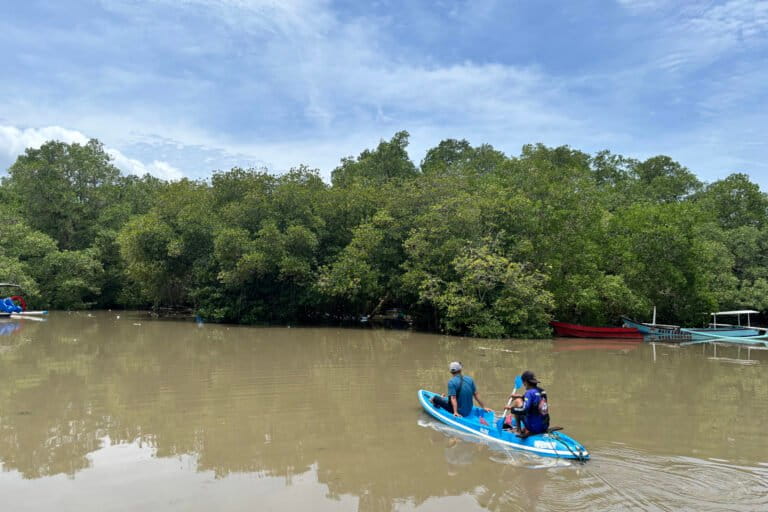
By the late 1980s and early 1990s, the productivity of these artificial ponds began to wane due to disease outbreaks and soil acidification. Simultaneously, the Indonesian government began introduced stricter regulations aimed at reclaiming converted lands and restoring the original forest cover. Wayan Kona Antara, the current head of the Segara Guna Batu Lumbang Fishermen’s Group (KUB), recalls this era as a turning point. As the ponds were abandoned, the community took the initiative to replant the area. Over the years, through consistent manual labor and community monitoring, the former industrial sites were slowly reclaimed by nature. Today, the canopy density in Batu Lumbang has returned to over 80 percent, providing a thick, green shield against the urban sprawl of South Bali.
The formalization of the ecotourism project in 2005 marked the next phase of this evolution. Recognizing that traditional fishing alone could no longer sustain the growing population—and that the forest required constant maintenance—the community established a framework for educational tourism. This move was designed to generate the funds necessary for ongoing conservation efforts while providing a platform to educate the public on the importance of the "blue carbon" ecosystem.
Life in the Mangroves: The Daily Struggle of the Traditional Fisherman
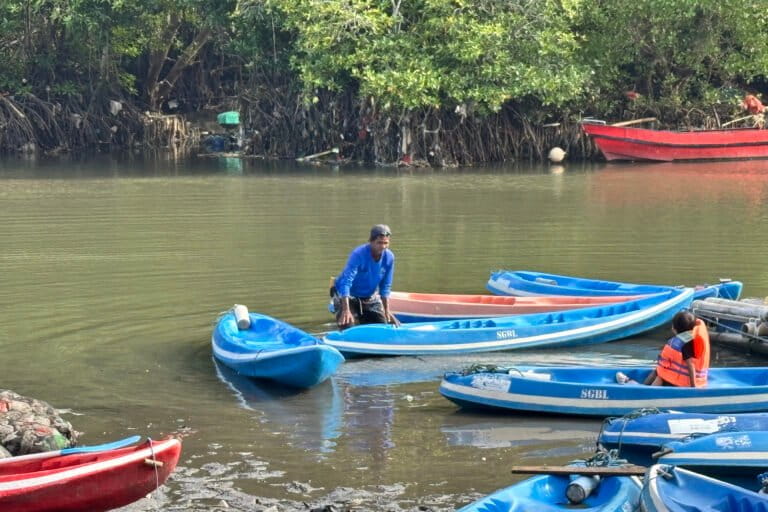
For individuals like Wayan Wana, a veteran fisherman and caretaker of the Batu Lumbang area, the health of the forest is inextricably linked to his daily survival. His day begins at 7:00 AM, not in an office, but in a small canoe navigating the labyrinthine roots of the mangrove trees. Wana’s primary target is the mud crab (Scylla serrata), a species that thrives in the brackish waters of the estuary. However, his role has shifted significantly over the decades. He no longer just hunts for crabs; he hunts for plastic.
The decline in catch over the last thirty years provides a stark data point on the environmental pressures facing the region. In 1992, Wana recalls being able to harvest up to 25 kilograms of crabs in a single day. Today, a successful day yields only three to four kilograms. This decline is attributed to a combination of factors: deteriorating water quality, the encroachment of urban waste, and the long-term impacts of climate change on breeding patterns.
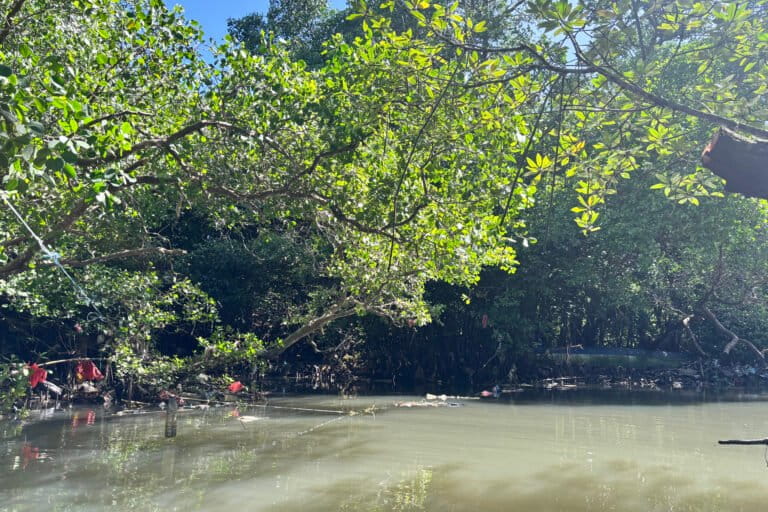
Wana’s daily routine now involves a dual responsibility. Between checking his traps, he manually removes debris that has become entangled in the mangrove pneumatophores (aerial roots). This labor-intensive task is critical; if the roots are smothered by plastic bags or discarded clothing, the trees cannot "breathe," leading to localized die-offs. The presence of a dedicated community member like Wana ensures that the ecotourism site remains both a viable habitat for marine life and an attractive destination for visitors.
Economic Diversification through Value-Added Products
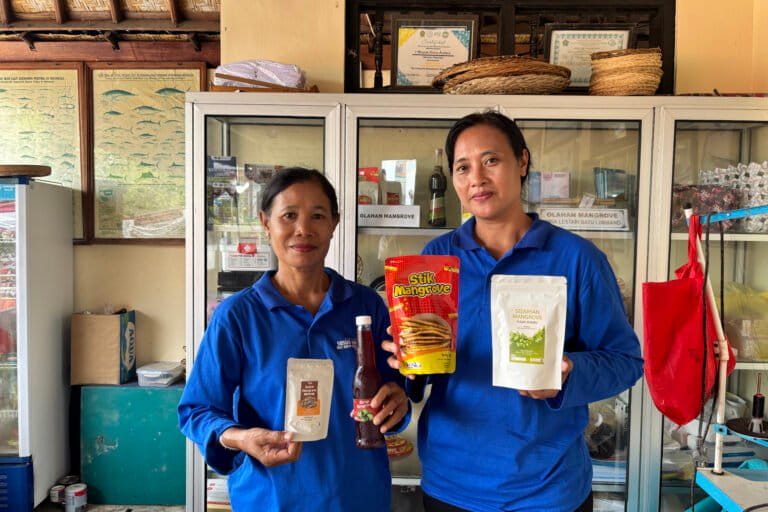
A key component of the Batu Lumbang model is the inclusion of the local female population through the Kelompok Pengolah dan Pemasar (Poklahsar) or the Processing and Marketing Group. Led by Made Askini, this group has pioneered the production of non-timber forest products derived from mangrove fruits. By processing the seeds and fruits of specific mangrove species into syrup, tea, coffee, and savory snacks, the community has created a secondary revenue stream that does not rely on the extraction of timber or the depletion of fish stocks.
This initiative is governed by strict conservation ethics. Made Askini emphasizes that because Batu Lumbang is part of a conservation zone (Tahura Ngurah Rai), the exploitation of mangrove fruits is kept to a minimum. Production is generally "on-demand" to prevent over-harvesting and to ensure that enough seeds remain in the ecosystem for natural regeneration. This value-added approach serves two purposes: it provides financial empowerment for the village women and serves as an educational tool for tourists, who can see firsthand that a standing forest is worth more than a cleared one.
The Waste Crisis: An Anthropogenic Threat to Coastal Integrity
Despite the community’s successes, Batu Lumbang faces a persistent and growing threat from Bali’s urban waste management challenges. The mangrove forest acts as a natural sieve for two of Denpasar’s major rivers: Tukad Badung and Tukad Mati. As these rivers flow through densely populated urban centers, they collect vast quantities of domestic waste, which is eventually deposited into the mangrove roots during high tide.
Environmental data suggests that plastic pollution is the most significant threat to the long-term viability of the ecotourism site. When plastic covers the mud, it prevents the exchange of gases and kills the microorganisms that form the base of the food chain. This directly impacts the crab and fish populations that the fishermen depend on. Furthermore, research published in the Agrimeta journal (Budiasa et al., 2024) highlights that in addition to household waste, the area is increasingly vulnerable to rising sea levels and extreme weather patterns associated with climate change.
The fishermen’s group has responded by implementing a systematic cleaning schedule. The revenue generated from ecotourism activities—such as canoe rentals and guided tours—is partially funneled into these waste management efforts. However, the community acknowledges that they are treating the symptoms rather than the cause. Without a comprehensive upstream solution to Bali’s river pollution, the burden of cleaning the city’s waste will continue to fall on the shoulders of the Pemogan coastal residents.
Scientific and Ecological Significance of the Batu Lumbang Model
The Batu Lumbang Mangrove Ecotourism area is more than just a local park; it is a critical ecological corridor within the Ngurah Rai Grand Forest Park, which covers approximately 1,373 hectares in total. Mangroves are among the most carbon-rich ecosystems on the planet, capable of sequestering up to four times more carbon than terrestrial tropical forests. In the context of Bali’s rapid development, these 85.9 hectares provide essential ecosystem services, including carbon storage, water filtration, and protection against storm surges for the neighboring residential areas of Denpasar.
The study by Budiasa and colleagues underscores that the strategic involvement of the community is the "key success factor" for Batu Lumbang. Unlike top-down conservation projects that often alienate local populations, the Batu Lumbang model is rooted in "collective consciousness." By giving the fishermen a stake in the tourism revenue, the project aligns economic incentives with environmental outcomes. This community-based management (CBM) approach is increasingly cited by international conservation organizations as the most sustainable way to protect vulnerable coastal habitats in developing nations.
Broader Implications and the Future of Bali’s Mangroves
The story of Batu Lumbang is a microcosm of the challenges facing Bali as it seeks to balance its status as a global tourism hub with the need to protect its remaining natural assets. The recent focus on "Green Tourism" by the Indonesian government has brought more attention to sites like Batu Lumbang, particularly following the G20 summit in Bali, where mangrove restoration was showcased as a national priority.
However, the pressure of infrastructure development remains a constant shadow. Proyek-proyek such as the Liquefied Natural Gas (LNG) terminal and other coastal expansions have previously raised concerns among local residents and environmentalists regarding the potential for further habitat fragmentation. The community at Batu Lumbang remains vigilant, knowing that their livelihoods depend on the integrity of the forest.
For the fishermen of Pemogan, the hope is that the next generation will inherit a cleaner, more resilient ecosystem. Wayan Wana’s daily efforts to clear the mud and protect the crab burrows are driven by a simple philosophy: "If the nature is clean, the biota will return." The transformation of Batu Lumbang from a site of industrial aquaculture to a thriving community-led sanctuary serves as a blueprint for coastal restoration across the Indonesian archipelago. It demonstrates that when local knowledge is combined with organized collective action, even a degraded landscape can be restored to its former glory, providing both ecological security and economic hope.