Chalifah Fatihah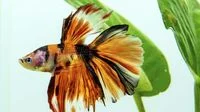
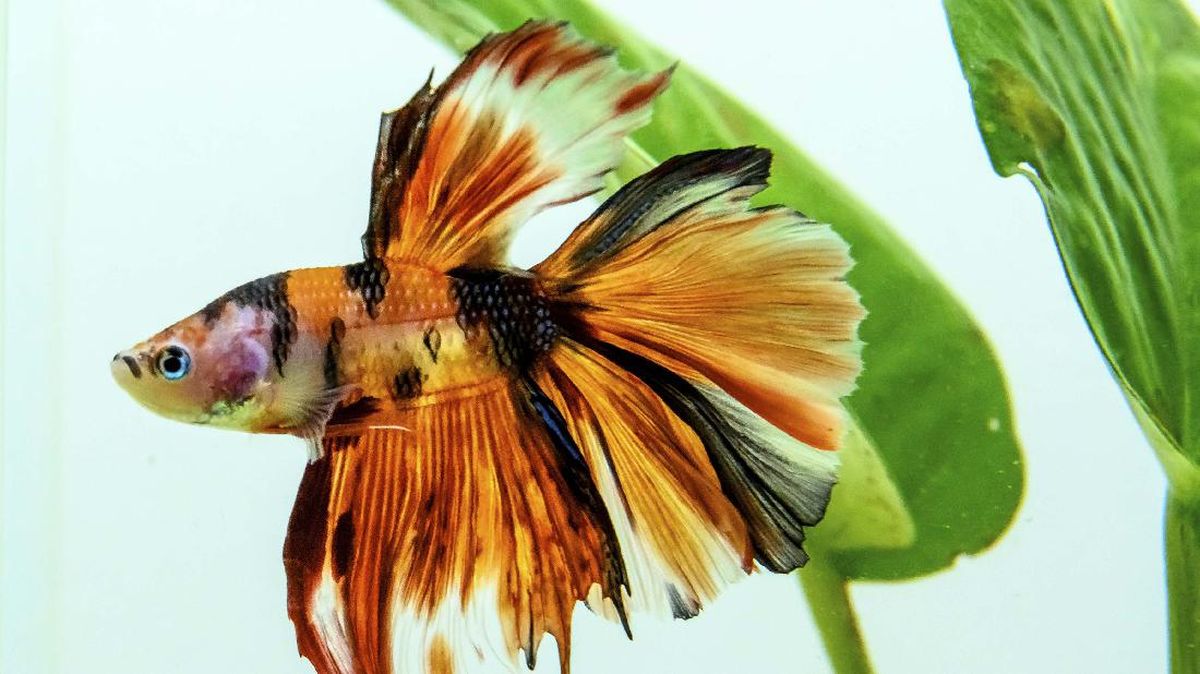
Jakarta — Maintaining the vibrant coloration and majestic finnage of ornamental fish requires a meticulous approach to husbandry, particularly regarding dietary management. Among the most popular aquatic pets globally, the Siamese fighting fish, scientifically known as Betta splendens, has captured the attention of aquarists due to its striking iridescent hues and elaborate, flowing fins. However, achieving and sustaining this aesthetic brilliance is not merely a matter of aesthetic luck; it is the direct biological outcome of precise nutritional provisioning and pristine aquatic environments. As novice and experienced fishkeepers alike continually seek optimal care strategies, understanding the spectrum of high-quality, accessible foods becomes paramount. Industry specialists, aquatic veterinarians, and seasoned breeders emphasize that the foundation of a betta’s longevity—which can range from two to five years under optimal conditions—lies heavily in the daily nutritional intake.
To provide a comprehensive roadmap for pet owners, aquatic biologists and pet care experts have compiled an exhaustive analysis of the best dietary options available for Betta splendens. This guidance aims to bridge the gap between scientific nutritional requirements and practical, everyday feeding habits, ensuring that pet owners can easily source and administer foods that promote robust health, immune resilience, and vivid coloration.
The Biological Foundation of Betta Nutrition and Aesthetic Vibrancy
To fully comprehend why specific foods are recommended, one must first examine the natural dietary habits and digestive anatomy of the species. Native to the shallow, slow-moving waters, rice paddies, and floodplains of Southeast Asia—primarily Thailand, Cambodia, Laos, and Vietnam—Betta splendens evolved as strict carnivores or insectivores. In their natural habitat, their diet predominantly consists of aquatic insects, insect larvae, zooplankton, and small crustaceans. Consequently, their digestive tract is relatively short compared to herbivorous or omnivorous fish, designed specifically for the rapid processing of high-protein, high-lipid meals.
From an evolutionary standpoint, the magnificent fins and brilliant pigmentation that make bettas so coveted in the aquarium hobby are heavily dependent on specific micronutrients. Carotenoids, for instance, are organic pigments naturally occurring in many live and frozen aquatic organisms that are essential for intensifying red, orange, and yellow hues. Without a consistent supply of these pigments and high-grade animal proteins, a betta’s colors can fade, and its immune system may become compromised, leaving it vulnerable to common aquatic pathogens such as fin rot and ich (Ichthyophthirius multifiliis).
Furthermore, historical developments in the aquarium hobby trace the popularization of selective breeding back over a century, particularly in Thailand, where bettas were originally bred for aggression and combat. As the hobby transitioned toward aesthetic appreciation, breeders realized that specialized diets were crucial for accentuating the mutations responsible for veil-tails, crowntails, halfmoons, and plakat varieties. Today, modern aquarists have access to a wide array of scientifically formulated pellets, freeze-dried treats, and natural live foods that replicate these ancestral nutritional profiles in a domestic setting.
Chronological Evolution of Betta Feeding Practices in the Aquarium Hobby
The methodology of feeding captive bettas has undergone a significant transformation over the past several decades. Understanding this timeline highlights the shift from rudimentary feeding habits to scientifically backed nutritional regimens:
- Late 20th Century (The Era of General Flakes): During the early decades of widespread aquarium keeping, many hobbyists fed bettas standard tropical fish flakes. Fisheries scientists later discovered that these broad-spectrum flakes often lacked sufficient animal protein and contained excessive plant fillers, leading to digestive blockages and shortened lifespans.
- Early 2000s (The Rise of Specialized Pellets): The introduction of species-specific betta pellets revolutionized the market. Manufacturers began formulating floating foods tailored to the fish’s small mouth size and carnivorous digestive system, incorporating higher concentrations of fish meal and shrimp meal.
- 2010s to Present (The Integration of Live and Frozen Foods): As the hobby matured, breeders and enthusiasts emphasized the benefits of mimicking natural foraging behaviors through live and frozen options. The accessibility of cultures such as daphnia, brine shrimp, and micro-worms allowed hobbyists to optimize growth rates in fry and enhance coloration in adults.
Comprehensive Analysis of Top-Tier Natural Paks for Betta Fish
Experts categorize the best nutritional options into several distinct categories based on accessibility, nutritional density, and developmental stages. Below is a detailed breakdown of the premier dietary choices for Betta splendens.
1. Water Fleas (Daphnia and Moina)
Water fleas represent one of the most natural and versatile live foods available for bettas of all life stages, ranging from delicate fry to fully mature adults. Most commonly utilized genera include Daphnia and Moina.
- Nutritional Profile: Rich in essential proteins and natural carotenoids, water fleas actively support muscle development and enhance color brilliance.
- Digestive Benefits: Beyond their nutritional value, water fleas act as a natural source of roughage, helping to prevent common digestive disorders such as constipation and swim bladder disease.
- Sourcing and Safety: Experts advise aquarists to ensure that wild-harvested or cultures water fleas originate from strictly controlled, sanitary environments to prevent the accidental introduction of parasites, chemical pollutants, or predatory aquatic insects into the main tank.
2. Silk Worms / Bloodworms and Tubifex (Cacing Sutera)
Tubifex worms, commonly referred to as silk worms or sludge worms, are exceptionally popular among breeders due to their high palatability and nutrient density.
- Nutritional Profile: These worms boast exceptionally high levels of protein and lipids, making them an ideal dietary supplement for adult bettas that require sustained energy and mass building.
- Administration Protocols: Because they are typically harvested from organic-rich benthic environments, rigorous cleaning and rinsing are mandatory prior to feeding. Overfeeding with tubifex can lead to rapid obesity and water fouling, so moderation is key.
3. Mosquito Larvae (Jentik Nyamuk)
Supported by research and extension data from academic institutions such as the Faculty of Fisheries and Marine Sciences at Universitas Airlangga (UNAIR), mosquito larvae are recognized as an economical and highly accessible live food source, particularly peaking in availability during the tropical rainy season.
- Nutritional Profile: High in vital proteins and fats, mirroring the primary wild diet of Betta splendens.
- Identification and Selection: Aquarists harvesting larvae from standing water must selectively choose early-stage, slender larvae found actively wriggling at the surface. Advanced pupae—identifiable by their rounded, bulbous head structures—should be avoided, as their tough chitin exoskeletons can induce severe digestive distress and visible abdominal bloating in bettas.
4. Brine Shrimp (Artemia)
Artemia, commonly known as brine shrimp, is a staple in professional aquaculture and advanced hobbyist circles. It is available commercially in cyst (egg) form for home-hatching into nutrient-dense nauplii, as well as frozen or adult dried formats.
- Nutritional Profile: Newly hatched nauplius brine shrimp (measuring roughly 0.4 to 0.7 millimeters) provide an ideal first feeding for growing betta fry, while adult brine shrimp supply robust protein for mature fish.
- Preparation: When utilizing brine shrimp harvested from high-salinity solutions, thorough rinsing in freshwater is imperative to avoid altering the osmotic balance and chemistry of the betta’s freshwater aquarium.
5. Duck Egg Yolk (Kuning Telur Itik)
In scenarios where live or specialized frozen foods are temporarily unavailable, duck egg yolk serves as a traditional, highly resourceful alternative.
- Preparation Method: The egg must be thoroughly hard-boiled prior to administration. A microscopic pinch of the yolk can then be introduced to the water column.
- Cautionary Measures: Due to its high organic concentration, duck egg yolk degrades water quality rapidly if not consumed immediately. Aquarists must exercise extreme caution, feeding only minute quantities and promptly siphoning away any uneaten residue to prevent ammonia spikes and bacterial blooms.
Expert Insights and Industry Reactions
Leading voices in aquatic veterinary medicine and professional breeding emphasize that nutrition cannot be viewed in isolation from general environmental management. Dr. Hendra Pratama, an aquatic animal health specialist based in Jakarta, notes that nutritional imbalance is the underlying cause of over 60% of chronic illnesses observed in pet bettas.
"Many owners focus exclusively on aesthetic appeal—buying fish with massive, ornate fins—without realizing that these genetic variations require specialized metabolic support," states Dr. Pratama. "Feeding a monotonous diet of cheap, low-grade flakes leads to fatty liver degeneration and compromised immune systems. Incorporating live or high-protein natural foods like daphnia and artemia provides the necessary micronutrients that manufactured feeds sometimes lack."
Furthermore, prominent breeders in Southeast Asia highlight the golden rule of betta feeding: portion control. Because Betta splendens possess a stomach roughly equivalent in size to their eye, overfeeding is a prevalent hazard among amateur keepers. Commercial breeders advocate for a feeding schedule of one to two small meals per day, consisting of an amount the fish can consume within two minutes, accompanied by a dedicated weekly fasting day to allow the digestive tract to clear.
Broader Impact and Environmental Implications
The growing demand for high-grade natural and live foods for ornamental fish has catalyzed secondary economic sectors across the region. Local micro-enterprises specializing in the cultivation of daphnia, moina, and tubifex worms have flourished, providing sustainable livelihoods for rural and peri-urban farmers. This cottage industry not only supports the multi-million-dollar ornamental fish export market in Southeast Asia but also promotes circular biological practices, where organic waste streams are repurposed to cultivate nutritious zooplankton.
However, industry analysts also point out potential ecological challenges. The unregulated wild harvesting of mosquito larvae and water fleas from natural bodies of water carries the risk of vector-borne disease proliferation or chemical contamination from agricultural runoff. Consequently, regulatory bodies and educational institutions increasingly advocate for indoor, controlled-environment aquaculture (such as backyard culture kits) to ensure the biosecurity and safety of live fish feeds.
Conclusion and Best Practices for Aquarists
Ultimately, achieving optimal health, vibrant coloration, and a lifespan reaching the upper limits of the species’ potential relies on a holistic approach. By combining a varied, protein-rich diet—incorporating staples such as daphnia, artemia, and clean mosquito larvae—with rigorous water quality maintenance, proper filtration, and appropriate temperature regulation (ideally between 75°F and 80°F or 24°C to 27°C), aquarists can ensure their betta fish thrive.
Careful adherence to portion control, prompt removal of uneaten organic matter, and sourcing feeds from reputable, clean suppliers remain the absolute pillars of responsible pet ownership. Through these meticulous practices, the majestic beauty of the Siamese fighting fish can be fully preserved and safely enjoyed within the domestic aquarium environment for years to come.