Nila Kartika Wati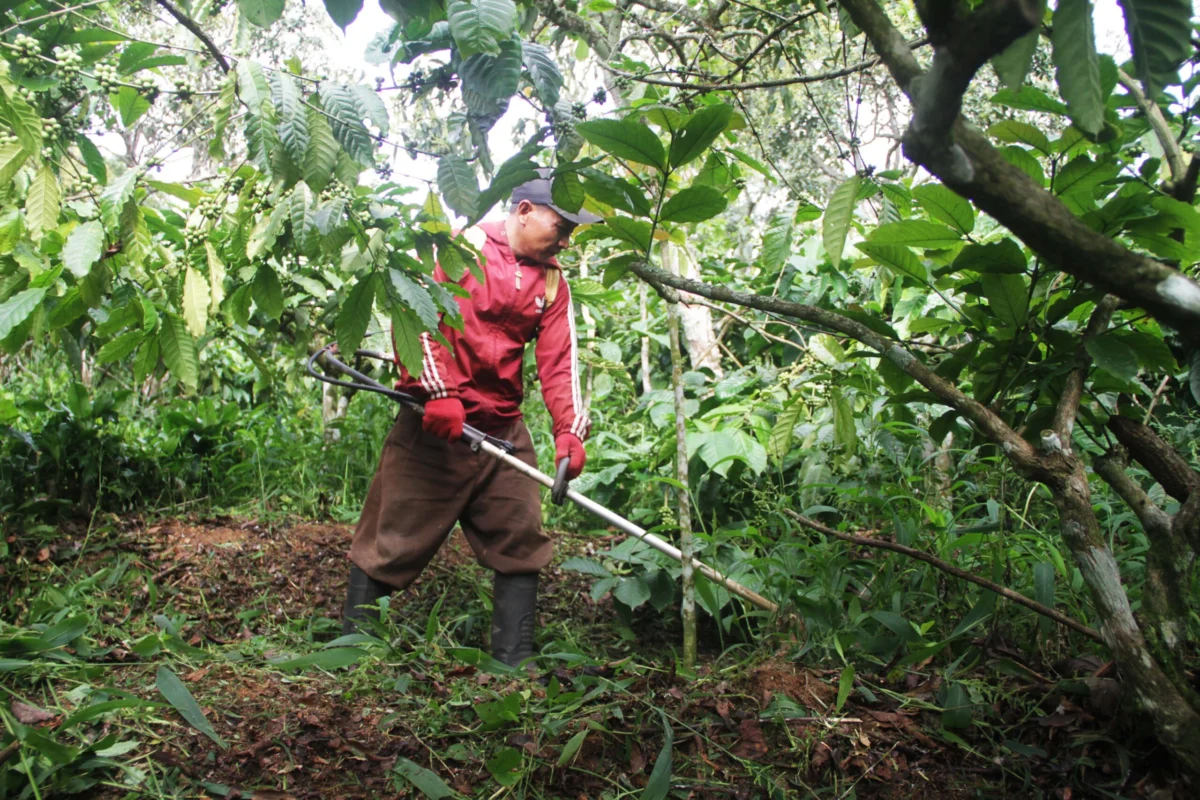
Amidst the sprawling coffee plantations that fringe the protected forests on the slopes of Mount Muria in Central Java, a quiet revolution in wildlife conservation is taking place. Setyawan Rahayu, a 38-year-old conservationist, has spent years navigating the dense undergrowth and shaded groves of this dormant volcano, frequently encountering one of the region’s most misunderstood inhabitants: the flat-nosed pit viper, scientifically known as Craspedocephalus puniceus. While the general public often views this venomous reptile as a lethal threat to be eliminated on sight, Setyawan and his colleagues at the local non-governmental organization Peka Muria are working to redefine the relationship between the local community and the predators that maintain the forest’s delicate ecological equilibrium.
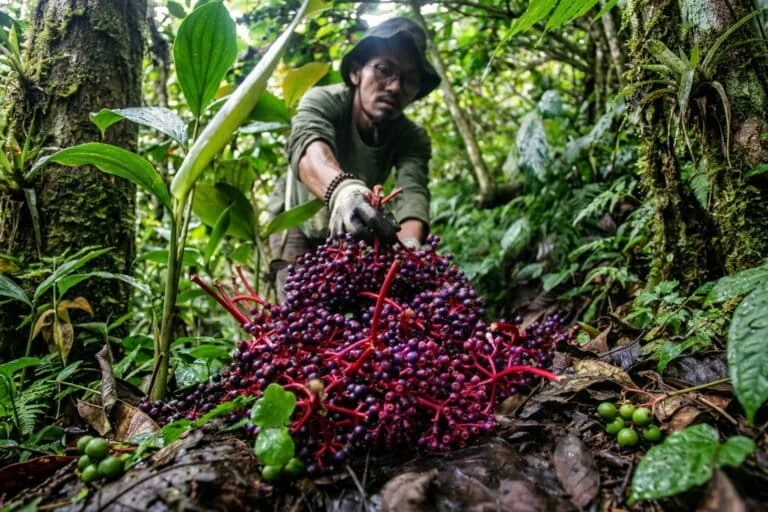
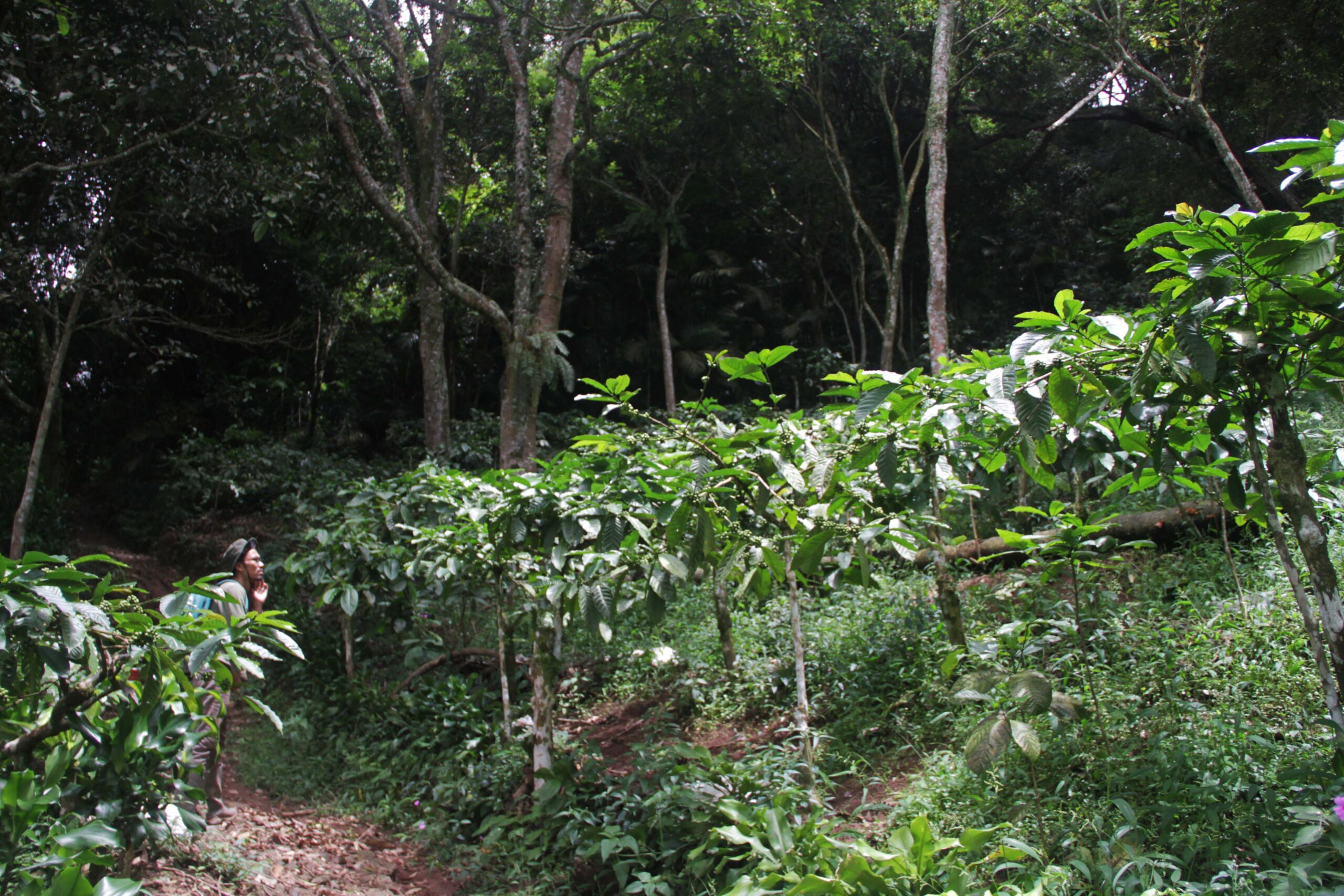
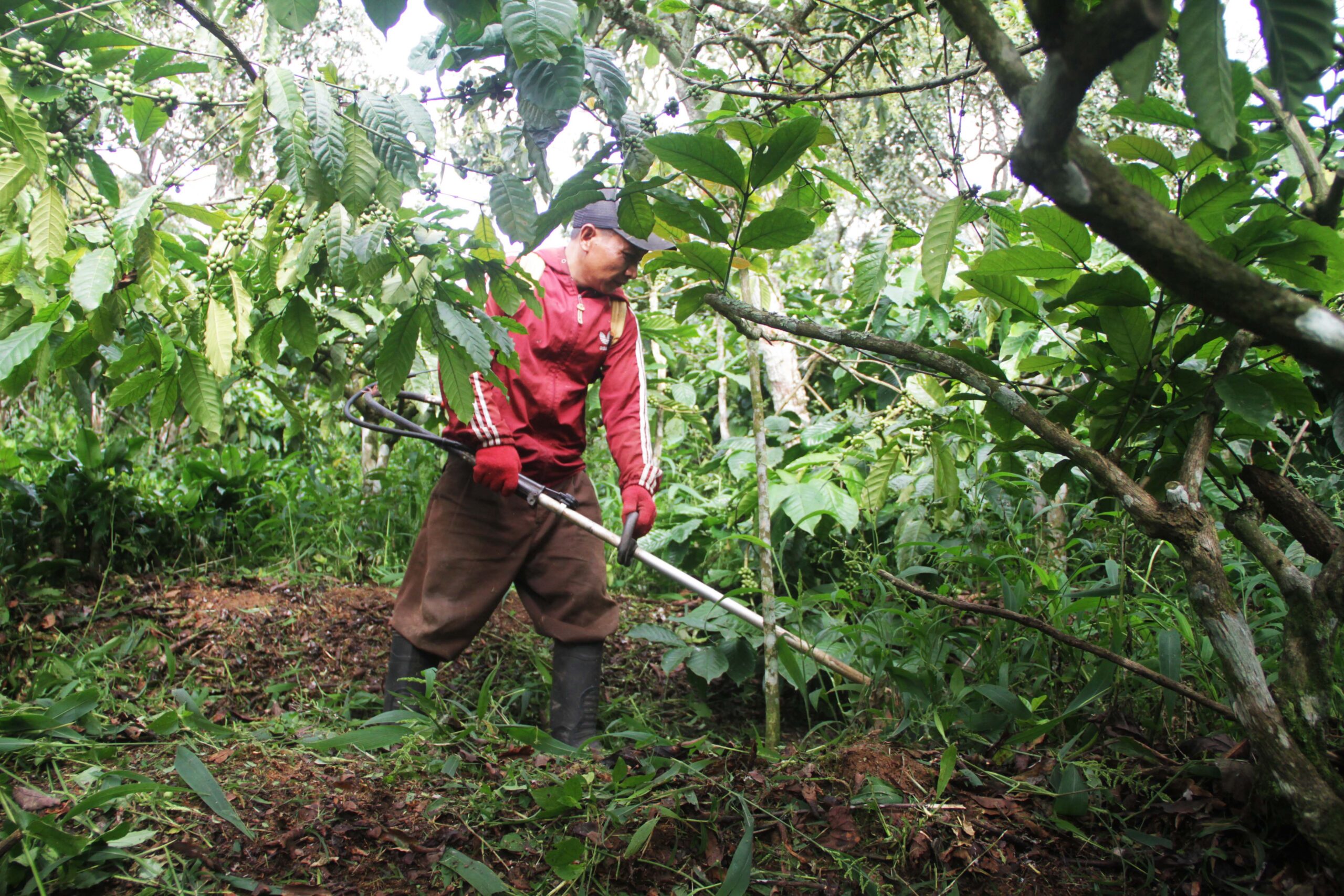
Setyawan, a resident of Colo Village in the Dawe District of Kudus Regency, serves as a bridge between the wild interior of the mountain and the agricultural lands that sustain the local economy. His work involves frequent excursions into the forest, where encounters with the viper are an inevitable part of the job. On a recent survey in March 2026, Setyawan noted that these snakes are frequently found in the transitional zones where coffee trees grow under the canopy of towering native timber. In these "buffer zones," the lines between human activity and wildlife habitat become blurred, creating a unique set of challenges and responsibilities for the farmers who work the land.
The Evolution of Human-Wildlife Interaction in Kudus
Historically, the presence of a snake in a coffee plantation was met with immediate and lethal force. For generations, farmers viewed any reptilian presence as an occupational hazard that necessitated eradication. However, through the persistent efforts of Setyawan and the Peka Muria foundation, a significant cultural shift is underway. Instead of reaching for a machete, an increasing number of farmers now reach for their phones to call Setyawan for a professional relocation.
This shift did not happen overnight. It is the result of years of grassroots education and community engagement. Setyawan does not merely remove the snakes; he uses each encounter as a "teachable moment," explaining the biological necessity of the viper to the very people who once feared it. By demonstrating how to safely coexist with the species and highlighting its role in controlling rodent populations that would otherwise devastate coffee yields, Peka Muria has fostered a burgeoning sense of environmental stewardship among the villagers of Dawe.
The protocol for these encounters is strictly defined by the snake’s location. If a viper is found deep within the forest interior, Setyawan advocates for leaving it undisturbed in its natural habitat. However, when the snakes venture into active plantations or near residential areas, the risk of accidental trampling or defensive bites necessitates a careful evacuation. This balanced approach prioritizes human safety while ensuring the survival of the species.
Biological Profile of the Flat-nosed Pit Viper
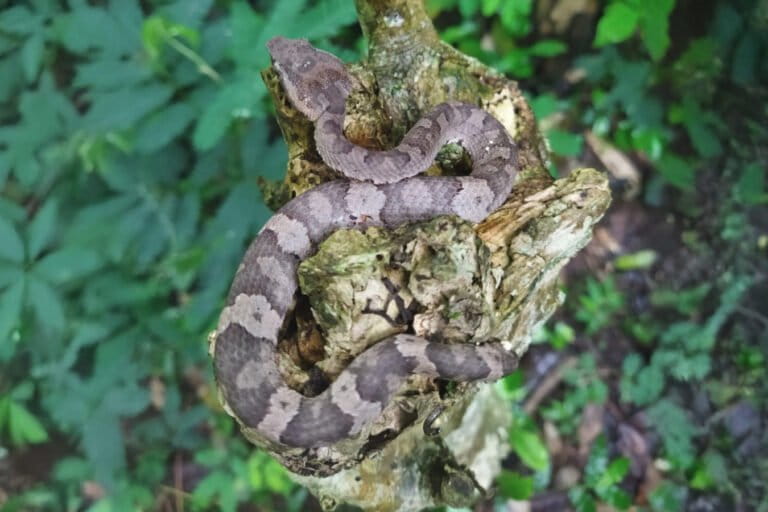
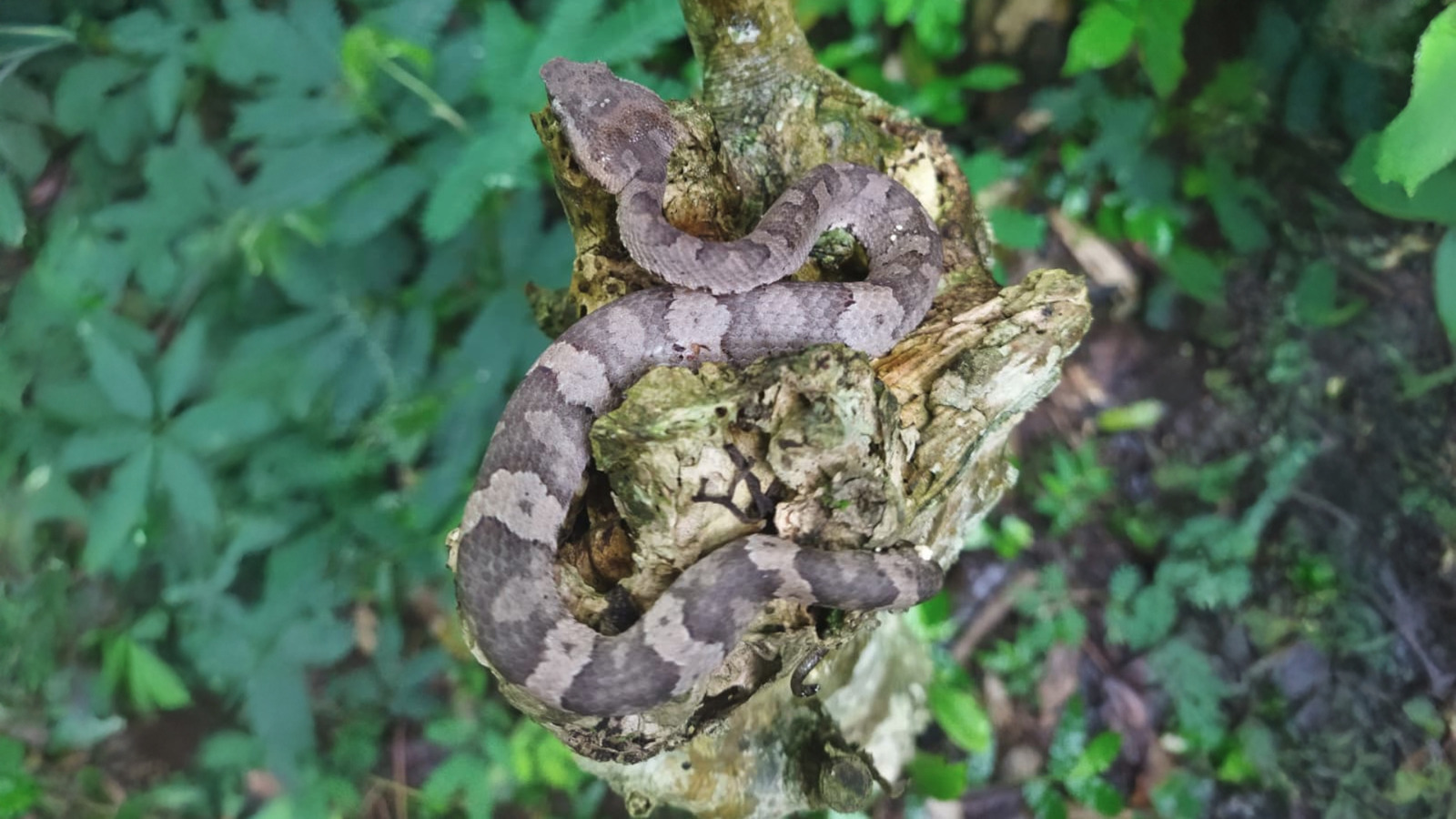
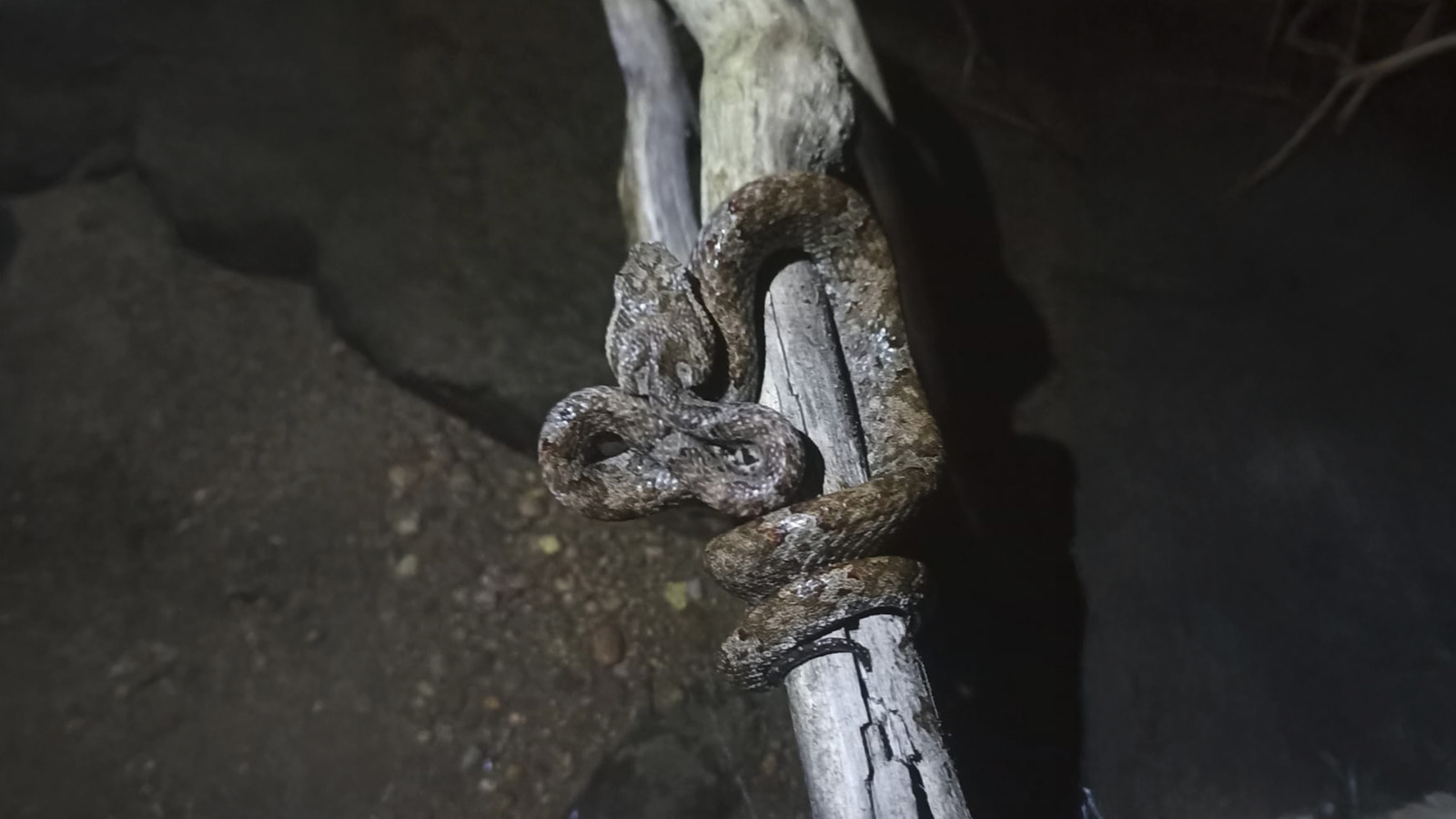
The Craspedocephalus puniceus, or the flat-nosed pit viper, is a master of mimicry and patience. Measuring approximately 60 centimeters in length with a body diameter roughly equivalent to two adult fingers, the snake possesses a specialized color pattern that allows it to blend seamlessly into the leaf litter of the forest floor. During his field observations, Setyawan has noted that the snake’s camouflage is so effective that even experienced trackers can easily overlook them, risking a defensive strike if stepped upon.
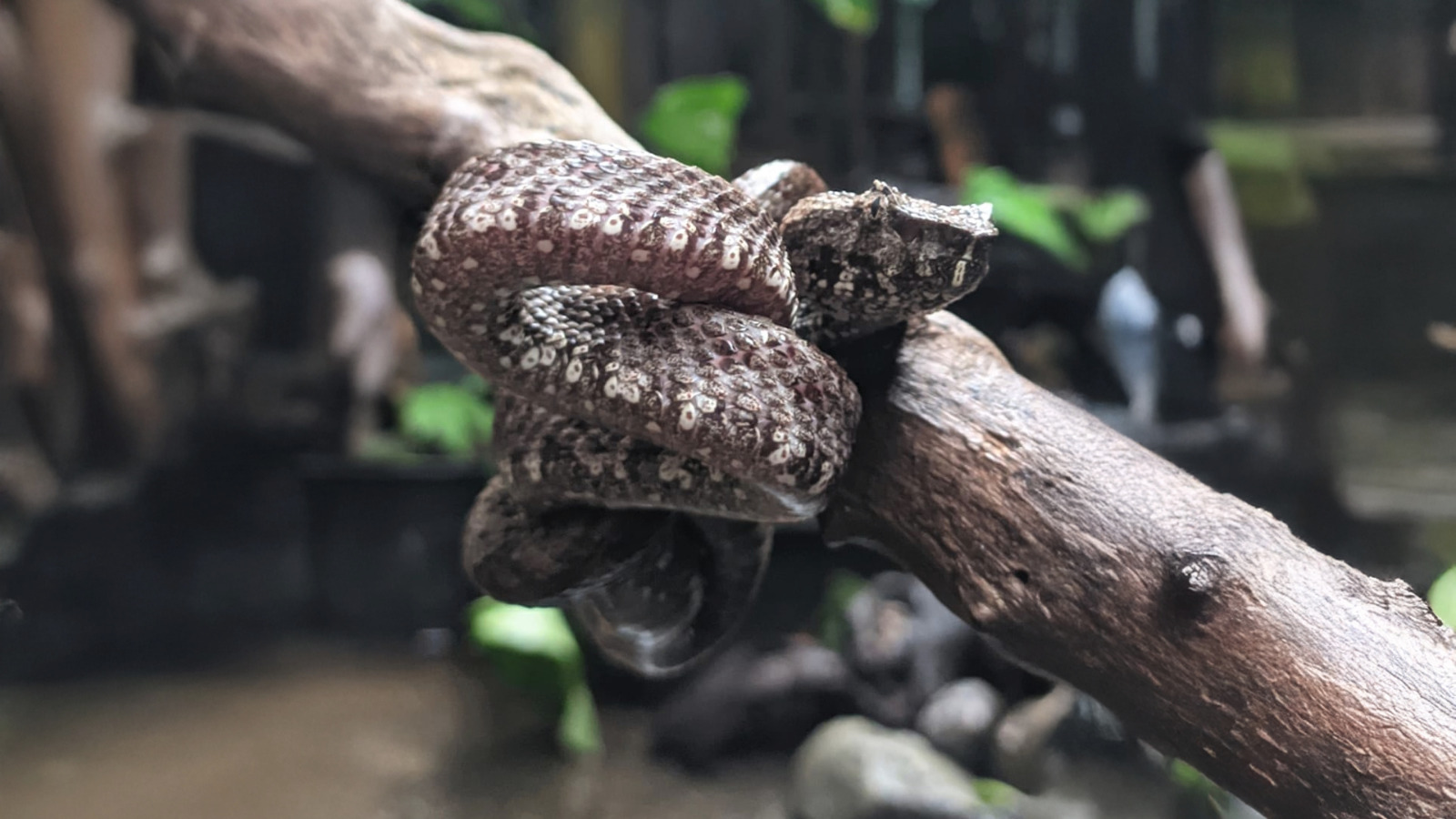
As a member of the Viperidae family, this species is characterized by its triangular head and long, hollow, retractable fangs. Despite their fearsome reputation, Setyawan describes them as relatively sedentary and non-aggressive unless provoked. They are ambush predators that rely on staying still for long periods, often coiling into a distinctive "S" shape when they feel threatened. This posture is a defensive mechanism, allowing the snake to launch a rapid strike if a perceived predator comes within range.
These vipers are primarily nocturnal, becoming active under the cover of darkness to hunt for small mammals, lizards, and birds. During the day, they rest in cool, shaded areas, often near the base of large trees or under fallen logs. Setyawan has observed pairs of vipers in close proximity—sometimes less than three meters apart—which suggests territorial behavior or seasonal mating rituals.
The Science of Venom and Medical Implications
The danger posed by the flat-nosed pit viper lies in its hemotoxic venom. Unlike the neurotoxic venom of cobras (Naja), which attacks the nervous system and can cause respiratory failure, hemotoxins focus their destruction on the circulatory system and body tissues. Ganjar Cahyadi, a member of the Indonesian Herpetology Society and a curator at the Museum of Zoology at the Bandung Institute of Technology (ITB), emphasizes that while pit viper bites are rarely as rapidly fatal as those of a king cobra, they are excruciatingly painful and can lead to severe long-term complications.
Ganjar recounts a field incident where a colleague was bitten by a similar pit viper species during a research expedition. Within hours, the affected digit exhibited massive swelling, followed by deep bruising and the leakage of serous fluid. This local tissue destruction, known as necrosis, is a hallmark of hemotoxic envenomation. The severity of the reaction varies significantly based on the amount of venom injected, the victim’s immune response, and any underlying allergies.
One of the most fascinating aspects of the pit viper’s biology is the "pit" organ located between the eye and the nostril. This heat-sensing organ allows the snake to detect infrared radiation from warm-blooded prey, essentially giving it thermal vision. This evolutionary advantage makes the viper a highly efficient hunter in the pitch-black environment of the Muria forest, but it also means the snake can detect the heat signature of a human foot from a distance, often choosing to remain still in hopes the intruder will pass by without noticing it.
Indonesia as a Global Hub for Herpetological Diversity
The presence of the flat-nosed pit viper on Mount Muria is a small part of a much larger biological narrative. Indonesia is recognized globally as a center of reptile diversity, boasting over 721 recorded species. Within this vast array, the pit viper subfamily exhibits incredible genetic complexity and evolutionary adaptation.
Research conducted by Bagus Priambodo in 2018 at Brawijaya University utilized mitochondrial and nuclear gene sequencing to study the phylogeography of Asian pit vipers in Indonesia. The study revealed high levels of genetic diversity, suggesting that the archipelago’s fragmented geography has allowed different populations to evolve in isolation over millions of years. This scientific context elevates the importance of local conservation efforts; the vipers of Mount Muria are not just "snakes" but are part of a unique evolutionary lineage that contributes to the global understanding of herpetology.
While the Craspedocephalus genus is widespread across Sumatra, Kalimantan, Sulawesi, and Java, other regions of Indonesia host different viperid lineages. For instance, the Lesser Sunda Islands are home to the Daboia russelii (Russell’s Viper), which lacks the heat-sensing pits of its Muria cousins but possesses an equally formidable venom profile. The sheer variety of these species underscores the need for localized conservation strategies that account for specific regional ecosystems.
Ecological Impact and the "Predator Service"
The preservation of the pit viper is not merely a matter of sentimentality or abstract biodiversity; it is a practical necessity for the agricultural health of the region. In the absence of apex and mid-level predators like vipers, the populations of rats and other small rodents would explode. These pests are a primary threat to coffee cherries and the structural integrity of the coffee plants themselves.
By acting as a natural pest control system, the vipers provide what ecologists call "ecosystem services." For the farmers of Kudus, a healthy snake population means fewer rodents, which translates to higher yields and less reliance on chemical pesticides. Setyawan’s work in educating the public focuses heavily on this economic reality. When farmers understand that the snake is an ally in their financial survival, the motivation to protect the species becomes self-sustaining.
Furthermore, Setyawan occasionally utilizes rescued snakes for educational demonstrations in schools and community centers. By allowing people to see these animals in a controlled, safe environment, he strips away the layers of myth and fear that often lead to unnecessary violence against wildlife. These educational initiatives are creating a new generation of Muria residents who view their environment through the lens of coexistence rather than conquest.
Broader Implications for Conservation Policy
The model established by Peka Muria on the slopes of Mount Muria offers a blueprint for other regions in Indonesia where human-wildlife conflict is common. The "evacuate, don’t eradicate" philosophy addresses the immediate safety concerns of the population while honoring the intrinsic value of the wildlife.
As climate change and land-use pressure continue to squeeze natural habitats, encounters between humans and venomous snakes are likely to increase. Strengthening the capacity of local NGOs to handle these conflicts is essential. This includes providing better training for snake handlers, improving access to regional antivenom stockpiles, and continuing the long-term investment in community education.
The story of the flat-nosed pit viper and the coffee farmers of Dawe is a testament to the power of local leadership in conservation. It proves that with the right approach, even the most feared creatures can be integrated into a community’s vision of a healthy, productive landscape. On the slopes of Mount Muria, the silent "guardian" of the coffee groves continues its ancient role, no longer as a hidden enemy, but as a recognized and respected component of the forest’s enduring legacy.