Lina Irawan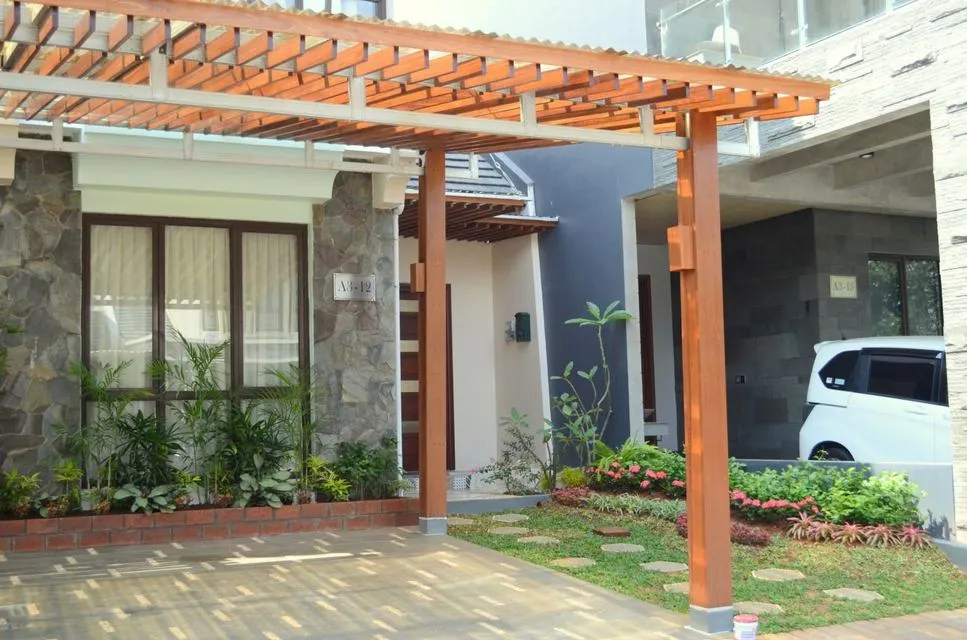
The challenge of designing a comfortable and aesthetically pleasing semi-enclosed carport in tropical regions, where intense heat and humidity are constants, often leads to spaces that resemble ovens rather than functional extensions of a home. Addressing this pervasive issue requires a nuanced approach that integrates advanced ventilation techniques, heat-resistant materials, and biophilic design principles. Homeowners frequently report issues with carports becoming heat traps, leading to accelerated wear and tear on vehicles, discomfort, and an undesirable increase in the ambient temperature of adjacent living areas. This article delves into expert-recommended strategies to transform a hot, stagnant carport into a cool, well-ventilated, and visually appealing semi-enclosed space, emphasizing solutions that prioritize both thermal comfort and privacy.
The Challenge of Urban Heat: Why Carports Overheat
The primary culprit behind overheated carports is often a combination of inadequate airflow and materials that absorb and radiate heat. In many tropical urban environments, the "urban heat island" effect exacerbates this, where concrete, asphalt, and building materials absorb solar radiation and re-emit it as heat, raising ambient temperatures significantly. Carports, especially those enclosed by solid walls and topped with non-ventilated roofs, become micro-urban heat islands. The inherent properties of hot air, which naturally rises, mean that if a canopy lacks proper exhaust points, heat becomes trapped, constantly reflecting downwards. Furthermore, solid perimeter walls block horizontal air currents, creating stagnant pockets of hot air.
The implications extend beyond mere discomfort. Prolonged exposure to high temperatures can accelerate the fading of vehicle paint, degrade interior plastics and electronics, and even impact tire longevity. Moreover, the heat absorbed by carport walls can transfer directly to the main house structure, raising internal room temperatures and increasing reliance on air conditioning, thereby escalating energy consumption and utility bills. A survey conducted in Southeast Asian cities indicated that average carport temperatures could be 5-10°C higher than the ambient outdoor temperature during peak sun hours, directly contributing to household cooling loads. This phenomenon underscores the critical need for thoughtful design in these transitional zones.
Strategic Ventilation: Breaking the Heat Trap

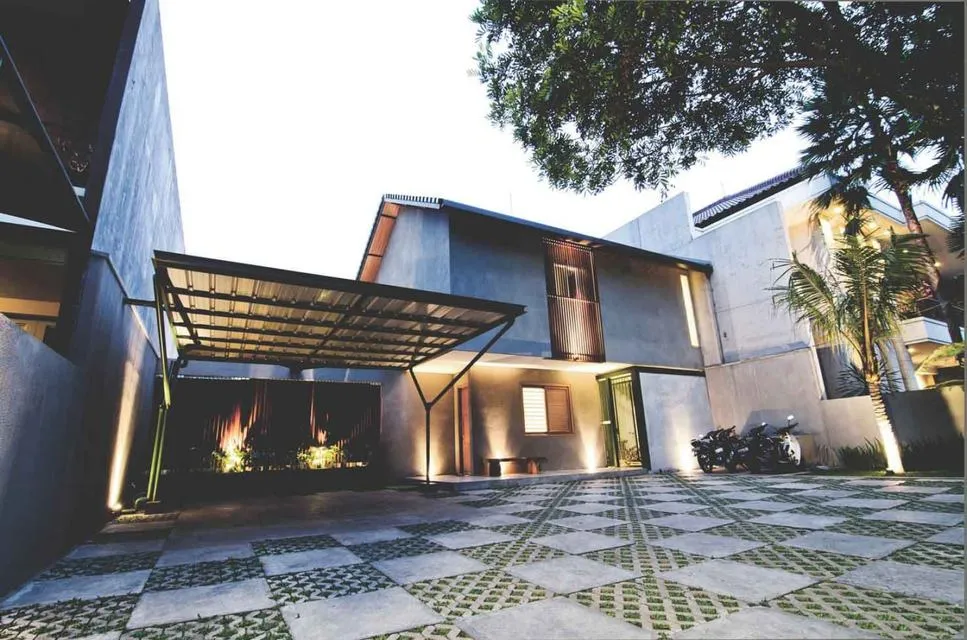
Effective ventilation is the cornerstone of a cool carport. The goal is to facilitate cross-ventilation, allowing fresh air to enter and hot, stale air to exit continuously. This doesn’t necessitate dismantling existing high privacy fences entirely; rather, it involves strategic modifications. Replacing a portion of solid perimeter walls with permeable materials such as concrete rosters (breezeblocks), wooden grids (trellis), or perforated metal panels immediately introduces pathways for airflow. These elements not only break up stagnant air but also provide a degree of privacy without completely isolating the space from the external environment.
Architects specializing in tropical design often emphasize the importance of understanding prevailing wind directions. For properties facing west, where afternoon sun is most intense, incorporating angled louvres or fins into the permeable sections of the fence can effectively deflect harsh glare while still permitting air circulation. A typical angle of 45 degrees is recommended to block direct sunlight without impeding airflow. Beyond vertical surfaces, the roof structure itself plays a crucial role. Creating a gap of approximately 30 centimeters between the edge of the canopy and the main house wall acts as a natural chimney, allowing rising hot air to escape before it can enter the home’s interior. This simple yet effective technique has been shown to reduce temperatures on adjacent terraces by several degrees Celsius. Furthermore, incorporating operable louvre systems or retractable shade structures in the canopy can provide flexible control over sunlight and ventilation, adapting to daily weather changes.
Advanced Roofing Solutions for Thermal Comfort
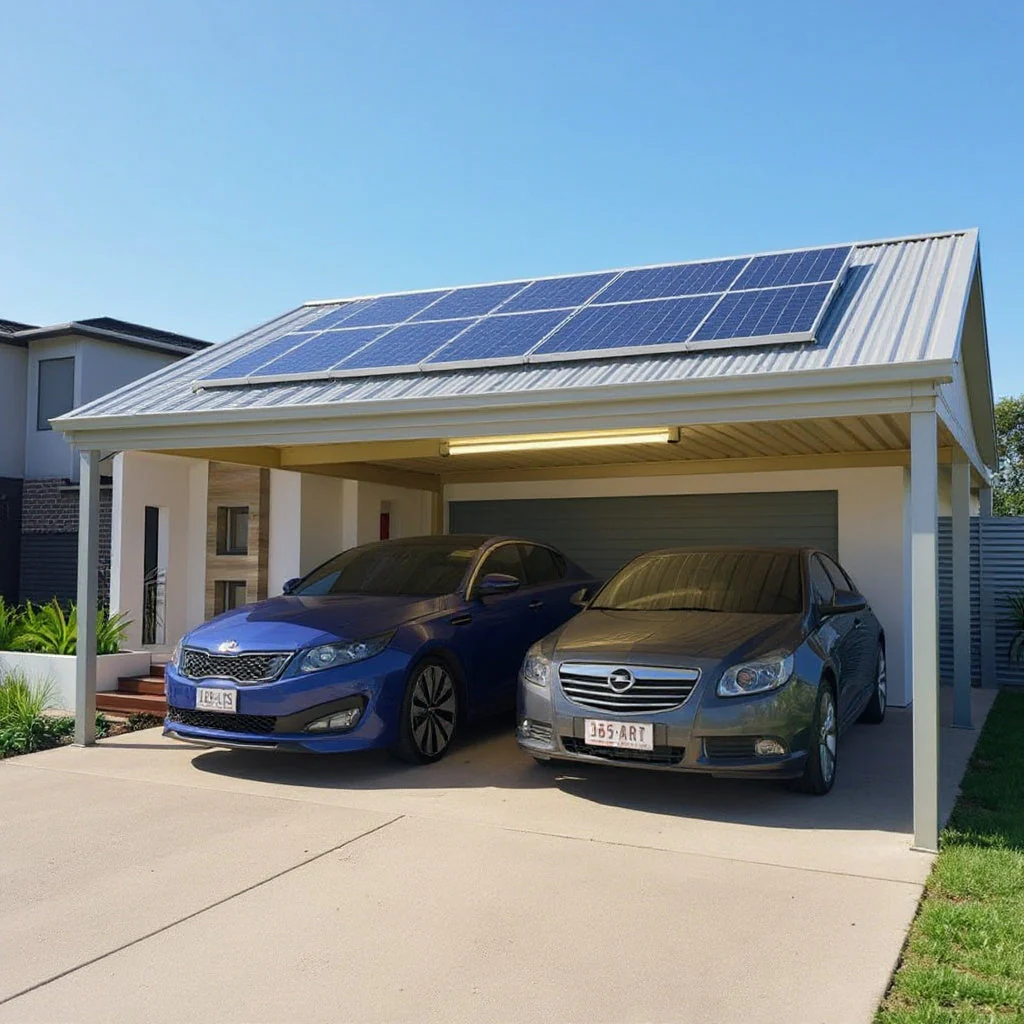
The choice of roofing material is paramount in preventing the "greenhouse effect" often observed in carports. Traditional transparent materials like tempered glass or clear polycarbonate, while aesthetically appealing, allow the full spectrum of UV radiation and heat to penetrate, turning the carport floor into a heat sink. This heat is then radiated back into the space, contributing to the overall discomfort. Data from building science institutes indicates that certain transparent materials can transmit up to 80-90% of solar radiation, whereas opaque, insulated materials can reduce this to less than 10%.
For tropical climates, heat-reflective and insulating materials are strongly recommended. UPVC (Unplasticized Polyvinyl Chloride) roofing, particularly double-walled variants, offers an excellent solution. The hollow core of UPVC panels provides an insulating air gap that effectively dampens heat transfer and significantly reduces noise from rain. For those who prefer some natural light, strategically inserting a few transparent polycarbonate sheets between UPVC panels can balance light transmission with thermal performance.
For carports with existing glass roofs, complete replacement may not be feasible. In such cases, several mitigation strategies can be employed. Applying heat-rejecting window films, similar to those used on car windows, can block a significant portion of solar radiation without altering the structural integrity of the roof. Another effective method involves installing a secondary layer of shading beneath the glass. This could be a suspended system of wooden battens that cast dappled shadows, a retractable canvas awning, or a permanent mesh shade fabric (paranet). These solutions intercept solar radiation before it reaches the carport floor, significantly lowering surface temperatures and improving overall comfort.

Biophilic Design: Integrating Greenery for Natural Cooling
Integrating natural elements through biophilic design is a powerful and aesthetically pleasing way to enhance thermal comfort. Plants contribute to cooling through evapotranspiration, a process where water vapor is released from leaves, which naturally cools the surrounding air. Beyond temperature regulation, plants improve air quality by absorbing pollutants and releasing oxygen, crucial in areas exposed to vehicle emissions.
Vertical gardens, utilizing climbing plants such as Lee Kuan Yew vines, sirih gading (devil’s ivy), or various ferns, can be installed on solid walls or woven through permeable screens. These living walls act as natural filters for hot, dusty air from the street and provide additional shading. The dense foliage of climbing plants can reduce surface temperatures of walls by as much as 10-15°C, according to studies on green infrastructure. For any available ground space, incorporating small shade trees like Pucuk Merah (Syzygium myrtifolium) or similar species with non-invasive root systems can provide substantial overhead shading.
To prevent root damage to existing structures, plants should ideally be housed in purpose-built planter boxes made of concrete or other durable materials, separated from the main floor slab. These planter boxes, typically around 40-50 centimeters high, should include adequate drainage directed away from the carport area. For wall-mounted plants, sturdy racks or individual pots can create a dynamic green facade that absorbs heat radiation from the walls, further contributing to a cooler environment.
Optimizing Layout and Storage for Functionality and Aesthetics
Beyond thermal considerations, a well-designed carport must also be functional and visually appealing. Clutter is a common issue, with items like helmets, shoes, and cleaning supplies often left scattered, detracting from the home’s facade. Integrated, concealed storage solutions are essential for maintaining a tidy and spacious feel. Custom-built cabinets made from weather-resistant materials like aluminum plating or exterior-grade wood can house tools, cleaning supplies, and other paraphernalia, keeping the space streamlined. Even utilities like outdoor faucets and hoses can be hidden within discreet enclosures. A visually uncluttered carport mentally contributes to a sense of openness and coolness.

The physical layout and dimensions of the carport also significantly impact airflow. A common mistake is to design a carport barely large enough to fit the vehicle, leaving no room for air circulation. For a single SUV, a minimum width of 3 meters and a length of 5 meters is recommended to allow for adequate space around the vehicle. This crucial gap, ideally 50 centimeters between the car body and any adjacent walls or permeable fences, acts as a vital air corridor, facilitating the dissipation of heat from a recently used engine. Incorporating patterned flooring, such as a combination of rough-textured tiles and decorative gravel strips, can visually extend the space and add to its aesthetic appeal, while also potentially aiding in surface water drainage.
Illumination: Enhancing Ambiance and Safety
Lighting design plays a critical role in both the functionality and ambiance of a carport, especially during evening hours. Harsh, bright white fluorescent lights often create a stark, uninviting atmosphere and can highlight dust and imperfections. A more sophisticated approach involves layering light, combining general illumination with accent lighting.
Warm white downlights (2700K-3000K color temperature) recessed into the canopy ceiling provide a soft, inviting glow that complements the natural textures of wood, concrete rosters, and plant life. This type of lighting creates a warm and welcoming impression for the home’s facade. To highlight specific architectural features or the permeable textures of the walls, up-lights strategically placed on the ground, shining upwards, can create dramatic shadows and depth. For safety and ease of vehicle maneuvering in the dark, discreet step lights or low-level pathway lighting along the edges of the parking area are invaluable, reducing the need for powerful overhead lights. It is crucial that all outdoor lighting fixtures carry an IP65 rating, guaranteeing their resistance to dust and water, ensuring longevity and safety in outdoor conditions.
Long-Term Durability and Maintenance
Maintaining a cool and attractive semi-enclosed carport requires a routine of care and attention to detail. Permeable walls, while excellent for ventilation, can allow street dust to enter. Easy access to water faucets and electrical outlets is essential for regular cleaning. Hosing down floors and rinsing permeable screens helps keep the area fresh and reduces dust accumulation.

Exterior surfaces, particularly walls and fences, are exposed to the elements and susceptible to wear and tear from alternating sun and rain. Utilizing high-quality exterior paints with weather-protective coatings ensures color retention and prevents peeling. Regular inspection and cleaning of roof gutters are also vital. Clogged gutters, often filled with leaves and debris, can lead to water overflow, potentially causing leaks into the carport ceiling and damaging finishes.
For integrated plant elements, consistent care is paramount. Fast-growing climbing plants like Lee Kuan Yew vines require monthly pruning to maintain their shape and prevent them from becoming overgrown or obstructing vehicle access. Plants in planter boxes, with their limited root spread, need supplemental nutrition; replenishing compost or organic fertilizers every three months is recommended. Automated drip irrigation systems with timers are an efficient way to ensure consistent watering, preventing plants from wilting, especially during dry spells, and preserving the lush, cooling effect of the greenery.
Expert Perspectives and Industry Trends
The shift towards designing thermally comfortable carports reflects a broader trend in sustainable architecture and urban planning. Architects like [Hypothetical Architect Name], a specialist in tropical design, emphasize, "The carport is often the first point of contact with a home. Its design significantly impacts the microclimate of the entire property. By strategically integrating passive cooling techniques, we can drastically reduce heat load and improve the livability of homes without relying on energy-intensive solutions." This sentiment is echoed by homeowners who increasingly seek practical and eco-friendly solutions to mitigate the effects of climate change on their living spaces.
The economic implications are also noteworthy. A well-designed, cool carport not only extends the life of a vehicle but also contributes to the overall energy efficiency of a household. By creating a cooler buffer zone, the demand on indoor air conditioning systems is lessened, translating into tangible savings on electricity bills. Furthermore, aesthetically pleasing and functionally superior carports can increase property value, making them an attractive feature in the competitive real estate market. The integration of advanced materials, smart ventilation, and biophilic elements in carport design is no longer a luxury but a necessity, reflecting a growing consciousness for environmental stewardship and enhanced quality of life in tropical urban settings.
In conclusion, transforming an oppressive, hot garage into a cool, semi-enclosed carport is a multi-faceted design endeavor that centers on intelligent air management. The integration of permeable wall elements like rosters or wooden grids, coupled with heat-resistant roofing materials and the strategic use of natural greenery, successfully mitigates heat buildup in this critical transitional area. By carefully planning the structure, materials, and living elements from the outset, homeowners can effectively eliminate the risk of having a parking space that feels like an oven, creating a comfortable, sustainable, and visually appealing entrance to their home.

This article was compiled by the architectural and landscape design experts at InteriorDesign.ID. Always consult with a professional contractor and architect before undertaking any structural modifications to your residential property.