Lina Irawan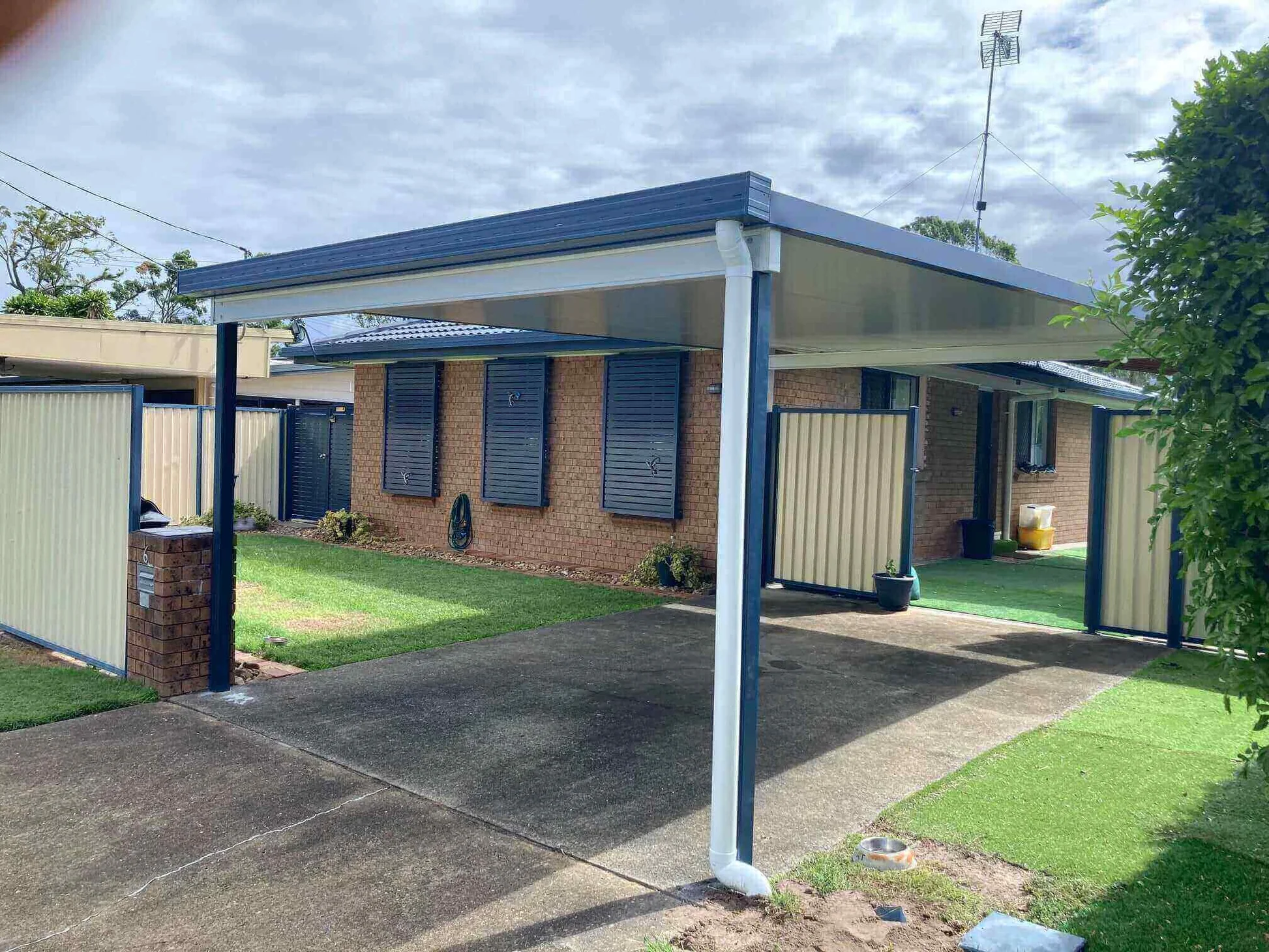
The exterior presentation of a home, particularly its carport and front facade, plays a pivotal role in shaping immediate perceptions and significantly impacting property value. Far from being merely a functional space for vehicles, the carport is an integral architectural composition that, when meticulously designed, can dramatically elevate a property’s curb appeal. This visual allure is a sophisticated blend of harmonious colors, cohesive design lines, and seamless material transitions from the property’s boundary to the main entrance.
Many homeowners often overlook the parking area, relegating it to a residual space. However, real estate experts consistently highlight that the initial impression a home makes is largely dictated by its front-facing aesthetics. A well-conceived exterior structure, including the carport, integrates seamlessly with the primary dwelling, presenting a unified and inviting facade. The team at InteriorDesign.ID unequivocally stresses the paramount importance of exterior spaces, asserting that a thoughtfully curated home exterior is not an expenditure but a tangible investment, capable of appreciating a property’s market value. Renovation of the facade is considered a real asset enhancement, not a frivolous expense.
Before embarking on any facade alterations, it is crucial to grasp the fundamental concept of curb appeal in carport design. The emphasis should always be on how each material and design element interconnects fluidly, rather than on the arbitrary accumulation of decorative items. This holistic approach ensures a cohesive and sophisticated visual narrative for the entire property.
The Carport Facade: A Gateway to Perceived Quality
When potential buyers or guests approach a property, their gaze instinctively sweeps across the parking area towards the main entrance and beyond. Any disarray, visual clutter, or clashing materials in the carport can instantly diminish their perception of the entire home’s quality. This initial judgment, often formed within seconds, profoundly influences subsequent impressions of the interior.
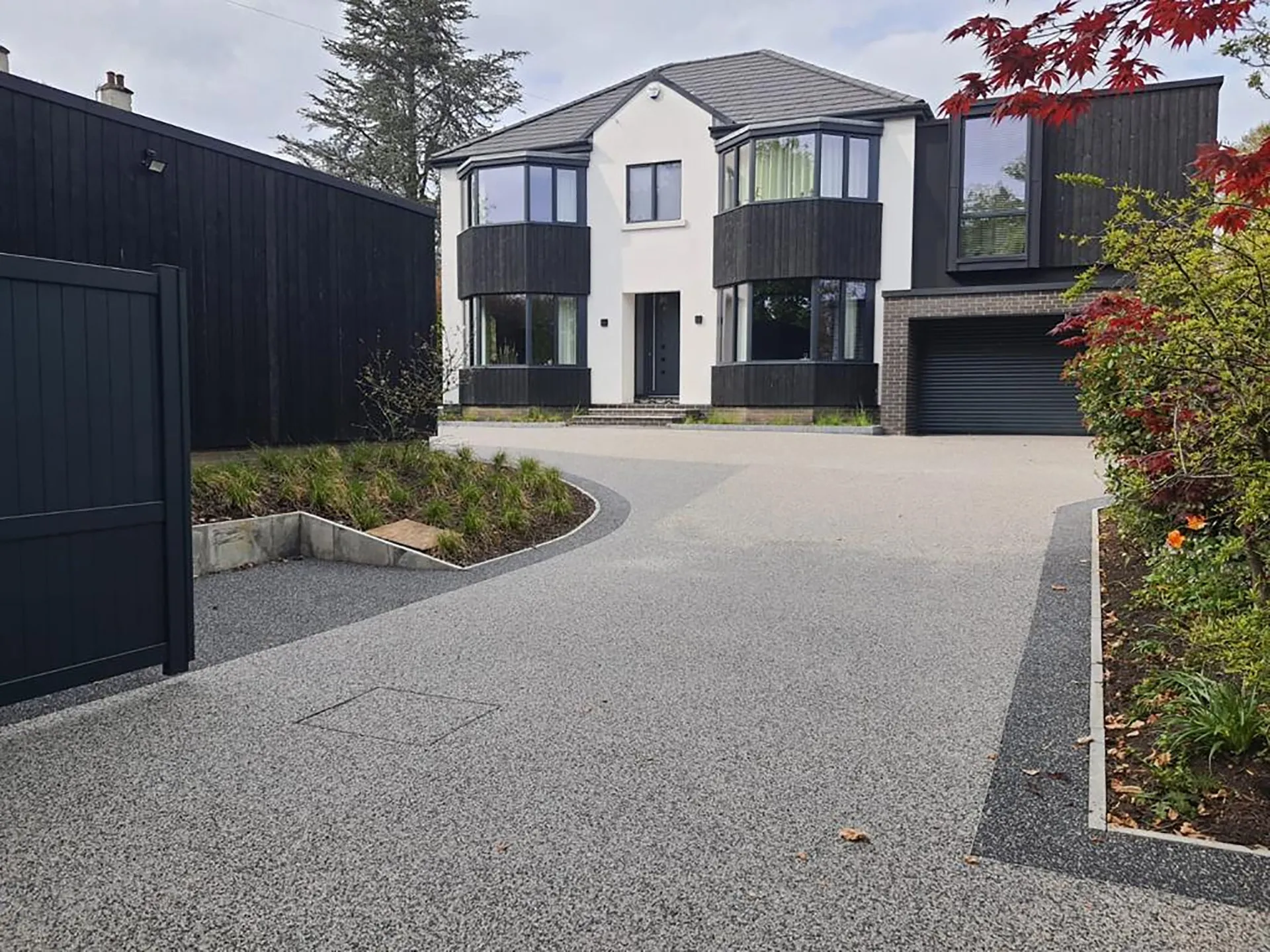
The contemporary trend of cluster housing, where properties frequently forgo physical fences, further amplifies the carport’s visibility. In such environments, the carport directly confronts the public street, necessitating an even more meticulous visual plan. The transition between hardscaping elements, such as the driveway floor, and surrounding softscaping, like plants and garden beds, must be impeccably organized. The primary objective is to subtly guide visitors from the public thoroughfare into the home’s private domain with a natural, elegant flow.
Seamless Material Transitions: Crafting a Refined Facade

A truly distinguished facade is characterized by the smooth, uninterrupted flow of materials from the exterior to the interior. Abrupt material changes without transitional elements can create visual discord and detract from the home’s overall elegance. For instance, if Ulin wood is used for the main gate or fence, incorporating this same wood element elsewhere, such as in the canopy ceiling or the main door handle, creates a sense of continuity. This repetition of materials is visually comforting and lends a cohesive, polished look.
To maintain visual harmony, design specialists recommend limiting the primary material palette for the front facade to a maximum of three types. A judicious combination of natural stone, metal (like iron or steel), and a touch of wood often suffices to achieve a sophisticated aesthetic without overwhelming the viewer. An excessive variety of materials can lead to a cluttered and visually ‘noisy’ front area. When materials are chosen and applied cohesively, they naturally draw the eye towards the main entrance, transforming the carport into a metaphorical red carpet that gracefully ushers guests into the home.
The Psychology of Color: A Flowing Facade Palette
Color selection for the exterior facade extends beyond merely following transient trends; it demands careful consideration of natural light reflection and the inherent character of the building. A widely adopted guideline for exterior color schemes is the 60-30-10 rule. This principle suggests dedicating 60% of the area to a dominant base color for walls, 30% to a secondary color for elements like the canopy and fence, and the remaining 10% for accentuating features such as the main door.
Earth tones, including various shades of grey, cream, or terracotta brown, are particularly effective in conveying an impression of timeless elegance. These natural palettes also possess the practical advantage of subtly concealing road dust and grime, maintaining a cleaner appearance over time. Conversely, the use of overly vibrant primary colors for the main carport structure is generally discouraged. Such striking hues can overpower and inadvertently obscure the intricate architectural details of the home, leading to a less refined aesthetic.
Foundation of Style: Integrating Carport and Terrace Flooring
The choice of flooring, often an overlooked aspect, is critical in defining the overall aesthetic of the front facade. When the carport flooring seamlessly transitions into the front terrace, it creates a powerful illusion of expanded space. While maintaining appropriate drainage, the height differential between these areas should be minimized and designed with utmost subtlety.
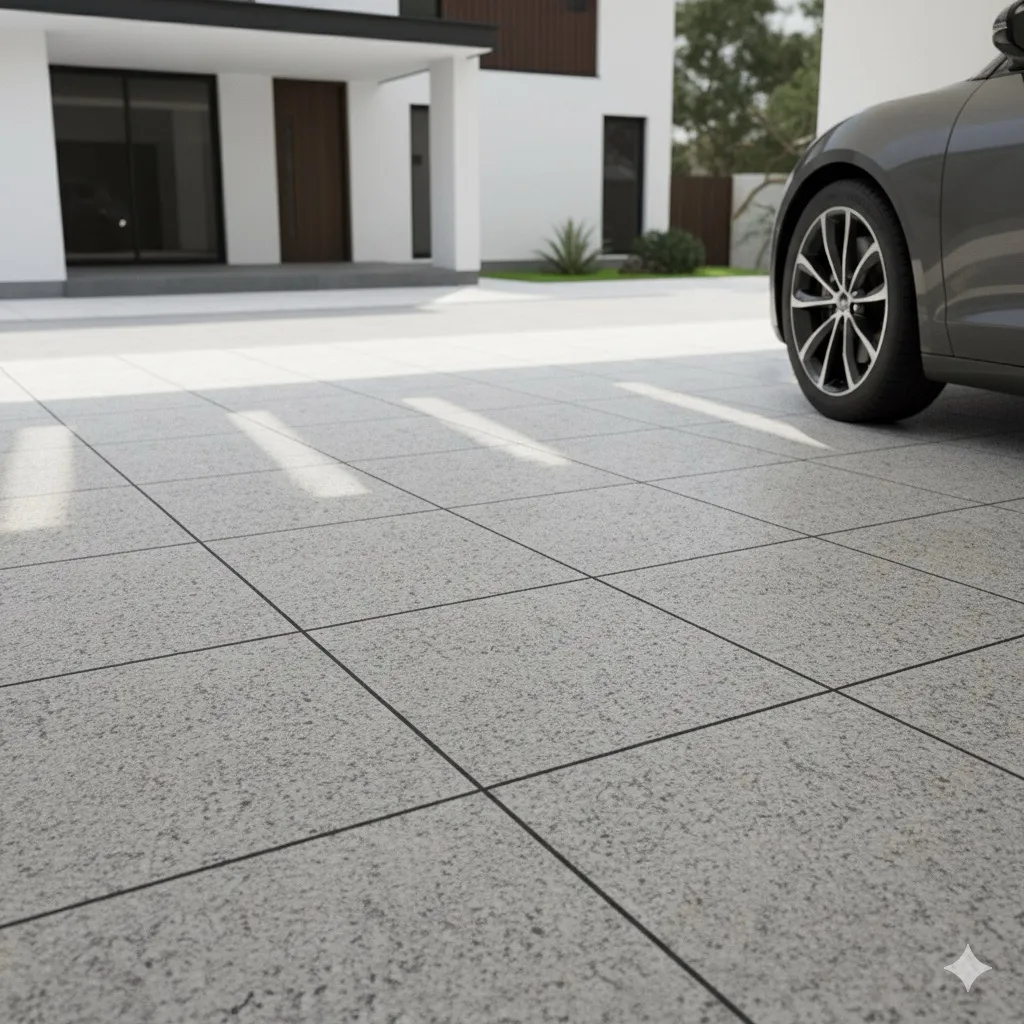
The materials selected for carport flooring must possess exceptional durability to withstand vehicle weight and offer superior slip resistance, especially when wet. Functional and aesthetically pleasing options include textured materials like burnt andesite stone or brushed coral aggregate. Their inherent rough textures effectively prevent tires and footwear from slipping. For a more contemporary appeal, large-format exterior tiles are an excellent choice. Opting for tiles measuring 60×60 cm or larger helps to minimize grout lines, contributing to a sleek, expansive look. Harmonizing the color of the carport tiles to be slightly darker than the terrace flooring can further enhance this spatial continuity.

The boundary between the parking area and the terrace need not be a rigid, straight line. Creative design techniques, such as incorporating brick patterns or inserting strips of artificial grass, can introduce visual breaks that soften the transition and add character.
Avoiding Common Flooring Pitfalls: A critical consideration is safety. Using indoor ceramic tiles in an outdoor setting, regardless of their aesthetic appeal, is a significant safety hazard due as they become extremely slippery when exposed to rain. Family safety should always supersede mere visual preference. Furthermore, it is imperative to calculate the load-bearing capacity of the flooring. A reinforced concrete slab with wire mesh should form the base layer. Only after this base has adequately cured should the chosen surface material be installed, ensuring long-term structural integrity and safety.
Beyond Shelter: The Carport Canopy as a Design Statement
Modern canopies transcend their basic function as protective roofs; they are now considered primary contributors to a home’s exterior aesthetics. The design of the carport canopy must intrinsically integrate with the architectural style of the house, avoiding the appearance of a temporary or tacked-on addition.
Lightweight steel (baja ringan) is a popular material choice due to its resistance to rust and termites, as well as its inherent lightness. However, when left exposed, its structural framework can sometimes appear overtly industrial. A clever design strategy is to encase this structure to give it a more substantial and integrated look. Wrapping the lightweight steel posts with GRC (Glassfibre Reinforced Cement) boards and painting them to match the wall color can achieve a seamless effect. Alternatively, using Wood Plastic Composite (WPC) panels can introduce a natural wood aesthetic without the maintenance challenges of real timber.
For the roofing material, options like frosted tempered glass or solid grey polycarbonate are ideal. These materials effectively diffuse heat while allowing a pleasant, natural light to permeate the space, creating a bright yet comfortable environment. UPVC roofing with air pockets is another robust option, particularly suited for tropical climates, as it offers superior heat and sound insulation compared to standard polycarbonate.
Integrated Drainage Systems: A refined design prioritizes visual cleanliness, meaning unsightly rainwater downpipes should be concealed. This can be achieved by embedding gutters within supporting pillars or integrating PVC pipes directly into structural columns. Minimalist carport roofs often feature a single-direction slope; this necessary incline can be discreetly hidden behind an upper boundary wall, creating the illusion of a sleek, flat roofline.
Illuminating the Facade: Strategic Outdoor Lighting Design

Without thoughtful outdoor lighting, even the most exquisitely designed home facade can disappear into the night. Outdoor lighting serves to highlight textural details, accentuate materials, and enhance safety and ambiance. Its strategic placement is paramount.
Outdoor lighting typically falls into three categories: ambient, task, and accent lighting. Ambient lighting, installed in the carport ceiling, provides general illumination for safety and visibility. Using wide-beam LED lights ensures broad light distribution. Task lighting focuses on specific areas requiring clear visibility, such as keyholes or pathways. Step lights integrated along the edge of the carport floor are crucial for preventing stumbles in the dark and defining spatial boundaries. Accent lighting, such as uplights or downlights on main pillars, is used to dramatically expose the rough textures of natural stone or the nuanced surfaces of walls, adding depth and visual interest.
Choosing the Right Light Color Temperature: The choice of light color temperature significantly influences the mood and perception of the facade. Warm white light, typically in the range of 2700K to 3000K, imparts a welcoming, calming, and sophisticated impression. Conversely, bright bluish-white "daylight" (typically 5000K+) should be avoided in front facade areas, as it can make a home appear stark, clinical, and less inviting.
Harmony in Form: Rhythm, Lines, and Proportion
A well-proportioned facade exhibits a rhythmic regularity in its design lines. These lines, whether in the form of wooden trellises or the structural framework of a canopy, subtly guide the viewer’s eye. Horizontal lines create an illusion of width and stability, making them suitable for fence designs. In contrast, vertical lines, often seen in pillars, can make a building appear taller and more imposing.
Crucially, the scale and proportion of the parking area, canopy height, and main entrance must be carefully balanced. An oversized canopy, for instance, can inadvertently dwarf the main house, disrupting the overall visual harmony and making the property appear less substantial than it is. Architectural consistency is key; the design language of the carport should echo and complement the home’s overarching architectural style.
Designing for Urban Constraints: Maximizing Small Spaces
In densely populated urban areas, parking spaces are frequently constrained, presenting a significant design challenge. In such scenarios, innovative solutions are required. It is advisable to avoid mirrors or highly reflective materials, as their intense glare can be disruptive to passersby or adjacent properties.

To soften the often-harsh impression of concrete-dominated facades, incorporating climbing plants on boundary walls is an excellent strategy. The lush foliage introduces organic textures and vibrant greenery, creating a more inviting atmosphere. Large, obstructive pillars should be minimized or eliminated to facilitate easier vehicle maneuvering. A cantilevered (hanging) carport, anchored directly to the house wall, offers a practical, space-saving solution. Additionally, slim, wall-mounted storage units, camouflaged with paint matching the surrounding wall, can discreetly house car washing equipment or other necessities without encroaching on valuable space.
Common Mistakes in Carport Facade Design
Even with the best intentions, homeowners sometimes make missteps during execution. A frequent error is clashing architectural styles. Installing an ornate, classical arched canopy on a minimalist modern home, for example, will inevitably create visual chaos and undermine the facade’s aesthetic integrity.
Another common oversight is neglecting proper rainwater management. Allowing rainwater to fall freely from the canopy roof can lead to gradual damage to the flooring, staining of wall paint, and potential erosion. Furthermore, attempting to economize by selecting substandard, thin lightweight steel frames can result in structural instability. During heavy rainfall, such roofs may vibrate excessively and produce disruptive noise, compromising both comfort and safety.
Finally, regular maintenance is often underestimated. Scheduling routine cleaning, such as pressure washing the floor and roof at least once a month, is crucial to prevent road dust and environmental pollutants from degrading material colors and accelerating wear.
The Tangible Return: Elevating Property Investment through Curb Appeal
A meticulously designed curb appeal carport has a direct and profound impact on a property’s resale value. Prospective buyers typically form their initial judgment within the first 15 seconds of viewing a home’s exterior. If the facade appears neglected or poorly designed, they are more likely to approach the interior viewing with a critical eye, actively seeking out flaws.
Investing in durable and low-maintenance materials for the carport and facade adds significant intrinsic value. Materials with weather-resistant specifications are highly attractive selling points for discerning buyers. Moreover, maintaining a comprehensive record of the renovation process, including photographs and vendor warranties, serves as compelling evidence of the building’s quality, strengthening your negotiation position during a sale. A home with a distinct and well-executed facade often becomes a visual benchmark within its neighborhood, enhancing its desirability and market standing.

Expert Insights: FAQs on Curb Appeal Carport Design
1. What is an ideal budget for a carport facade renovation?
Allocate approximately 5-10% of the property’s estimated market value for a comprehensive carport facade renovation. This budget range is generally sufficient to cover the replacement of flooring, installation of a lightweight steel canopy, and implementation of appropriate outdoor lighting. For a property valued at $500,000, this could mean an investment of $25,000 to $50,000, yielding a significant return in aesthetic appeal and property value.
2. Is it necessary to repaint the entire house during a carport renovation?
Not necessarily. To ensure visual cohesion, simply select one of the existing colors from the old house palette and apply it to the new carport structure. This strategy integrates the new elements seamlessly with the existing architecture without the extensive cost and effort of a full repaint. However, if the existing paint is faded or damaged, a full repaint might be a wise investment to maximize the impact of the renovation.
3. Which canopy material is most durable in a tropical climate?
UPVC roofing with integrated air pockets is an exceptionally robust option for tropical climates. This material excels at attenuating both heat transfer and rain noise, outperforming standard polycarbonate in these aspects. Its UV resistance also ensures longevity and color stability under intense sun. Other suitable options include insulated sandwich panels or specific grades of aluminum composite panels that offer superior thermal performance.
4. How can I effectively manage differing floor heights between the carport and terrace?
The most elegant solution is to incorporate wide, shallow steps. To enhance safety and clearly define the boundary at night, install discreet LED strip lighting beneath the lip of each step. This provides a soft, ambient glow that guides movement and adds a touch of modern sophistication. Alternatively, a subtle ramp with a gentle gradient can also facilitate a smooth transition, especially for accessibility.
5. What role does landscaping play in carport curb appeal?
Landscaping is paramount. Integrating low-maintenance plants, strategic planters, or even a small patch of well-manicured lawn around the carport can soften hard lines, add color, and create a more welcoming atmosphere. Vertical gardens on adjacent walls can maximize greenery in limited spaces, while thoughtfully placed trees can offer natural shade and improve air quality.
6. Should I consider smart home integration for my carport?
Absolutely. Integrating smart lighting (motion-activated, programmable), automated gate systems, or even EV charging stations can significantly enhance both convenience and property value. These features appeal to tech-savvy buyers and future-proof the property.