Lina Irawan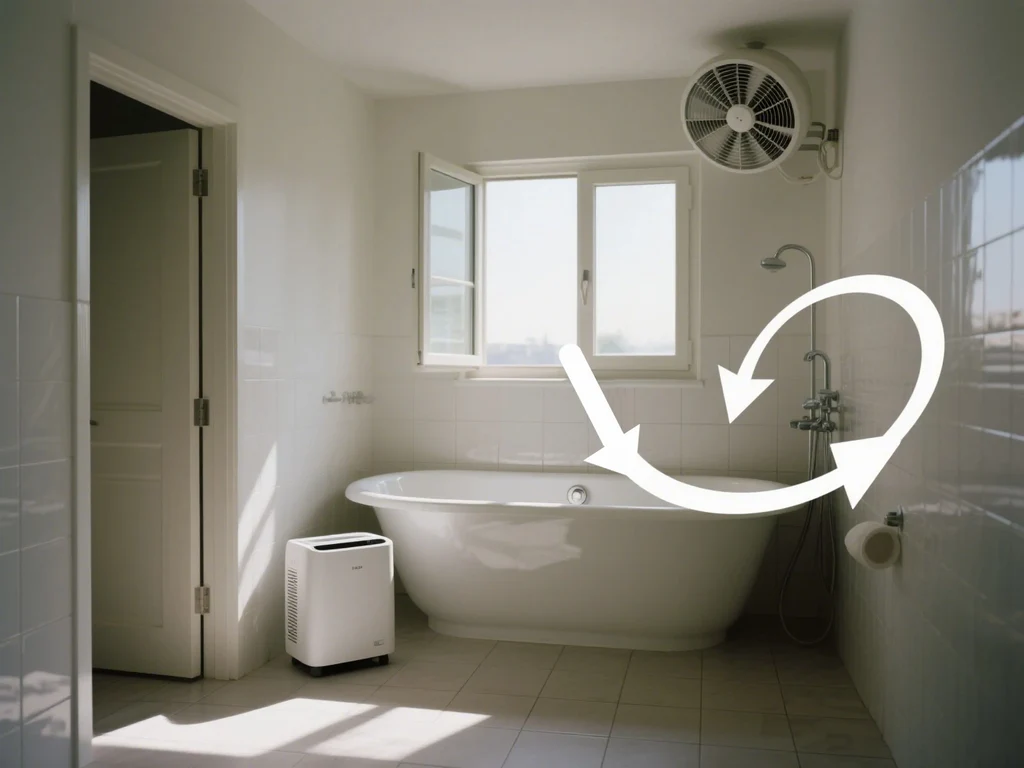
The pursuit of an easy-to-clean bathroom is fundamentally a matter of technical specification, not merely a choice of ceramic tile color. The cornerstone lies in selecting surface finishes with minimal grout lines, effectively separating wet and dry zones, and installing active mechanical ventilation with appropriate extraction power. Too often, homeowners and even some contractors prioritize visual trends, overlooking the critical long-term impact of steam, moisture, and daily use on materials and surfaces. This oversight frequently leads to premature deterioration, persistent grime, and an endless cycle of arduous cleaning.
Industry experts at InteriorDesign.ID routinely observe bathrooms that succumb to damage and perpetual uncleanliness purely due to inadequate foundational material choices and design specifications from the outset. Many consumers, captivated by contemporary minimalist aesthetics or trending color palettes, inadvertently compromise the functional longevity and ease of maintenance of their bathrooms. This article aims to cut through the aesthetic discussions and delve directly into the technical specifications that every discerning homeowner should demand from their builder or contractor to ensure a truly low-maintenance and hygienic bathroom environment.
The Persistent Challenge: Why Bathrooms Get Dirty Quickly
Bathrooms, by their very nature, are the most humid environments within a home, creating a unique set of challenges for cleanliness and material durability. The pervasive steam generated from hot showers and baths adheres to mirrors, walls, and ceilings. In the absence of efficient air circulation, this steam condenses into persistent moisture, creating an ideal breeding ground for mold, mildew, and bacteria. According to a 2022 study by the Environmental Protection Agency (EPA), high indoor humidity levels, particularly above 60%, significantly increase the risk of mold growth, which can lead to respiratory issues and allergic reactions.
Adding to this atmospheric challenge are the daily residues of soap, shampoo, and body oils. As these substances are rinsed away, they mix with hard water minerals and readily cling to porous surfaces and crevices, especially along cementitious grout lines. The smaller the ceramic tiles used, the greater the number of grout lines, exponentially increasing the surface area for grime accumulation and requiring more intensive scrubbing. Furthermore, traditional bathroom layouts that merge shower areas, toilets, and washbasins without proper floor elevation changes exacerbate the problem. A single shower can splash water across the entire room, turning dust and debris from the dry area into a muddy film that settles everywhere. This lack of clear demarcation means that the entire bathroom often requires frequent, thorough cleaning, consuming valuable time and effort.

Minimizing Grout Lines: The First Line of Defense Against Grime
The cementitious grout line is arguably the primary culprit in bathroom maintenance. Its inherent porosity readily absorbs water, soap scum, and dirt, which over time discolors, turning yellow, brown, or black, and becomes notoriously difficult to clean. To combat this, a fundamental shift in material selection for wall and floor coverings is essential:
-
Large Format Tiles: The era of 30×30 cm or 40×40 cm ceramic tiles, with their myriad grout lines, is giving way to large format porcelain slabs. For shower areas, tiles measuring at least 60×120 cm are recommended. For those with a more generous budget, monumental slabs of 120×240 cm offer superior benefits, capable of covering an entire wall from floor to ceiling with a single, unbroken piece. Porcelain, particularly in large formats, boasts an exceptionally low water absorption rate (typically less than 0.5%), making surfaces incredibly easy to dry and clean with a simple squeegee. This not only enhances hygiene but also creates a more expansive and luxurious aesthetic. Market data from leading tile manufacturers indicates a steady increase in demand for large format porcelain tiles, with year-on-year growth projected at 8-12% globally, driven by both aesthetic preferences and functional benefits.
-
Microcement: The Seamless Solution: For an entirely seamless, grout-free surface, microcement presents an innovative and highly effective alternative. This advanced material comprises a blend of pure cement and polymer resins, applied in multiple thin layers directly onto the floor and seamlessly continuing up the walls. The absence of any joints or grout lines eliminates all potential traps for dirt and moisture. In its final stage, the microcement surface is sealed with a polyurethane topcoat, rendering it completely waterproof and highly durable. This creates a monolithic, contemporary look that is incredibly easy to wipe down and maintain. While requiring specialized application, the long-term maintenance benefits are substantial.
-
Epoxy Grout: The Superior Sealer: Even with large format tiles, some minimal joints will remain. It is crucial to ensure that contractors do not fill these gaps with standard cementitious grout. Instead, specify epoxy grout. Composed of resin-based materials, epoxy grout is entirely non-porous, making it impermeable to water, soap, and stains. While the initial cost of epoxy grout is notably higher—often 50-70% more than standard grout—its benefits far outweigh the investment. It will not darken or blacken over time, and any accumulated dirt or soap scum can be easily wiped away without the need for harsh chemicals or abrasive scrubbing, preserving the pristine appearance of the bathroom for years. A 2021 survey among professional cleaners revealed that bathrooms with epoxy grout required 30% less time for routine cleaning compared to those with traditional grout.
Strategic Wet and Dry Zone Separation: Containment is Key

A critical design principle for an easy-to-clean bathroom is the clear and effective separation of wet and dry zones. Blending the shower area with the toilet and vanity zones invites splashes that carry dust and debris, transforming the entire bathroom floor into a dirty, slippery surface.
-
Drop Floors and Optimal Sloping: To prevent water seepage and ensure efficient drainage, the floor of the shower area must be lowered by approximately 2 to 5 cm (a "drop floor"). This method is significantly safer and more effective than creating raised ceramic curbs, which pose a tripping hazard. Furthermore, the shower floor must be cast with a precise slope of 1.5 to 2 percent, directing all water efficiently towards the drain. This ensures that soapy water drains quickly before it can harden into stubborn mineral deposits and soap scum, which are notoriously difficult to remove.
-
Frameless Tempered Glass Enclosures: Utilize 8-10 mm thick frameless tempered glass as a shower partition. The absence of an aluminum frame eliminates another common collection point for dirt, soap scum, and mildew. To further reduce water spotting and simplify cleaning, consider ordering glass that has been treated with a hydrophobic coating. This specialized treatment causes water to bead up and run off the surface, significantly minimizing the need for daily wiping. Major glass manufacturers report that hydrophobic coatings can reduce cleaning frequency by up to 70%.
-
Linear Floor Drains: Enhanced Drainage and Aesthetics: Discard the conventional, small, circular floor drains. Modern plumbing specifications advocate for the use of linear floor drains, which are elongated, channel-shaped drainage systems. Linear drains possess a significantly larger capacity for water intake, effectively preventing pooling, especially when using high-volume rain showers. Positioned along the edge of the shower area, linear drains allow contractors to create a single, consistent slope towards the drain, eliminating the need for complex four-way tiling slopes often required by central circular drains. For an even more seamless look, opt for a "tile insert" model, where the drain cover can be fitted with the same flooring tile, making the drain virtually invisible and exceptionally easy to sweep or rinse clean.
Active Mechanical Ventilation: The Battle Against Humidity
Relying solely on a small window (bovenlicht) is rarely sufficient to evacuate the high levels of humidity inherent in a bathroom. Inadequate ventilation leads to a host of problems: peeling paint on ceilings, rusted door hinges, musty odors, and persistent mold growth. An active mechanical ventilation system, specifically an exhaust fan, is indispensable.

-
Sizing and Power (CFM): The efficacy of an exhaust fan is measured in Cubic Feet per Minute (CFM). A simple rule of thumb for sizing is to allocate 1 CFM for every 1 square foot of floor area. For a bathroom measuring 2×3 meters (approximately 65 square feet), an exhaust fan with a minimum capacity of 65-80 CFM is required. For larger bathrooms or those with luxurious features like steam showers, a higher CFM rating is necessary, often up to 100-150 CFM. The Home Ventilating Institute (HVI) recommends selecting a fan that can exchange the air in the bathroom at least eight times per hour.
-
Optimal Placement and Ducting: The ideal placement for an exhaust fan is directly above the shower ceiling. This strategic positioning allows the fan to immediately extract hot, moist air at its source, preventing it from spreading and condensing on mirrors and other surfaces. Crucially, the exhaust ducting must be routed directly to the exterior of the house, never into an attic space, wall cavity, or crawl space. Venting humid air into these enclosed areas will merely transfer the moisture problem, leading to hidden mold growth and structural damage. Building codes in many regions, including parts of North America and Europe, strictly mandate exterior venting for bathroom exhaust fans.
-
Door Undercut for Airflow: For an exhaust fan to operate at peak efficiency, it requires a continuous supply of "make-up air." This is achieved by incorporating a gap of approximately 1.5 to 2 cm at the bottom of the bathroom door. This undercut allows fresh air from adjacent rooms to be drawn into the bathroom, replacing the humid air being extracted by the fan, thereby ensuring effective air exchange and preventing negative pressure within the bathroom.
Low-Maintenance Furniture and Sanitaryware: Design for Durability
The design of fixtures and sanitaryware also plays a significant role in reducing cleaning effort. Intricate curves and hard-to-reach crevices frequently become collection points for dust, water drips, and grime.
-
Wall-Hung Toilets: The most effective choice for ease of cleaning is a wall-hung toilet. These fixtures are securely bolted to the wall structure, with the flushing cistern concealed within the wall cavity. This design leaves a clear, unobstructed space of about 15 cm between the toilet bowl and the floor, allowing for effortless mopping or wiping underneath. The minimalist aesthetic is a bonus, but the primary benefit is unparalleled ease of cleaning. While initial installation may be more complex, requiring wall reinforcement and specialized plumbing, the long-term hygiene and maintenance advantages are substantial.

-
Floating Vanity Cabinets and Undermount Sinks: Applying the same "floating" concept to vanity cabinets provides similar benefits for floor cleaning. Ensure that the cabinet material is water-resistant plywood (marine-grade plywood) or moisture-resistant MDF, designed to withstand bathroom humidity. For the sink itself, an undermount design is highly recommended. The sink basin is installed beneath the countertop, creating a smooth, continuous surface that is easy to wipe clean. Conversely, vessel sinks, which sit on top of the counter, create a difficult-to-clean crevice where the sink meets the countertop, often accumulating grime and water stains.
-
Faucet Finishes: Beyond Chrome: For faucets and showerheads, matte finishes or black matte options are considerably more forgiving than glossy chrome. Chrome surfaces are notorious for showing fingerprints, water spots, and mineral deposits, requiring constant polishing. Furthermore, specify fixtures with a Physical Vapor Deposition (PVD) coating. PVD is a highly durable finish that chemically bonds to the metal, making it exceptionally resistant to scratches, tarnishing, and the corrosive effects of hard water or harsh cleaning agents, ensuring the finish remains pristine for years without peeling or flaking. Leading faucet manufacturers confirm that PVD finishes offer up to 20 times more scratch resistance than traditional chrome.
Essential Finishing Details: Skirting and Ceilings
Even seemingly minor details can significantly impact the long-term cleanliness and maintenance of a bathroom.
-
Hospital Skirting (Coved Base): The sharp, 90-degree angle where the floor meets the wall is a notorious trap for dirt, dust, and moisture, often snagging mops and brushes. Implementing "hospital skirting" or a coved base, where the flooring material gently curves up the wall, eliminates this problematic crevice. This smooth, seamless transition prevents the accumulation of grime and allows for effortless cleaning, a standard practice in hygiene-critical environments like hospitals.
-
Moisture-Resistant Ceilings: Standard gypsum board is unsuitable for bathrooms due to its susceptibility to moisture damage, which can lead to sagging, staining, and mold growth. Instead, specify moisture-resistant materials such as GRC (Glassfibre Reinforced Concrete) board, cement board, or moisture-resistant gypsum board (typically identifiable by its green color). Once installed, the ceiling should be finished with an acrylic-based waterproof paint or sealant. This creates a smooth, impermeable surface that resists moisture penetration, prevents paint peeling, and can be easily wiped clean of any condensed moisture or airborne grime.

The Investment Justification: A Comprehensive Cost-Benefit Analysis
Implementing these premium technical specifications will undeniably result in a higher initial capital outlay compared to a standard bathroom build. However, this upfront expenditure should be viewed as a strategic long-term investment that prevents costly renovations, significantly reduces ongoing cleaning efforts, and minimizes the need for specialized cleaning products. This "prevention is better than cure" philosophy translates into tangible savings and an enhanced quality of life.
Let’s consider a generalized cost allocation for upgrading a standard 2×3 meter bathroom to a "low-maintenance" specification. While exact figures vary by region, material choice, and contractor, the following provides a conceptual understanding of the increased investment:
- Large Format Porcelain Tiles: An increase of 15-25% over standard smaller ceramic tiles, primarily due to higher material cost per square meter and specialized installation techniques.
- Epoxy Grout: A significant increase of 50-70% compared to traditional cementitious grout, reflecting the advanced material composition and often more meticulous application.
- Microcement (Full Surface): This option represents a substantial premium, potentially 100-200% higher than standard tiling for the entire surface, due to material cost and specialized, multi-layer application.
- Wall-Hung Toilet System: Expect a 30-60% increase over a standard floor-mounted toilet, encompassing the fixture itself, concealed cistern, and necessary wall reinforcement.
- Frameless Tempered Glass with Hydrophobic Coating: This can add 10-20% to the cost of a standard framed glass enclosure.
- Linear Floor Drain (Tile Insert): A 20-40% increase over a basic circular drain, justified by its superior drainage capacity and aesthetic integration.
- High-CFM Exhaust Fan with Proper Exterior Ducting: This could represent a 25-50% increase over a basic, inadequately vented fan, covering the higher-quality unit and professional ducting installation.
- PVD-Coated Faucets: While potentially 10-20% more expensive than standard chrome, the durability and resistance to tarnishing offer long-term value.
- Moisture-Resistant Ceiling Materials & Hospital Skirting: These details might add a modest 5-10% to the overall finishing costs but are crucial for preventing future issues.
While the cumulative initial investment might be 20-50% higher than a basic bathroom, this expenditure is recouped over several years through various means. Homeowners will spend significantly less on harsh cleaning chemicals, specialized scrubbing tools, and potential repairs due to water damage or mold. More importantly, the time saved on cleaning can be reallocated to more enjoyable activities, contributing to a better work-life balance. A bathroom designed with these specifications can retain its "like-new" appearance and functionality for well over five years, often exceeding a decade, far outperforming conventionally built bathrooms that often show signs of wear and grime within two to three years.
Conclusion: The Wisdom of Technical Specification
The aspiration for a consistently clean and durable bathroom hinges on intelligent, informed technical decisions made during the initial construction or renovation phase. Instead of economizing on small tiles and basic cement grout, which inevitably lead to a short lifespan and demanding maintenance, it is far more prudent to allocate the budget towards materials and fixtures engineered to resist grime accumulation.

By meticulously implementing strategies such as minimizing grout lines, establishing clear wet and dry zone separations, ensuring robust active ventilation, and selecting smart, low-maintenance sanitaryware, homeowners can transform their bathrooms from high-maintenance chores into hygienic sanctuaries. When proper wet-area separation and efficient air circulation are correctly installed, the bathroom floor will dry naturally and quickly, eliminating the persistent battle against soap scum and mildew. This approach shifts the paradigm from reactive, endless scrubbing to proactive, intelligent design, ensuring a bathroom that remains pristine with minimal effort, day after day, for years to come.