Nila Kartika Wati
The illicit trade of protected wildlife continues to flourish across Indonesia, migrating from traditional brick-and-mortar bird markets to the sophisticated, anonymous corridors of digital platforms. A comprehensive investigation conducted by Mongabay and the investigative outlet Bellingcat has exposed a clandestine network of traffickers operating on Facebook and major e-commerce sites like Tokopedia. Despite stringent platform policies and national laws, traders have developed a complex system of coded language, anonymous profiles, and logistical workarounds to bypass automated moderation systems and law enforcement surveillance.
The joint investigation, published in March 2026, reveals that traffickers are no longer hiding in the dark web; instead, they are utilizing mainstream social media groups under the guise of "pet adoption" communities. By leveraging the massive reach of Meta’s ecosystem, these criminal networks facilitate the sale of some of the world’s most endangered species, including the Javan gibbon, rhinoceros hornbill, and various endemic primates and birds.
The Facade of "Pet Adoption" Groups
The investigation identified at least nine major Facebook groups that served as primary hubs for illegal transactions. Collectively, these groups boasted a membership exceeding 70,000 individuals. To avoid detection by Meta’s automated "Commerce Policy" filters, which prohibit the sale of live animals, the groups adopted deceptive titles. Common names included "Adopsi Musang Depok" (Depok Civet Adoption), "Rumah Adopsi Musang Bogor & Sekitarnya" (Bogor Civet Adoption House), and "Adopsi Musang Depok Citayam."
While the names suggested a community for domestic animal lovers, the content within told a much darker story. In one group titled "Forum Jual Beli Hewan Bogor Barat" (West Bogor Animal Buy and Sell Forum), investigators documented over 200 advertisements in a single week. Of these, 18 posts specifically offered species classified as "Vulnerable" or "Endangered" by the International Union for Conservation of Nature (IUCN).

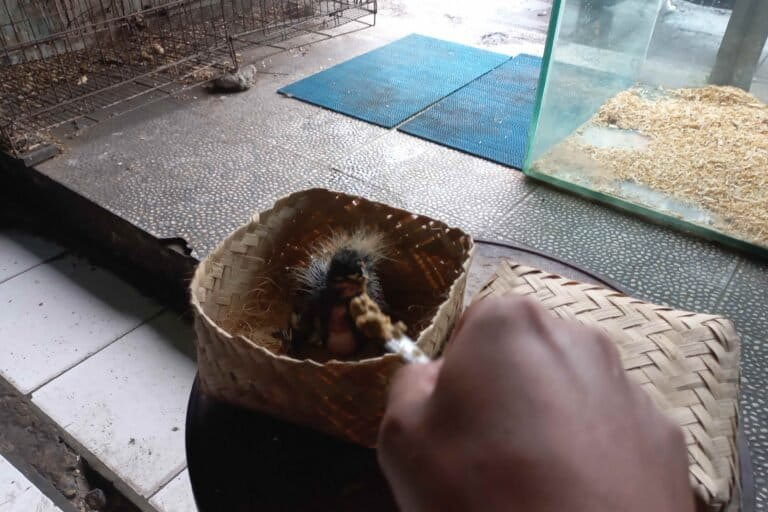
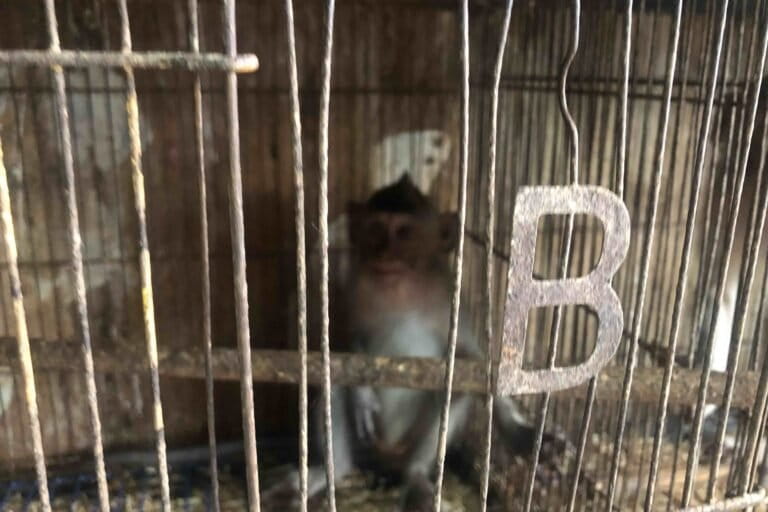
Among the most high-profile offerings were infant Javan gibbons (Hylobates moloch). These primates are endemic to the island of Java and are strictly protected under Indonesian law. The trade in infants is particularly devastating to the species, as it almost always involves the killing of the mother to retrieve the offspring. Other species frequently listed included the Javan lutung, binturong (bearcat), wreathed hornbills, and Javan scops owls.
Deciphering the Alphanumeric Code
One of the most significant findings of the Mongabay and Bellingcat report was the systematic use of coded language to discuss pricing. Because Facebook’s AI is trained to flag currency symbols and keywords related to sales, traffickers have transitioned to a alphanumeric system to communicate costs.
In these digital markets, specific letters represent denominations of the Indonesian Rupiah (IDR). The letter "A" is commonly used to symbolize Rp100,000, while "B" represents Rp50,000. When a seller posts a "Javan Coucal" with the caption "A2," it signals to informed buyers that the price is Rp200,000 (two notes of Rp100,000). This simple yet effective substitution allows posts to remain active for years without triggering automated takedowns.
Furthermore, the investigation highlighted the frequent use of the acronym "WC," which stands for "wild-caught." In the world of wildlife trafficking, "WC" is a selling point, indicating that the animal was taken directly from its natural habitat rather than bred in captivity. For many collectors, wild-caught specimens are more desirable, despite the ecological damage caused by their removal from the wild and the high mortality rates associated with the stress of capture and transport.
The Shift to E-Commerce and Product Camouflage
The investigation extended beyond social media to Tokopedia, one of Southeast Asia’s largest e-commerce platforms. While Tokopedia has official guidelines prohibiting the sale of protected species, the investigation found a persistent presence of illegal wildlife listings.
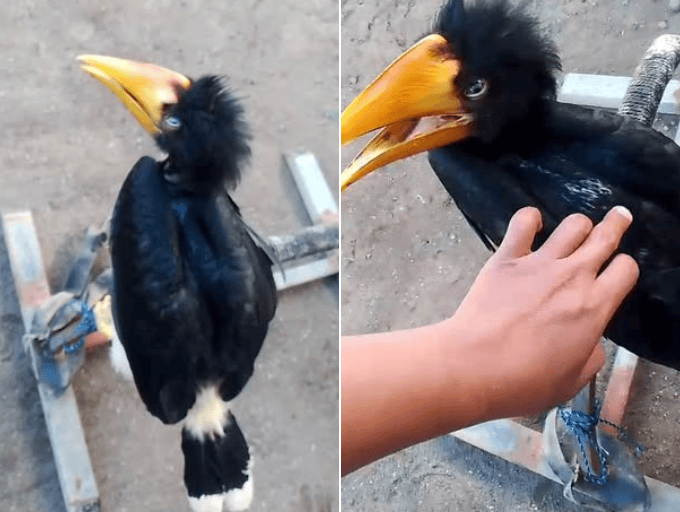
Traffickers on these platforms employ a strategy of "product camouflage." To evade internal audits, sellers list live animals under entirely unrelated categories. Investigators discovered Javan coucals—an endemic bird species—listed as "hardware tools," "toys," "aquarium decorations," or even "books." In other instances, protected primates were mislabeled as common domestic pets like hamsters or squirrels to bypass keyword filters.
A survey of one Bogor-based seller on Tokopedia revealed 71 active listings where the category did not match the product. Despite the blatant nature of these violations, the automated systems of the platform failed to flag the discrepancies. When reached for comment, Tokopedia did not provide a formal response regarding the presence of these listings or the specifics of their moderation protocols.
The Logistics of Anonymity: Rekber and Ghost Shipping
The digital wildlife trade in Indonesia relies heavily on a culture of anonymity. The investigation found that six primary Facebook accounts managing the nine identified groups were all linked to the same operator using anonymous profiles. These accounts frequently shared identical photos of animals, often taken against the same interior backgrounds, and provided the same contact numbers.
To minimize the risk of "sting operations" by undercover authorities, sellers strictly avoid "Cash on Delivery" (COD) transactions. Instead, they utilize a system known as "Rekber" (Rekening Bersama), a third-party escrow service common in Indonesian online forums. The buyer pays the money to a neutral intermediary, the seller ships the animal via express courier services, and the funds are only released once the buyer confirms receipt.
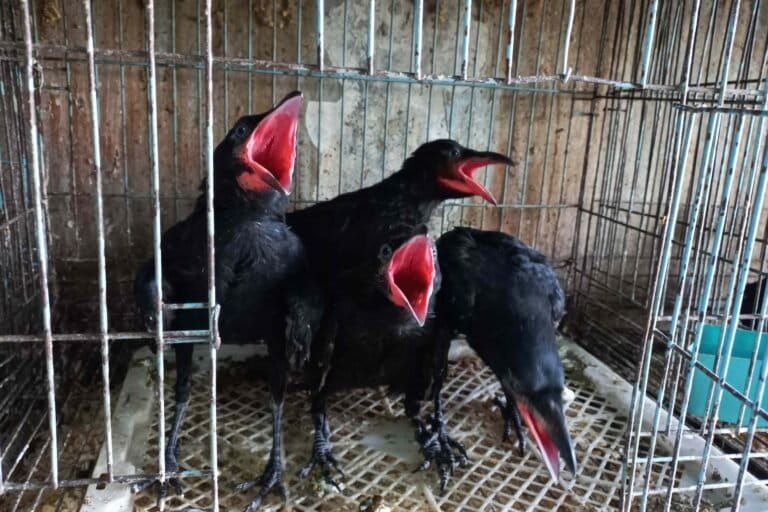
This system provides a layer of security for both parties but makes it nearly impossible for authorities to track the physical location of the seller. Animals are often shipped in cramped, poorly ventilated boxes through standard logistics companies, disguised as non-living goods. Many animals perish during transit, a "cost of doing business" that traffickers factor into their pricing.
Government and Corporate Responses
In response to the findings presented by Mongabay and Bellingcat, Meta (the parent company of Facebook) confirmed that it had shut down the nine identified groups for violating its "Restricted Goods and Services" policy. A spokesperson for Meta stated that the company works closely with organizations like the World Wildlife Fund (WWF) and the Global Coalition to End Wildlife Trafficking Online to update its detection algorithms.
"Criminals are constantly evolving their tactics to evade our enforcement," Meta noted in a statement. "We are investing heavily in tools and technology to detect and remove violating content, including the use of coded language."
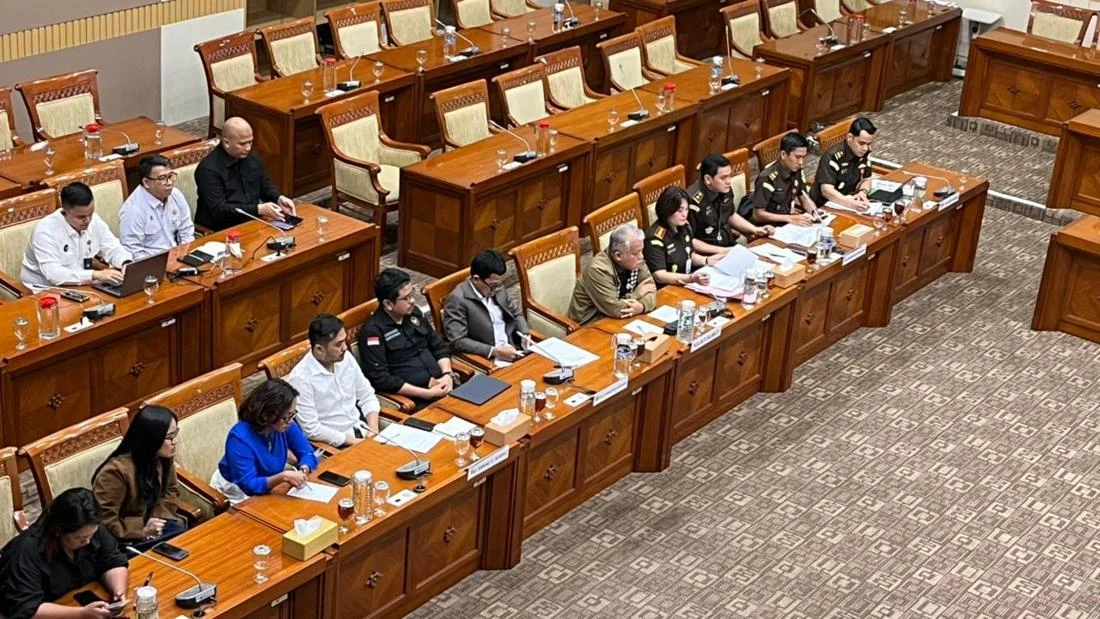
On the regulatory side, the Indonesian government has acknowledged the growing threat of cyber-trafficking. Rohmat Marzuki, the Deputy Minister of Forestry, stated in an interview with Mongabay that the ministry is strengthening its "cyber-patrol" capabilities in collaboration with the National Police (Mabes Polri).
"We are working to ensure these various modes of operation are investigated, identified, and prevented," Marzuki said. "We will continue to increase our surveillance to keep pace with the digital shift in wildlife crime."
Legal Framework and Enforcement Challenges
The legal backbone for wildlife protection in Indonesia is Law No. 5 of 1990 concerning the Conservation of Living Natural Resources and Their Ecosystems. Under this law, the capture, trade, or possession of protected species is a criminal offense punishable by up to five years in prison and a fine of Rp100 million.
However, conservationists argue that the law is outdated and fails to address the specificities of online trade. Muhammad Iqbal Patiroi, Research Coordinator at Garda Animalia, pointed out that the anonymity of the internet provides a significant shield for traffickers. "The use of anonymous accounts and the avoidance of face-to-face meetings are standard practices now," Patiroi explained. "While Rekber provides a sense of security for users, it creates a massive blind spot for law enforcement."
Furthermore, even for species that are not officially listed as "protected," the act of capturing and selling them without a permit remains illegal. Yet, the sheer volume of "non-protected" wildlife being traded online creates a smoke screen that allows protected species to be moved with relative ease.
Broader Implications for Indonesian Biodiversity
The digital trade is not just a regulatory hurdle; it is a direct threat to Indonesia’s status as a "megadiverse" nation. The island of Java, where much of this investigated trade is centered, has already lost the vast majority of its original forest cover. The remaining endemic species are clinging to survival in fragmented habitats.
When infant primates like the Javan gibbon are removed from the wild, it disrupts the social structure of the remaining population and reduces the genetic diversity of the species. The "songbird crisis" in Indonesia is another byproduct of this trade, where forests are falling silent as birds are trapped in massive numbers to satisfy the demand for singing competitions and domestic pets.
The findings of the Mongabay and Bellingcat investigation underscore a critical need for a multi-faceted approach. While closing Facebook groups is a necessary step, traffickers often reappear within days under new names. Conservationists suggest that until there is a concerted effort to hold e-commerce platforms and social media giants legally accountable for the illegal goods sold on their sites, the digital black market will continue to thrive.
As Indonesia moves toward more robust digital surveillance, the battle for the country’s wildlife will increasingly be fought not just in the jungles of Sumatra and Java, but in the server rooms and encrypted chat apps of the digital age. The survival of the Javan gibbon, the rhinoceros hornbill, and countless other species may ultimately depend on whether the law can evolve as quickly as the criminals it seeks to catch.