Nasution Nanang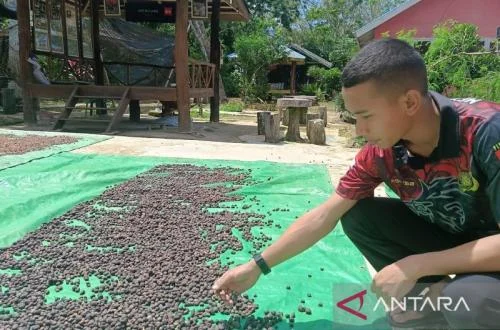
SAMARINDA – The Plantation Agency (Dinas Perkebunan, Disbun) of East Kalimantan Province is set to launch a significant training initiative in 2026, targeting farmer groups across four distinct regions. This ambitious program is designed to substantially elevate the human resource capacity within the province’s agricultural sector and optimize the utilization of crucial post-harvest infrastructure. The overarching goal is to transform raw agricultural commodities into higher-value processed products, thereby bolstering farmer incomes and enhancing the competitiveness of East Kalimantan’s produce in both domestic and international markets.
The decision to implement this specialized training stems from a critical observation: numerous combined farmer groups (Gabungan Kelompok Tani or Gapoktan) that have received vital post-harvest processing equipment often lack the requisite knowledge for its proper operation and maintenance. This deficiency frequently leads to underutilization of expensive machinery, inefficient processing, and ultimately, a failure to maximize the economic potential of their harvests. Taufiq Kurrahman, the Head of the Processing and Marketing Division at Disbun Kaltim, articulated the agency’s commitment during a statement in Samarinda on Thursday, April 2nd. "This year, we are conducting training focused on enhancing human resource capacity, coupled with technical guidance specifically on the effective use of infrastructure and equipment," Kurrahman explained, underscoring the proactive approach being taken to address these systemic challenges.
Strategic Imperative: Elevating East Kalimantan’s Agricultural Sector
East Kalimantan, a province traditionally reliant on its vast natural resources, particularly coal mining and oil and gas, is increasingly looking towards diversifying its economic base. The agricultural sector, especially plantations, presents a robust avenue for sustainable growth and rural development. However, like many regions in Indonesia, the province faces inherent challenges in its agricultural value chain, particularly in the post-harvest phase. Significant losses often occur between harvest and market due to inadequate handling, processing, and storage facilities, coupled with a lack of technical expertise among farmers. These losses not only diminish potential earnings for farmers but also impact the overall quality and marketability of products.
The training program by Disbun Kaltim is therefore not merely a technical exercise but a strategic investment in the province’s economic future. By empowering farmers with advanced skills in post-harvest management, the agency aims to mitigate these losses, improve product quality, and facilitate the creation of value-added products. This aligns with broader national efforts to modernize Indonesia’s agricultural sector, enhance food security, and increase the welfare of its farming communities through improved productivity and market integration. The 2026 timeline indicates a well-thought-out preparatory phase, allowing for detailed planning, resource allocation, and curriculum development to ensure the training modules are tailored to specific regional needs and commodity types.
Comprehensive Program Structure: Targeting Key Commodities and Regions
The training initiative is meticulously structured to address the unique requirements of various agricultural commodities across four distinct geographical areas within East Kalimantan. Each module is designed to impart specific technical skills and marketing strategies, ensuring practical applicability and immediate impact for the participating farmer groups.
The first module focuses on luwak coffee processing in the Marangkayu region. Luwak coffee, renowned globally for its unique taste and high market value, demands meticulous processing to maintain its quality and authenticity. The training will encompass advanced techniques in bean selection, fermentation, drying, and roasting, crucial steps that determine the final product’s premium status. Farmers will learn about quality control standards, hygiene protocols, and packaging methods essential for tapping into high-end markets. This particular training aims to help local producers capitalize on the niche market for specialty coffees, positioning Marangkayu as a significant contributor to Indonesia’s esteemed coffee exports.
The second program targets the community of Karang Joang in Balikpapan, concentrating on the technical processing of pepper powder and effective marketing strategies. East Kalimantan is one of Indonesia’s key pepper-producing regions, and adding value through processing into powder can significantly increase profit margins compared to selling raw peppercorns. Participants will receive guidance on operating grinding machinery, ensuring product consistency, quality grading, and hygienic packaging. Crucially, the marketing component will equip farmers with knowledge of market trends, branding, distribution channels, and direct sales techniques, empowering them to penetrate broader domestic and potentially international markets for spices. This move is vital for farmers to navigate the fluctuating global pepper prices and secure more stable incomes.
The third initiative is slated for Paser Belengkong, with implementation in Tanah Grogot, Kabupaten Paser. This module will focus on innovative processing of coconuts into economically viable products, specifically coconut chips. Coconuts are a versatile crop, and moving beyond raw copra production to processed snacks offers substantial opportunities for value addition. The training will cover aspects from proper fruit selection and husking to slicing, drying, flavoring, and packaging of coconut chips. Emphasis will also be placed on food safety standards, shelf-life extension, and developing products that appeal to modern consumer tastes. This diversification strategy aims to create new revenue streams for coconut farmers and foster local agri-businesses in the Paser region.
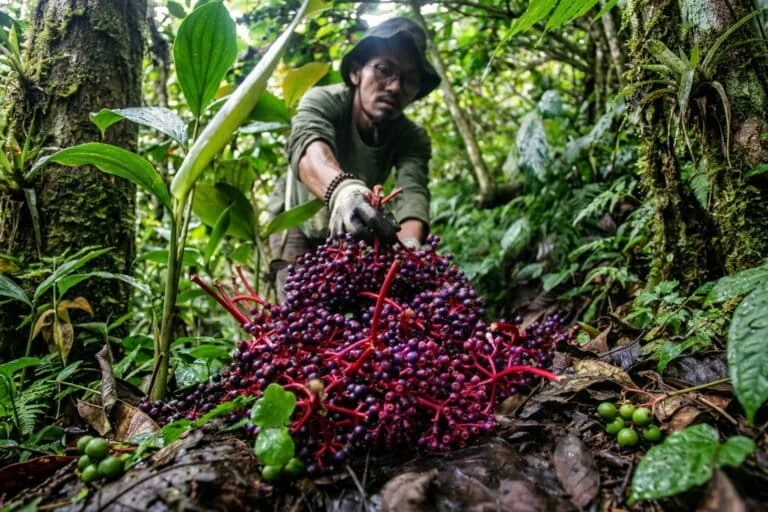
Finally, the fourth training program will target stakeholders involved in arenga palm (aren) commodities in Desa Teluk Singkama, Kecamatan Sangatta Selatan. The primary focus here will be on enhancing the processing and marketing techniques for aren sugar. Arenga palm is a sustainable source of natural sugar, known for its distinct flavor and healthier profile compared to refined sugars. The training will delve into efficient sap collection methods, traditional and modern processing techniques for producing high-quality granular or block aren sugar, and packaging solutions that meet market demands. Furthermore, participants will learn about market access, branding for natural sweeteners, and establishing stable supply chains to cater to the growing demand for natural and organic food products. This initiative is particularly significant for supporting rural livelihoods and promoting sustainable forest product utilization.
Optimizing Market Reach and Data-Driven Policy
A critical aspect of Disbun Kaltim’s initiative extends beyond mere technical training. The agency aims to leverage the insights gained from these programs to facilitate the compilation of a comprehensive database. This centralized repository will document the distribution of post-harvest facilities and processing machinery across farmer groups throughout East Kalimantan. Such data is invaluable for informed policymaking, enabling the provincial government to identify gaps in infrastructure, allocate resources more effectively, and tailor future interventions based on real-world needs. By understanding where resources are concentrated and where they are lacking, Disbun Kaltim can strategically plan for future investments and support.
Furthermore, the provincial government is actively championing efforts to maximize the marketing and distribution of processed plantation products through dedicated channels, notably the "Toko Kebun Kaltim" (East Kalimantan Garden Store) outlets. These stores serve as vital platforms for local farmers and cooperatives to showcase and sell their value-added products directly to consumers, bypassing multiple intermediaries and ensuring a larger share of the profit reaches the producers. This initiative not only provides market access but also promotes local brands, fosters consumer loyalty, and builds a stronger identity for East Kalimantan’s agricultural produce. Expanding the reach and appeal of these stores is a key component of the overall strategy to boost the economic viability of smallholder farmers.
East Kalimantan’s Rich Agricultural Landscape and Export Potential
East Kalimantan boasts a rich and diverse agricultural landscape, underpinned by seven key plantation commodities that hold significant potential for both domestic consumption and international export. These include oil palm, rubber, pepper, coconut, cocoa, coffee, and arenga palm. The province’s strategic location, coupled with its fertile lands, provides a strong foundation for these crops.
- Oil Palm: While not directly addressed in this specific training, oil palm is the dominant plantation crop in East Kalimantan, contributing significantly to the provincial economy. Efforts around oil palm often focus on sustainable practices and increasing yields.
- Rubber: Another traditional export commodity, rubber production supports numerous smallholders. Value addition in rubber typically involves processing into various industrial products.
- Pepper: As highlighted in the training, East Kalimantan’s pepper has a strong reputation, and value addition through processing is crucial for market competitiveness.
- Coconut: The versatility of coconut, from its water and flesh to its husk, offers myriad processing opportunities, as demonstrated by the coconut chip training.
- Cocoa: East Kalimantan also produces cocoa, a global commodity, with potential for processing into chocolate or cocoa powder.
- Coffee: Beyond luwak coffee, other varieties are cultivated, contributing to Indonesia’s diverse coffee heritage. Enhanced processing can elevate the quality of all coffee types.
- Arenga Palm: A truly indigenous crop, its sap yields not only sugar but also other products like vinegar and alcoholic beverages, offering vast potential for rural communities.
These seven commodities form the backbone of East Kalimantan’s plantation sector, and initiatives like the upcoming training program are vital to unlock their full economic potential. By focusing on post-harvest value addition, the province aims to transition from merely being a raw material supplier to a producer of high-quality, processed agricultural goods, thereby capturing a greater share of the global value chain.
Broader Impact and Future Implications
The comprehensive training program scheduled for 2026 is poised to generate a cascade of positive impacts across East Kalimantan. Economically, it is expected to significantly enhance farmer incomes by reducing post-harvest losses and increasing the market value of processed products. This will directly contribute to poverty reduction in rural areas and improve the overall livelihoods of farming communities. The shift towards value-added production will also foster the growth of small and medium-sized enterprises (SMEs) in the agri-processing sector, creating new employment opportunities and stimulating local economies.
Environmentally, promoting efficient processing and optimal resource utilization can lead to more sustainable agricultural practices, reducing waste and encouraging responsible management of natural resources. Socially, empowering farmers with new skills and knowledge builds capacity, fosters innovation, and strengthens community resilience. It also encourages younger generations to engage in agriculture, viewing it as a viable and profitable career path, thereby addressing concerns about an aging farming population.
From a policy perspective, the initiative underscores the East Kalimantan government’s commitment to agricultural development as a cornerstone of its economic diversification strategy. By investing in human capital and infrastructure, the province is positioning itself to be a more competitive player in the national and international agricultural markets. The establishment of a robust database of post-harvest facilities will also provide crucial data for future strategic planning, ensuring that resources are allocated efficiently and effectively to support the continuous growth and modernization of the sector.
Taufiq Kurrahman’s vision extends beyond mere training. He envisions a future where East Kalimantan’s processed plantation products are synonymous with quality and innovation, finding their way into new markets and commanding premium prices. This program, therefore, represents a pivotal step in realizing that vision, ensuring that the province’s rich agricultural heritage translates into sustained prosperity for its people. The proactive approach taken by Disbun Kaltim, focusing on practical skills and market integration, serves as a model for sustainable agricultural development, promising a brighter and more prosperous future for East Kalimantan’s farming communities.