Tata Titiana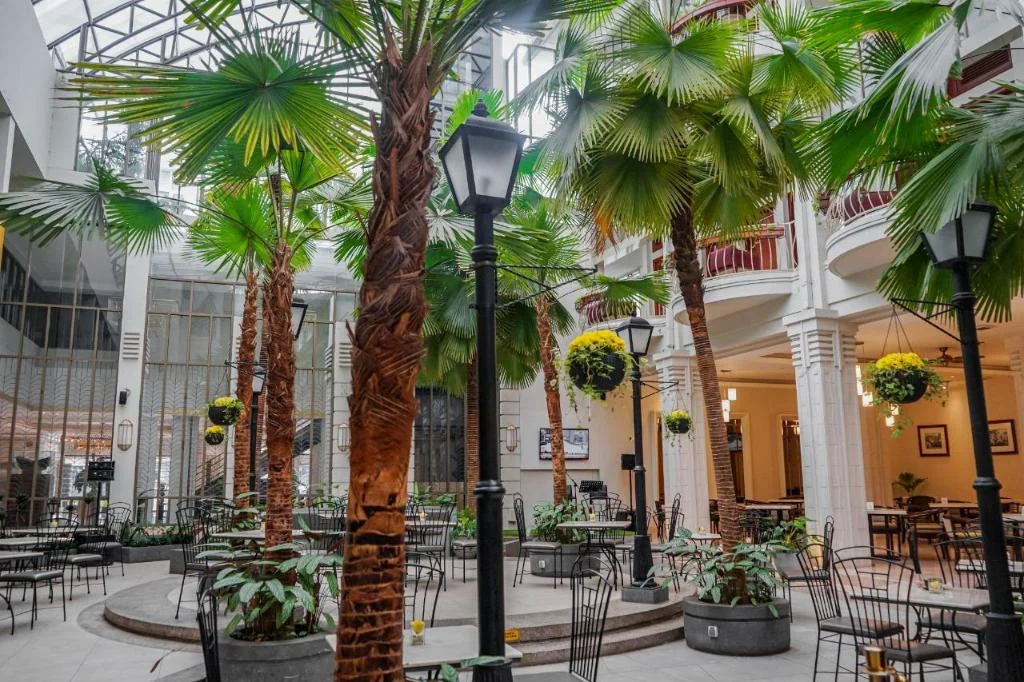
Indonesia’s tourism landscape, a vibrant tapestry woven from ancient cultures and breathtaking natural beauty, owes an often-unacknowledged debt to the colonial era of the Dutch East Indies. The opening of the Suez Canal in the mid-19th century dramatically reshaped global trade routes, bringing a surge of European vessels and, consequently, a new class of traveler to the archipelago. As merchant ships docked for trade, luxury cruise liners began to follow, bringing affluent European tourists eager to explore the exotic allure of the Dutch East Indies. To cater to this burgeoning demand, the colonial administration and private investors embarked on a significant construction boom, particularly on the island of Java, giving rise to a collection of hotels that stand today not merely as accommodations, but as living monuments to Indonesia’s complex colonial past. Many of these grand establishments, meticulously built during the Dutch colonial period, continue to operate, offering guests a unique opportunity to step back in time.
The establishment of these early hotels is widely considered by historians and tourism experts as a pivotal moment in the genesis of Indonesia’s modern tourism industry. These structures were not just buildings; they were statements of colonial presence, designed to project an image of sophistication and comfort for European visitors in a tropical land. While much of the colonial infrastructure has since faded or been repurposed, a surprising number of these heritage hotels have not only survived but thrived, adapting to modern demands while preserving their historical grandeur. This article delves into some of the most remarkable examples, exploring their origins, historical significance, and their continued role in Indonesia’s hospitality sector.
Hotel Indonesia Kempinski: A Symbol of National Pride and International Diplomacy
Standing as a proud landmark in the heart of Jakarta, the Hotel Indonesia Kempinski is more than just a five-star luxury hotel; it is a symbol of Indonesia’s post-independence aspirations and a testament to its enduring diplomatic ties. Its origins are deeply intertwined with a significant national event: the 1962 Asian Games IV. Constructed with funds derived from war reparations from Japan, the hotel was inaugurated in 1962, specifically to accommodate the athletes and officials participating in the prestigious sporting event. This marked a monumental achievement for newly independent Indonesia, showcasing its capability to host an international gathering of such magnitude.
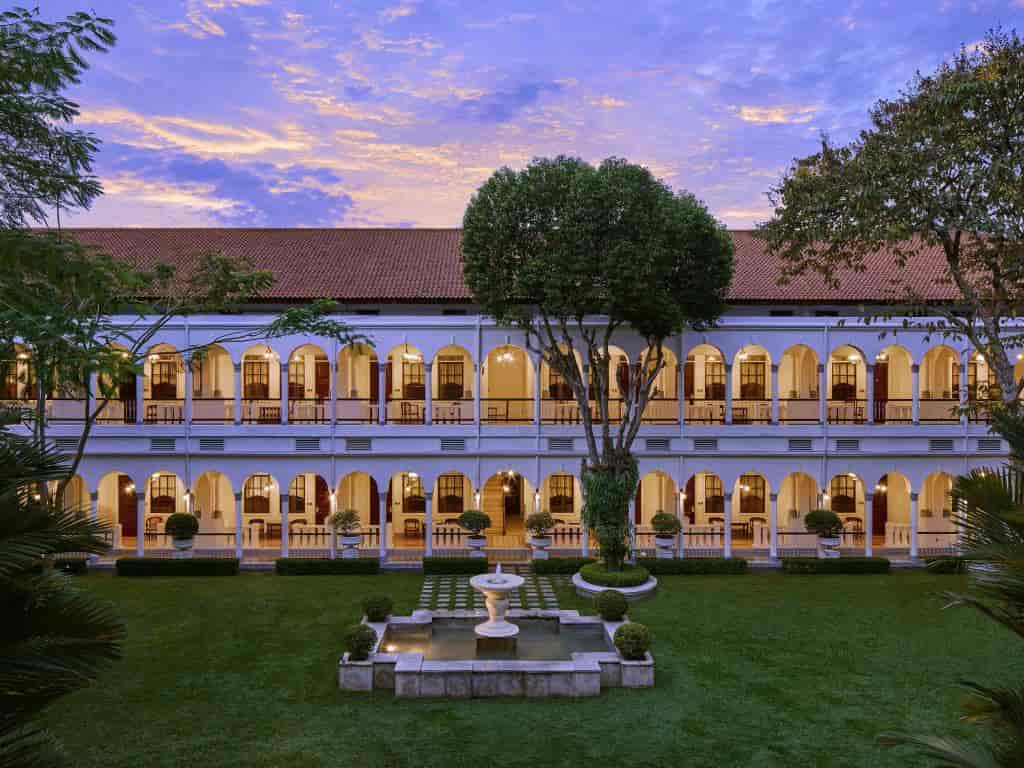
The hotel’s status as a symbol of national pride was further cemented by its role in hosting dignitaries. In 2020, it achieved a unique historical milestone when it served as the official residence for the King and Queen of the Netherlands during their state visit to Indonesia. The royal couple was reportedly housed in premium suites, equipped with advanced security features, including bulletproof glass, underscoring the hotel’s capacity to meet the highest standards of international security and comfort. This visit, in particular, resonated deeply, representing a symbolic bridge between the former colonial power and the sovereign nation it once ruled. The presence of the Dutch royals in a hotel built during the post-colonial era highlighted a new chapter in bilateral relations, one characterized by mutual respect and collaboration.
The Hotel Indonesia Kempinski continues to offer a lavish experience, blending its historical architecture with contemporary luxury. Guests can expect world-class amenities and impeccable service, making it a preferred choice for both international travelers and discerning locals. Its central location in Jakarta also makes it an ideal base for exploring the city’s vibrant cultural and business districts. Booking a stay at this iconic establishment provides not just accommodation but an immersive journey through Indonesian history. Prices for rooms at the Hotel Indonesia Kempinski typically start from approximately Rp 2.98 million per night, offering a luxurious experience steeped in historical significance.
Hotel Majapahit Surabaya: A Crucible of Independence
In the bustling city of Surabaya, the Hotel Majapahit stands as a solemn witness to one of Indonesia’s most pivotal moments of defiance and heroism: the Battle of Surabaya. Established in 1910 by the Sarkies Brothers, a prominent Armenian family known for their hotel ventures, the building initially bore the name Hotel Oranje during the Dutch colonial era. Later, under Japanese occupation, it was renamed Hotel Yamato, reflecting the shifting geopolitical tides of the time.
However, it was in 1945, in the immediate aftermath of Indonesia’s declaration of independence, that Hotel Majapahit etched its name into the annals of history. Following the arrival of Allied forces and the subsequent hoisting of the Dutch flag above the hotel, a group of enraged Indonesian youths stormed the building. In an act of profound symbolic resistance against the resurgence of Dutch colonial authority, they violently tore off the blue section of the Dutch flag, leaving only the red and white of the Indonesian flag. This dramatic event, known as the "Red-White-Blue Flag Incident," ignited the fierce Battle of Surabaya, a brutal but ultimately pivotal conflict that galvanized the Indonesian struggle for independence.
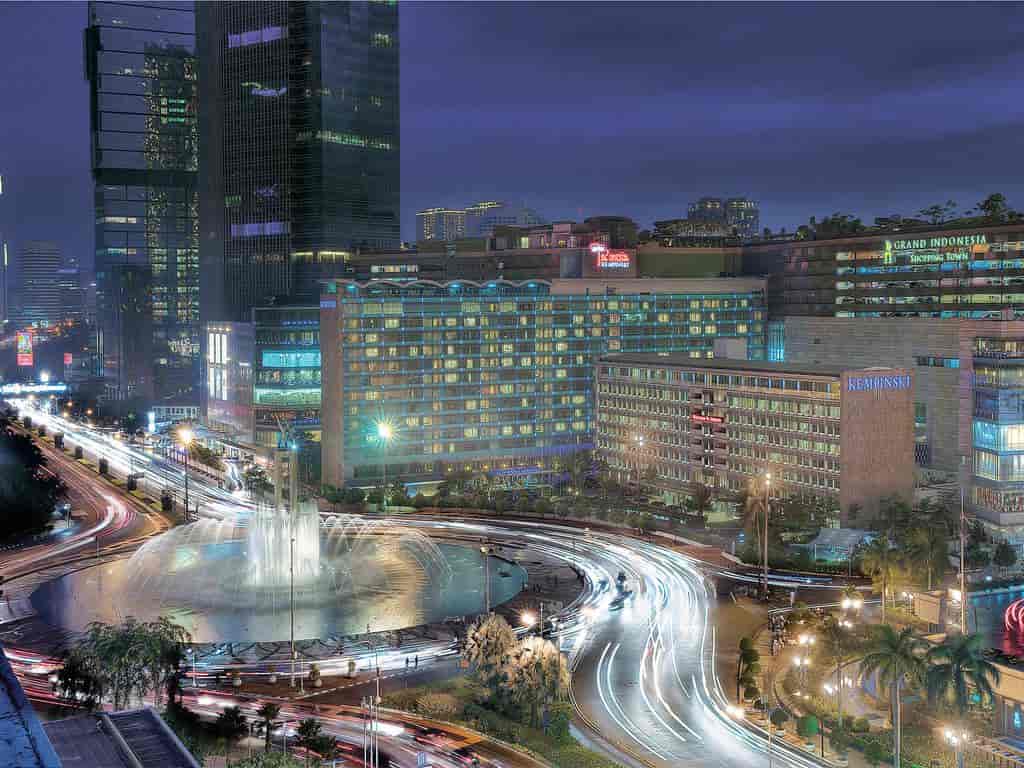
The hotel has since been meticulously preserved, retaining much of its original grandeur. Its architecture is a beautiful blend of Dutch colonial and Art Deco styles, reflecting the era of its construction. Today, Hotel Majapahit Surabaya is not just a place to stay; it is a living museum, offering visitors a tangible connection to the sacrifices and bravery of those who fought for Indonesia’s freedom. The hotel continues to operate as a luxurious heritage property, providing guests with an experience that is both elegant and historically resonant. Rates at Hotel Majapahit Surabaya generally start from around Rp 985,125 per night, offering an opportunity to immerse oneself in a place where history was made.
Royal Ambarukmo Yogyakarta: A Royal Legacy and a Pioneer of International Tourism
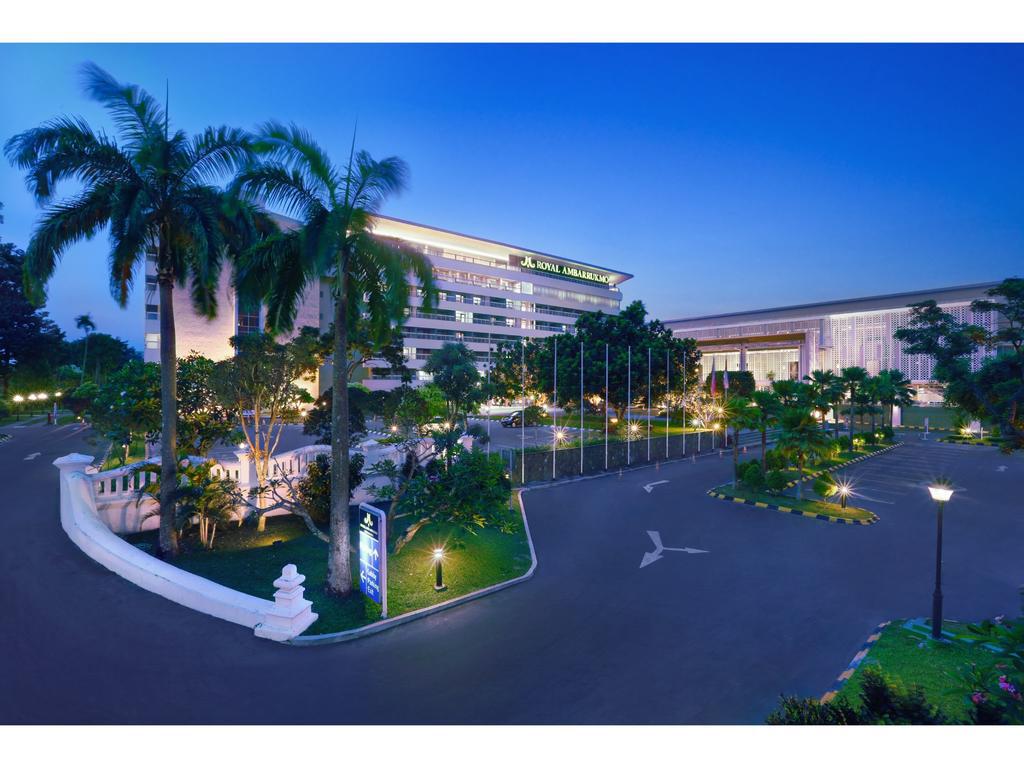
Nestled in Yogyakarta, a city renowned for its rich cultural heritage and royal traditions, the Royal Ambarukmo stands as a testament to the enduring legacy of the region’s royal family and its early embrace of international tourism. Commissioned by Sultan Hamengku Buwono V, the hotel was officially opened in 1966. Its significance in the early days of Indonesian tourism cannot be overstated. It was one of the first four hotels in Indonesia to be actively promoted by President Soekarno as part of his vision to establish Indonesia as a premier international tourist destination.
The hotel’s design and facilities were conceived to cater to an international clientele, reflecting a forward-thinking approach to hospitality. Even in its early years, it was designed as a five-star establishment, offering a range of luxurious amenities. Over the decades, it has maintained its commitment to excellence, continuously updating its offerings while preserving its distinct architectural character and royal ambiance. The hotel’s grounds often feature lush gardens, providing a serene escape from the city’s bustle.
Royal Ambarukmo Yogyakarta continues to be a highly sought-after destination, appealing to travelers who seek a blend of historical charm, royal elegance, and modern comfort. Its proximity to Yogyakarta’s many cultural attractions, including the Sultan’s Palace and the UNESCO World Heritage site of Borobudur Temple, makes it an ideal base for exploration. Guests can enjoy facilities such as fine dining restaurants, recreational spaces, and well-appointed rooms that reflect the hotel’s storied past. Prices at the Royal Ambarukmo Yogyakarta typically begin at approximately Rp 911,250 per night, offering a regal experience steeped in history.
Hotel Savoy Homann Bandung: An Art Deco Gem and a Haven for Global Icons
In the cool, verdant highlands of Bandung, the Hotel Savoy Homann stands as an enduring icon of Art Deco elegance and a testament to the city’s glamorous past. Located on Jalan Asia-Afrika, a street that has witnessed significant historical events, including the landmark 1955 Asian-African Conference, the hotel’s origins trace back to the early 20th century. Its distinctive design, characterized by flowing, wave-like motifs, was the brainchild of acclaimed Dutch architect Albert Aalbers. The initial design, completed in 1939, was revolutionary for its time, embodying the spirit of the Art Deco movement with its sleek lines and sophisticated aesthetic.
The hotel’s name evolved to "Savoy Homann" in 1940, a move intended to emphasize its grandeur and international appeal. Throughout its history, the Savoy Homann has been a favored retreat for the elite and the distinguished. It gained particular renown for the culinary excellence offered by the Homann family, especially the signature "rijsttafel" prepared by Mrs. Homann. The hotel’s guestbook reads like a who’s who of international luminaries. Most notably, the legendary filmmaker and actor Charlie Chaplin is recorded to have stayed at the Savoy Homann, a testament to its allure as a destination for global icons.
Today, Hotel Savoy Homann Bandung continues to welcome guests with its timeless charm and impeccable service. While it has undergone renovations to meet modern standards, its core Art Deco character remains largely intact, offering a unique glimpse into the architectural styles of the pre-war era. The hotel provides a comfortable and elegant base for exploring Bandung, a city known for its colonial architecture, vibrant arts scene, and natural beauty. Rates at Hotel Savoy Homann Bandung generally start from around Rp 390,880 per night, making it an accessible option for experiencing a piece of architectural and historical heritage.
Inna Bali Heritage Hotel: Bali’s First Grand Hotel and a Gateway to Island Paradise
On the island of Bali, a destination synonymous with tropical beauty and spiritual tranquility, the Inna Bali Heritage Hotel holds the distinction of being the island’s first grand hotel. Opened on August 22, 1927, its establishment coincided with a burgeoning interest in Bali among Western travelers. The KPM (Koninklijke Paketvaart Maatschappij), or Royal Packet Navigation Company, played a crucial role in bringing these early tourists to the island via their steamships, and the Inna Bali Heritage Hotel was built to provide them with a luxurious and comfortable base from which to explore Bali’s unique culture and landscapes.
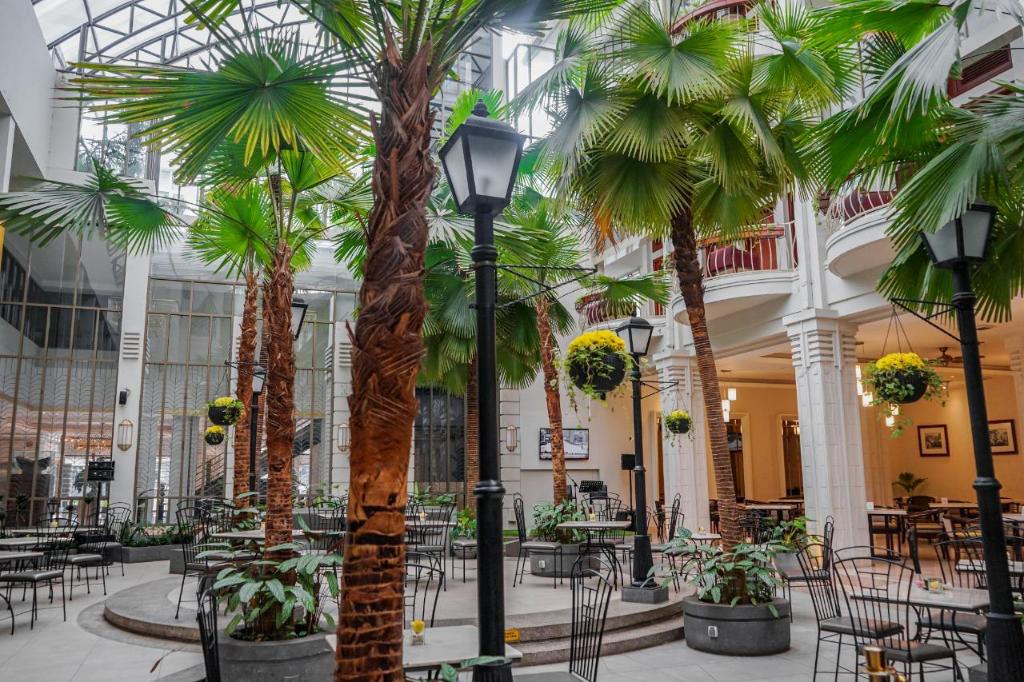
Located in Denpasar, the island’s capital, the hotel was designed to offer a sophisticated experience that blended colonial-era amenities with the tropical charm of Bali. It quickly became a focal point for visitors seeking to experience the exotic allure of the "Island of the Gods." Even as Bali’s tourism industry has evolved dramatically over the decades, the Inna Bali Heritage Hotel has strived to maintain its historical significance and provide a memorable guest experience.
As a three-star establishment, the Inna Bali Heritage Hotel offers a comfortable and charming stay, characterized by its colonial architecture and lush garden surroundings. Its location provides convenient access to Denpasar’s cultural sites and markets, as well as the island’s famous beaches and temples. The hotel features amenities such as a restaurant, swimming pool, and café, catering to the needs of modern travelers while retaining a sense of its historical past. Prices at the Inna Bali Heritage Hotel typically start from around Rp 270,000 per night, offering an affordable opportunity to stay in one of Bali’s earliest and most historic accommodations.
Enduring Legacies and the Future of Heritage Tourism
The continued operation of these colonial-era hotels in Indonesia is more than just a business success story; it is a vital part of the nation’s heritage preservation efforts. These establishments serve as tangible links to a complex past, offering insights into the social, economic, and political dynamics of the Dutch colonial period and the subsequent eras of nation-building. They provide educational opportunities for both domestic and international visitors, allowing them to experience history not just through books but through the very architecture and ambiance of places where significant events unfolded.
The varying price points of these hotels, from the ultra-luxury of Hotel Indonesia Kempinski to the more accessible rates at Inna Bali Heritage Hotel, demonstrate that heritage tourism can cater to a wide spectrum of travelers. However, it is important for potential guests to note that prices are subject to fluctuations based on factors such as peak seasons, inflation, local tax policies, and demand. Booking during off-peak periods often presents a more economical option. As Indonesia continues to develop its tourism sector, the preservation and thoughtful modernization of these historical hotels will undoubtedly remain a key element in showcasing the archipelago’s rich and multifaceted history to the world. These enduring structures stand as powerful reminders of Indonesia’s journey, offering a unique blend of past and present for all who choose to stay within their historic walls.