Tata Titiana
Indonesia’s tourism landscape is indelibly marked by the legacy of Dutch colonial rule, a period that laid the foundational infrastructure for the archipelago’s burgeoning hospitality sector. The opening of the Suez Canal in the mid-19th century dramatically altered global trade routes, leading European vessels to frequent the Indonesian archipelago for commercial purposes. This influx soon expanded to include luxury cruise liners, bringing with them a new demographic of travelers – affluent Europeans eager to explore the exotic vistas of the East. To cater to this growing demand, the Dutch East Indies administration commissioned the construction of several hotels, primarily on the island of Java. These establishments, far more than mere places of accommodation, became vital nodes in the colonial network and are now recognized as some of Indonesia’s most significant historical hotels, many of which continue to operate today, offering a unique blend of heritage and contemporary luxury.
The genesis of organized tourism in Indonesia is often traced back to the establishment of these colonial-era hotels. While many are unaware of their enduring presence, a select few of these grand old establishments, built during the Dutch East Indies era, still stand as testaments to a pivotal period in Indonesian history. They represent not just architectural marvels but also silent witnesses to the nation’s transformation from a colonial territory to an independent republic. This article delves into the rich histories and continued operations of these remarkable hotels, offering a journey through time and a deeper understanding of Indonesia’s evolving tourism narrative.
Hotel Indonesia Kempinski: A Symbol of National Pride and International Acclaim
Hotel Indonesia Kempinski, located in the heart of Jakarta, holds the distinction of being Indonesia’s first five-star luxury hotel and was once the tallest building in the capital. Its origins are intertwined with a significant post-war event: it was constructed using assets seized from the Japanese occupation. Officially inaugurated in 1962, the hotel served as a prestigious accommodation for athletes participating in the IVth Asian Games. This event marked a significant moment for Indonesia, showcasing its capability to host major international sporting events.
The hotel’s historical significance was further underscored in 2020 when it hosted Dutch King Willem-Alexander and Queen Máxima during their state visit to Indonesia. Their choice of accommodation in the hotel’s finest suites, reportedly equipped with bulletproof glass, highlighted the enduring diplomatic and historical ties between the Netherlands and Indonesia, despite the colonial past. This visit served as a potent symbol of reconciliation and the continuation of a complex, shared history.
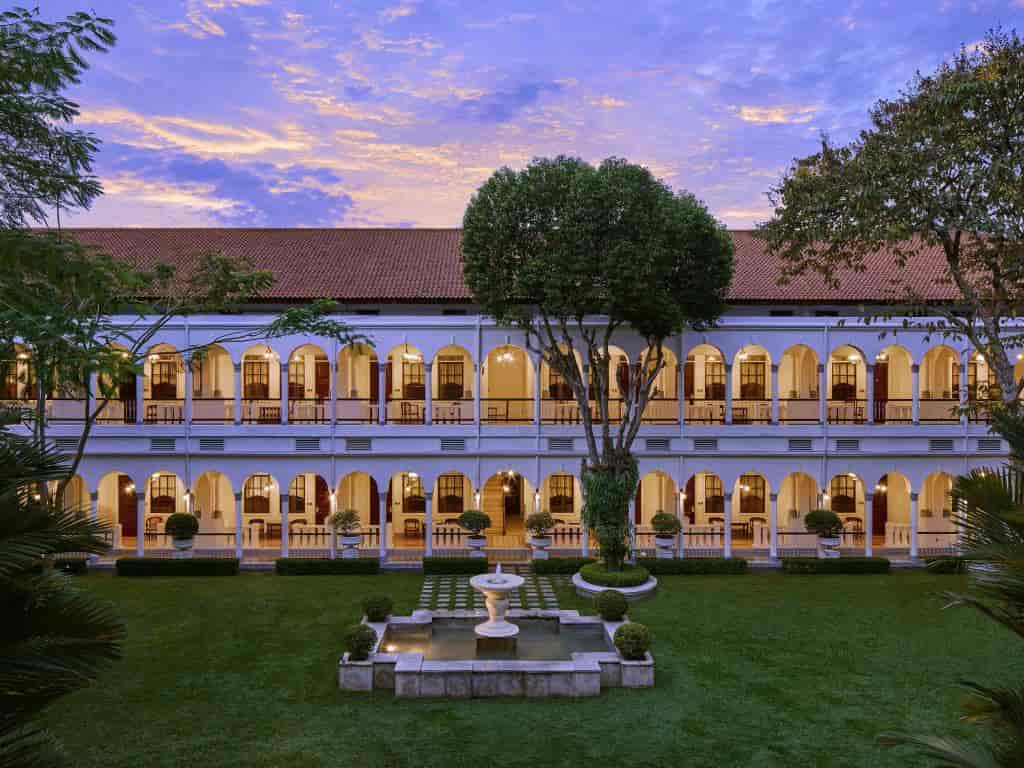
The construction of Hotel Indonesia was a bold statement of post-independence ambition. President Sukarno envisioned it as a symbol of a modern, capable Indonesia. The architectural design, a blend of modernist principles with subtle Indonesian influences, reflected this aspiration. Its strategic location near the National Monument (Monas) further cemented its status as a landmark. Over the decades, it has hosted numerous dignitaries, cementing its reputation as a premier hospitality destination. The hotel’s transition to the Kempinski brand in 2009 marked a new chapter, integrating its rich heritage with international luxury standards, a move that has been lauded for preserving its historical essence while enhancing its global appeal. The price for a stay at Hotel Indonesia Kempinski currently starts around IDR 2.98 million per night, reflecting its status as a top-tier luxury establishment.
Hotel Majapahit Surabaya: A Crucible of Independence
Hotel Majapahit in Surabaya is more than just a hotel; it is a hallowed ground where pivotal moments in Indonesia’s struggle for independence unfolded. Its most iconic historical event occurred in 1945, in the immediate aftermath of Indonesia’s declaration of independence. Following the arrival of Allied forces, the Dutch flag, bearing its colonial blue stripe, was defiantly flown above the hotel. In a dramatic act of defiance and a potent symbol of national sovereignty, Indonesian youths, in a furious display of patriotism, tore off the blue stripe, transforming the Dutch flag into the red and white of Indonesia. This "Battle of the Red and White Flag" is a cornerstone of Surabaya’s heroic narrative and cemented Hotel Majapahit’s place in the annals of Indonesian history.
Originally established in 1910 by the Sarkies Brothers, an Armenian family renowned for their hospitality ventures, the hotel was first known as Hotel Oranje during the Dutch East Indies era. It later bore the name Hotel Yamato during the Japanese occupation. Its strategic location and grand architecture made it a focal point for both colonial administration and, later, the nascent Indonesian nationalist movement. The hotel has undergone several renovations and ownership changes, but its historical facade and the ballroom where the flag-tearing incident took place remain cherished landmarks.
The hotel’s architectural style reflects the grandeur of the early 20th century, with influences of Art Deco and Neo-Renaissance. Its restoration efforts have focused on preserving these historical elements while upgrading facilities to meet modern guest expectations. The story of Hotel Majapahit serves as a powerful reminder of the sacrifices made during the independence struggle and its continued operation offers visitors a tangible connection to this formative period. Prices for a stay at Hotel Majapahit Surabaya begin at approximately IDR 985,125 per night.
Royal Ambarrukmo Yogyakarta: Royal Heritage and Presidential Vision
Royal Ambarrukmo, situated in Yogyakarta, stands as a significant landmark that bridges royal heritage with national development. Built by Sultan Hamengku Buwono V, the hotel was initially conceived as a symbol of the Yogyakarta Sultanate’s cultural and political stature. In 1966, it was recognized by President Sukarno as one of the first four hotels in Indonesia to be promoted as international-class accommodations, aligning with his vision of developing Indonesia’s tourism infrastructure.
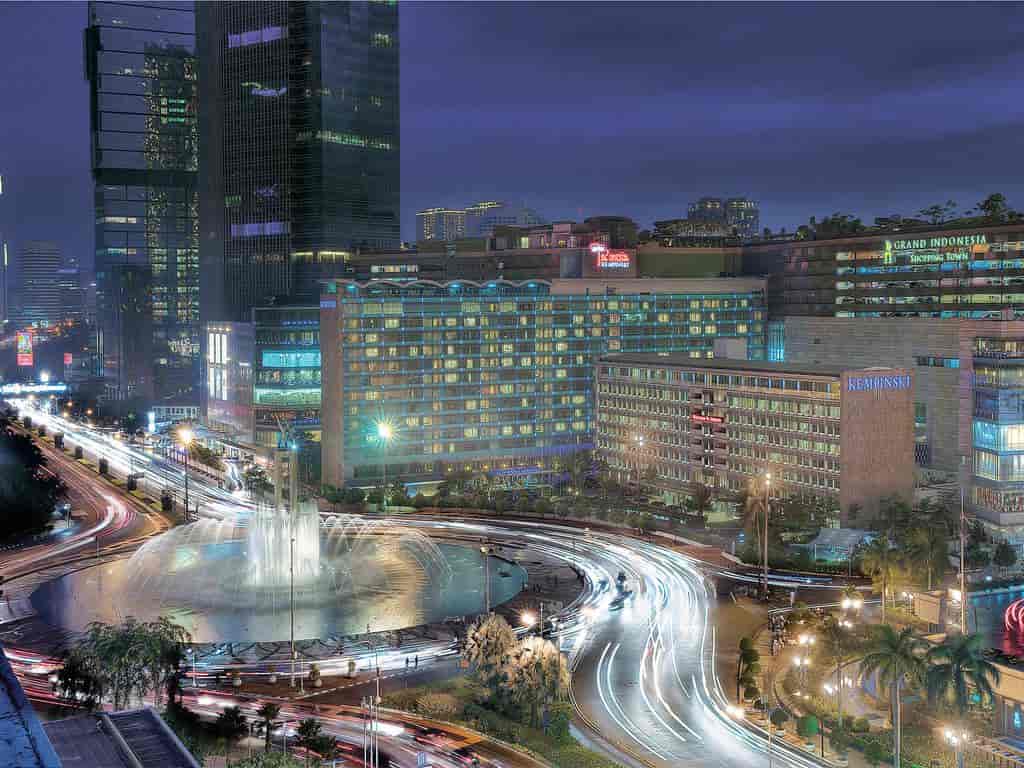
The hotel’s design is a harmonious blend of Javanese architectural traditions and modern amenities. Its location in Yogyakarta, the cultural heartland of Java, further enhances its appeal. The Royal Ambarrukmo has played host to numerous state guests and international delegations, solidifying its reputation as a venue of historical and diplomatic importance. Its proximity to key cultural sites like the Sultan’s Palace and the Borobudur Temple makes it an ideal base for exploring the region’s rich heritage.
The hotel’s commitment to preserving its historical ambiance while offering contemporary luxuries is evident in its facilities. Guests can enjoy amenities such as a golf course, game rooms, and a poolside bar, all set within a historically significant context. The integration of modern services with the echoes of royal and presidential patronage makes a stay at Royal Ambarrukmo a unique cultural experience. The current starting price for accommodation at Royal Ambarrukmo Yogyakarta is around IDR 911,250 per night.
Hotel Savoy Homann Bandung: Art Deco Elegance and a Touch of Hollywood Glamour
Hotel Savoy Homann in Bandung, located on Jalan Asia-Afrika, is a celebrated example of Art Deco architecture and a testament to the city’s vibrant past. Originally established by the Homann family, the hotel gained renown for its exquisite rijsttafel, a Dutch colonial feast of various small dishes. In 1939, its architectural design was reimagined by Albert Aalbers, who envisioned a striking ocean-wave motif, a hallmark of the Art Deco style. The hotel was renamed Savoy Homann in 1940, a move that emphasized its grand stature.
Bandung itself was a significant center during the colonial era, known for its cool climate and elegant atmosphere, making it a favored destination for colonial administrators and wealthy residents. Hotel Savoy Homann, with its distinctive design and luxurious offerings, quickly became a premier establishment. Its historical significance was further amplified by hosting illustrious guests, including the legendary Hollywood actor Charlie Chaplin, who is recorded to have stayed at the hotel. This association with international celebrities adds a layer of glamour to its already rich historical tapestry.
The hotel’s strategic location on Jalan Asia-Afrika is also noteworthy, as this street was the venue for the historic 1955 Asian-African Conference, a landmark event in the Non-Aligned Movement. Savoy Homann, in its heyday, was undoubtedly a gathering place for influential figures of that era. The hotel’s enduring elegance and architectural significance continue to attract travelers seeking a blend of history, style, and comfort. Prices at Hotel Savoy Homann Bandung start from approximately IDR 390,880 per night.
Inna Bali Heritage Hotel: Bali’s Pioneering Luxury Accommodation
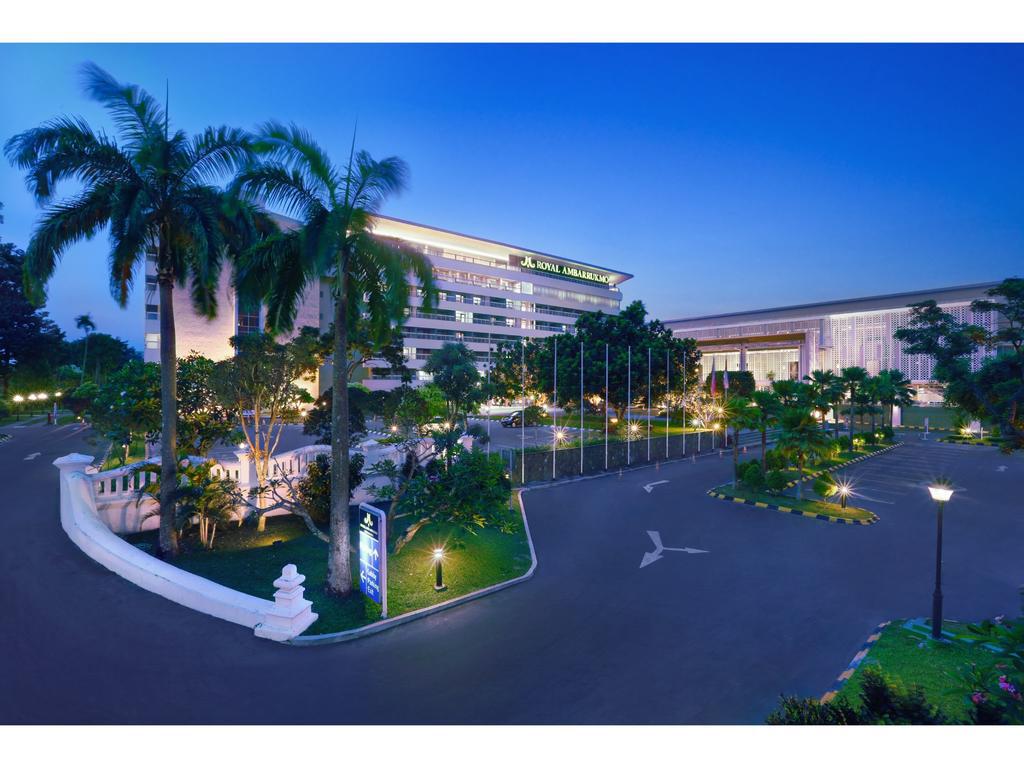
Inna Bali Heritage Hotel, located in Denpasar, holds the distinction of being the first luxury accommodation established on the island of Bali. Opened on August 22, 1927, its establishment coincided with a burgeoning interest in Bali among international travelers, many of whom arrived via the steamships of the Koninklijke Paket-vaart Maatschappij (Royal Packet Navigation Company). This marked a significant step in transforming Bali from an island known primarily for its cultural traditions into a burgeoning international tourist destination.
The hotel was built with a vision to offer Western-style comfort and luxury while integrating with the island’s unique aesthetic. Its construction reflected a blend of colonial architectural influences and Balinese craftsmanship. As a three-star establishment, it provided amenities such as a garden, restaurant, swimming pool, and cafe, catering to the evolving needs of international visitors. Its presence was instrumental in shaping the early tourism infrastructure of Bali, laying the groundwork for the island’s renowned hospitality industry.
The hotel’s continued operation today signifies its enduring legacy as a pioneer in Balinese tourism. It offers guests a chance to experience the island’s rich cultural heritage from a historical vantage point. The Inna Bali Heritage Hotel represents a crucial chapter in Bali’s journey to becoming a world-renowned tourist paradise. Accommodation at Inna Bali Heritage Hotel can be booked starting from approximately IDR 270,000 per night.
The Enduring Legacy and Future of Colonial-Era Hotels
These historic hotels are more than just places to stay; they are living museums that offer a tangible connection to Indonesia’s past. They represent a period of significant transformation, from colonial rule to independence, and have witnessed pivotal moments in the nation’s history. The fact that these establishments continue to thrive in the modern era speaks volumes about their enduring appeal and the successful efforts to preserve their historical integrity while adapting to contemporary demands.
The pricing mentioned for these hotels is subject to fluctuations based on factors such as peak and off-peak seasons, inflation rates, local tax policies, and overall demand. Booking during the low season typically offers more economical rates. It is always advisable for prospective guests to verify the final prices before confirming their reservations.
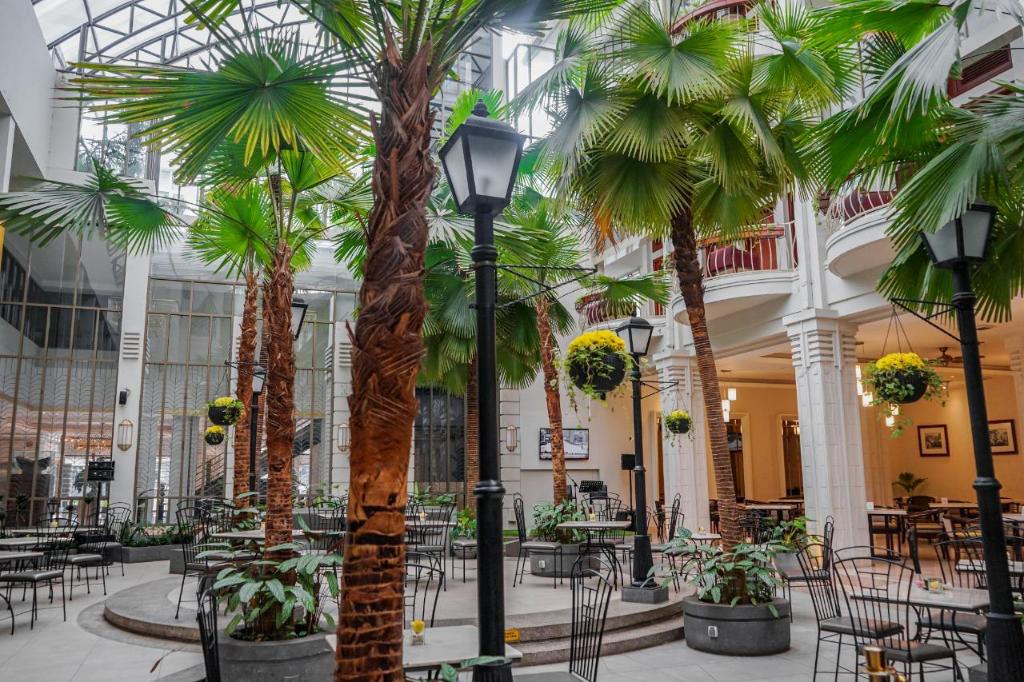
The continued operation and popularity of these colonial-era hotels underscore a growing appreciation for heritage tourism in Indonesia. They offer a unique narrative that goes beyond typical travel experiences, providing insights into the archipelago’s complex history, architectural evolution, and the development of its hospitality sector. As Indonesia continues to position itself as a global tourism destination, these historical hotels stand as invaluable assets, offering a rich tapestry of stories and experiences that resonate with travelers seeking depth and authenticity in their journeys. Their preservation and continued operation are crucial for maintaining a vital link to Indonesia’s past and for enriching the nation’s tourism offerings for generations to come.