Lina Irawan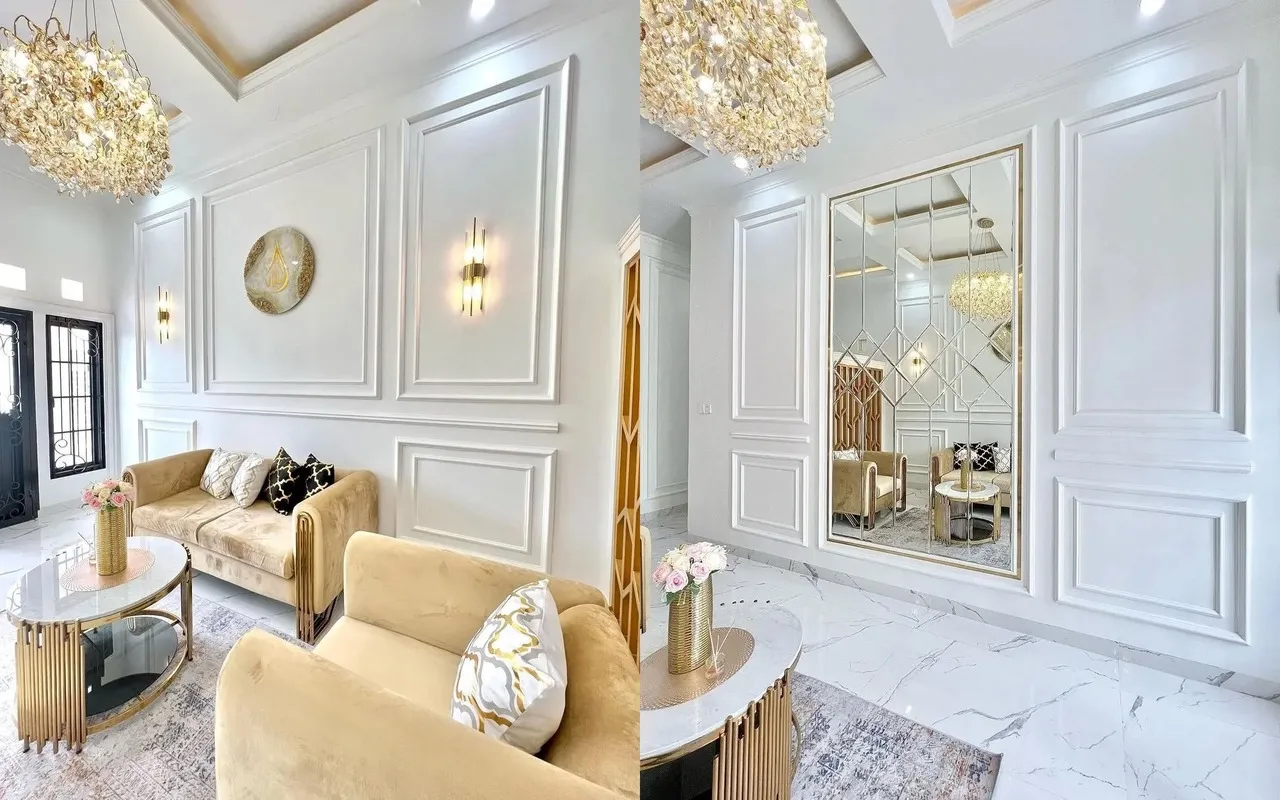
The landscape of interior design is continually evolving, with homeowners increasingly seeking sophisticated, personalized, and visually dynamic spaces that transcend the limitations of conventional painted or tiled surfaces. A prevailing trend sees the strategic combination of wall moulding, micro-textured materials, and wall panels emerge as a powerful trio for significantly enhancing the visual standard and tactile experience of residential interiors. These dimensional finishes introduce a depth and character that simple paint cannot achieve, transforming flat walls into focal points of aesthetic interest.
However, the allure of these elevated finishes comes with specific considerations, particularly regarding their long-term care and installation requirements. Wall moulding, with its intricate profiles, necessitates routine dusting to prevent accumulation in its crevices. Micro-textured materials often demand periodic application of stain-resistant sealants to preserve their pristine appearance. Meanwhile, wall panels, especially those crafted from natural wood, are sensitive to fluctuations in room humidity, requiring a stable environment to prevent warping or mold growth. Recognizing these nuances, industry experts and design professionals emphasize the critical importance of understanding the technical prerequisites and maintenance commitments before embarking on such transformations.
The Paradigm Shift from Conventional Wall Coverings
For decades, ceramic tiles have been the go-to choice for wall surfaces in utilitarian areas like bathrooms and kitchens, primarily lauded for their ease of cleaning and water resistance. Yet, their inherent properties often lend a cold, sterile, and rigid ambiance, making them less suitable for spaces intended to evoke warmth, comfort, and intimacy, such as living rooms or bedrooms. The prominent grout lines inherent in ceramic installations contribute to a visually fragmented wall surface. Over time, these grout lines are prone to accumulating dirt, discoloration, or even crumbling, necessitating tedious and often ineffective scrubbing or costly re-grouting. This aesthetic and maintenance burden has spurred a significant shift in design preferences, pushing homeowners and designers alike towards more integrated, sophisticated, and tactile wall finishes that offer both visual appeal and improved longevity.
1. Wall Moulding: A Timeless Architectural Element Reimagined

Wall moulding, a design element with roots tracing back to classical antiquity, has experienced a significant renaissance, becoming a cornerstone in contemporary and transitional interior design. Beyond its traditional role in formal European interiors, modern applications leverage moulding to break down expansive wall planes into more visually appealing proportions. This allows for the creation of diverse patterns—from crisp geometric boxes and elegant vertical lines to abstract asymmetrical frames—without requiring any structural modification to the underlying brickwork. Moulding effectively adds architectural detail, defines spaces, and can even manipulate the perception of room height or width.
The material options for wall moulding are diverse, each presenting a unique balance of aesthetics, durability, and cost.
- Solid Wood: Historically the most prestigious option, solid wood moulding offers unparalleled durability, a rich natural aesthetic, and a robust feel. However, its premium cost and susceptibility to expansion and contraction with extreme climate fluctuations make it a more demanding choice in certain environments.
- Polyurethane (PU): Increasingly favored by contractors, PU moulding is lightweight, completely impervious to termites, and highly resistant to moisture. These properties make it an excellent choice for a variety of rooms, including those with higher humidity levels. PU also offers precise detailing and is readily paintable.
- WPC (Wood Plastic Composite): WPC combines wood fibers with plastic, resulting in a highly durable, moisture-resistant, and dimensionally stable material. It offers a wide array of pre-fabricated profiles and is often considered a more sustainable option due to its composite nature.
- Gypsum: While the most economical option and widely available, gypsum moulding is relatively fragile. It is prone to chipping or cracking upon accidental impact from furniture, making it less ideal for high-traffic areas or homes with active lifestyles.
Maintenance for Wall Moulding:
The intricate profiles and subtle protrusions of wall moulding naturally collect dust. Regular cleaning with a microfiber duster is essential, ideally on a weekly basis, to prevent buildup. Fingerprints or minor smudges can typically be wiped away with a damp cloth. It is crucial to avoid harsh chemical cleaners, as these can erode the paint finish and damage the material. In the event of minor scuffs or chips, prompt repair using wood putty (for wood/WPC) or joint compound (for gypsum/PU) followed by a touch-up with matching paint is recommended to prevent further damage and maintain a seamless appearance. Proper installation and painting are key to its longevity, with a well-maintained moulding lasting well over a decade.
2. Material Microtexture: The Art of Subtle Depth
The desire for walls that offer tactile engagement without bold patterns has led to the surge in popularity of micro-textured materials. These finishes, unlike traditional paint, impart a subtle, almost organic depth and richness, creating a sophisticated backdrop that complements various interior styles, from minimalist to industrial chic.
- Microcement: This versatile, polymer-modified cement-based coating can be applied thinly over existing surfaces, creating a seamless, durable, and highly contemporary finish. Available in a vast palette of colors and capable of various textures (from ultra-smooth to slightly gritty), microcement is increasingly used not only on walls but also floors, countertops, and even furniture. It offers excellent adhesion, durability, and, when properly sealed, significant water resistance, making it suitable for wet areas.
- Venetian Plaster: An ancient Italian technique, Venetian plaster uses slaked lime and marble dust to create a highly polished, multi-tonal surface that mimics the look of natural stone. Its subtle variations and depth catch the light beautifully, adding an unparalleled sense of luxury and history to a space. It is breathable and durable but requires skilled application.
- Limewash: This traditional paint finish, made from lime and natural pigments, creates a soft, chalky, and mottled appearance with subtle variations in color and texture. It offers an organic, understated elegance and has excellent breathability, making it suitable for older homes or those seeking a rustic yet refined aesthetic. Limewash is also naturally antibacterial and anti-fungal.
- Textured Paints: Modern advancements in paint technology have introduced textured paints that incorporate fine aggregates, giving walls a sand-like, stucco, or even suede-like finish. These are generally easier to apply than microcement or plaster but offer less depth and durability.
Maintenance for Micro-Textured Materials:
The maintenance of micro-textured surfaces largely depends on the specific material and whether it has been properly sealed. For microcement, periodic re-sealing (typically every 3-5 years) is crucial, especially in high-traffic or wet areas, to maintain its stain resistance and durability. General cleaning involves wiping with a soft, damp cloth and mild, pH-neutral cleaners. Abrasive cleaners or harsh scrubbing can damage the finish. For limewash, due to its delicate, porous nature, spot cleaning is challenging. As noted in expert advice, minor scuffs or stains on limewash walls are best remedied by carefully touching up the affected area with leftover original limewash mixture, rather than attempting to scrub or aggressively clean. The inherent variations of limewash often make such repairs blend seamlessly.

3. Wall Panels: Efficiency Meets Aesthetic Innovation
Wall panels represent an efficient and aesthetically impactful solution for transforming interior spaces, offering a clean, dust-free installation process that bypasses the need for traditional plastering and wet finishing. This makes them particularly advantageous for renovations in occupied homes or apartment units, minimizing disruption and noise.
- Fluted Wood Panels (or Slatted Panels): Characterized by their vertical grooves or slats, these panels are celebrated for their ability to visually elongate a room, making ceilings appear higher. They are frequently utilized as feature walls behind televisions, as headboards in bedrooms, or to create a modern, architectural backdrop. Material options include MDF (Medium-Density Fiberboard) with veneer, solid wood, or WPC, offering various grain patterns and finishes.
- Upholstered Panels: These panels, covered in fabric or leather and often padded with foam, introduce a luxurious softness and significant acoustic benefits to a room. They are ideal for bedrooms, home theaters, or studies where sound dampening and a cozy atmosphere are desired. The choice of fabric (velvet, linen, synthetic blends) or leather allows for extensive customization in texture and color.
- Natural Wood Veneer Panels: Representing the pinnacle of panel luxury, these panels showcase the unique grain patterns of real wood veneers. Techniques like "book-matching," where adjacent veneer sheets are arranged to create a symmetrical, mirrored pattern, highlight the wood’s natural beauty and artistry. These panels infuse a space with warmth, elegance, and a sense of bespoke craftsmanship.
- 3D Panels: Made from materials like gypsum, PVC, or bamboo fiber, these panels feature sculpted, repeating patterns that create dramatic shadows and highlights, adding dynamic visual interest.
Maintenance for Wall Panels:
The longevity and appearance of wall panels are highly dependent on maintaining a stable indoor climate. Extreme humidity can lead to mold growth behind panels, particularly those made from wood-based materials, while overly dry conditions can cause wood panels to warp or crack. Consistent air circulation and appropriate humidity control (e.g., using humidifiers/dehumidifiers) are vital.
- Fluted/Slatted Panels: The grooves of these panels are prone to dust accumulation. Regular vacuuming with a narrow crevice tool, ideally every two weeks, is essential to keep them clean and prevent allergic reactions for sensitive individuals.
- Upholstered Panels: These require weekly vacuuming with an upholstery attachment to remove dust and allergens. Spills on fabric or leather panels should be addressed immediately; for significant liquid stains, professional cleaning services are often necessary to prevent permanent damage or discoloration.
- Natural Wood Veneer Panels: To prevent uneven fading or discoloration, wood veneer panels should be shielded from direct, prolonged sunlight. Periodic wiping with a soft cloth treated with a natural oil-based wood cleaner or polish helps to nourish the wood and maintain its luster.
The Art of Integration: Combining Materials and Lighting
The strategic combination of different dimensional finishes within a single space is not only feasible but can yield breathtaking results, provided there is a thoughtful approach to proportion and balance. Imagine a contemporary living room where the base walls are finished with a subtle grey microcement, offering an industrial-chic foundation. Against this, minimalist wall moulding in a complementary neutral tone frames a striking decorative light fixture, drawing the eye. As a focal point, a section of walnut-colored fluted wood panels might be installed, adding warmth, texture, and a touch of organic modernism.
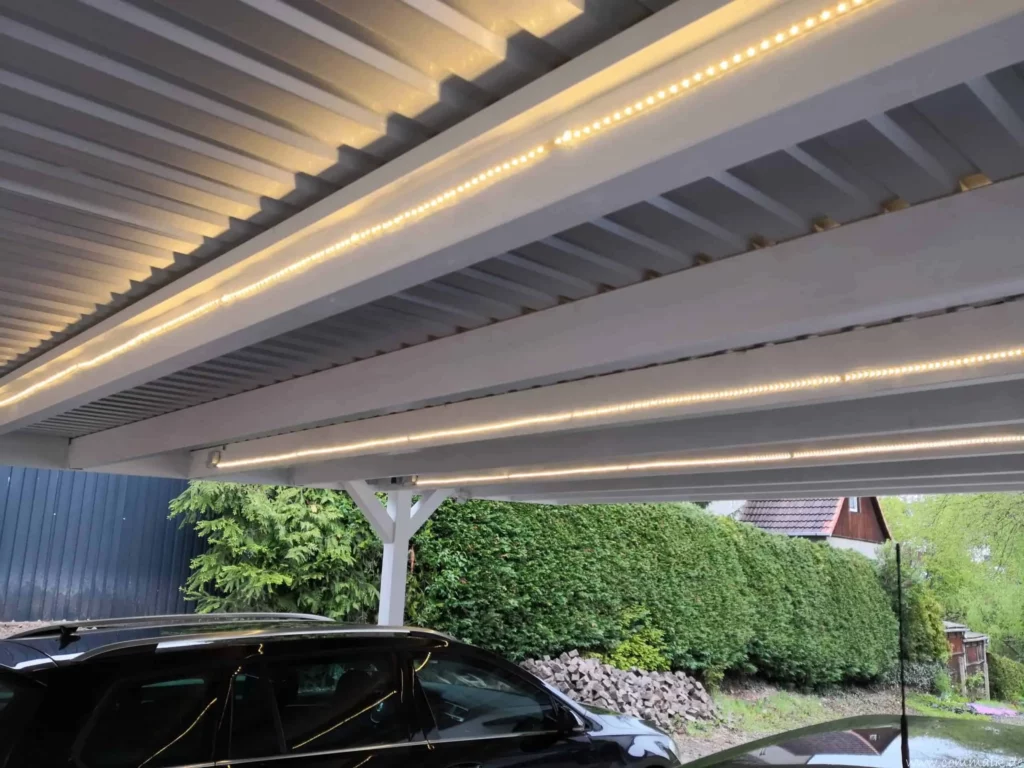
To truly accentuate the textures and depths created by these materials, lighting plays a pivotal role. Flat, overhead lighting emanating from the center of the room will diminish their visual impact. Instead, "grazing light" techniques are highly effective. This involves installing concealed LED strips along the periphery of the ceiling, directing light downwards across the wall surface. This raking light dramatically highlights the contours of moulding, the subtle variations of micro-textures, and the vertical lines of fluted panels, bringing the wall to life. Additionally, wall-mounted sconces that cast light both upwards and downwards, particularly with a warm white color temperature, can create a cozy, inviting ambiance while still emphasizing the textured surfaces. Layered lighting, incorporating ambient, task, and accent elements, allows for dynamic control over the room’s mood and visual emphasis.

Navigating the Installation Landscape: Common Pitfalls and Best Practices
While the aesthetic rewards of dimensional wall finishes are significant, several common pitfalls can compromise the final outcome if not addressed during the planning and installation phases.
- Over-Saturation: Applying textured materials or panels to every wall in a room can create a visually overwhelming and claustrophobic environment. Design experts recommend limiting such finishes to a maximum of two focal walls within an open area, allowing the remaining walls to maintain a neutral, plain finish to provide visual relief and balance.
- Surface Imperfections: The flawless appearance of wall panels and moulding is contingent upon a perfectly flat and plumb underlying wall surface. Attempting to install these finishes on an uneven or wavy wall will, paradoxically, accentuate the wall’s imperfections rather than conceal them. Ensuring the wall is meticulously prepared, with a smooth, level, and true finish, is paramount before any final cladding is applied.
- Pre-Planning for Utilities: A crucial oversight often occurs regarding electrical outlets and cable routing. It is imperative to meticulously plan the placement of all power outlets, switches, and cable conduits (e.g., for televisions, sound systems) before panel installation. Drilling haphazardly into expensive wood panels after installation due to forgotten wiring pathways can be a costly and aesthetically damaging mistake. Integrating these functional elements seamlessly into the design from the outset ensures a clean, professional finish.
- Moisture Management: As previously highlighted, extreme fluctuations in humidity are the arch-nemesis of many dimensional finishes, particularly those made from wood or gypsum. Maintaining stable room humidity through proper ventilation, potentially using dehumidifiers in damp climates or humidifiers in dry climates, is critical for preventing issues like mold, warping, or delamination.
Cost-Benefit Analysis and Execution Strategies
On paper, the initial outlay for ceramic tiles might appear more budget-friendly than investing in solid panels or microcement. However, a long-term perspective often reveals a different financial narrative. Over a lifespan of fifteen to twenty years, dimensional finishes, when properly installed and maintained, can liberate homeowners from the recurrent headaches and expenses associated with crumbling grout lines, faded paint, or the need for frequent repainting. The process of refreshing moulding paint or re-applying a protective sealer to micro-textured walls is significantly less disruptive and less messy than undertaking a full ceramic tile replacement or extensive wall repainting.
Key Considerations During Project Execution:
- Physical Samples are Non-Negotiable: Before finalizing any material choices, demand physical samples from your contractor. Computer-generated 3D renderings, while helpful, often fail to accurately represent the true color, texture, and sheen of materials. Physically touch the samples and, crucially, observe them in the actual room to be renovated under varying light conditions—morning daylight, midday sun, and evening artificial lighting—to ensure the color and texture meet your expectations.
- Transparent Budgeting and Contractor Communication: Engage in an open and detailed discussion about your budget with your contractor. An experienced professional can offer strategic cost-saving solutions, such as allocating the highest-end materials to a primary focal wall while opting for more economical yet complementary alternatives for less prominent areas.
- Warranty and Guarantees: Before any work commences, ensure that the contractor provides a clear, written warranty for both the materials and the installation. This documentation safeguards your investment and clarifies the scope of responsibility should any issues arise post-installation.
Expert Q&A: Addressing Common Concerns

Can wall moulding be used in small homes?
Absolutely. In smaller spaces, strategic use of simple, vertical moulding designs can effectively create an illusion of higher ceilings and add elegance without overwhelming the room. It is advisable to avoid overly elaborate or multi-layered European-style designs, which can make a small room feel even more constricted.
How does microtexture durability compare to standard wall paint?
When professionally applied and properly sealed, micro-textured finishes like microcement can boast an impressive lifespan of 15-20 years or even more, maintaining their aesthetic integrity. In contrast, standard wall paint typically begins to fade, chip, or peel within 3-5 years, necessitating repainting. The key to microtexture’s longevity lies in the periodic reapplication of its protective sealer, generally recommended every 5 years.
Is it safe to install wood panels in a wet bathroom?
Genuine wood panels or those made from MDF are highly susceptible to rot, swelling, and mold growth in perpetually damp environments. For areas like wet bathrooms that require a fluted or textured look, it is far safer to opt for specialized exterior-grade WPC (Wood Plastic Composite) panels, which are designed for moisture resistance, or to explore ceramic tiles specifically manufactured with a fluted or wood-like surface texture.
Are fluted panels a concern for allergy sufferers?
Yes, the grooves of fluted panels can indeed accumulate dust over time, potentially triggering allergies if neglected for extended periods. The solution is straightforward: implement a consistent cleaning routine. Weekly vacuuming of the panel crevices using a vacuum cleaner equipped with a small brush or crevice tool is highly recommended to minimize dust buildup.
How should limewash walls be repaired if marked by a child’s crayon or marker?
Textured walls, especially delicate finishes like limewash, cannot be aggressively scrubbed or treated with harsh chemical cleaners without risking damage or altering the finish. For crayon or marker stains on a limewash wall, the most effective approach is to directly apply a small amount of the original limewash mixture to the affected area, effectively layering over the mark. The natural variations inherent in limewash typically allow these touch-ups to blend seamlessly once dry.
By Tim InteriorDesign.ID