Lina Irawan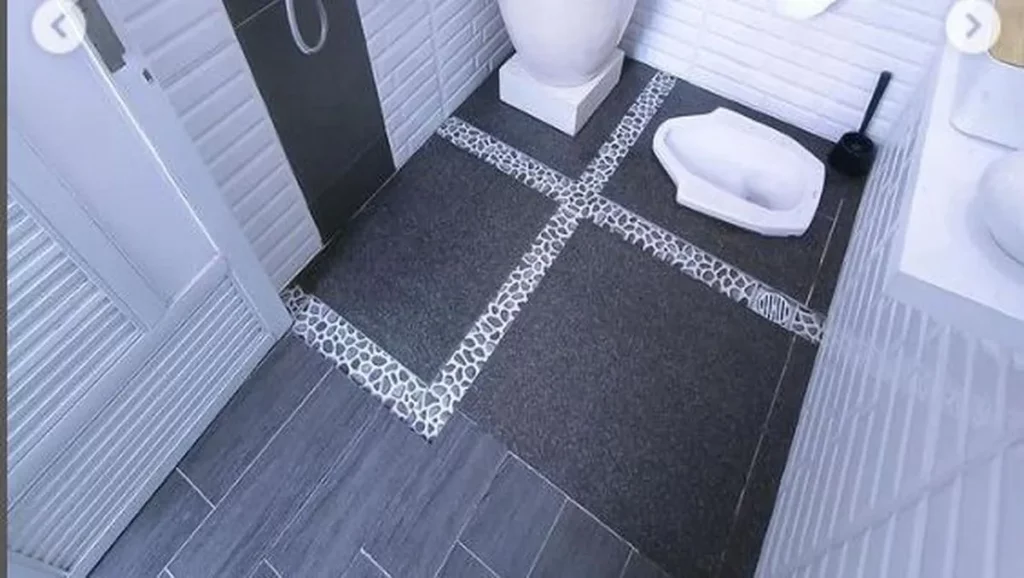
InteriorDesign.ID – The bathroom, often considered a sanctuary for relaxation and personal care, paradoxically remains one of the most hazardous areas within any home. Statistics consistently highlight it as a primary location for household falls, particularly impacting vulnerable populations such as young children and the elderly. While the aesthetic appeal of a luxurious, gleaming floor might be tempting, the paramount importance of safety cannot be overstated. This article delves into the critical considerations for designing and maintaining anti-slip bathroom floors, moving beyond superficial aesthetics to embrace functional safety and long-term practicality.
The stark reality on the ground often presents a complex dilemma: while textured natural stone, matte porcelain, or mosaic tiles with R10-R11 slip resistance ratings are widely recommended, their practicality in daily maintenance is frequently overlooked by material vendors. The core challenge lies in balancing robust slip resistance with ease of cleaning – a balance crucial for homeowners who wish to avoid becoming "slaves to the toilet brush" every weekend. This guide aims to navigate these complexities, offering informed solutions that prioritize safety without compromising on design or demanding excessive upkeep.
The Hidden Dangers of Bathroom Falls: A Statistical Overview
The prevalence of bathroom-related injuries underscores the urgency of proactive safety measures. According to data from the Centers for Disease Control and Prevention (CDC) in the United States, hundreds of thousands of nonfatal fall injuries occur in bathrooms annually, with a significant percentage requiring emergency medical attention. These incidents often result in serious injuries, including fractures, head trauma, and sprains, leading to substantial healthcare costs and a diminished quality of life for those affected. For the elderly, a fall can initiate a cascade of health complications, loss of independence, and increased mortality risk. Children, with their impulsive movements and developing coordination, are also highly susceptible to slips and falls on wet surfaces.
The primary culprit behind these accidents is the reduced coefficient of friction when water, soap, or other liquids interact with standard flooring materials. A glossy, polished marble or ceramic tile, while exuding an air of luxury reminiscent of hotel lobbies, becomes incredibly treacherous when wet, its grip rapidly diminishing. Therefore, prioritizing the inherent function and safety of bathroom flooring over purely visual appeal is not merely a recommendation but an imperative. Fortunately, it is entirely possible to achieve both an aesthetically pleasing and safe bathroom environment through judicious material selection, appropriate tile sizing, and intelligent installation techniques.
Understanding Slip Resistance: The R-Rating Standard
To standardize the measurement of a floor material’s slip resistance, tile manufacturers typically adhere to specific rating systems. One of the most widely recognized international standards is the DIN 51130 ramp test, which assigns an "R-rating" (R for rutschhemmung, German for slip resistance). This test involves an individual walking forward and backward on a tiled ramp, which is progressively inclined while being lubricated with oil. The angle at which the person begins to slip determines the tile’s R-rating:

- R9: Suitable for dry areas with minimal slip risk (e.g., general residential areas). Not recommended for wet bathrooms.
- R10: Moderate slip resistance, suitable for bathrooms, kitchens, and commercial areas with occasional wetness.
- R11: High slip resistance, ideal for wet areas like showers, utility rooms, and outdoor spaces where water is frequently present.
- R12 & R13: Very high slip resistance, typically used in industrial kitchens, swimming pool surrounds, or heavy-duty outdoor applications.
For residential bathrooms, especially the shower area, experts and safety consultants consistently recommend tiles with an R10 or R11 rating. This level of slip resistance provides a crucial balance between safety and maintainability. When selecting tiles, it is crucial to verify the R-rating on the product packaging or consult with the vendor for the material’s technical specifications. Relying solely on visual inspection can be misleading, as some seemingly textured tiles may not offer adequate grip when wet.
The Material Conundrum: Texture vs. Grout Lines
When considering anti-slip options for wet areas, consumers are generally presented with two primary choices: tiles with pronounced surface texture or small-format/mosaic tiles that rely on their abundant grout lines for grip. Each approach offers distinct advantages and disadvantages, particularly concerning long-term maintenance.
Textured Surfaces: The Grip of Roughness
Materials such as matte porcelain, natural stone with a rustic finish, or ceramic tiles featuring embossed patterns are designed to create friction underfoot, significantly reducing the risk of slipping when wet. Their surfaces are engineered to provide a strong grip, making them an ideal choice for households with elderly residents or young children who require stable footing. The tactile sensation of these floors often feels secure and reassuring.
However, the very features that enhance their safety can complicate their upkeep. The microscopic crevices and undulating surfaces of textured tiles are prone to accumulating soap scum, body oils, mineral deposits from hard water, and general grime. Without proper and consistent cleaning, these residues can harden into a transparent, slippery film, effectively negating the tile’s inherent anti-slip properties. Furthermore, in bathrooms with inadequate ventilation, moisture retention in these textures can foster mold and mildew growth, leading to unsightly discoloration and persistent odors. Cleaning these surfaces often requires more vigorous scrubbing and specialized brushes to reach into every nook and cranny, a task many homeowners find cumbersome.
Small-Format and Mosaic Tiles: The Power of Grout Lines
An alternative approach to achieving slip resistance involves using smaller tiles, such as 10×10 cm ceramic squares or hexagonal mosaics. While the individual tile surface might be smoother than a highly textured option, the sheer volume of grout lines created by their installation acts as a natural braking mechanism for the foot. Each grout line provides a tangible point of friction, collectively enhancing the overall grip of the floor.

This method offers a pragmatic compromise: homeowners can select tiles with a slightly smoother surface, which are generally easier to wipe clean, while still benefiting from a high degree of slip resistance. Visually, mosaic patterns can also add intricate detail and character to a bathroom, creating a sense of depth and artistry. The downside, however, mirrors that of textured tiles: the increased number of grout lines directly translates to a larger surface area requiring dedicated maintenance.
Grout Matters: Beyond Aesthetics to Functionality
The material used to fill the spaces between tiles, known as grout, plays an unexpectedly crucial role in both the safety and long-term aesthetics of a bathroom floor. Its characteristics significantly influence how easy or difficult the floor will be to maintain.
Traditional Grout Challenges
Standard cement-based grout, while economical and widely available, is inherently porous. This porosity makes it highly susceptible to absorbing water, soap residues, and cleaning agents. Over time, this absorption leads to discoloration, with white grout often turning yellow, brown, or even black due to the accumulation of dirt, mold, and mildew. Cleaning discolored grout typically requires specialized brushes and considerable elbow grease, often leading to frustration and fatigue. The integrity of cement grout can also be compromised by harsh chemical cleaners, causing it to erode or crack, further exacerbating hygiene issues.
The Epoxy Grout Solution
A superior alternative for wet areas is epoxy grout. Unlike its cement-based counterpart, epoxy grout is made from a resin mixture, rendering it non-porous, waterproof, and highly resistant to stains, chemicals, and mold growth. Its non-absorbent nature means that soap scum and dirt sit on the surface rather than penetrating, making cleaning significantly easier – often just a simple wipe down. The color of epoxy grout remains vibrant and consistent over time, resisting the yellowing or blackening common with traditional grouts, even with daily exposure to water and soap. While the initial cost and installation complexity of epoxy grout are higher, its durability and low maintenance requirements often translate to long-term savings and greater homeowner satisfaction.
Strategic Grout Color Choices
Beyond material, the color of the grout also contributes to the floor’s perceived cleanliness and maintenance burden. Opting for darker grout colors, such as dark grey or black, can cleverly camouflage minor dirt, dust, and hair strands that inevitably accumulate in a bathroom. When combined with mosaic tiles and epoxy grout, this strategy offers an optimal solution: a highly slip-resistant floor that demands less frequent deep cleaning, allowing for a more relaxed weekend schedule. For medium-sized tiles (20×20 cm to 30×30 cm), a grout line thickness of 2mm to 3mm is generally recommended. This width is sufficient to provide ample friction for foot traction without being so wide that it becomes an excessive dirt trap.

Optimal Flooring Material Choices for Enhanced Safety
Beyond the general categories of textured or small-format tiles, specific materials offer unique benefits for creating anti-slip bathroom floors:
-
Matte Porcelain: Porcelain tiles are renowned for their low water absorption rate, making them exceptionally durable and resistant to moisture damage. A matte finish provides a naturally stable footing without requiring an overly abrasive texture. Matte porcelain is also highly versatile, available in a vast array of designs, including realistic wood grains, concrete looks, and natural stone aesthetics, allowing for significant design flexibility. Its non-porous nature makes it easy to clean and resistant to stains and mold. For wet areas, using 30×30 cm tiles or smaller maximizes the benefit of grout lines.
-
Natural Stone (e.g., Andesite, Candi Stone): For those aiming for a tropical resort-inspired aesthetic, natural stones like andesite or candi stone offer an inherently rough and tactile surface. Their organic textures provide excellent natural grip. However, natural stone is porous and can absorb water and soap residues, potentially leading to discoloration or the growth of microorganisms if not properly sealed. It is crucial to apply a protective sealant annually to maintain its integrity and non-slip properties. While visually stunning, natural stone often requires a higher level of maintenance and care compared to porcelain.
-
Terrazzo (Unpolished): Composed of chips of marble, granite, quartz, or glass embedded in a cementitious binder, terrazzo offers a unique blend of durability and aesthetic appeal. The varied texture created by the aggregate chips provides effective slip resistance. Its speckled pattern is also highly effective at camouflaging minor dirt, dust, and hair. The key is to select an unpolished variant, as polished terrazzo can become very slippery when wet. Terrazzo is a robust material that can last for decades with proper care.
-
Vinyl SPC (Stone Plastic Composite): Modern vinyl flooring has evolved significantly, with Stone Plastic Composite (SPC) being a robust, waterproof option suitable for bathrooms. Its core is made from a blend of natural limestone powder, polyvinyl chloride, and stabilizers, making it incredibly durable and dimensionally stable. Many SPC vinyl planks feature embossed textures, such as wood grains, that provide adequate grip. However, proper installation is paramount: the subfloor must be perfectly level, and a meticulously applied waterproofing layer underneath is essential to prevent any water seepage that could compromise the adhesive or subfloor. SPC vinyl offers a warm underfoot feel and a wide range of aesthetic options, often at a more accessible price point than natural stone or high-end porcelain.

Strategic Tile Sizing for Safety and Aesthetics
The size of the tiles chosen can dramatically influence both the perceived spaciousness of a bathroom and its safety profile.
-
For Smaller Bathrooms: In compact spaces, such as bathrooms measuring approximately 1.5 x 1.5 meters, large tiles (e.g., 60×60 cm) can overwhelm the area, making it feel even smaller and more cluttered. Instead, opting for smaller tiles like 20×20 cm or elegant hexagonal mosaics will create a more proportionate and visually harmonious effect. Crucially, the increased number of grout lines from smaller tiles naturally enhances slip resistance, a double benefit in confined wet areas.
-
For Larger Bathrooms: In expansive bathrooms, an abundance of small tiles might create a visually busy and somewhat disorienting effect. Here, larger format tiles, such as 40×40 cm or 60×60 cm with a matte finish, can create a sense of grandeur and continuity. To ensure safety in critical wet zones like the shower, a clever design trick is to cut these larger tiles into smaller segments specifically for the shower pan. This preserves the aesthetic consistency of the material while introducing additional grout lines where slip resistance is most critical, without resorting to entirely different tile types.
Designing for Vulnerable Populations: The Elderly and Children
When designing a bathroom for multi-generational homes or specifically for the elderly, universal design principles should be integrated to maximize safety and accessibility.
- Seamless Transitions: Eliminate all steps or thresholds, particularly between the main bathroom floor and the shower area. A walk-in shower with a curbless entry is far safer and more accessible than a traditional bathtub, which requires a high step-over.
- Visual Contrast: For individuals with declining vision, clearly defined visual boundaries are essential. Choose flooring that contrasts distinctly in color or shade from the wall tiles. This contrast helps the elderly discern the transition between horizontal and vertical surfaces, reducing the risk of missteps.
- Support Systems: Anti-slip flooring alone may not suffice. Installing grab bars near the toilet and inside the shower is paramount. These should be securely bolted directly into wall studs or concrete for maximum load-bearing capacity. They provide crucial support for balance and movement.
- Seating Options: Integrating a folding shower seat or a built-in bench within the shower area offers a safe place to rest or sit while showering. Showering while seated significantly reduces the risk of falls and conserves energy for individuals with limited mobility.
- Optimal Lighting: Ensure adequate, glare-free lighting throughout the bathroom to enhance visibility and reduce shadows that could obscure potential hazards.
In-Store Verification: How to Test Slip Resistance
Purchasing tiles based solely on catalog photos or online descriptions can be misleading. A practical, hands-on test at the building material store can provide invaluable insight into a tile’s actual slip resistance.

- Request a Sample: Always ask for a physical sample of the tile you are considering.
- Simulate Wet Conditions: In a safe, designated area of the store, place the tile sample on a slightly inclined surface (if possible) or simply on a flat floor. Pour a small amount of water onto its surface.
- Perform a Hand Test: Gently push your open palm across the wet surface of the tile, applying moderate pressure.
- Assess the Grip: If your hand slides easily with minimal resistance, the tile’s slip resistance is likely inadequate for a wet bathroom floor. If, however, your hand feels a noticeable drag or resistance, indicating a good grip, the tile is a more suitable candidate.
- Examine Texture: Pay close attention to the tile’s texture. Does it feel genuinely abrasive or subtly textured, or does it feel slick even when dry?
- Confirm R-Rating: Always double-check the manufacturer’s specifications for the R-rating with the sales assistant. This data provides an objective measure of slip resistance.
Sustaining Safety: Effective Floor Maintenance Regimes
Even the most slip-resistant floor can become hazardous if neglected. The accumulation of soap scum, body oils, and mineral deposits can create a transparent, slick film that effectively neutralizes the tile’s grip. Regular cleaning is not just about hygiene; it’s about preserving the functional integrity of your anti-slip flooring.
Daily Habits for Prevention
A simple daily routine can significantly mitigate the buildup of slippery residues:
- Immediate Rinse: After the last person has finished showering, quickly rinse the shower floor and surrounding area with hot water. Hot water helps to dissolve soap and oil residues more effectively than cold water.
- Quick Squeegee: Use a long-handled squeegee to push excess water towards the floor drain. A dry floor inhibits the growth of mold and mildew and prevents the formation of hard water stains and soap scum.
- Ventilation: Ensure adequate ventilation by opening a window or running the exhaust fan for at least 15-20 minutes after each shower. Good airflow helps to dry surfaces quickly and reduces overall humidity.
Weekly Deep Cleans: Protecting Your Investment
For weekly deep cleaning, choose your products wisely:
- Avoid Harsh Acids: Steer clear of cleaners containing high concentrations of hydrochloric acid (HCl). While these products are effective at dissolving tough grime, they can be corrosive to grout lines, particularly cement-based ones, and can slowly degrade the porous surfaces of textured tiles, potentially compromising their long-term durability and appearance.
- Gentle and Effective Solutions: A mixture of warm water, a small amount of white vinegar, and a few drops of dish soap provides an effective yet gentle cleaning solution. The vinegar helps to cut through soap scum and mineral deposits, while the dish soap aids in lifting dirt.
- Thorough Scrub and Rinse: Use a stiff-bristled brush (but not one so abrasive that it scratches the tile) to scrub the floor gently. Rinse thoroughly with clean water until the floor feels completely free of any slick residue.
- Avoid Wax-Based Cleaners: For textured or porous floors, avoid any cleaning products that contain wax or leave a film. These can fill in the microscopic textures designed for grip, rendering the floor slippery.
Aesthetic Choices: Hiding Imperfections with Color and Pattern
The color and pattern of your bathroom floor can subtly influence how often you perceive the need for cleaning and how well it camouflages everyday grime.
- Cement-Grey Tones: Floors in shades of cement-grey are often the most forgiving. Their neutral, slightly mottled appearance effectively conceals dried water spots, minor dust, and stray hairs, making the bathroom appear cleaner for longer between deep cleans.
- Darker Colors and Hard Water: While dark colors like black can offer a sophisticated look, they pose a challenge in areas with hard water. White mineral deposits from dried water droplets become highly visible against a dark background, necessitating more frequent cleaning to maintain a pristine appearance.
- Busy Patterns: If you are drawn to vibrantly patterned or heavily textured tiles, consider balancing them with plain, neutral walls. This prevents the room from feeling visually overwhelming or "noisy," allowing the intricate floor pattern to be an artistic focal point without causing eye fatigue. Conversely, a simple floor can be paired with patterned walls for a different effect.
Ultimately, selecting an anti-slip bathroom floor is a thoughtful exercise in compromise. It involves weighing the desire for maximum grip against the realities of daily maintenance. The definitive standard remains the R10 or R11 slip resistance rating. By carefully considering material properties, strategic tile sizing, the advantages of epoxy grout, and implementing a consistent maintenance routine, homeowners can create a bathroom that is not only aesthetically pleasing but also a safe, secure, and easily managed space for every member of the household.