Azin Asro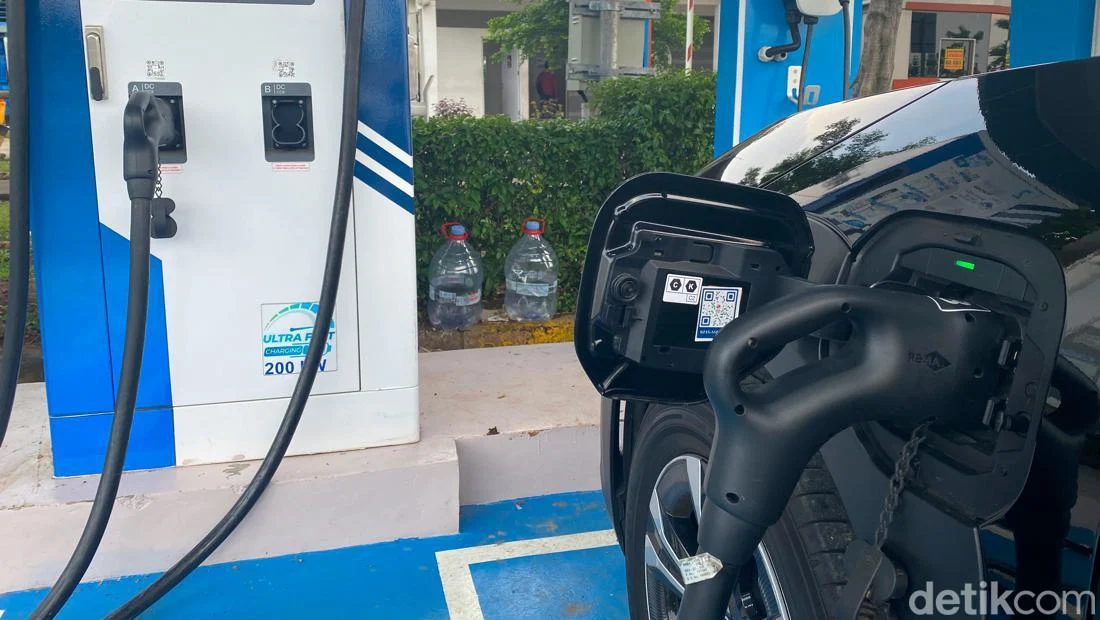
The global energy landscape is currently grappling with significant volatility as geopolitical tensions in the Middle East drive international crude oil prices to levels that threaten the fiscal stability of emerging economies. For Indonesia, the world’s largest archipelago and a significant net importer of oil, the surge in Brent and West Texas Intermediate (WTI) benchmarks beyond the $100 per barrel mark has ignited a critical debate regarding the sustainability of national energy subsidies. While the Indonesian government has maintained domestic fuel prices through early April 2024 to protect consumer purchasing power, the underlying pressure on the State Revenue and Expenditure Budget (APBN) is reaching a tipping point. This economic environment has shifted the discourse from environmental altruism to fiscal necessity, highlighting the urgent need for a massive transition to electric vehicles (EVs) to mitigate long-term economic risks.
The Geopolitical Catalyst and Fiscal Sensitivity
The primary driver behind the current price surge is the escalating conflict involving the United States, Israel, and Iran, which has disrupted supply chain expectations and added a significant "risk premium" to global oil trading. As a nation that relies heavily on imported refined fuel to meet domestic demand, Indonesia is uniquely vulnerable to these fluctuations. The Ministry of Finance and various economic think tanks have long warned that the national budget is highly sensitive to three main variables: the global price of oil, the exchange rate of the Rupiah against the US Dollar, and the volume of subsidized fuel consumed by the public.
M. Rizal Taufikurahman, the Head of the Center for Macroeconomics and Finance at the Institute for Development of Economics and Finance (Indef), has projected a sobering outlook for the nation’s fiscal health. According to Indef’s analysis, the allocation for energy subsidies could potentially skyrocket to Rp 210 trillion by 2026 if current trends persist and the transition to alternative energy sources remains sluggish. The sensitivity of the APBN is such that every $1 increase in the price of a barrel of oil can result in an additional fiscal burden of approximately Rp 6 trillion to Rp 7 trillion. When combined with a weakening Rupiah, which makes oil imports more expensive in local currency terms, the government faces a narrow path between maintaining social stability through subsidies and maintaining fiscal discipline.
A Chronology of the Energy and EV Policy Landscape
The current crisis did not emerge in a vacuum but is the result of a series of global and domestic developments over the past 24 months. To understand the urgency of the present situation, it is essential to look at the timeline of Indonesia’s energy policy:
- Late 2023: Global oil prices began to stabilize following post-pandemic fluctuations, allowing the Indonesian government to plan for a gradual reduction in energy subsidies.
- January 2024: Renewed tensions in the Middle East, particularly involving maritime security in the Red Sea, began to push logistics and insurance costs higher, indirectly affecting oil delivery prices.
- Q1 2024: The Indonesian government introduced several fiscal incentives for electric vehicles, including a Value Added Tax (VAT/PPN) reduction from 11% to 1% for qualifying models. This led to a surge in consumer interest and the entry of new global EV manufacturers into the Indonesian market.
- April 2024: Despite the global surge in crude prices, the government officially announced that fuel prices (BBM) would remain unchanged for the month to prevent an inflationary spike during the Eid al-Fitr holiday period.
- Mid-2024 Projection: Economists warn that the "subsidy gap"—the difference between the market price of oil and the regulated domestic price—is widening dangerously, necessitating a rethink of the 2025 and 2026 budget cycles.
The Economic Case for Electric Vehicle Transition
The transition to electric vehicles is increasingly viewed not just as a tool for decarbonization, but as a strategic "fiscal shield." Rizal Taufikurahman emphasizes that the substitution of internal combustion engine (ICE) vehicles with electric alternatives offers a direct path to reducing oil dependency. In a comprehensive simulation conducted by Indef, the impact of replacing 1 million conventional vehicles with electric units was analyzed. The results suggest that such a shift could save approximately 13 million barrels of oil per year.
On a national scale, this saving represents more than just a reduction in fuel consumption; it translates to a significant improvement in the national trade balance. By reducing the volume of imported oil, Indonesia can retain more foreign exchange reserves, which in turn supports the stability of the Rupiah. Furthermore, the 13 million barrels saved would directly alleviate the subsidy burden on the APBN, freeing up trillions of Rupiah for other high-priority sectors such as education, healthcare, and infrastructure.
The success of this transition, however, is heavily dependent on the continuity of government support. Between January and November 2025, the Indonesian EV market showed promising growth, with sales reaching approximately 82,000 units. This figure represents roughly 11% to 12% of the total national automotive market, a significant leap from previous years. This growth was largely attributed to the aggressive incentive packages provided by the government, which lowered the high entry cost of EV technology for the average consumer.
The "Incentive Cliff" and Market Uncertainty
Despite the positive momentum, the Indonesian EV industry faces a looming challenge: the expiration of current incentive programs. Most of the existing fiscal stimuli, including the VAT reductions and import duty exemptions for certain components, are scheduled to conclude in December 2025. As of early 2024, there has been a lack of clarity regarding whether these incentives will be extended into 2026 and beyond.
This uncertainty has already begun to affect market dynamics. Several automotive manufacturers have reportedly adjusted their pricing strategies, with some even increasing the "on-the-road" prices of their electric models in anticipation of the subsidy withdrawal. For the middle-class consumer, who is the primary driver of automotive sales in Indonesia, the price of an EV remains a significant barrier. Without the 10% VAT discount, many electric cars currently priced at the "sweet spot" of Rp 300 million to Rp 400 million would suddenly become unaffordable for a large segment of the population.
Rizal warns that if the stimulus is not continued, Indonesia risks losing the momentum it has built over the last two years. "The risk of a slowdown is very real," he noted. "When the fiscal incentives end, the price of EVs will naturally rise, narrowing the purchasing power of the community just as the technology was beginning to reach mass-market viability."
Infrastructure and Downstream Synergies
To complement the fiscal incentives, the Indonesian government has also been pushing for the development of a domestic EV ecosystem. This is tied to the national "Downstreaming" (Hilirisasi) policy, which seeks to leverage Indonesia’s massive nickel reserves—the largest in the world—to become a global hub for EV battery production.
By processing nickel domestically into battery cells, Indonesia aims to reduce the production costs of EVs significantly. Currently, the battery accounts for 30% to 40% of the total cost of an electric vehicle. If Indonesia can produce these batteries locally, the inherent cost of EVs will drop, potentially making them competitive with ICE vehicles even without government subsidies. However, the development of these processing plants and gigafactories takes years, and the current oil crisis requires a more immediate response.
In addition to manufacturing, the expansion of the Public Electric Vehicle Charging Station (SPKLU) network is critical. For many Indonesians, "range anxiety" and the lack of visible charging infrastructure remain primary deterrents. For the EV transition to truly relieve the fiscal pressure of oil imports, the government must ensure that charging an EV is as convenient as refueling at a Pertamina station.
Broader Socio-Economic Implications and Analysis
The implications of the current energy crisis extend far beyond the automotive sector. High oil prices historically correlate with increased costs for logistics and basic commodities in Indonesia. If the government is eventually forced to raise fuel prices due to an unsustainable subsidy burden, the resulting inflation could dampen consumer spending across the board.
From an analytical perspective, the transition to EVs serves as a hedge against this inflationary risk. By shifting the energy source for mobility from imported oil to domestically produced electricity—which can be generated from a mix of coal, gas, and increasingly, renewables—Indonesia gains greater control over its internal inflation rate.
Furthermore, the "1 million EV" goal is not just about the cars themselves; it is about the signal it sends to global investors. Consistent policy support for EVs demonstrates a commitment to a modern, resilient economy. Conversely, a flip-flop on incentives could signal instability, causing potential investors in the battery supply chain to look toward competitors like Vietnam or Thailand.
Conclusion and Strategic Recommendations
The convergence of Middle Eastern geopolitical instability and the looming fiscal cliff of 2026 has placed Indonesia at a crossroads. The data provided by Indef and other economic observers makes it clear that the status quo of heavy oil reliance is no longer fiscally tenable in an era of $100+ oil.
To navigate this crisis, industry experts and economists suggest a three-pronged approach:
- Extension of Fiscal Stimulus: The government must provide clear, long-term certainty regarding EV incentives beyond 2025 to maintain consumer confidence and manufacturer investment.
- Accelerated Infrastructure Deployment: Increasing the density of charging stations, particularly in urban centers and along major toll roads, is essential to move EVs from a niche luxury to a practical utility.
- Targeted Subsidies: If fiscal constraints require a reduction in overall spending, the government should consider transitioning fuel subsidies directly into "mobility credits" or incentives for EV conversion for public transport and logistics fleets, where the impact on oil consumption is highest.
As the world watches the volatility of the global oil market, Indonesia’s response will determine whether it remains vulnerable to external shocks or emerges as a leader in the new energy economy. The transition to electric vehicles is no longer just an environmental goal; it is a fundamental pillar of national economic security.