Nila Kartika Wati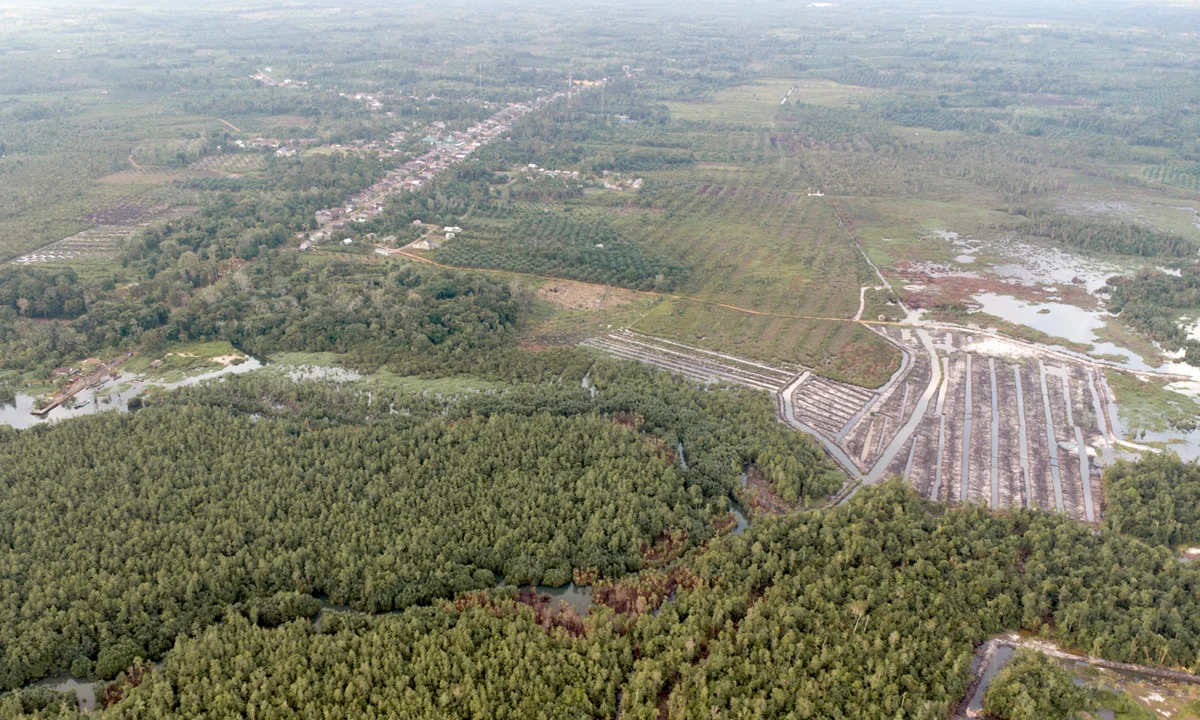
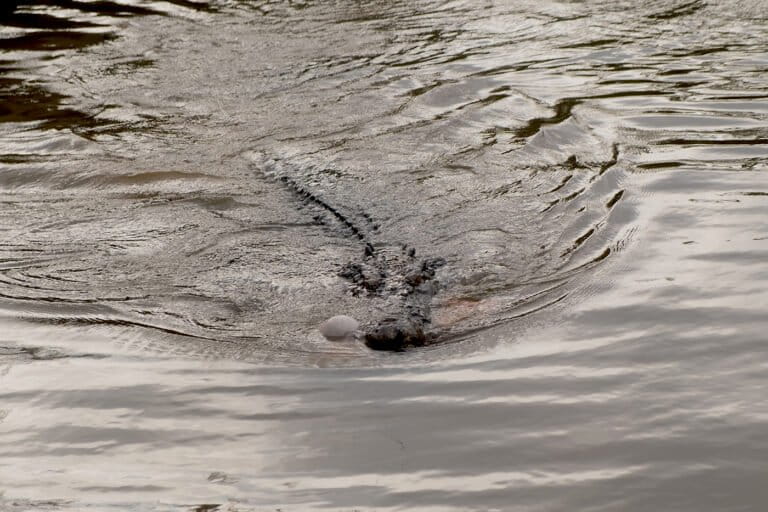
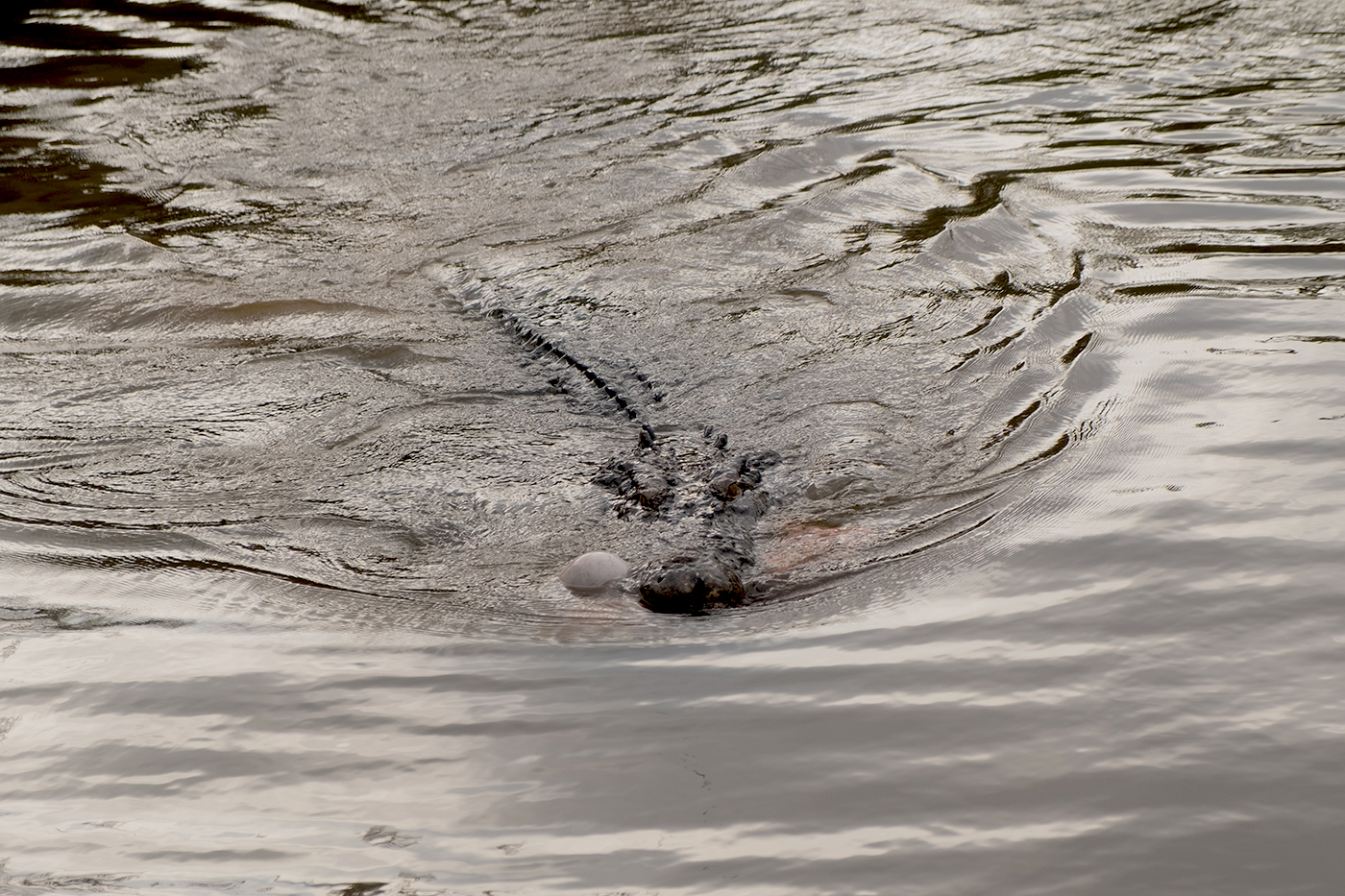
In the last three years, human-crocodile conflicts involving the saltwater crocodile (Crocodylus porosus) have permeated every district and city within the Bangka Belitung Islands, signaling what experts describe as a peak in the destruction of the province’s 1.6-million-hectare landscape. Data compiled by the Alobi Foundation from 2024 through the beginning of 2026 reveals a harrowing trend of escalating violence between residents and the apex predators, driven primarily by the systematic degradation of wetlands, mangroves, and river systems. This environmental crisis has moved beyond a mere conservation issue, evolving into a socio-economic and public safety emergency that threatens the traditional way of life for thousands of coastal and riverine inhabitants.
According to the comprehensive database maintained by the Alobi Foundation, Bangka Regency has emerged as the most volatile region, recording 24 distinct conflict cases within the specified timeframe. This is followed closely by South Bangka Regency with 16 cases, the provincial capital of Pangkalpinang with 12 cases, and West Bangka Regency with 7 cases. Central Bangka, Belitung, and East Belitung Regencies have also reported 5, 4, and 3 cases, respectively. The granularity of the data points to specific "hotspots" where the interface between human activity and crocodile habitats has become most fraught. Merawang District in Bangka Regency stands out as the area with the highest concentration of incidents, totaling 10 cases, followed by Toboali District in South Bangka with 6 cases and Mendo Barat District with 5 cases.
The human and ecological toll of these encounters is staggering. Between 2024 and early 2026, the province recorded 21 human fatalities and 12 crocodile deaths, while dozens of individuals from both species suffered severe injuries. Endi R. Yusuf, the Manager of the Animal Rescue Center (PPS) at the Alobi Foundation, emphasized during a statement on March 23, 2026, that while the conflict has been a recurring annual phenomenon since 2008, the current intensity is unprecedented. Yusuf argues that the situation has reached a critical threshold where the loss of life is no longer an isolated occurrence but a systemic byproduct of a collapsing ecosystem.
The Geography of Conflict and the Merawang Hotspot
Merawang District serves as a microcosm of the broader environmental crisis. Characterized by a complex network of wetlands and hills, the area’s ecology is defined by the Baturusa River and expansive mangrove forests. However, these natural buffers have been systematically dismantled. Almost every village in Merawang—including Batu Rusa, Pagarawan, Balun Ijuk, Riding Panjang, and Air Anyir—is currently grappling with the presence of illegal tin mining operations. These activities have encroached directly into the riparian zones and mangrove fringes that constitute the primary breeding and hunting grounds of the saltwater crocodile.
The pressure from illegal mining has become so pervasive that it has triggered a breakdown in local governance. On March 24, 2026, Asari, the Village Head of Jada Bahrin, took the extraordinary step of submitting his resignation to the Regent of Bangka, Fery Insani. Asari’s decision, which gained significant media attention, was rooted in a sense of profound exhaustion and helplessness. He reported that despite repeated efforts to eradicate illegal mining within his jurisdiction, the operations continued unabated. Furthermore, he cited intense external pressure and demands to formalize or permit these illegal activities, creating an untenable working environment for local officials attempting to uphold environmental regulations.
Socio-Economic Paralysis and Food Insecurity
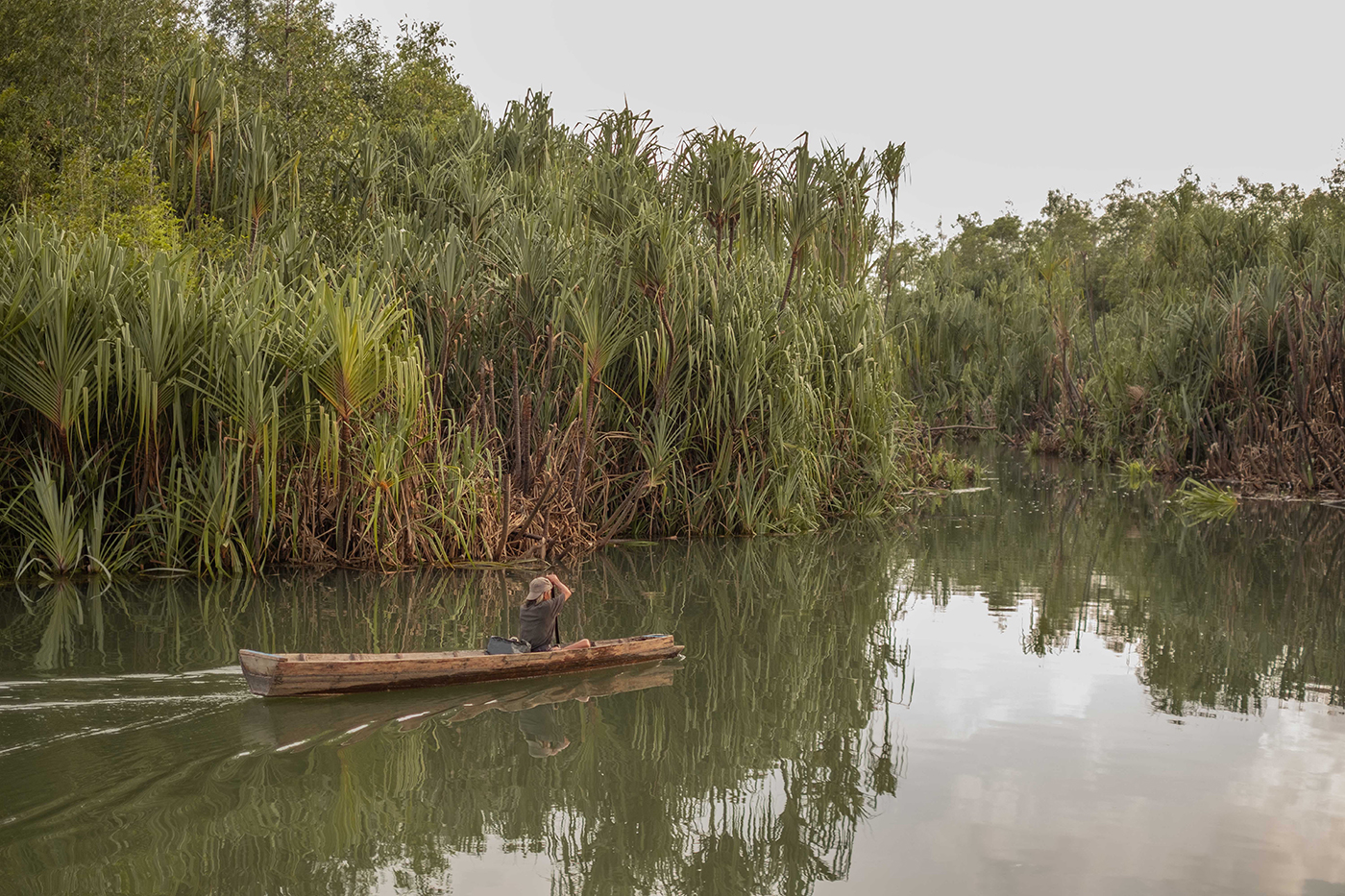
For the residents of villages like Menduk in the Mendo Barat District, the escalation of crocodile attacks has fundamentally altered their relationship with the environment. Historically, the river was the center of communal life—a place for bathing, washing, and, most importantly, a primary source of protein through fishing. Today, that relationship is defined by pervasive fear. Suhadi, a 32-year-old resident of Menduk and a manager at the Indonesian Forum for the Environment (Walhi) Bangka Belitung, expressed the collective anxiety of his community. He noted that many villagers are now terrified to approach the water, yet they are forced to do so because their livelihoods depend on the river’s resources.
This fear has direct implications for regional food security. As wetlands are destroyed by mining and palm oil expansion, fish populations are plummeting. Suhadi observed that it is becoming increasingly difficult for families to secure enough fish for daily consumption, as the swamps and marshes that once served as nurseries for aquatic life have been filled in or polluted. The dual threat of predatory attacks and dwindling food supplies is pushing many rural families into a cycle of poverty and malnutrition.
The Drivers of Habitat Displacement: Tin and Palm Oil
Conservationists and environmental analysts agree that the "biang konflik"—the root cause of the conflict—is the rapid and unregulated conversion of wetlands. Jessix Amundian, Director of Tumbek for Earth, asserts that the conflict statistics are a "smoking gun" for the total degradation of the archipelago’s landscape. The primary culprits are the twin industries of tin mining and industrial palm oil plantations.
The scale of land transformation is immense. Data from Walhi Bangka Belitung indicates that mining business licenses (IUP) in the province cover a staggering 915,854 hectares. Of this, 349,653 hectares are located on land, while 566,201 hectares extend into the sea. The legacy of this mining is a "Swiss cheese" landscape of abandoned pits, known locally as kolong. As of 2018, there were 12,607 such pits covering more than 15,500 hectares. These pits often fill with water and become attractive but dangerous artificial habitats for crocodiles, bringing them into closer proximity to human settlements.
Simultaneously, the expansion of the palm oil sector has targeted the very "scrub swamps" (belukar rawa) that crocodiles rely on for survival. According to 2024 data from the Baturusa-Cerucuk Watershed Management Office (BPDASHL), at least 2,488 hectares of these critical habitats have been converted into oil palm estates. This loss of territory forces crocodiles to travel further in search of food, often leading them into irrigation canals or village rivers where human interaction is inevitable.
A Landscape in Decline: Mangrove and Watershed Degradation
The ecological health of the Bangka Belitung Islands is inextricably linked to its river systems and mangroves. The province boasts several major watersheds (DAS), including the Mancang (85,600 hectares) on Belitung Island, and the Baturusa (68,000 hectares), Kurau (71,400 hectares), and Layang (43,200 hectares) on Bangka Island. These watersheds are currently under extreme stress from sedimentation and chemical runoff associated with mining.
The status of the province’s mangroves is equally dire. While the total mangrove area is estimated at 273,692 hectares, a 2017 study by researchers from Gadjah Mada University (UGM) revealed that as early as 2016, over 204,467 hectares had already suffered damage. Of that damaged area, 117,229 hectares were classified as "severely damaged," while 87,238 hectares were "moderately damaged." The study, titled "Characteristics of Mangrove Habitats around Offshore Tin Mining in South Bangka Regency," highlighted how both offshore and inland mining operations disrupt the salinity and sediment balance required for mangrove survival, effectively destroying the "green belt" that protects the islands and provides a home for the saltwater crocodile.
Policy Responses and the Path to Mitigation
In response to the crisis, the Alobi Foundation and other environmental groups have intensified their calls for the provincial government to establish a dedicated crocodile conservation area. One proposed site is Tanjung Pura in Central Bangka, which still retains some of the biological characteristics necessary to support a wild population. Proponents argue that a managed sanctuary would allow for the relocation of "problem" crocodiles and provide a controlled environment for the species to thrive away from human activity.
However, Jessix Amundian and Suhadi both maintain that a conservation area is a secondary solution. The primary necessity is a total moratorium on the destruction of wetlands. Amundian argues that "the peak of landscape destruction" cannot be mitigated by simply moving animals; it requires the restoration of the rivers, swamps, and mangroves themselves. This would involve halting all illegal mining operations and preventing further palm oil expansion into sensitive wetland ecosystems.
The situation in Bangka Belitung serves as a stark warning of the consequences of prioritizing extractive industries over ecological integrity. Without a fundamental shift in land-use policy and a rigorous enforcement of environmental protections, the human-crocodile conflict is expected to intensify. As the saltwater crocodile—a species that has survived for millions of years—is squeezed out of its last remaining refuges, the human cost in lives and livelihoods will continue to mount, marking a tragic chapter in the history of the Indonesian archipelago.