Nila Kartika Wati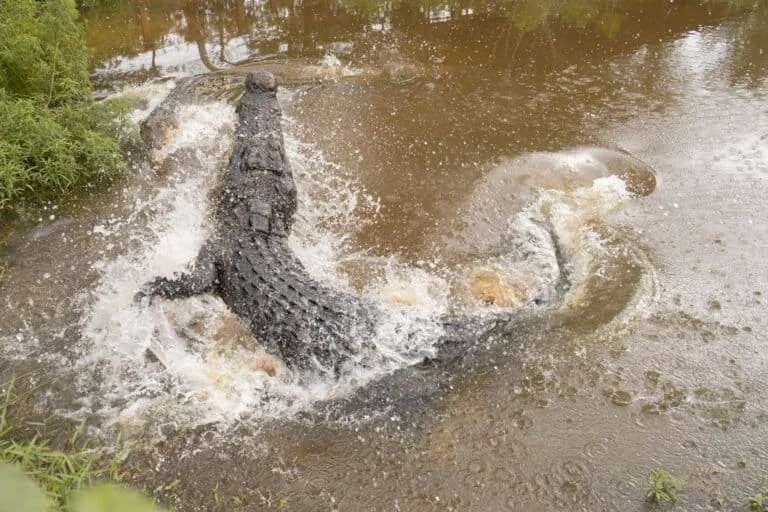
The surge in aggressive encounters between humans and saltwater crocodiles across the Indonesian archipelago has reached a critical threshold, serving as a grim indicator of the deteriorating health of the nation’s coastal and riverine ecosystems. From the tin-rich islands of Bangka Belitung to the rugged coastlines of East Nusa Tenggara (NTT) and the river networks of Aceh, a disturbing pattern of fatal interactions has emerged. These incidents are not merely random acts of nature but are increasingly recognized by environmentalists, government officials, and biologists as the direct consequence of rapid industrial expansion, unregulated land conversion, and the systematic destruction of the natural buffers that once separated human settlements from the habitats of these apex predators. As the boundaries of the wild are pushed further by mining and agriculture, the saltwater crocodile (Crocodylus porosus), a species that has survived for millions of years, is being forced into a precarious and violent proximity with local communities.
The Geographic Scope of a Growing Crisis
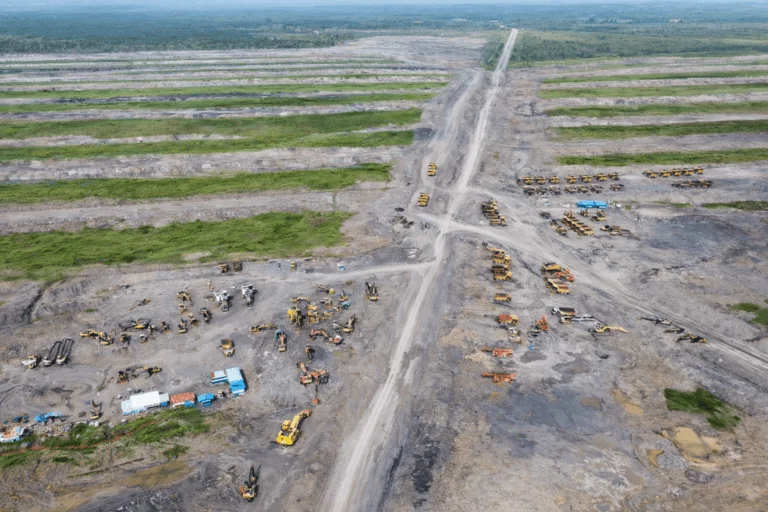
The phenomenon of human-crocodile conflict (HCC) is no longer localized to a few remote regions; it has become a nationwide concern with specific hotspots identifying the severity of the ecological imbalance. In Bangka Belitung, the proliferation of both legal and illegal tin mining has fundamentally altered the landscape. Abandoned mining pits, known locally as "kolong," often fill with water and become artificial habitats for crocodiles displaced from silted-up rivers. As these pits are frequently located near residential areas or used by workers, they become theaters for tragic encounters.
In East Nusa Tenggara, particularly on the island of Timor, the frequency of attacks has seen a documented rise over the last decade. Here, the challenge is compounded by a lack of clean water infrastructure, which forces villagers to utilize rivers and estuaries for bathing, washing, and fishing—activities that place them directly in the strike zone of crocodiles. Meanwhile, in Aceh, the expansion of palm oil plantations has led to the drainage of wetlands and the clearing of mangroves, the primary breeding and hunting grounds for the species. With their natural pantry depleted and their nesting sites destroyed, crocodiles have begun migrating upriver into irrigation canals and village ponds in search of prey.
Historical Context and the Breakdown of Coexistence
Historically, many Indonesian coastal communities lived in a state of cautious coexistence with crocodiles. In various cultures, the crocodile is revered as a spiritual guardian or an ancestral figure. In parts of Timor and Papua, traditional laws often forbade the killing of crocodiles unless they had first "violated the peace" by attacking a human. This cultural deterrent helped maintain a respectful distance between the two species. However, the modern era of rapid development has shattered this traditional equilibrium.
The chronology of this shift can be traced back to the early 2000s, coinciding with Indonesia’s decentralization and the subsequent boom in extractive industries. As regional governments prioritized economic growth through mining and plantation permits, the environmental impact assessments often ignored the migratory patterns of large fauna. By 2010, the Natural Resources Conservation Agency (BKSDA) began reporting a steady uptick in "nuisance" crocodile reports. By 2020, the situation had escalated into a public safety crisis, with some provinces reporting dozens of fatalities annually.
Biological Drivers and the Homing Instinct
Understanding the biology of Crocodylus porosus is essential to analyzing why these conflicts are becoming more lethal. The saltwater crocodile is the world’s largest living reptile and a highly territorial predator. A single dominant male can control a vast stretch of river, pushing younger or weaker males into marginal habitats—which increasingly happen to be areas inhabited by humans.
A significant challenge in mitigating these conflicts is the crocodile’s remarkable "homing instinct." Research conducted by herpetologists suggests that crocodiles relocated hundreds of kilometers away from their capture site often attempt to return to their original territory. This makes simple translocation—a common government response—largely ineffective. If a crocodile is removed from a village but the underlying environmental degradation remains, another crocodile will likely move in to fill the territorial vacuum, or the original animal will return, often more wary and aggressive toward human presence.
Data and Statistical Trends
According to data compiled by various conservation groups and the Ministry of Environment and Forestry, Indonesia records some of the highest rates of crocodile attacks globally. Between 2010 and 2023, the number of reported incidents has nearly tripled in certain provinces. In Bangka Belitung alone, the local BKSDA office has noted that attacks often peak during the rainy season, which coincides with the crocodile’s breeding period. During this time, crocodiles are more mobile and defensive of their nests.
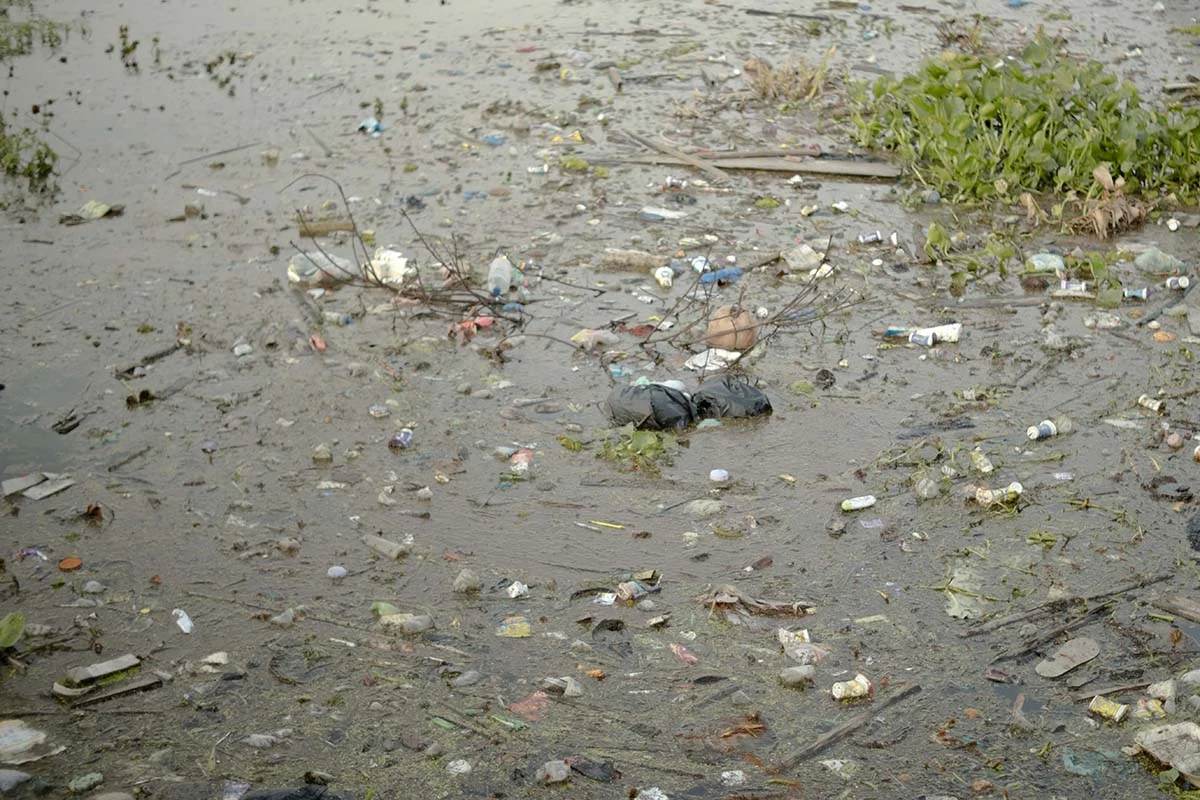
Supporting data from the IUCN Crocodile Specialist Group indicates that as mangrove cover in Indonesia decreased by approximately 30% over the last three decades, the incidence of HCC increased proportionally. The loss of mangroves does more than just remove habitat; it destroys the nursery grounds for fish and crustaceans. When the natural food chain collapses, crocodiles turn to easier, alternative prey, including livestock and, tragically, humans.
Official Responses and Institutional Challenges
The Indonesian government’s response has primarily been reactive rather than preventative. The BKSDA is the primary body tasked with managing these conflicts, but the agency often suffers from a lack of funding, specialized equipment, and personnel. When an attack occurs, the standard procedure involves capturing the animal and moving it to a conservation center or a "crocodile park." However, many of these facilities are now at overcapacity, leading to concerns about the welfare of the animals and the long-term sustainability of such a strategy.
Statements from regional officials often reflect a tension between conservation goals and public pressure. Following a series of fatal attacks in NTT, local leaders have occasionally called for a "culling" of the population, a move that conservationists warn would violate national laws protecting the species and disrupt the ecological balance further. "We cannot simply kill our way out of this problem," says a representative from a Jakarta-based environmental NGO. "The crocodile is a symptom; the sickness is the destruction of our river systems. If we don’t fix the rivers, the attacks will continue regardless of how many crocodiles we remove."
The Impact of Climate Change
Climate change is an emerging factor that exacerbates the conflict. Rising sea levels and increased storm surges are pushing saltwater further inland into freshwater systems. This "saltwater intrusion" allows Crocodylus porosus—which can thrive in both salt and fresh water—to navigate deeper into inland waterways that were previously considered safe by local residents. Furthermore, extreme weather patterns, such as prolonged droughts followed by intense flooding, disrupt the nesting cycles and prey availability, forcing crocodiles to roam further in search of sustenance.
The economic impact on local communities is also profound. In many coastal villages, the fear of crocodile attacks has led to a decline in artisanal fishing and a reduction in the use of water-based transport, stifling local economies. For families who lose a breadwinner to an attack, the tragedy is both emotional and financial, often plunging them into deeper poverty.
Analysis of Implications and the Path Forward
The escalating human-crocodile conflict in Indonesia is a clear manifestation of "spatial competition" in an era of ecological collapse. The implications are twofold: a public health crisis for rural populations and a conservation crisis for a protected species. If the current trajectory continues, the social license for conservation will evaporate, leading to retaliatory killings and the potential localized extinction of crocodile populations that are vital for maintaining the health of aquatic ecosystems.
To address this, a shift from reactive management to proactive habitat restoration is required. This includes:
- Strict Enforcement of Riparian Buffer Zones: Ensuring that mining and plantations do not encroach within a certain distance of riverbanks and coastlines.
- Mangrove Restoration: Replanting mangroves to provide natural habitat and restore the food chain.
- Public Infrastructure: Providing inland water sources (wells and piped water) to communities so they are not forced to enter crocodile-infested waters for daily needs.
- Community-Based Monitoring: Training local residents in crocodile behavior and early warning systems to foster a safer environment without resorting to lethal force.
Conclusion
The story of the rising crocodile attacks in Indonesia is not a tale of "monster" animals, but a cautionary narrative about the consequences of environmental neglect. The saltwater crocodile is a resilient survivor of the prehistoric era, yet it is struggling to find a place in a modern Indonesia defined by rapid industrialization. The blood spilled on the riverbanks of Bangka, NTT, and Aceh is a call to action for a more sustainable approach to development—one that recognizes that human safety and wildlife conservation are inextricably linked. Without a concerted effort to restore the country’s shattered ecosystems, the boundary between the village and the wild will continue to blur, with tragic results for both man and beast.