Nila Kartika Wati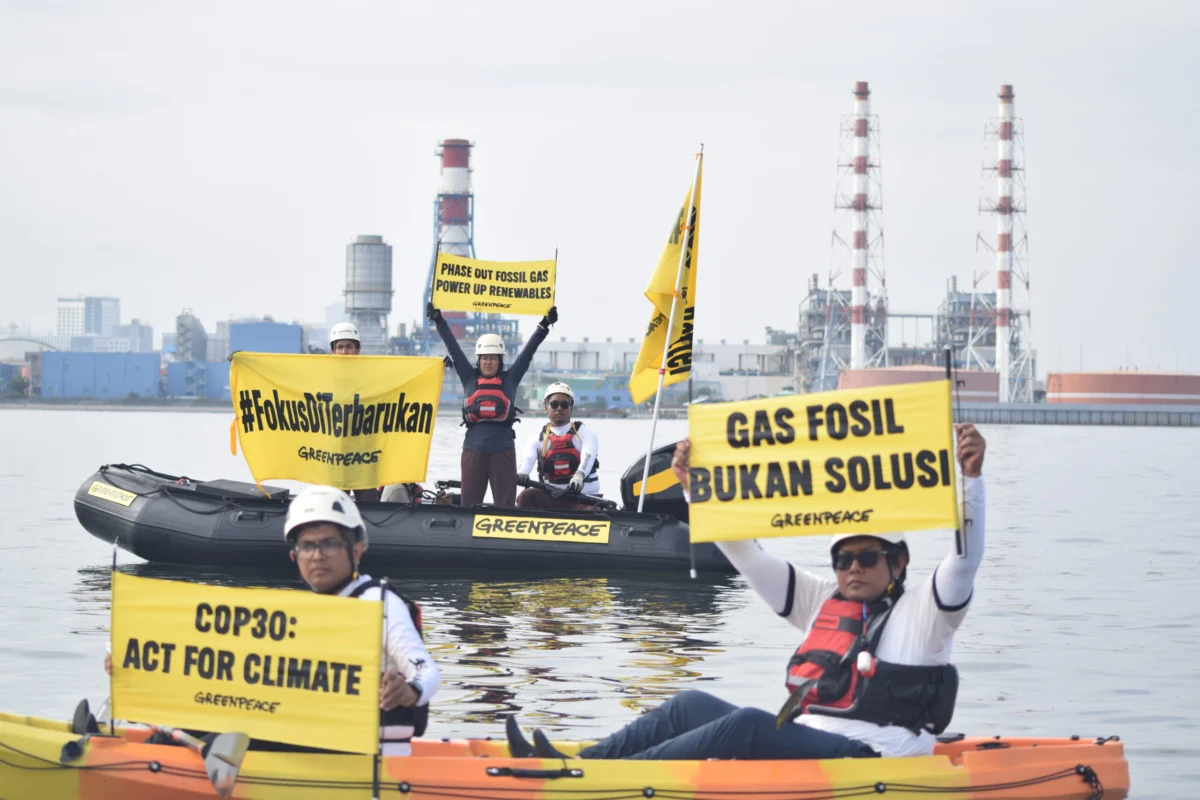
The military escalation between the United States, Israel, and Iran, which has entered its third week, is causing profound disruptions to the global oil supply chain, placing Indonesia—a significant net importer of petroleum—in a precarious economic position. The crisis reached a critical juncture following Iran’s strategic blockade of the Strait of Hormuz, a vital maritime artery through which approximately one-fifth of the world’s total oil and liquefied natural gas (LNG) consumption passes. As Tehran deploys naval mines to deter transit, the resulting bottleneck has sent shockwaves through international energy markets, forcing the Indonesian government to consider emergency conservation measures and an accelerated shift toward renewable energy.
The Strait of Hormuz Blockade: A Global Energy Chokepoint
According to intelligence reports and maritime data cited by Reuters, the Iranian military has laid approximately a dozen naval mines within the narrowest points of the Strait of Hormuz. This tactical move has effectively paralyzed the passage of Very Large Crude Carriers (VLCCs) and LNG tankers. Given that the Strait is the only sea passage from the Persian Gulf to the open ocean, the blockade affects major exporters including Saudi Arabia, the United Arab Emirates, Kuwait, and Qatar.
The military activity began in earnest following the initial strikes launched by U.S. and Israeli forces against Iranian targets on February 28, 2026. Since then, the region has transitioned into a high-intensity conflict zone, rendering commercial shipping insurance premiums prohibitively expensive or entirely unavailable. For Indonesia, which relies heavily on Middle Eastern crude and refined products to fuel its transportation and industrial sectors, the closure of this 21-mile-wide passage represents a direct threat to national stability.
Chronology of the Price Surge and Market Volatility
The impact on global pricing was immediate and severe. Before the outbreak of hostilities in late February, international oil prices were relatively stable. However, data from AP News indicates that Brent Crude, the global benchmark, was trading at approximately $104 per barrel by Monday, March 16, 2026. This represents a staggering 45% increase since the commencement of military operations on February 28.
At the height of the initial combat phase, prices briefly touched $120 per barrel as traders factored in the "war premium" and the potential for a prolonged supply deficit. Analysts note that while prices have retreated slightly from the $120 peak, the $100+ floor remains a significant burden for emerging economies. For Indonesia, every dollar increase in the price of oil adds trillions of rupiah to the state’s energy subsidy bill, creating a fiscal dilemma for the Ministry of Finance.
Indonesia’s Domestic Supply Vulnerability and Reserve Limits
Indonesia’s energy profile reveals a deep-seated dependence on foreign oil. The country currently requires between 1.5 and 1.6 million barrels of oil per day (bpd) to maintain its economic momentum. However, aging domestic fields and a lack of new large-scale discoveries have seen domestic production stagnate at approximately 600,000 bpd. This leaves a massive deficit of 1 million bpd that must be met through imports.
The logistical disruption in the Middle East has exposed the fragility of Indonesia’s strategic petroleum reserves. Currently, the nation’s fuel stocks are estimated to last only 20 to 25 days in the event of a total import cessation. Should the blockade of the Strait of Hormuz persist beyond this three-week window, Indonesia would face the prospect of severe fuel rationing, potentially paralyzing the logistics sector and grounded domestic aviation.
Presidential Response: From WFH to Food Security
Recognizing the gravity of the situation, President Prabowo Subianto convened an emergency cabinet meeting to address the looming energy shortage. The President emphasized that the energy crisis is not an isolated issue but a precursor to a broader economic shock, particularly concerning food prices. Because agriculture and logistics are heavily dependent on diesel and gasoline, any spike in fuel costs translates directly into higher prices for basic commodities like rice and cooking oil.
"We are facing global developments in Europe and the Middle East that directly impact our fuel prices," President Prabowo stated during a press briefing. "While we have secured our basic food supplies for the immediate term, we cannot remain complacent. We must take proactive steps to reduce our domestic consumption."

Among the proposed measures is a return to "Work From Home" (WFH) policies for civil servants and private-sector employees where possible. This strategy aims to reduce the national daily demand for gasoline and alleviate pressure on the state budget. The administration is also exploring "energy thrift" initiatives, urging the public to minimize non-essential travel as the government navigates the geopolitical storm.
The Fiscal Burden: Subsidies, LPG, and Inflationary Pressures
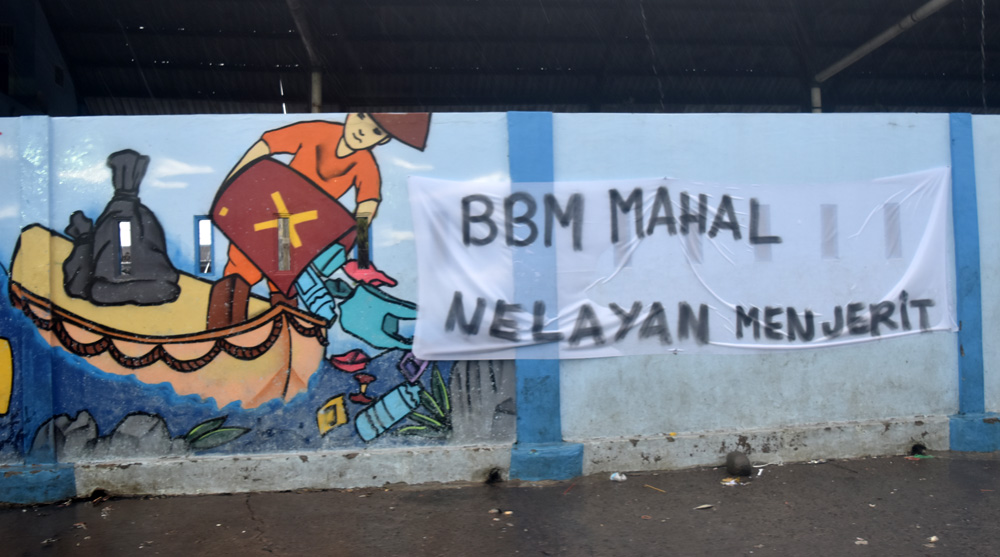
Bhima Yudhistira, Executive Director of the Center of Economic and Law Studies (Celios), warns that the current conflict could break the back of the State Budget (APBN). With oil prices hovering around the $100 mark, Yudhistira estimates that the energy subsidy requirement could swell by an additional Rp120 trillion to Rp130 trillion. If the government chooses not to increase subsidies, the retail price of fuel would have to rise significantly, potentially sparking social unrest and reducing consumer purchasing power.
The crisis extends beyond liquid fuels to Liquefied Petroleum Gas (LPG), which is the primary cooking fuel for millions of Indonesian households. Indonesia consumes 8 to 9 million tons of LPG annually, but domestic production only covers about 2 million tons. Consequently, the country imports 75% to 80% of its LPG, with roughly 20% of those imports originating from the now-volatile Middle East.
Furthermore, the conflict has indirectly impacted the coal market. International coal prices have risen by 36% over the past year as global markets seek alternatives to oil and gas. This creates a "Domestic Market Obligation" (DMO) risk; Indonesian coal miners may be tempted to prioritize lucrative export markets over supplying the state-owned utility, PLN, despite government regulations.
"The threat of hyperinflation is real," Yudhistira remarked. "If subsidies are slashed, the resulting price hikes will lead to a decrease in business turnover and could eventually trigger mass layoffs (PHK). Indonesia must find a way to break this cycle of fossil fuel dependency."
A Case for Accelerated Energy Transition: The Pakistan Example
In response to these vulnerabilities, energy advocates are urging the government to treat the current crisis as a catalyst for a "just energy transition." Novita Indri, an energy campaigner at Trend Asia, pointed to Pakistan as a model for rapid adaptation. Following its own energy crisis in 2022-2023, Pakistan aggressively shifted away from imported gas toward solar energy. By removing import duties on solar panels and providing tax incentives for residential and industrial solar installations, Pakistan saw a massive surge in solar PV adoption, significantly reducing its reliance on global gas markets.
In contrast, Indonesia’s current long-term electricity plan (RUPTL 2025-2034) still includes the construction of 10.6 gigawatts of new gas-fired power plants. Critics argue that building new fossil fuel infrastructure in the current geopolitical climate is counterproductive. Instead, they suggest that the government should focus on the 100-gigawatt solar target and empower the national investment agency, Danantara, to fast-track funding for floating solar, hydro, and wind projects.
International Cooperation and the Fossil Fuel Treaty
As the conflict in the Middle East shows no signs of immediate resolution, Celios has recommended that Indonesia officially join the "Fossil Fuel Non-Proliferation Treaty Initiative." This international coalition, which includes 18 nations such as Colombia, the Netherlands, and Timor-Leste, seeks to create a binding roadmap for phasing out fossil fuels while ensuring technological and financial support for developing nations.
The upcoming international conference in Colombia, scheduled for April 28-29, 2026, presents an opportunity for Indonesia to align itself with a global movement toward energy sovereignty. Joining such a coalition would allow Indonesia to access shared technology and transition frameworks, reducing the trial-and-error costs of moving away from an oil-based economy.
Conclusion: The Path to Energy Sovereignty
The ongoing military confrontation between the U.S.-Israel bloc and Iran has exposed the inherent risks of Indonesia’s current energy architecture. While short-term measures like WFH and fuel conservation may provide temporary relief, the long-term solution lies in decoupling the national economy from the volatility of Middle Eastern geopolitics.
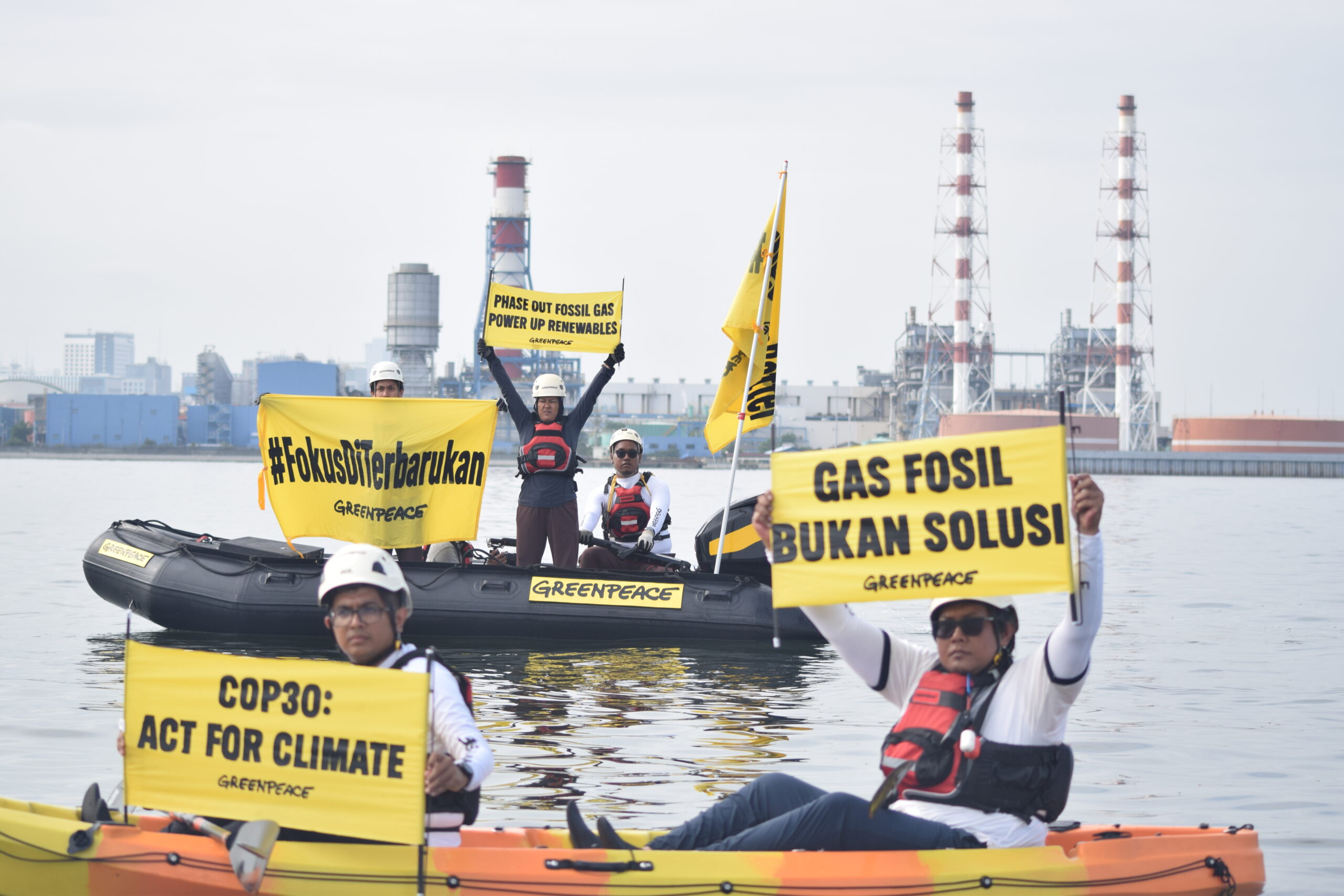
The path forward requires a dual approach: immediate fiscal management to protect the most vulnerable citizens from inflation, and a radical acceleration of the renewable energy pipeline. As the Strait of Hormuz remains a flashpoint for global conflict, Indonesia’s transition from a net oil importer to a renewable energy producer is no longer just an environmental goal—it is a matter of national survival and sovereignty. The lessons of March 2026 serve as a stark reminder that in an era of global instability, true energy security can only be found at home, through the sun, the wind, and the water.