Eko Sulistyo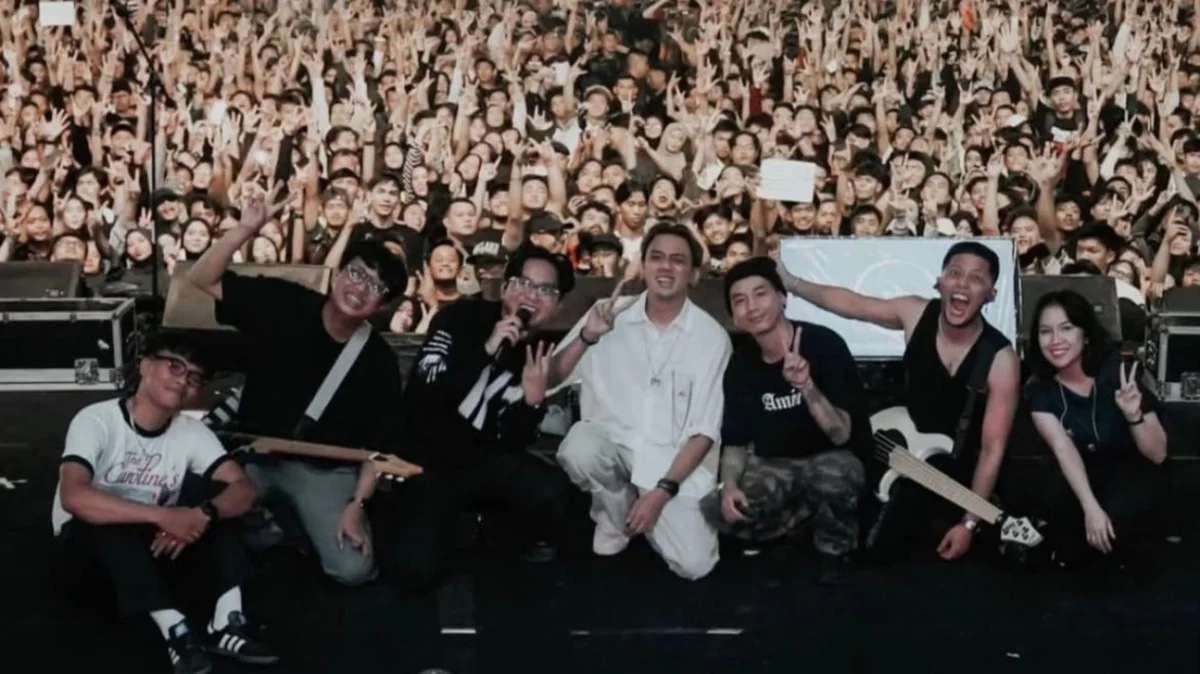
The cultural landscape of Serang, Banten, witnessed a significant musical milestone on the evening of March 17, 2026, as the Bandung-based modern rock ensemble For Revenge took the stage at Alun-alun Barat. Performing as part of the Banten Creative Fest Ramadan, the group drew thousands of spectators to the historic city square, transforming the venue into a hub of emotional resonance and high-octane energy. The event reached its peak when the band introduced a surprise guest, the musician known as Tepe, for a series of collaborative performances that have since become a focal point of discussion within the Indonesian alternative music scene.
The Banten Creative Fest Ramadan has long been established as a premier platform for showcasing creative industries and musical talent during the holy month. In 2026, the festival’s significance was amplified by the inclusion of For Revenge, a band currently riding a wave of critical and commercial success following the release of their fifth studio album. The atmosphere at Alun-alun Barat was described by attendees as electric, with fans traveling from across the province to witness a performance that promised to blend the band’s signature "emo" aesthetics with the communal spirit of the Ramadan season.
The Chronology of a High-Octane Performance
The evening’s proceedings began with a carefully curated setlist designed to take the audience on a journey through For Revenge’s extensive discography. The band opened with "Ribuan Luka," a track that immediately established the melancholic yet powerful tone for which they are known. This was followed by a sequence of fan favorites, including "Derana," "Jentaka," and "Bandung Hari Ini." Each song was met with enthusiastic participation from the crowd, who sang along to every lyric, highlighting the deep connection the band has cultivated with its fanbase over the years.
As the set progressed, the emotional intensity continued to build. Songs like "Ada Selamanya," "Saat Kubenci Dunia dan Seisinya," and "Sadrah" served as a bridge to the concert’s final act. The inclusion of "Pulang" provided a moment of introspection before the band transitioned into the most anticipated segment of the night. The transition was marked by a shift in stage dynamics, signaling to the audience that a major announcement was imminent.
The climax of the performance occurred when Boniex Noer, the lead vocalist of For Revenge, invited Tepe onto the stage. The collaboration began with "Serana," arguably one of the band’s most iconic tracks, which deals with themes of loss and the struggle to move on. The presence of Tepe added a new dimension to the performance, as the two entities combined their musical styles to deliver a rendition of "Jakarta Hari Ini" and "Penyangkalan" that felt both fresh and deeply familiar to the audience.

The Significance of the Tepe Collaboration
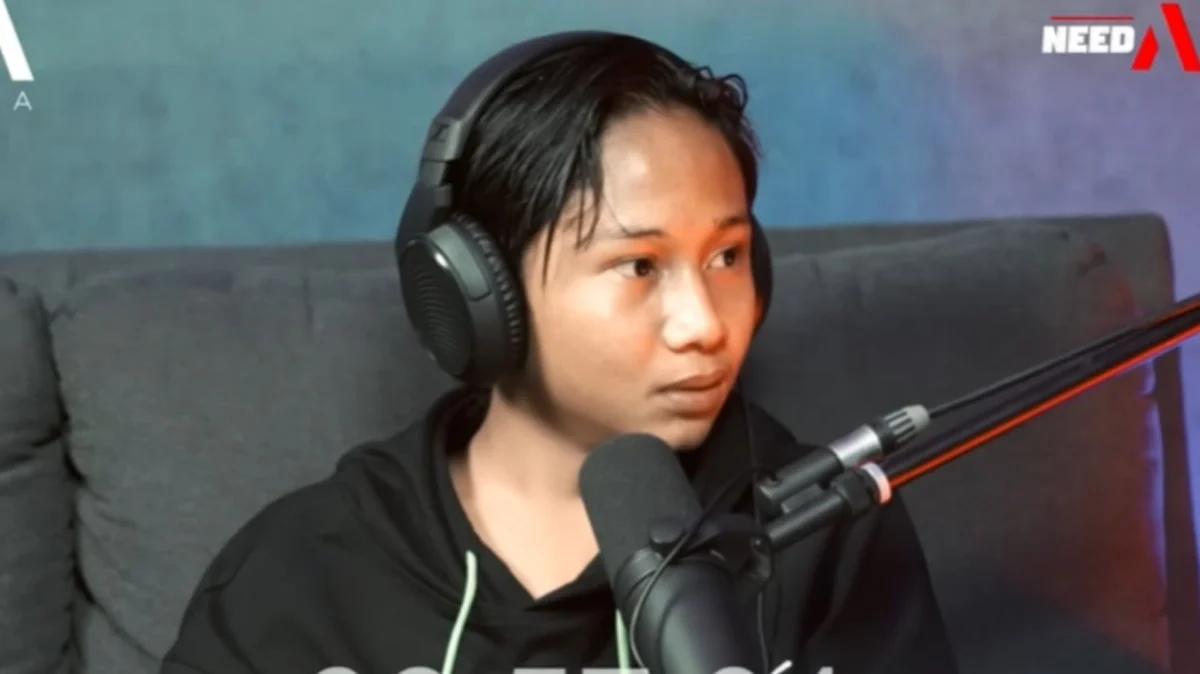
The collaboration between For Revenge and Tepe was not merely a guest appearance but a strategic musical fusion. Tepe, whose reputation in the indie circuit has been growing steadily, brought a visceral energy to the stage. This was most evident during the final song, "Hidup," where Tepe took over the drum kit. The band later praised his performance, noting that he played with a level of soul and intensity that perfectly complemented the "syahdu" (serene yet soulful) atmosphere of their music.
In a social media post following the event, Tepe expressed the depth of the experience, quoting a line that resonated with the themes of the night: "Pretending to recover alone, in reality, I have died many times." This sentiment mirrors the lyrical content of For Revenge’s recent work, which focuses on the "Perayaan Patah Hati" (Celebration of Heartbreak) narrative. The band’s official response was equally warm, playfully referring to him as "Tepe, the P in For Revenge," a nod to the seamless integration he achieved with the group during the set.
Contextualizing the "Perayaan Patah Hati" Era
To understand the impact of the Serang performance, one must look at the broader context of For Revenge’s recent trajectory. On February 11, 2026, just over a month before the Banten Creative Fest, the band released their fifth album, Perayaan Patah Hati – Babak 2. This 14-track project serves as a sequel to their highly successful previous album and marks a thematic shift from the raw pain of loss to a phase of acceptance and healing.
The album features a variety of collaborations with cross-genre musicians, signaling For Revenge’s evolution from a niche alternative band to a versatile powerhouse in the Indonesian music industry. The performance at Alun-alun Barat acted as a live manifestation of this new era. By incorporating Tepe into their live set, For Revenge demonstrated their commitment to the collaborative spirit that defined their latest studio recording.
Data from digital streaming platforms suggests that Perayaan Patah Hati – Babak 2 has already outperformed its predecessor in terms of first-month listeners, with tracks like "Sadrah" and "Penyangkalan" appearing on major domestic charts. The live performance in Serang served to solidify these digital gains, translating online engagement into physical presence and community building.
Public and Critical Reception
The reaction from the public and netizens was overwhelmingly positive. Social media platforms were flooded with clips from the concert, with many fans praising the chemistry between the band and Tepe. One fan’s comment, "That guy is starting to shine now, friend; I’m proud to see Tepe, stay strong and don’t forget your medicine," highlights the personal and emotional connection fans feel toward these artists. Such comments reflect a broader trend in the Indonesian music scene where fans view musicians not just as entertainers, but as relatable figures navigating similar life struggles.

Industry analysts have noted that For Revenge’s ability to maintain a high level of engagement during the month of Ramadan is a testament to their branding. While many entertainment events scale back during this period, the Banten Creative Fest leveraged the post-Tarawih (evening prayer) window to provide a space for youth expression that respects the cultural context of the season. The success of the Serang show suggests a robust market for alternative rock in regional centers, moving beyond the traditional hubs of Jakarta and Bandung.
Broader Implications for the Indonesian Music Industry
The event at Alun-alun Barat underscores several key trends in the Indonesian music industry in 2026. First is the decentralization of major musical events. Serang, while a provincial capital, is often overshadowed by the proximity of the Greater Jakarta area. However, the turnout for For Revenge proves that regional audiences are hungry for high-quality production and national-level talent.
Second is the continued relevance of the "emo" and modern rock genres. Despite the dominance of pop-dangdut and electronic music in certain demographics, the "sad boy/sad girl" subculture—centered around themes of heartbreak and emotional vulnerability—remains a potent force. For Revenge has successfully tapped into this demographic, providing a sophisticated soundtrack for a generation that values emotional honesty.
Finally, the role of festivals like the Banten Creative Fest in stimulating local economies cannot be ignored. These events bring together local vendors, creative entrepreneurs, and the tourism sector, creating a temporary ecosystem that benefits the city. By securing a headliner like For Revenge, the organizers ensured a level of foot traffic that significantly boosted the festival’s overall impact.
Conclusion and Future Outlook
As For Revenge continues their tour in support of Perayaan Patah Hati – Babak 2, the Serang performance will likely be remembered as a highlight of their 2026 circuit. The collaboration with Tepe provided a unique "had to be there" moment that enhances a band’s legacy in the age of digital reproduction. For Tepe, the performance serves as a significant endorsement from one of the industry’s leading acts, potentially paving the way for future solo projects or further collaborations.
The evening of March 17 was more than just a concert; it was a communal experience that blended the solemnity of the Ramadan season with the cathartic power of music. As the final notes of "Hidup" echoed across Alun-alun Barat, it was clear that For Revenge had not only fulfilled the expectations of their fans but had also set a high standard for live performances in the years to come. The narrative of "patah hati" (heartbreak) continues to evolve, and through their music, For Revenge and their collaborators are ensuring that their audience does not have to navigate those emotions alone.