Tyo Susilo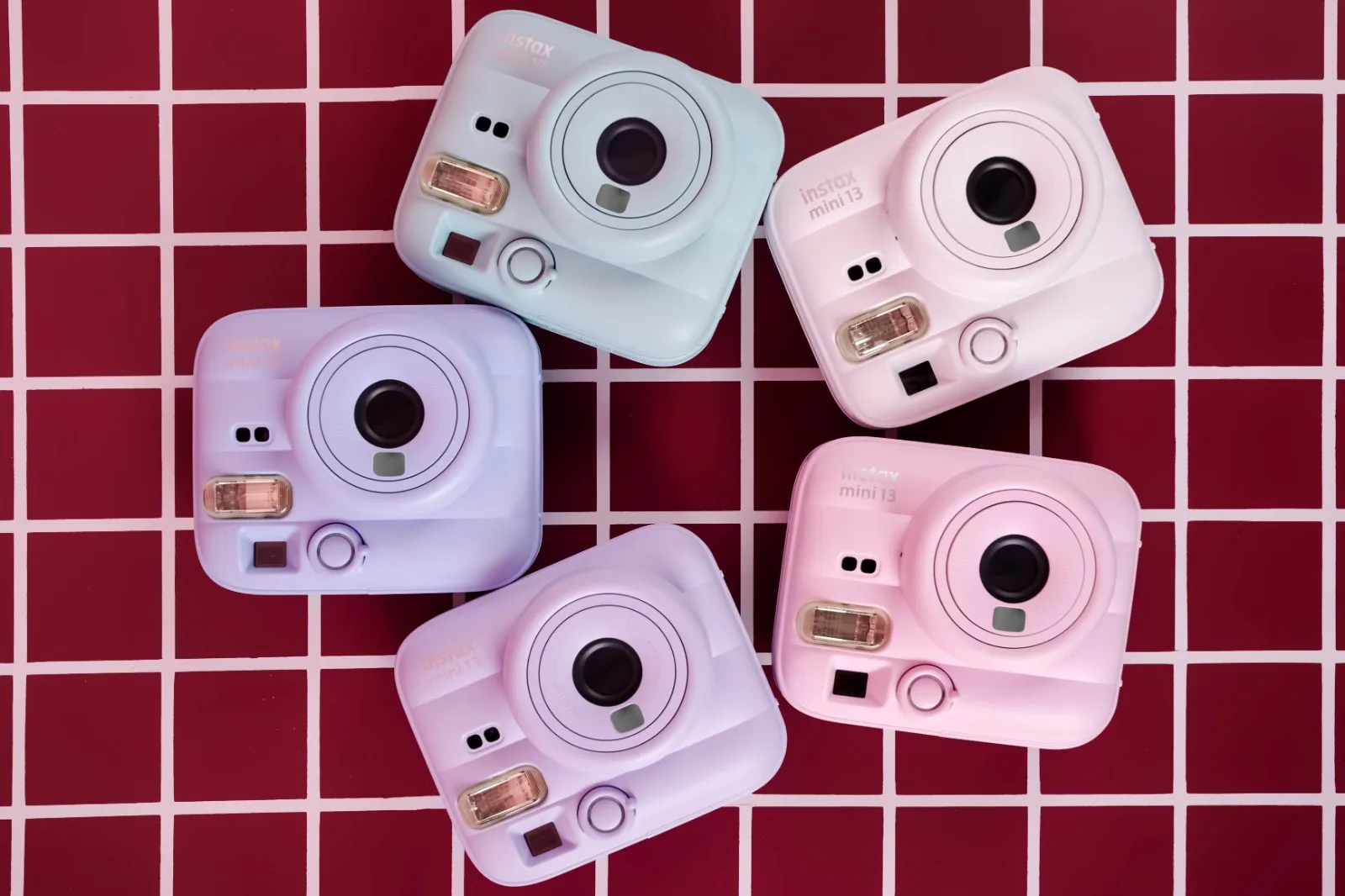
Fujifilm has officially unveiled its latest addition to the beloved Instax line, the Instax Mini 13, in the Indonesian market. This new generation of instant cameras is specifically designed to cater to entry-level users, offering an accessible and immediate way to capture and print memories on the spot. The launch signifies Fujifilm’s continued commitment to making instant photography a vibrant and engaging experience for a broad audience.
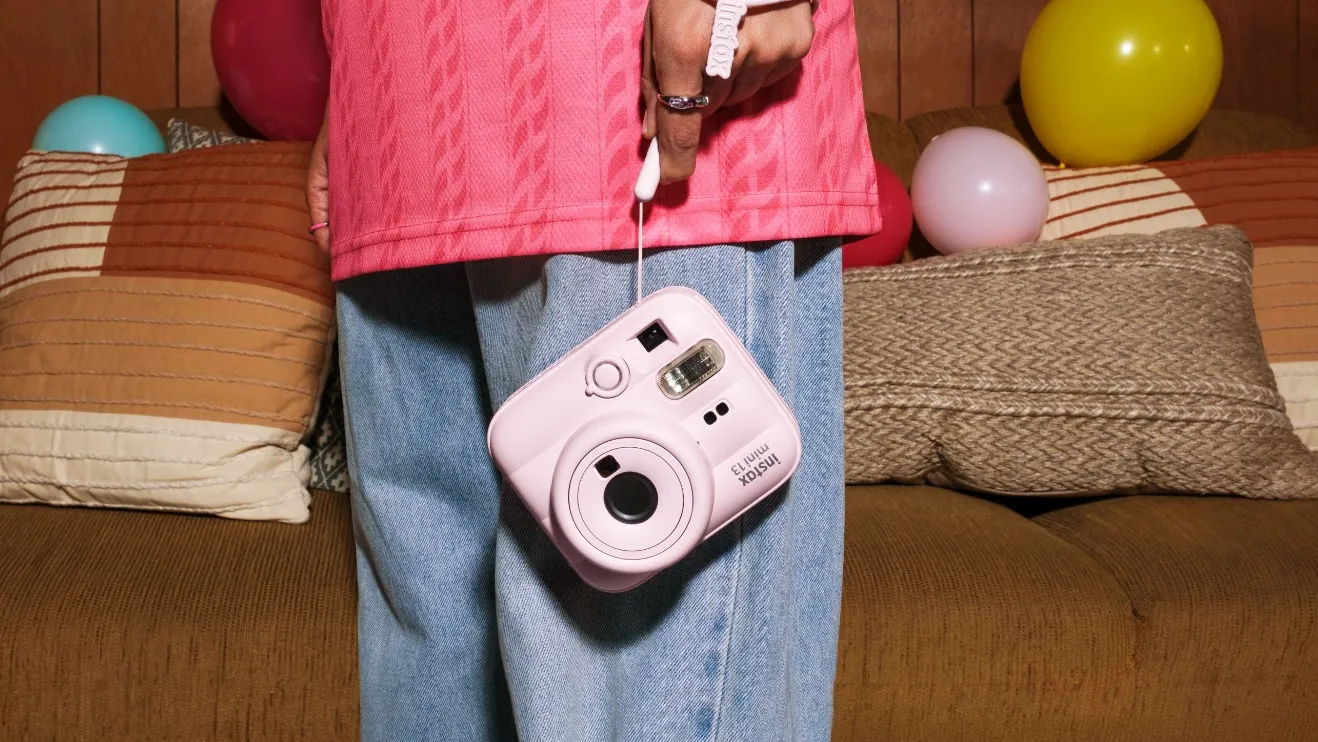
The Instax Mini 13 inherits the charming, rounded aesthetic of its predecessor, the Instax Mini 12, maintaining the iconic metallic silver logo as a prominent design feature on the front of the camera. This latest model is available in five aesthetically pleasing pastel color options: Dreamy Purple, Candy Pink, Frost Blue, Lagoon Green, and Clay White. These color choices underscore Fujifilm’s strategy of positioning the Instax cameras not merely as photographic devices but also as fashionable accessories, designed to be seen and carried. The camera’s body boasts a stylish, pop-art-inspired design with smooth, curved 3D contours, enhancing its visual appeal and tactile feel. This design philosophy ensures that the Instax Mini 13 is as much a statement piece as it is a tool for capturing moments.
Enhanced Features for Effortless Photography
A key innovation in the Instax Mini 13 is the introduction of new self-timer functionalities, offering users both a 2-second and a 10-second delay. This feature is particularly beneficial for beginners, providing ample time to arrange compositions, ensure everyone is in frame, and achieve the desired pose before the shutter is activated. The 2-second self-timer is activated by a simple turn of the lever on the shutter button, while the 10-second timer requires the lever to be held down for two seconds. These additions empower users to participate in group photos more easily and experiment with creative framing.
Building upon the robust foundation of previous generations, the Instax Mini 13 retains highly acclaimed features such as the Close-up Mode, which includes parallax correction to ensure that what you see through the viewfinder is precisely what gets captured, even at close distances. The Automatic Exposure feature also returns, intelligently adjusting the camera’s exposure settings to deliver optimal image quality in various lighting conditions without requiring manual intervention. This ensures that users can focus on the moment rather than fiddling with complex settings.
Furthermore, Fujifilm has concurrently updated its companion application, "instax UP!", integrating Artificial Intelligence (AI) technology into its photo scanner feature. This AI enhancement significantly improves the accuracy of digitizing and organizing physical Instax prints, allowing users to seamlessly manage their instant photo collections digitally and share them with greater ease and fidelity. The app’s improved scanning capabilities bridge the gap between the tangible nature of instant prints and the convenience of digital archiving.
Market Context and Chronology of Instax Popularity
The introduction of the Instax Mini 13 in Indonesia arrives at a time when instant photography is experiencing a significant resurgence globally. The appeal of tangible prints in an increasingly digital world, coupled with the aesthetic of retro cameras, has driven the popularity of the Instax brand.
The Instax series first gained widespread traction in the late 1990s, with subsequent models continuously evolving to meet consumer demands. The Instax Mini 7, released in 2004, was a pivotal moment, popularizing the compact, user-friendly design. The Instax Mini 8 in 2012 introduced brighter colors and an improved viewfinder, further solidifying its market position. The Mini 9, a successor to the Mini 8, refined the automatic exposure and added a selfie mirror. The Instax Mini 11, launched in 2020, brought automatic exposure and selfie mode as standard features, making it even more accessible. The Instax Mini 12, released in early 2023, refined the design and user experience, leading up to the current Instax Mini 13. Each iteration has built upon the core principle of instant gratification and the joy of creating physical keepsakes.
Indonesia, with its dynamic youth culture and strong social media engagement, represents a fertile ground for instant cameras. The ability to instantly share physical photos, coupled with the visually appealing nature of Instax prints, aligns perfectly with the country’s trends in personal expression and social interaction. Fujifilm has strategically targeted this market by offering localized pricing and product availability, ensuring that the Instax experience is accessible to a wide demographic.
Pricing and Availability
The Instax Mini 13 is now available for purchase across Indonesia through official FUJIFILM stores and authorized dealers. The camera is priced at Rp1,299,000. This pricing strategy positions the Instax Mini 13 as an affordable entry point into the world of instant photography, competitive within its market segment.
In conjunction with the camera’s launch, Fujifilm has also released a range of complementary accessories designed to enhance the user experience and expand creative possibilities. These include camera cases available in colors that perfectly match the camera bodies, allowing users to protect their cameras in style. Additionally, a new "PASTEL GALAXY" film format for the mini series has been introduced. This film features a bright, glossy color gradient, offering a unique aesthetic for printed photos and further encouraging personalization and artistic expression among users. The introduction of these accessories demonstrates Fujifilm’s holistic approach to the Instax ecosystem, aiming to provide a complete package for instant photography enthusiasts.

Broader Implications and Market Analysis
The launch of the Instax Mini 13 in Indonesia reflects several broader trends in the consumer electronics and photography markets. Firstly, it highlights the enduring appeal of tangible media in an increasingly digital world. While smartphones offer unparalleled convenience for digital photography, the physical nature of Instax prints provides a unique sensory experience and a tangible memento that digital files cannot replicate. This "digital detox" aspect of instant photography resonates with consumers seeking a more mindful and personal way to capture memories.
Secondly, the emphasis on design and fashion accessories signifies the growing importance of aesthetics in product purchasing decisions, particularly among younger demographics. The Instax Mini 13, with its pastel color palette and rounded design, is not just a camera; it’s a lifestyle product. This strategy allows Fujifilm to tap into the lucrative fashion and lifestyle market, positioning Instax as a desirable accessory that complements personal style.
Thirdly, the inclusion of AI-powered features in the companion app underscores the integration of advanced technology into even the most traditional forms of photography. The "instax UP!" app’s AI scanner enhances the utility of physical prints by making them easier to organize, archive, and share digitally, thus bridging the gap between the analog and digital realms. This fusion of old and new technologies is a key driver of innovation in the consumer electronics space.
The Indonesian market’s receptiveness to the Instax brand suggests a strong potential for continued growth. Factors such as a young and digitally native population, a thriving social media culture, and a growing appreciation for unique and personalized experiences all contribute to the demand for instant cameras. Fujifilm’s strategic approach, which combines accessible pricing, stylish design, and enhanced functionality, is well-positioned to capitalize on these market dynamics. The success of the Instax Mini 13 will likely depend on its ability to continue to foster a sense of community and creativity around instant photography, encouraging users to experiment, share, and cherish their physical memories in the digital age.