Tyo Susilo
Google has officially commenced the rollout of Android 17 Beta 3 for developers, a significant milestone that arrives approximately one month after the release of Beta 2. This latest iteration, which follows the initial beta release on February 13th, marks a crucial turning point in the Android development cycle, signifying the achievement of platform stability. This means that the core APIs and functionalities of Android 17 are now locked, empowering developers to concentrate their efforts on rigorous compatibility testing and the final preparation of their applications for a seamless launch on the Google Play Store. The update is currently available for Google Pixel devices starting from the Pixel 6 series, including the Pixel Tablet and Pixel Fold, with over-the-air (OTA) distribution underway for users enrolled in the beta program.
The Significance of Platform Stability
The transition to platform stability is a pivotal phase in the development of any major operating system. For Android 17, reaching this stage means that the foundational architecture is finalized. Developers can now proceed with greater confidence, knowing that the underlying framework upon which they are building their applications will not undergo any disruptive changes. This stability is paramount for ensuring a consistent and reliable user experience upon the final public release of Android 17. It also allows the Android ecosystem to mature, with app developers able to finalize their work without the fear of breaking changes. Historically, this phase has been a strong indicator of the imminent public release, allowing for a predictable timeline for both developers and end-users anticipating the new features and improvements.
A Deep Dive into Android 17 Beta 3’s Enhancements
Beyond the foundational stability, Android 17 Beta 3 introduces a substantial array of enhancements that delve deeper into various aspects of the operating system, with a particular focus on empowering developers and enriching the user experience across several key domains: camera and media, audio, performance and battery, privacy, security, and overall user interface.
Advancements in Camera and Media Capabilities
In the realm of camera and media, Android 17 Beta 3 brings forward significant upgrades. Notably, the operating system now offers robust support for the RAW14 format, a standard widely adopted by professional photographers for its ability to retain maximum image data. This move is expected to democratize advanced mobile photography, allowing for more sophisticated post-processing and creative control directly from smartphone devices. Furthermore, Google has opened avenues for hardware vendors to integrate specialized camera modes, such as Super Resolution and AI-driven features, directly into the system. This fosters a more dynamic and innovative camera landscape on Android devices, enabling manufacturers to differentiate their offerings through unique imaging capabilities.

Developers are also gaining finer control over camera hardware. They can now programmatically identify different types of cameras connected to a device, distinguishing between built-in cameras, external USB webcams, and virtual cameras. This capability is crucial for applications that leverage multiple camera inputs or require specific camera functionalities, such as advanced video conferencing or specialized imaging applications.
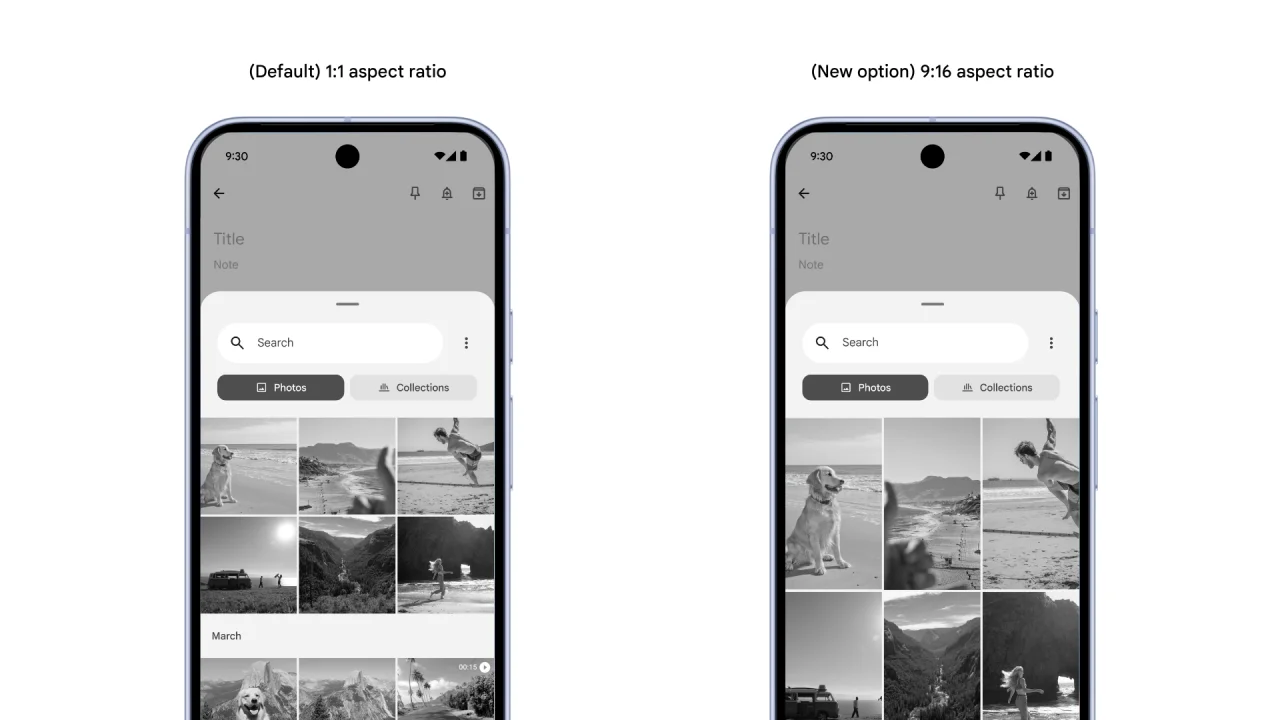
The Photo Picker, a fundamental component for media selection, has also received a significant overhaul in terms of customization. Previously, the grid display was rigidly fixed to a 1:1 square aspect ratio. Android 17 Beta 3 liberates this, allowing developers to adapt the Photo Picker’s interface to more contemporary design aesthetics, including portrait orientations with a 9:16 aspect ratio. This ensures a more cohesive and visually appealing integration of media selection within diverse application layouts, enhancing the overall user interface consistency.
Enhanced Audio Functionality and Connectivity
The audio landscape on Android 17 is set to be transformed with specialized support for Bluetooth LE Audio hearing aids. This feature allows the Android system to intelligently differentiate between dedicated hearing aids and standard Bluetooth headsets. More importantly, users are granted granular control over which audio streams are directed to their hearing aids. This includes the ability to selectively route notifications, alarms, or specific application sounds, providing a personalized and optimized auditory experience for individuals with hearing impairments.
Complementing these accessibility features, Android 17 introduces the Extended HE-AAC audio encoder. This advanced codec is designed to efficiently handle a wide spectrum of bitrates, from low to high, within a single format. This flexibility is particularly beneficial for real-time communication applications and streaming services, ensuring high-quality audio delivery across varying network conditions and device capabilities.
Performance, Battery Efficiency, and Power Management
Google’s commitment to optimizing device performance and battery life continues with Android 17 Beta 3. A new mechanism for handling alarms has been implemented, moving away from the reliance on continuous "wakelocks." Wakelocks are a common cause of battery drain, as they prevent the device’s CPU from entering low-power states. By introducing a more intelligent alarm management system, applications can now schedule and execute tasks more efficiently without excessively impacting battery longevity. This is a subtle yet significant improvement that will contribute to longer usage times for end-users and more predictable resource management for developers.

Fortified Privacy Controls and User Data Protection
Privacy remains a paramount concern, and Android 17 Beta 3 introduces several key updates to bolster user data protection. A system-level "temporary location" button is being integrated, allowing applications to request and be granted location access for a single session only. This ephemeral access model significantly enhances privacy by minimizing the persistent exposure of sensitive location data. Users can grant location permissions with greater confidence, knowing that the access is time-bound and automatically revoked once the session concludes.
Furthermore, the management of password display settings has been refined. The system now bifurcates password visibility configurations between on-screen keyboards and physical keyboards. This distinction provides users with more precise control over how their sensitive information is handled, adapting to different input methods and enhancing overall security hygiene.
Robust Security Measures and Future-Proofing
Android 17 Beta 3 incorporates stringent security enhancements designed to protect against emerging threats. A critical update mandates that dynamically loaded native files must operate in a read-only state. This measure is instrumental in preventing malicious code injection attacks, a common vector for compromising system integrity. By enforcing read-only access, the system significantly hardens its defenses against unauthorized modifications to critical executable files.
Looking ahead, Android 17 is also laying the groundwork for future cryptographic advancements. The beta release begins to incorporate support for Post-Quantum Cryptography (PQC) through a new APK signature scheme. PQC refers to cryptographic algorithms that are resistant to attacks from quantum computers, which pose a future threat to current encryption standards. This proactive inclusion signals Google’s commitment to staying ahead of evolving security landscapes and ensuring the long-term security of the Android platform.
Streamlined User Experience and Interface Refinements
The user experience is also a focal point of the Beta 3 release, with several refinements aimed at improving visual consistency and ease of use. Widgets are now designed to exhibit more consistent behavior across external displays and devices with varying pixel densities. This ensures that the layout and functionality of widgets remain predictable and aesthetically pleasing regardless of the screen they are displayed on.
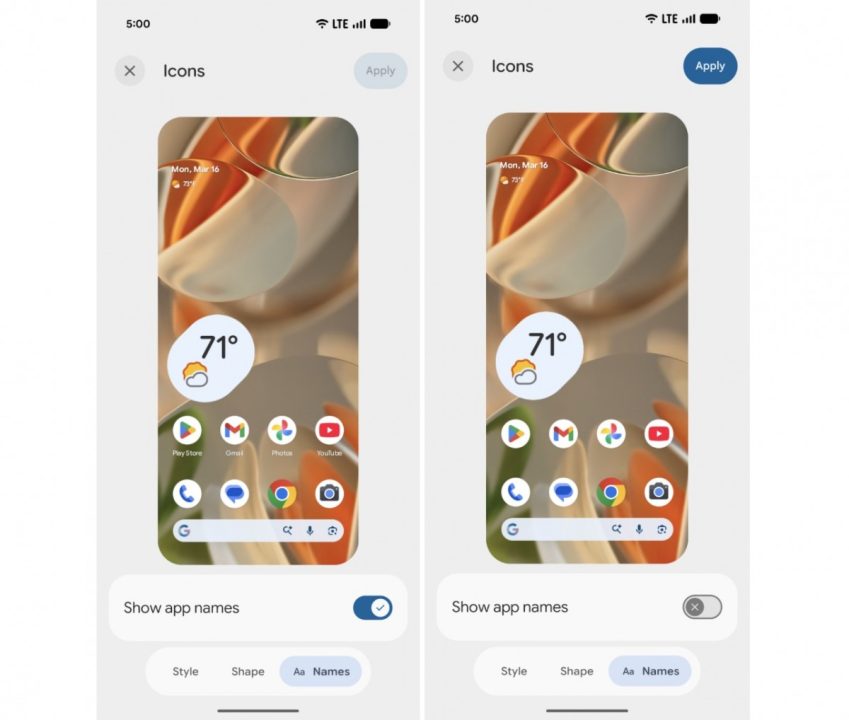
For users seeking a cleaner home screen aesthetic, Android 17 introduces a feature to hide application labels. This allows for a more minimalist and visually organized home screen, enabling users to declutter their interface and focus on app icons.
The desktop mode experience has been further enhanced with the introduction of Interactive Picture-in-Picture (PiP). This feature allows users to continue interacting with content in a small, floating window while simultaneously using another application. This is particularly useful for multitasking scenarios, such as watching a video while responding to messages or referencing information. Additionally, the toolbar for screen recording has been redesigned for improved accessibility and ease of use, making screen capture and sharing a more streamlined process.
System-Level Updates and Connectivity Enhancements
Under the hood, Android 17 Beta 3 integrates significant updates to its core system components. It includes upgrades to OpenJDK versions 21 and 25, bringing developers access to the latest Java language features and performance improvements. The release also incorporates the latest Unicode standards, ensuring broader support for international characters and emojis, and introduces enhancements to SSL (Secure Sockets Layer) for improved secure communication.
For network management, a new setting allows users to define which applications should bypass the VPN connection. This offers greater flexibility for users who may need specific applications to connect directly to the internet for performance or compatibility reasons, while still maintaining VPN protection for the rest of their device’s traffic.
The Road to Public Release and Developer Impact
With the API surface now locked, the current phase is critical for developers. This period of platform stability allows them to finalize their applications, ensuring they are optimized for Android 17 and ready for submission to the Google Play Store. The anticipated public release of Android 17 is projected for around June, aligning with Google’s historical release cadence for major Android versions.
The enhancements introduced in Beta 3, particularly in areas like camera capabilities, audio support, and privacy controls, are expected to have a tangible impact on the types of applications that can be developed and the user experiences they can offer. For instance, the improved camera APIs could lead to more sophisticated photo editing and augmented reality applications, while the enhanced audio features will benefit users of assistive technologies and those seeking high-fidelity audio experiences. The focus on privacy and security also reflects a broader industry trend and user demand for more control over personal data.
As the Android ecosystem collectively moves towards the stable release, the focus shifts to developer adoption and the subsequent user experience innovations that will emerge. The success of Android 17 will ultimately be measured by its ability to empower developers to create compelling applications and its capacity to deliver a seamless, secure, and feature-rich experience to millions of users worldwide. The coming months will be crucial in observing how these beta-stage advancements translate into the final product and the subsequent impact on the vast Android device landscape.