Paryono Ramadhan
The Indonesian government has officially launched a dedicated information service website designed to provide the public with comprehensive updates and detailed insights into the progress and realization of the "Sejuta Rumah" (One Million Houses) program. This strategic move aims to enhance transparency, accessibility, and public understanding of one of the nation’s most ambitious housing initiatives, directly addressing the widespread demand for affordable housing, particularly among low-income communities. The Directorate General of Housing Provision at the Ministry of Public Works and Public Housing (PUPR), led by Director General Syarif Burhanuddin, emphasized that this digital platform is a crucial step towards empowering citizens by simplifying the process of obtaining information regarding the construction locations and various aid schemes under the program.
Addressing Indonesia’s Persistent Housing Backlog
Indonesia has long grappled with a significant housing backlog, a persistent challenge exacerbated by rapid urbanization, population growth, and economic disparities. Millions of families, especially those in the low-income bracket, face substantial hurdles in accessing decent and affordable housing. Estimates from the Ministry of Public Works and Public Housing (PUPR) often place the national housing backlog at several million units, indicating a profound structural imbalance between housing supply and demand. This deficit not only impacts the quality of life for countless citizens but also poses broader socio-economic challenges, including urban slum development, health issues, and limited economic mobility.
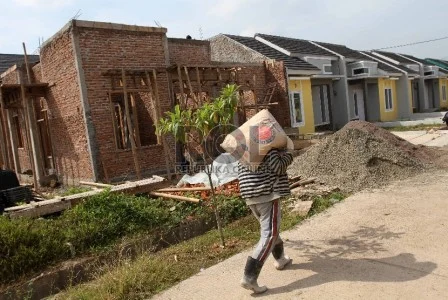
It was against this backdrop that the "Sejuta Rumah" program was inaugurated by President Joko Widodo in April 2015. The program was conceived as a national strategic initiative to accelerate the provision of affordable housing across the archipelago, with an ambitious target of constructing one million housing units annually. Its core objective is to reduce the housing backlog and ensure that every Indonesian citizen has access to adequate and livable housing, aligning with the nation’s broader development goals for inclusive growth and improved public welfare. The program is not merely about building houses but about fostering sustainable communities, improving sanitation, and creating economic opportunities through the construction sector.
A New Era of Transparency: The Digital Gateway
The newly launched website serves as a centralized digital repository for all information pertaining to the Sejuta Rumah program. Syarif Burhanuddin highlighted that the platform is specifically designed to cater to the needs of the public, especially those actively seeking affordable housing options. "We understand that many members of the public, particularly those with low incomes, are actively searching for affordable homes. This website is intended to make it easier for them to find information on where the one million houses have been, and will be, built," explained Burhanuddin.
The platform’s content is meticulously structured to provide a holistic view of the program. It includes detailed background information on the program’s inception, its strategic objectives, and the underlying policies that govern its implementation. Crucially, it features comprehensive data and information regarding the realization of housing units, tracking progress against annual targets. One of the most vital functionalities, as articulated by Burhanuddin, is the ability for the public to identify specific construction locations. "One of the important aspects of this website’s content is that the public can find out where the houses, part of the Sejuta Rumah program, are being built," he affirmed. This geo-spatial information is invaluable for prospective homeowners, allowing them to assess accessibility, proximity to work, schools, and other essential services.
Furthermore, the website offers a detailed breakdown of housing development locations across all provinces in Indonesia, from the westernmost province of Aceh to the eastern reaches of Papua. This comprehensive geographical coverage underscores the program’s national scope and its commitment to equitable development across diverse regions. Beyond location data, the platform also provides crucial information regarding the various housing aid schemes available. This includes requirements for obtaining "Rumah Khusus" (Special Houses), "Rusunawa" (Rental Flats), and the "Bantuan Stimulan Perumahan Swadaya" (Self-Help Housing Stimulant Assistance), commonly known as the "Bedah Rumah" (House Renovation) program. These diverse schemes cater to different segments of the population and specific housing needs, from disaster-affected communities to urban dwellers requiring rental options and rural families needing assistance to improve existing dwellings.
Program Evolution and Milestones: A Chronology of Progress
The Sejuta Rumah program, since its launch in April 2015, has seen a dynamic evolution, adapting to economic shifts, policy adjustments, and the varying needs of the Indonesian population.
- 2015 – The Inaugural Year: Launched by President Joko Widodo, the program set an ambitious target of one million units. Despite the initial challenges of coordination and implementation, it managed to achieve a significant number of units, laying the groundwork for future expansion. The focus was on immediate impact and demonstrating commitment.
- 2016-2018 – Scaling Up and Diversification: In these years, the program began to scale up its operations. Efforts were made to streamline permitting processes, encourage greater participation from private developers, and diversify the types of housing provided. The government also strengthened partnerships with regional administrations and state-owned enterprises (BUMN) to accelerate land acquisition and infrastructure development. The realization rates steadily improved, though consistently reaching the full one million target proved challenging due to various logistical and financial constraints.
- 2019-2020 – Enhancing Financial Accessibility: A key focus during this period was enhancing financial accessibility for low-income segments. This involved refining housing finance schemes, such as the Housing Loan Liquidity Facility (FLPP) and down payment assistance programs, to make homeownership more attainable. The COVID-19 pandemic in 2020 presented unprecedented challenges, impacting construction timelines and supply chains, yet the program continued, albeit with some adjustments to ensure worker safety and project continuity.
- 2021-2022 – Post-Pandemic Recovery and Digital Transformation: As Indonesia navigated the post-pandemic recovery, the Sejuta Rumah program played a vital role in stimulating the economy. The emphasis shifted towards accelerating delayed projects and leveraging digital technologies for more efficient data collection and monitoring. The idea of a centralized digital platform like the newly launched website began to gain traction, recognizing the need for greater transparency and public engagement.
- 2023-Present – Focus on Sustainability and Inclusivity: The program continues with an emphasis on sustainable urban development, green building practices, and further inclusivity. Efforts are ongoing to ensure housing for vulnerable groups, including the elderly, persons with disabilities, and remote communities. The launch of the information website in this period signifies a commitment to modern governance, using technology to bridge the gap between government initiatives and public needs.
While the annual target of one million units has been an aspirational benchmark, the program has consistently delivered hundreds of thousands of units each year, making a substantial dent in the housing backlog. For instance, in 2022, the program reportedly facilitated the construction of over 1.1 million units, exceeding its target, demonstrating renewed momentum and efficiency. This achievement was a testament to improved coordination among stakeholders, simplified bureaucratic procedures, and increased private sector participation.
Statistical Insights and Supporting Data
The Sejuta Rumah program’s impact is best understood through its quantitative achievements and the broader context of Indonesia’s housing landscape.
- Housing Backlog: As of recent estimates, the housing backlog in Indonesia remains substantial, hovering around 11-12 million units, though this figure can vary based on the definition of "adequate housing." The Sejuta Rumah program directly aims to chip away at this number.
- Program Realization (Cumulative): Since its inception in 2015 up to late 2023, the Sejuta Rumah program has cumulatively facilitated the construction of over 8 million housing units. This includes a mix of new constructions, renovations, and housing assistance schemes, demonstrating consistent progress over nearly a decade.
- Annual Achievements:
- 2015: Over 699,000 units realized.
- 2016: Over 800,000 units realized.
- 2017: Over 904,000 units realized.
- 2018: Over 1.1 million units realized, surpassing the target for the first time.
- 2019: Over 1.25 million units realized.
- 2020: Over 1.07 million units realized, despite the pandemic.
- 2021: Over 975,000 units realized.
- 2022: Over 1.1 million units realized.
- 2023: Preliminary figures indicate another strong year, potentially exceeding 1 million units.
- Target Beneficiaries: Approximately 70-80% of the housing units under the Sejuta Rumah program are allocated for low-income communities (Masyarakat Berpenghasilan Rendah – MBR), while the remaining 20-30% cater to non-MBR segments. This allocation underscores the program’s social equity objectives.
- Funding Mechanisms: The program relies on a blend of government funding (through various subsidies and direct construction), state-owned enterprises, and significant contributions from the private sector. Housing finance subsidies, such as the FLPP and Interest Difference Subsidy (SSB), have been instrumental in making homeownership affordable by reducing interest rates for eligible buyers.
- Types of Aid:
- Rumah Khusus: Directly built by the government, often for specific purposes like resettlement from disaster-prone areas, border communities, or fishing villages.
- Rusunawa: Multi-story rental apartments, providing affordable urban living, particularly for workers and low-income families in dense areas.
- Bantuan Stimulan Perumahan Swadaya (BSPS) / Bedah Rumah: Financial assistance for low-income households to improve or rebuild their dilapidated homes, promoting self-help and community participation.
These figures illustrate the monumental scale of the program and its direct contribution to improving housing conditions for millions of Indonesians.
Official Responses and Calls for Collaboration
The launch of this digital platform has been met with positive reception from various government officials, reiterating the administration’s commitment to good governance and public service. Beyond Director General Syarif Burhanuddin’s remarks, the Ministry of PUPR, under the leadership of Minister Basuki Hadimuljono, has consistently championed initiatives that enhance transparency and public participation. The website is seen as an embodiment of this principle, providing a clear window into government operations and program effectiveness.
A critical aspect highlighted by Syarif Burhanuddin is the indispensable role of private developers in the success of the Sejuta Rumah program. "We hope for the support of developers to make the Sejuta Rumah program a success by providing information on the housing development data they have implemented," he urged. This call for collaboration underscores the public-private partnership model that underpins the program. Developers are not only crucial for meeting construction targets but also for ensuring the accuracy and completeness of the data presented on the new website. Their timely submission of project information is vital for maintaining the platform’s utility and credibility.
Furthermore, other related government bodies, such as the National Development Planning Agency (Bappenas), view such initiatives as integral to achieving broader national development goals. Transparent and accessible information about housing programs facilitates better planning, monitoring, and evaluation, ensuring that resources are allocated effectively and that the program’s objectives align with national priorities for poverty reduction, urban planning, and economic growth.
Broader Impact and Implications
The Sejuta Rumah program, supported by this new digital transparency tool, carries profound broader implications for Indonesia’s socio-economic landscape.
- Socio-Economic Empowerment: Access to decent housing is a fundamental human right and a powerful catalyst for socio-economic empowerment. It provides stability, improves health outcomes (especially for children), and frees up household income for other necessities like education and nutrition. By reducing the housing burden, the program contributes to poverty alleviation and enhances the overall quality of life.
- Economic Stimulus: The construction sector is a significant driver of economic growth. The large-scale construction activities under the Sejuta Rumah program generate employment opportunities across various skill levels, stimulate demand for construction materials, and foster growth in related industries (e.g., finance, logistics, real estate services). This economic multiplier effect contributes significantly to national GDP.
- Regional Development and Equity: By distributing housing projects across all provinces, the program helps to address regional disparities and promotes more balanced development. It can lead to the growth of new urban centers and improved infrastructure in previously underserved areas, fostering more equitable distribution of resources and opportunities.
- Challenges and Future Outlook: Despite its successes, the Sejuta Rumah program faces ongoing challenges. These include issues related to land acquisition, which can be complex and time-consuming; ensuring the quality and sustainability of construction; adequate infrastructure development (roads, water, sanitation, electricity) in new housing areas; and securing consistent funding in varying economic climates. Bureaucratic hurdles and coordination among multiple stakeholders also remain perennial challenges. The new website, by promoting transparency, can help in identifying bottlenecks and facilitating quicker resolutions.
- Technological Governance: The launch of this digital platform signifies a broader trend towards technological governance in Indonesia. By leveraging digital tools, the government aims to enhance efficiency, reduce corruption, and improve public trust. This move sets a precedent for how other national programs might utilize technology to connect with citizens and ensure accountability.
- Sustainability and Resilience: Moving forward, the program will need to increasingly focus on sustainable building practices, climate-resilient designs, and smart city concepts, especially in the face of environmental challenges and rapid urbanization. The digital platform can also serve as a repository for best practices and environmental impact assessments, guiding future development.
In conclusion, the Indonesian government’s initiative to launch a comprehensive digital information service for the Sejuta Rumah program represents a significant stride towards greater transparency, public engagement, and efficient governance. By providing easy access to vital information, from project locations to eligibility requirements for housing aid, the platform empowers citizens and strengthens the collaborative efforts between the government, developers, and the community. This move not only enhances the credibility and effectiveness of a crucial national program but also sets a benchmark for leveraging technology to address pressing social needs and foster inclusive development across the archipelago.