Paryono Ramadhan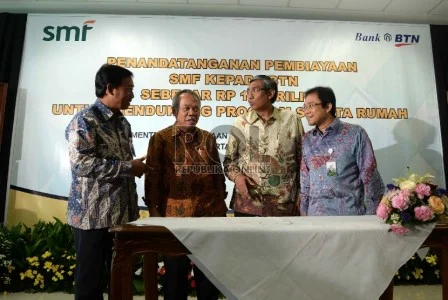
The Indonesian government has unequivocally declared its commitment to marshalling all available resources to ensure the success of the ambitious One Million Houses Program, a flagship initiative aimed at addressing the nation’s significant housing deficit, particularly for low-income communities. This declaration comes as crucial financial partnerships, such as the Rp 1.5 trillion loan facility extended by PT Sarana Multigriya Finansial (SMF) to Bank Tabungan Negara (BTN), are being cemented to bolster the program’s implementation. Minister of Public Works and Housing, Basuki Hadimuljono, underscored this comprehensive approach during the signing ceremony between SMF and BTN in Jakarta last week, emphasizing that every possible avenue for support would be explored and utilized to facilitate housing ownership for underserved segments of the population.
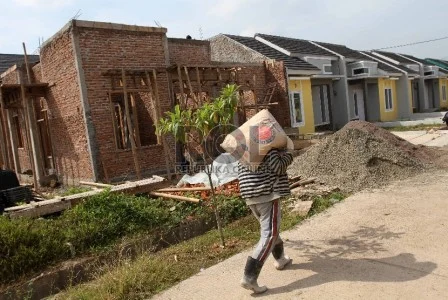
The One Million Houses Program, officially launched by President Joko Widodo in April 2015, represents a monumental effort to tackle Indonesia’s persistent housing backlog, which at the time of its inception was estimated to be around 11.4 million units. The program’s core objective is to accelerate the provision of affordable housing across the archipelago, with an annual target of constructing one million new residential units. This target is divided between housing for low-income communities (Masyarakat Berpenghasilan Rendah/MBR) and non-MBR segments, with a significant emphasis on the former, reflecting the government’s social equity agenda. The initiative is not merely about constructing buildings; it encompasses a broader vision of improving living standards, stimulating economic growth through the construction sector, and fostering more equitable urban and rural development. From its outset, the program recognized that success would hinge on a multi-faceted approach involving substantial government investment, innovative financing mechanisms, private sector participation, and streamlined regulatory processes.
A Crucial Financing Injection: SMF and BTN Partnership
The recent collaboration between PT Sarana Multigriya Finansial (SMF) and Bank Tabungan Negara (BTN) represents a vital injection of capital into the housing finance ecosystem. SMF, a state-owned enterprise operating under the Ministry of Finance, plays a critical role in developing Indonesia’s secondary mortgage market. Its primary mandate is to enhance the availability and affordability of long-term housing finance by issuing bonds and notes, which are then used to provide liquidity to primary mortgage lenders like BTN. The Rp 1.5 trillion (approximately USD 100 million at current exchange rates) loan facility from SMF to BTN is specifically earmarked to support the One Million Houses Program, directly facilitating the provision of mortgages to eligible low-income homebuyers.
BTN, as one of Indonesia’s largest state-owned banks and a long-standing specialist in housing finance, particularly for subsidized housing, is a natural partner in this endeavor. The bank has been at the forefront of distributing government-backed housing subsidies and has an extensive network and experience in reaching MBR segments. This partnership allows BTN to expand its lending capacity for the program without solely relying on its own deposit base, thereby mitigating interest rate risks and ensuring a more stable and affordable flow of funds for homebuyers. The collaboration is designed to streamline the process for MBR individuals to access financing, ultimately accelerating their journey towards homeownership. This strategic alliance underscores the government’s strategy of leveraging state-owned entities to achieve national development goals, particularly in sectors with high social impact.
Diversifying Funding Sources for Sustainable Housing Development
Minister Basuki Hadimuljono further highlighted the diverse array of potential funding sources beyond the SMF-BTN partnership, underscoring the comprehensive financial architecture supporting the One Million Houses Program. These include substantial contributions from social security funds and direct government budgetary allocations.
One significant contributor is BPJS Ketenagakerjaan (Employment Social Security Agency), which has identified a potential financing pool of Rp 48.5 trillion. BPJS Ketenagakerjaan, Indonesia’s social security provider for workers, offers various housing benefit programs to its participants, including housing loan facilities, down payment assistance, and housing renovation loans. These programs leverage the substantial funds accumulated from worker contributions, channeling them into productive investments that also serve the social welfare of its members. The agency’s involvement is crucial as it taps into a broad base of formal sector workers who are often the target beneficiaries of affordable housing initiatives, providing them with access to more favorable financing terms than typically available in the commercial market. The Rp 48.5 trillion figure signifies a massive potential for mobilizing long-term funds for housing, reflecting a strategic alignment between social security objectives and national housing policy.
Another cornerstone of the program’s financing is the Fasilitas Likuiditas Pembiayaan Perumahan (FLPP – Housing Finance Liquidity Facility), a government-backed interest rate subsidy program. For the current period, FLPP is projected to contribute Rp 5.1 trillion. The FLPP scheme is designed to make housing loans more affordable for MBR by subsidizing a portion of the interest rate, fixing it at a lower, more stable level over the loan’s tenure. This reduces the monthly repayment burden for homebuyers, making homeownership attainable for those who might otherwise be priced out of the market. The funds for FLPP are typically disbursed through participating commercial banks and sharia banks, with BTN being a major partner. This mechanism is crucial for bridging the affordability gap and is a direct intervention by the government to stimulate demand and supply in the affordable housing segment.
Additionally, direct government expenditure through the Daftar Isian Pelaksanaan Anggaran (DIPA – Budget Implementation Document) of the State Budget (APBN) allocates Rp 8.1 trillion for housing programs. These funds are typically used for direct construction of public housing, infrastructure development in housing areas, slum upgrading, and other direct interventions by the Ministry of Public Works and Housing. This direct allocation ensures that critical housing projects, particularly those for the most vulnerable populations or in remote areas, can proceed even if market-based financing is not readily available. It also covers the administrative and operational costs associated with program implementation, reinforcing the government’s direct role in addressing housing needs.
Combined, these identified sources – BPJS Ketenagakerjaan, FLPP, DIPA APBN, and partnerships like SMF-BTN – represent a multi-pronged financial strategy aimed at mobilizing significant capital to meet the ambitious targets of the One Million Houses Program. This diversified approach mitigates reliance on a single funding stream and leverages different financial instruments and institutional strengths to achieve a broader impact.
Addressing Structural Challenges: Insights from Indonesia Property Watch
While financial mobilization is critical, experts consistently point to several structural challenges that must be systematically addressed for the One Million Houses Program to achieve its full potential. Indonesia Property Watch, a prominent independent research and consulting firm specializing in the property sector, has outlined five key areas requiring urgent government attention:

-
Land Availability and Land Bank: The scarcity and escalating cost of land, particularly in urban and peri-urban areas, remain one of the most significant impediments to affordable housing development. Land prices in Indonesia are often subject to speculative pressures, making it exceedingly difficult for developers, especially those focusing on MBR housing, to acquire land at reasonable costs. Indonesia Property Watch advocates for the establishment of a robust land bank system. A land bank, typically managed by a government agency, would proactively acquire and hold land for future public use, including affordable housing. By controlling land acquisition and pricing, a land bank can insulate housing projects from market speculation, ensuring that land costs do not inflate the final price of homes. This mechanism is crucial for long-term planning and sustainable urban development.
-
Dedicated Housing Institution: The current institutional framework, while involving multiple ministries and agencies, often leads to fragmented efforts and coordination challenges. Indonesia Property Watch suggests the need for a more focused and powerful institution dedicated solely to "people’s housing." Such an entity could streamline policy formulation, program implementation, and inter-agency coordination, cutting through bureaucratic hurdles and ensuring a singular focus on the needs of low-income homebuyers. This institution could potentially oversee land banking, funding mechanisms, regulatory simplification, and data collection, acting as a central hub for all affordable housing initiatives.
-
Availability of Diverse Funding: Beyond the current FLPP and BPJS mechanisms, there is a continuous need to explore and expand alternative funding sources. This includes attracting more private sector investment, developing innovative financial instruments like real estate investment trusts (REITs) focused on affordable housing, and exploring international partnerships. The goal is to create a resilient and diversified funding ecosystem that can sustain the program’s long-term needs, ensuring that financial liquidity is always available for both developers and homebuyers, regardless of economic fluctuations. Expanding microfinance options for very low-income segments and self-help housing initiatives could also contribute significantly.
-
Data and Information on Housing Shortage: Accurate, comprehensive, and up-to-date data on the actual housing backlog, its geographical distribution, demographic characteristics of those in need, and types of housing required is fundamental for effective policy-making and resource allocation. Without precise data, programs risk being misdirected or inefficient. A national housing database, regularly updated and accessible, would enable the government to identify critical areas of need, tailor interventions more effectively, and monitor progress accurately. This includes not just the quantity of houses needed but also the quality, infrastructure requirements, and community preferences.
-
Streamlining Costs and Bureaucracy: The cumulative burden of permits, certification costs, and utility connection fees (such as electricity connection from PLN) significantly adds to the final price of a home and prolongs project timelines. Simplifying and shortening the permit approval process, reducing bureaucratic red tape, and lowering associated fees are crucial steps. This includes streamlining land acquisition permits, building permits (IMB), occupancy permits (SLF), and ensuring efficient and affordable connections to essential utilities like electricity and water. Such reforms would not only reduce development costs but also incentivize private developers to participate more actively in affordable housing projects, as it improves project viability and reduces investment risks.
Broader Impact and Implications
The One Million Houses Program, supported by these extensive financial commitments and aimed at addressing fundamental structural issues, carries significant broader implications for Indonesia.
Economic Impact: The construction sector is a major driver of economic growth, with substantial multiplier effects. The program stimulates demand for building materials (cement, steel, timber, ceramics), creates numerous jobs across the construction supply chain, from skilled labor to architects and engineers, and boosts related industries such as manufacturing, logistics, and finance. This sustained activity contributes directly to GDP growth, especially in regional economies where new housing developments are concentrated. Furthermore, improved housing conditions can enhance productivity and reduce health costs, contributing to a healthier workforce.
Social Impact: Beyond economic benefits, the program is a powerful tool for social upliftment. Providing decent, affordable housing directly improves the quality of life for millions of Indonesians, particularly those living in inadequate or precarious conditions. Access to stable housing contributes to better health outcomes, improved educational attainment for children (due to a stable learning environment), enhanced community safety, and a greater sense of dignity and belonging. It is also critical for reducing urban and rural poverty, fostering social mobility, and ensuring more equitable access to essential services and infrastructure.
Financial Sector Development: The robust financing mechanisms, involving SMF, BTN, BPJS Ketenagakerjaan, and FLPP, also contribute to the deepening and sophistication of Indonesia’s financial sector. The development of a secondary mortgage market through SMF, for instance, provides stability and liquidity to primary lenders, allowing them to offer more competitive and longer-term mortgage products. The integration of social security funds into housing finance demonstrates innovative approaches to leveraging domestic capital for national development priorities. These developments enhance financial inclusion and promote a more robust and resilient housing finance ecosystem.
Government’s Ongoing Commitment and Future Outlook
The Indonesian government, under the leadership of President Joko Widodo and with the direct oversight of Minister Basuki Hadimuljono, continues to prioritize the One Million Houses Program as a cornerstone of its national development agenda. Despite the challenges, including fluctuating economic conditions and the complexities of land acquisition and bureaucratic processes, the commitment remains steadfast. The emphasis on mobilizing "all resources" signifies a holistic approach that recognizes the multi-dimensional nature of the housing crisis.
Moving forward, the success of the program will hinge on sustained political will, effective inter-ministerial coordination, continued innovation in financing, and a diligent approach to implementing the structural reforms advocated by experts like Indonesia Property Watch. The government’s ability to consistently provide affordable and accessible housing is not just an economic imperative but a fundamental social responsibility, aiming to ensure that every Indonesian family has the opportunity to live in a decent and safe home. The SMF-BTN partnership, along with the other diverse funding streams, represents a significant step in this ongoing, long-term national endeavor, reinforcing the collaborative spirit required to transform aspirations into tangible realities for millions across the archipelago.