Chalifah Fatihah
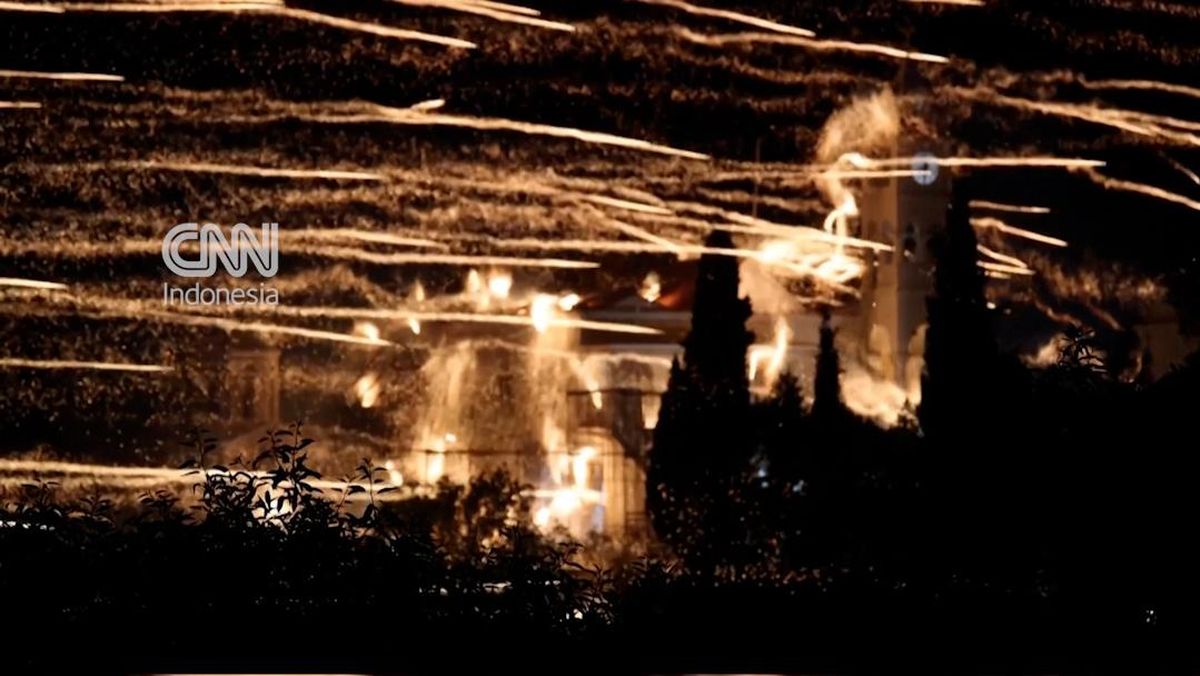
Residents of Vrontados, a village on the Greek island of Chios, engaged in their centuries-old, albeit illegal, "rocket war" tradition on Sunday, April 12th, to mark the Orthodox Easter celebration. The event saw an estimated 20,000 fireworks launched from opposing sides of the village, aimed at the bell towers of two rival churches. This pyrotechnic display, a unique and intense manifestation of local custom, illuminates the deep-seated rivalries and fervent religious devotion present in some Greek communities.
The Spectacle of the Vrontados Rocket War
The "rocket war," known locally as "Rouketopolemos," pits the neighborhoods surrounding the Panagia Erithiani and Saint Markos churches against each other. These two churches are strategically situated on opposing hillsides, providing a natural amphitheater for the dramatic confrontation. As midnight mass concluded, the skies above Vrontados erupted in a dazzling, and at times deafening, barrage of fireworks. Thousands of rockets streaked across the darkness, their fiery trails illuminating the night and their explosive detonations echoing through the valley. This ritual is not merely a festive display; it is a deeply ingrained cultural practice, believed to have originated in the 19th century.
The sheer scale of the event is noteworthy. With over 20,000 fireworks unleashed, the display is one of the most extensive and potentially dangerous of its kind. The objective is to strike the opponent’s bell tower, a symbolic victory in a long-standing, though often lighthearted, feud. While the intent is ritualistic, the execution carries significant risks, which have become a focal point of renewed debate.
Historical Roots and Escalating Concerns
The origins of the Vrontados rocket war are shrouded in legend, with most accounts tracing its beginnings to the 19th century. One popular narrative suggests the tradition started as an attempt by locals to mimic the sound of cannon fire during the Greek War of Independence (1821-1829), to drive away Ottoman forces. Another version posits it as a way to ward off evil spirits during the Easter period. Regardless of its precise genesis, the practice has become inextricably linked to the identity of Vrontados, passed down through generations.
However, the intensity and uncontrolled nature of the "war" have led to serious concerns regarding public safety. In recent years, the tradition has been criticized for its potential to cause significant damage and injury. The sheer volume of explosives creates a substantial fire hazard, particularly in a region prone to dry conditions, and the unpredictable trajectory of homemade fireworks poses a direct threat to spectators and property. These concerns have periodically resurfaced, prompting calls for greater regulation or outright prohibition of the event.
The legality of the rocket war has been a contentious issue. While local authorities have historically struggled to enforce bans effectively due to the widespread participation and deep cultural roots of the tradition, the risks are undeniable. Reports of past incidents, including property damage and injuries, have fueled the debate. The Greek fire service and police have in previous years attempted to discourage the practice, but the deeply entrenched nature of the ritual often overrides such efforts.
Supporting Data and Broader Context
The island of Chios, located in the eastern Aegean Sea, is known for its rich history, unique cultural traditions, and the mastic gum produced from the local lentisk tree, a UNESCO Intangible Cultural Heritage. The island’s villages often maintain distinct identities and customs, some of which are intensely local and have been preserved for centuries. The Vrontados rocket war is a prime example of such a localized tradition, deeply intertwined with the village’s social fabric and religious observance.
The Orthodox Easter, celebrated according to the Julian calendar, is the most important religious festival in Greece and for Orthodox Christians worldwide. It follows a period of strict fasting and is characterized by solemn religious services, family gatherings, and traditional foods. In many Greek villages, Easter celebrations are accompanied by unique local customs. While many are communal feasts and religious processions, the Vrontados "rocket war" stands out for its confrontational and pyrotechnic nature.
The use of fireworks during religious festivals is not uncommon in many cultures, often symbolizing divine light, celebration, or the casting out of evil. However, the scale and targeted nature of the Vrontados tradition are exceptional. The estimated 20,000 fireworks represent a significant logistical undertaking, requiring substantial preparation and resource allocation by the participating neighborhoods. The manufacturing and procurement of such a large quantity of explosives, even if homemade, underscore the commitment of the community to this tradition.
Official Responses and Challenges to Enforcement
The Greek authorities have consistently expressed concern over the safety implications of the Vrontados rocket war. In the lead-up to Easter, there are typically statements from the Hellenic Fire Service and local law enforcement urging residents to refrain from participating in such dangerous activities. They often highlight the potential for fires, injuries, and the strain placed on emergency services.
However, enforcing a complete ban on such a deeply ingrained tradition is a significant challenge. The event is not centrally organized but rather a decentralized, community-driven activity. The vast majority of villagers participate, making it difficult for a small police force to intervene effectively without risking widespread confrontation. The historical context and cultural significance also mean that any heavy-handed approach could be met with strong resistance and resentment.
In past years, authorities have attempted a more measured approach, focusing on warnings and confiscating illegal fireworks. However, the sheer scale of homemade explosives often makes complete prevention impossible. The debate typically intensifies after each Easter, with renewed calls for stricter measures or a permanent ban, only for the tradition to resurface the following year.
Analysis of Implications
The Vrontados rocket war, while a vibrant expression of cultural heritage, presents a clear dichotomy between tradition and safety. The event highlights the challenges faced by authorities in balancing the preservation of unique local customs with the paramount need to protect public safety.
Implications for Public Safety: The primary concern remains the risk of fires and injuries. The uncontrolled nature of the fireworks, coupled with the dry environment, creates a significant fire hazard. Injuries, ranging from minor burns to more severe trauma, are a recurring risk. The impact on emergency services, which must remain on high alert and potentially respond to incidents, is also a consideration.
Implications for Cultural Preservation: For the residents of Vrontados, the rocket war is more than just a dangerous pastime; it is a vital part of their identity and a powerful symbol of their community’s spirit. Banning it outright could be seen as an erosion of their cultural heritage, leading to a sense of loss and resentment. This raises questions about how such traditions can be managed or adapted to mitigate risks without erasing their cultural significance.
Implications for Tourism and Local Economy: While the event is not heavily promoted as a tourist attraction due to its inherent dangers, it does draw a degree of local and regional interest. However, the negative publicity surrounding potential accidents could deter visitors and negatively impact the island’s reputation.
The Future of the Tradition: The recurring debate suggests that a sustainable solution remains elusive. A complete ban is difficult to enforce, and the tradition’s cultural weight makes it resilient. Potential future approaches might involve:
- Intensified Public Awareness Campaigns: Greater emphasis on the risks and consequences, potentially involving community leaders in delivering the message.
- Controlled Pyrotechnics: Exploring the possibility of organizing a more regulated display, perhaps with professional pyrotechnicians, to ensure safety standards are met, though this would fundamentally alter the nature of the tradition.
- Focus on Mitigation: Investing in fire prevention measures in the village and ensuring robust emergency response plans are in place.
- Dialogue and Compromise: Fostering open discussions between the community, authorities, and cultural experts to find a way forward that respects tradition while prioritizing safety.
The Vrontados rocket war remains a potent symbol of the enduring power of tradition and the complex challenges of modernizing cultural practices. As the echoes of the fireworks fade, the debate over its future is likely to continue, a testament to the intricate relationship between heritage, community, and safety in contemporary Greece.