Nila Kartika Wati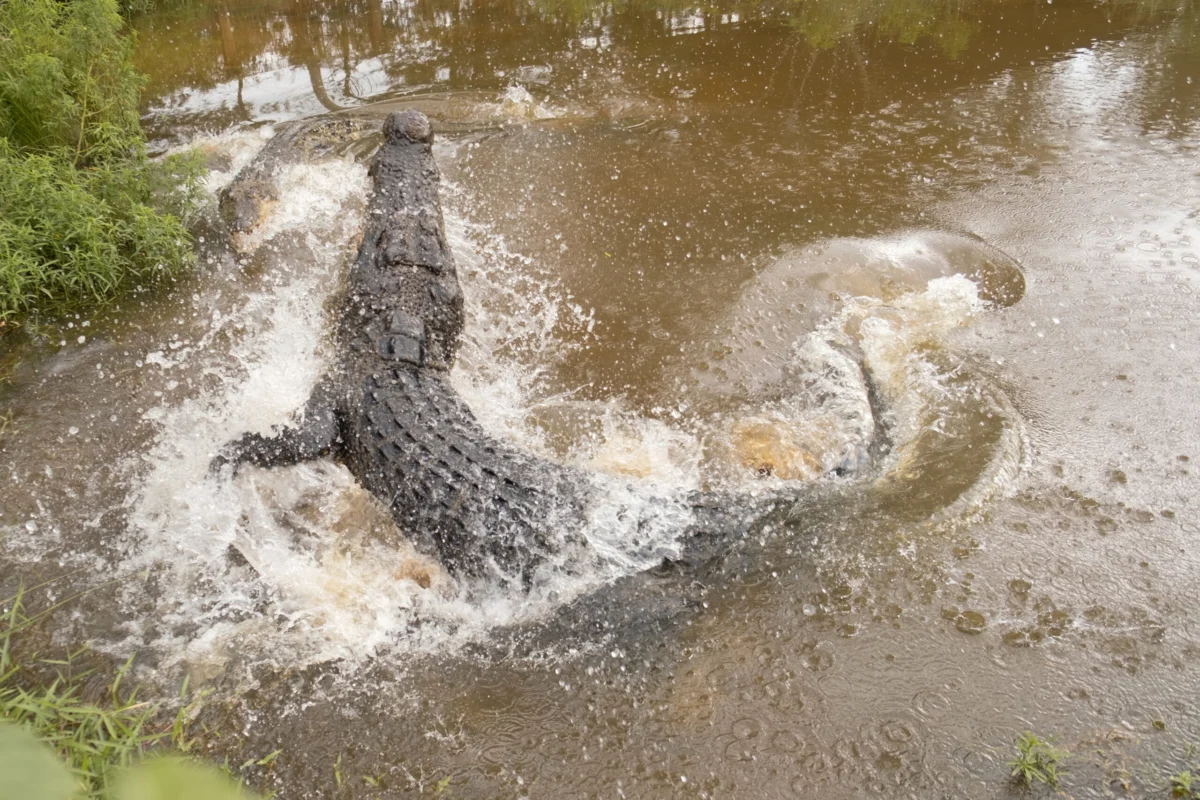
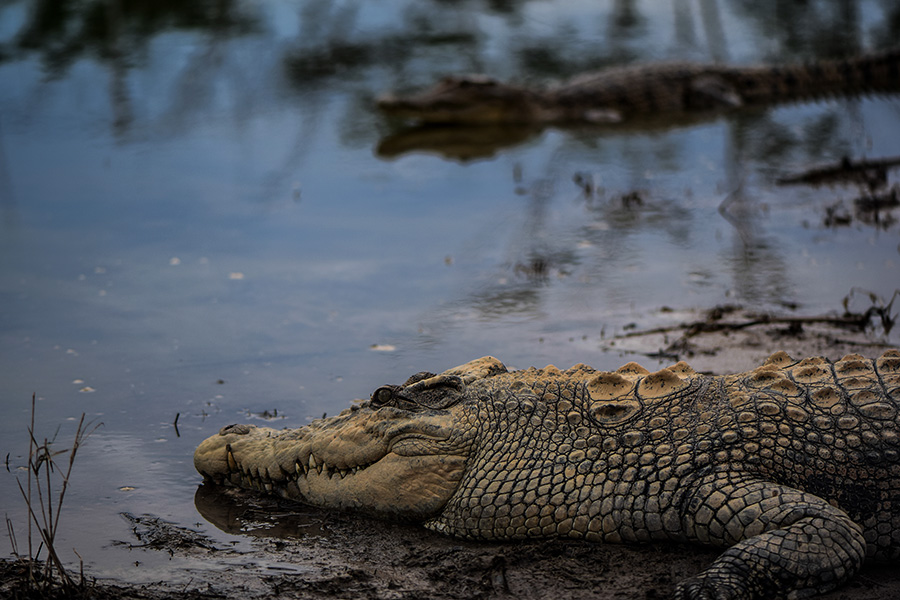
The historical harmony between the local communities and the saltwater crocodile (Crocodylus porosus) in the Menduk River wetlands of Bangka Regency, Bangka Belitung Islands, has reached a critical breaking point. For centuries, residents lived alongside these apex predators with a mutual, albeit cautious, respect. However, since 2022, this coexistence has been replaced by a surge in violent encounters. Environmental experts and local residents point to a singular, devastating cause: the systematic destruction of the crocodile’s natural habitat due to rampant illegal tin mining and the aggressive expansion of monoculture palm oil plantations.
The Menduk River, stretching 41.9 kilometers through the heart of Bangka, serves as a vital ecological and historical artery. Yet, as the landscape shifts from lush wetlands to industrial and agricultural zones, the biological boundaries that once kept humans and crocodiles apart have dissolved. The result is a growing tally of casualties on both sides of the species divide, highlighting a broader ecological crisis in the Indonesian archipelago.
A Legacy of Coexistence Shattered
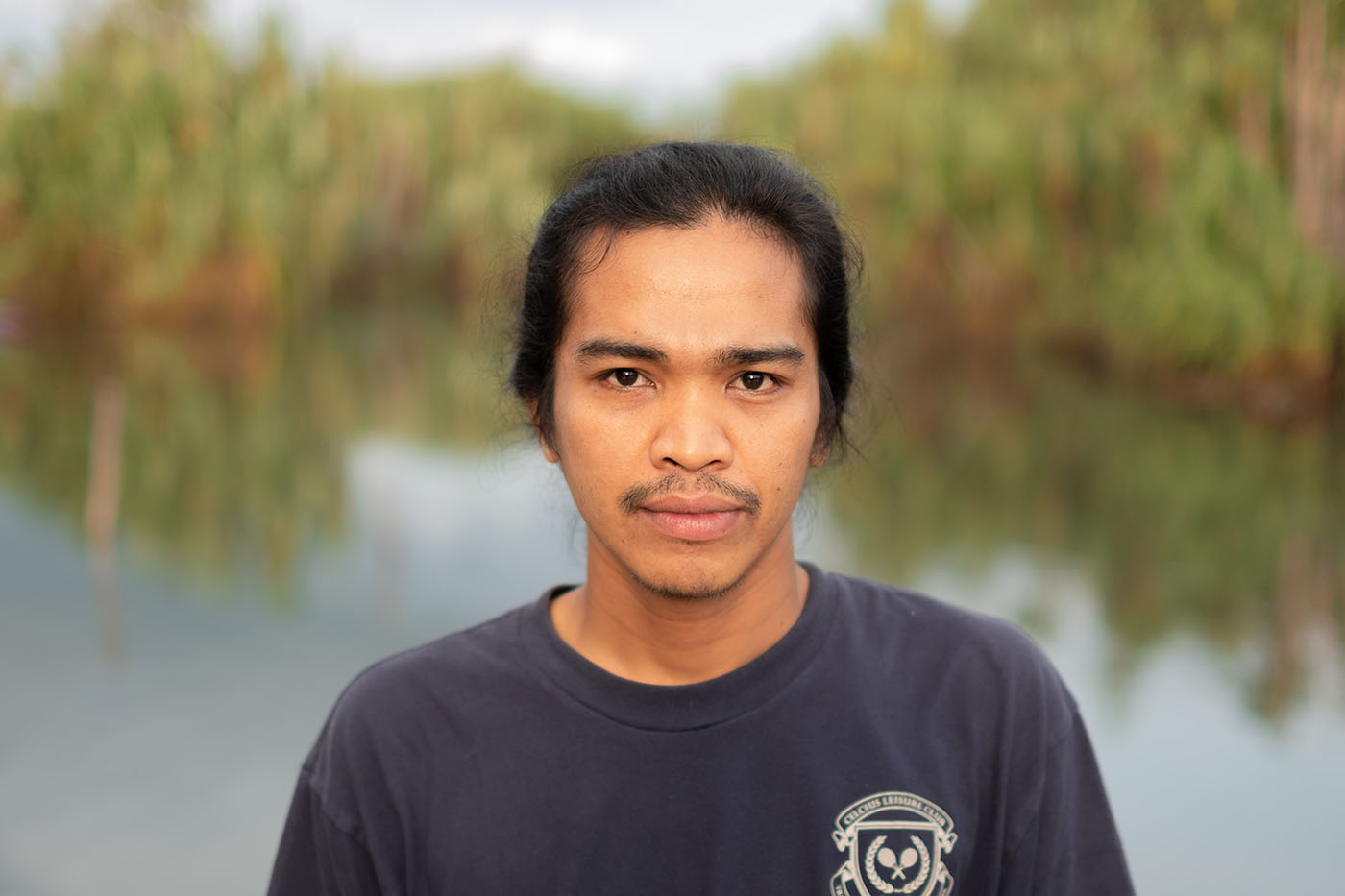
The Menduk River wetlands cover a vast area of approximately 43,200 hectares. For generations, the people of Menduk Village and surrounding areas navigated these waters to fish, bathe, and transport goods. According to Suhadi, a 32-year-old resident of Menduk Village and a manager at the Indonesian Forum for the Environment (Walhi) in Bangka Belitung, the shift occurred rapidly. "This conflict is happening because the swamps and tributaries that serve as the home for saltwater crocodiles are being destroyed," Suhadi stated during an interview in late March 2026.
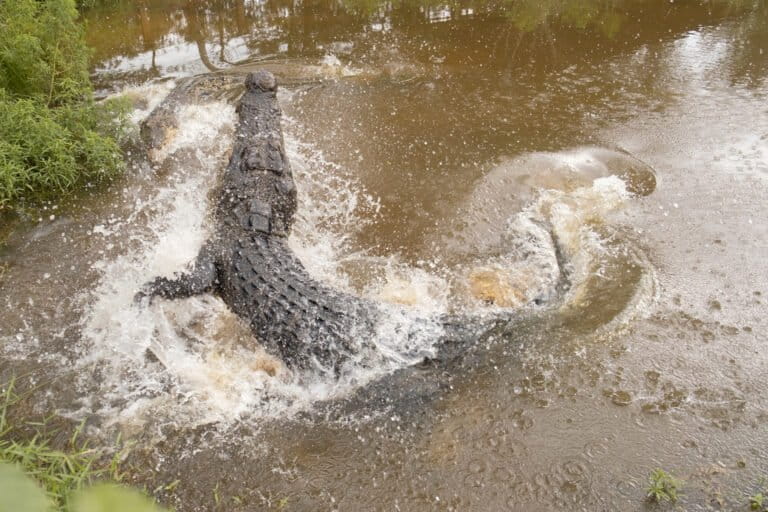
The statistics are grim. Since the uptick in conflicts began, at least five people have lost their lives to crocodile attacks in the Menduk River area alone, with dozens more suffering permanent injuries. These victims are often villagers engaged in traditional activities essential to their livelihoods. In February 2026, the community was rocked by the death of 40-year-old Jauhari, known locally as Buluk. He was attacked and killed while searching for fish, a routine task that has become increasingly perilous.
This local crisis is part of a larger, province-wide trend. Data from the Alobi Foundation’s Animal Rescue Center (PPS) reveals that over the last five years, Bangka Belitung has recorded 50 significant human-crocodile conflicts. These incidents have resulted in 21 human fatalities and 12 crocodile deaths. The peak of this violence occurred in 2024, which saw 31 recorded cases, leading to 10 human deaths and the retaliatory killing of nine crocodiles.
The Drivers of Displacement: Tin and Palm Oil
The transformation of the Menduk wetlands is not a natural evolution but a result of intensive human intervention. Approximately 1,500 to 1,600 hectares of the Menduk wetland ecosystem have been severely damaged or entirely repurposed. Of this, nearly 1,000 hectares have been converted into palm oil plantations, managed by both large-scale corporations and independent smallholders. These plantations require extensive drainage of peatlands and swamps, effectively removing the deep-water sanctuaries crocodiles need for nesting and hunting.
Parallel to agricultural expansion is the scourge of illegal tin mining. Bangka Belitung is the heart of Indonesia’s tin production, a commodity in high demand globally for electronics. In the Menduk wetlands, there are an estimated 250 active illegal mining points. These "tambang inkonvensional" (unconventional mines) utilize high-pressure water hoses to blast away riverbanks and soil, leading to massive sedimentation, water pollution, and the total destruction of the riparian zones that crocodiles inhabit.
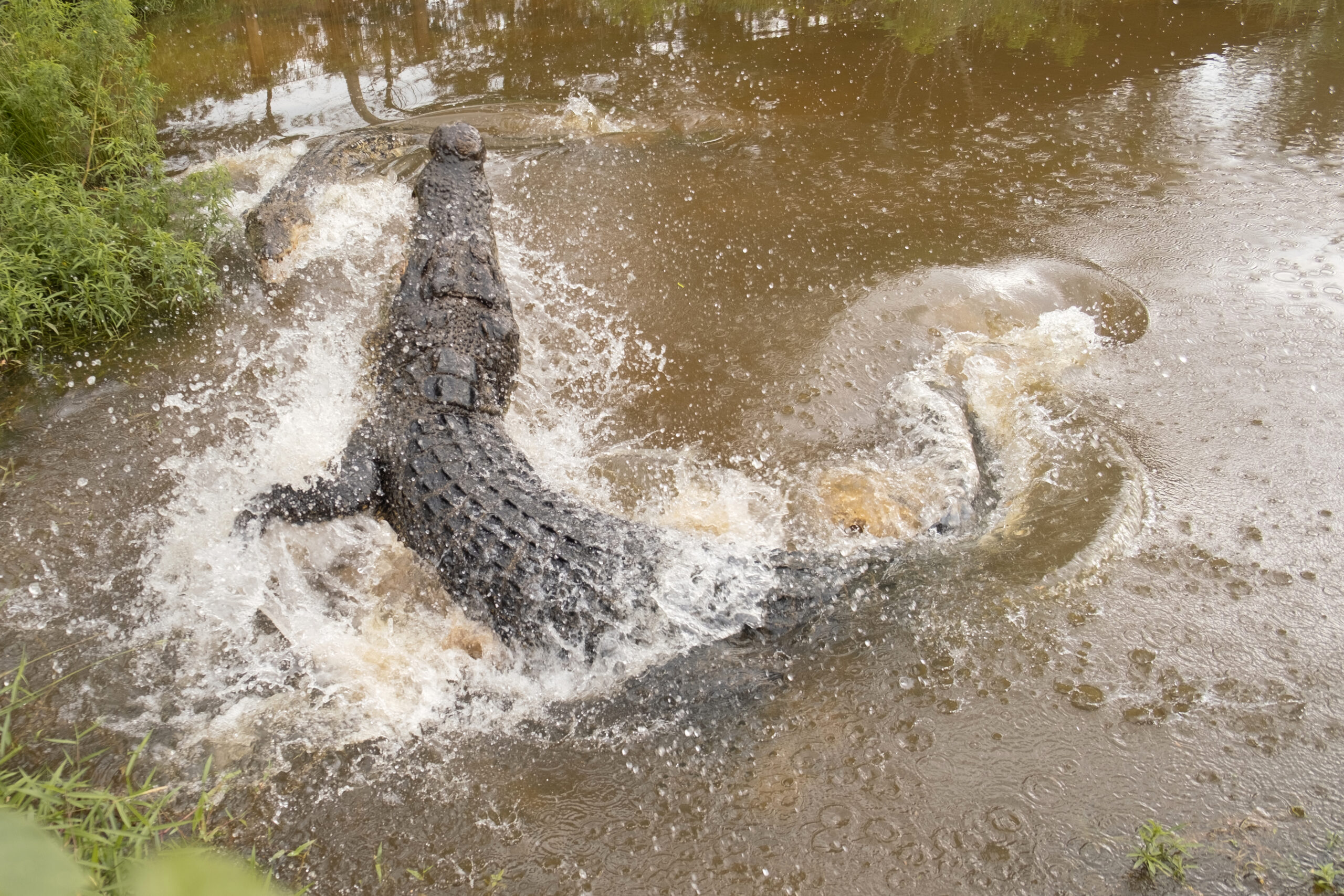
Endi R. Yusuf, Manager of PPS Alobi Foundation, explains the biological mechanics behind the rising aggression. "When a crocodile’s habitat is destroyed, it is forced to migrate to other areas where the habitat remains intact," Yusuf explained. "However, these areas are already occupied by other crocodiles. This leads to territorial disputes and a fight for dwindling food sources. The crocodiles become highly stressed and aggressive, losing their natural fear of humans as they search for new territory and prey."
Historical and Cultural Context of the Menduk River
The tragedy of the Menduk River is compounded by its immense historical value. The river has been a center of civilization since the 6th century. At the mouth of the river, in the village of Kota Kapur, lies a significant archaeological site of the Sriwijaya Empire. The site includes remnants of ancient fortresses, ports, and Hindu temples, as well as the famous Kota Kapur Inscription dated 686 AD.
For over a millennium, the river was the lifeblood of the interior. During the Dutch colonial era, it remained a thriving hub for the trade of freshwater fish, damar resin, rattan, pepper, and rubber. Four ancient ports—Pangkalan Menduk, Suak Jangker, Suak Melangin, and Mengarau—once facilitated this commerce. Today, only Pangkalan Menduk remains functional, a shadow of the region’s former maritime glory.
The cultural fabric of the community is also unraveling. Historically, "Pawang Buaya" (crocodile shamans) played a crucial role in maintaining the peace between humans and reptiles. They enforced "pantang larang"—traditional environmental ethics and taboos—that regulated how and when people could enter the water.
Suhadi notes that this traditional wisdom is being ignored in the face of modern economic pressures. "The voices of the pawang are no longer heard," he said. Furthermore, the integrity of the practice has been compromised by individuals claiming to be shamans who falsely promise that a certain area is "safe" for mining or planting after a ritual. When these promises fail, the results are often fatal, further eroding the community’s trust in traditional ecological management.
Ecological Collapse and Biodiversity Loss
The human-crocodile conflict is merely the most visible symptom of a broader ecological collapse. The degradation of the wetlands has led to a sharp decline in freshwater biodiversity. Supardi, a 64-year-old community leader in Menduk, laments the loss of fish species that were once staples of the local diet. "Fish are becoming very scarce here. Species like the baung (catfish), tapah (giant sheatfish), and kelik (walking catfish) are now incredibly difficult to find," Supardi said.
The botanical landscape is also changing. High-value timber and ecologically significant trees, including Rengas, Menggeris, Nyatoh, and various species of Meranti and Medang, are disappearing as forests are cleared for plantations or undermined by mining. This loss of flora affects the entire food chain; without the shade and root systems of these trees, the river temperatures rise, and the insects and smaller animals that feed the fish population vanish, leaving the crocodiles with no choice but to seek alternative prey—sometimes including livestock or humans.
As the river becomes less productive, the villagers’ way of life is forced to change. Many who once relied on the river for a balanced livelihood of fishing and farming have been forced to transition entirely to land-based agriculture, primarily palm oil, which ironically contributes further to the environmental degradation that started the cycle.
Scientific Perspectives and Regional Data
The escalation of conflict in Bangka Belitung has drawn international attention. Brandon Sideleau, an Australian crocodile researcher who manages the "CrocAttack" database, has tracked the trends in the region since the mid-2000s. His data shows that in 2005, when illegal tin mining began to accelerate, there was only one recorded conflict. The years 2006 and 2007 saw zero incidents. However, by 2008, the frequency began to climb, and a conflict has been recorded every single year since.
This timeline correlates directly with the "tin rush" and the rapid expansion of the palm oil industry in Indonesia. The Saltwater Crocodile is a highly territorial species with a strong homing instinct. When displaced, they do not simply disappear; they wander. This wandering brings them into contact with human settlements, irrigation canals, and even flooded residential areas, as seen in nearby Banyuasin.
The conflict is no longer confined to areas with active mining. Even "pristine" areas are seeing an influx of "refugee" crocodiles fleeing destroyed habitats elsewhere. This creates a domino effect of instability across the archipelago’s water systems.
The Call for Conservation and Policy Reform
To mitigate the violence and preserve the remaining population of Crocodylus porosus, experts argue that a dedicated conservation strategy is urgent. The PPS Alobi Foundation, which operates a crocodile sanctuary in Air Jangkang, is currently at maximum capacity. They are increasingly unable to take in "problem" crocodiles because there are no safe, intact habitats left for relocation.
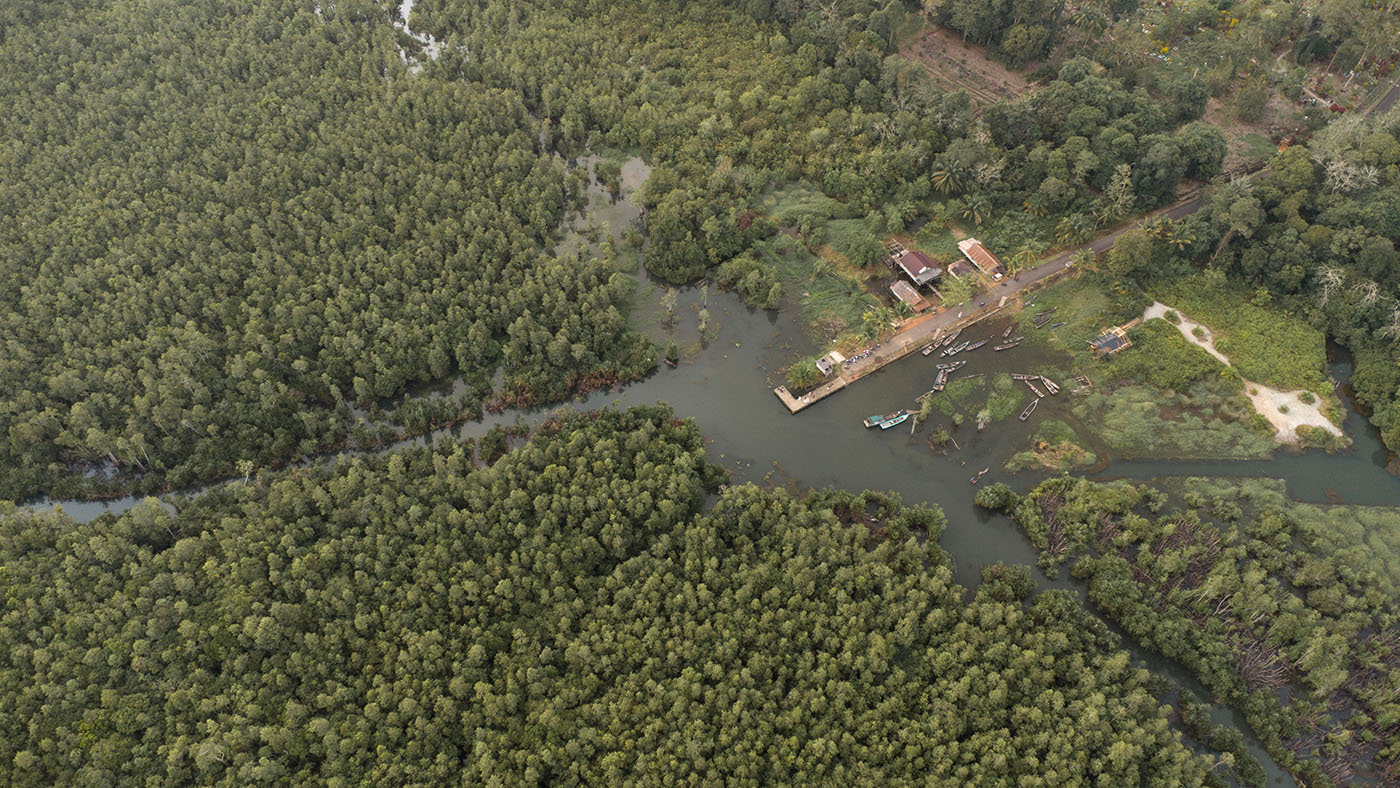
"We need a dedicated crocodile conservation area in Bangka Belitung," Endi R. Yusuf emphasized. Such an area would need to be a large, contiguous wetland or mangrove system that is strictly off-limits to mining and plantations. One proposed site is Tanjung Pura in the Central Bangka Regency. Unlike many other areas, the community in Tanjung Pura has actively resisted the encroachment of tin mining and palm oil, maintaining their mangroves and swamps in relatively good condition.
The establishment of such a sanctuary would require significant political will and a shift in provincial land-use policy. Current Indonesian law (Law No. 5 of 1990 on the Conservation of Living Natural Resources and their Ecosystems) provides the framework for protecting endangered species, but enforcement in the face of lucrative tin and oil palm interests remains a monumental challenge.
Implications for the Future
The situation in the Menduk River is a cautionary tale of what happens when economic extraction is prioritized over ecological balance. The loss of the "harmony" between the people of Menduk and the crocodiles is not just a local tragedy; it is a signifier of the eroding resilience of Indonesia’s wetlands.
If current trends continue, the Menduk River will cease to be a source of life and history, becoming instead a site of perpetual conflict and biological sterility. The restoration of the wetlands and the protection of crocodile habitats are not merely about saving a predator; they are about saving the river system that has sustained human civilization in Bangka for over 1,400 years. Without intervention, the "alarm" sounded by the death of Jauhari in 2026 may be the final warning before a permanent ecological silence falls over the Menduk.