Chalifah Fatihah
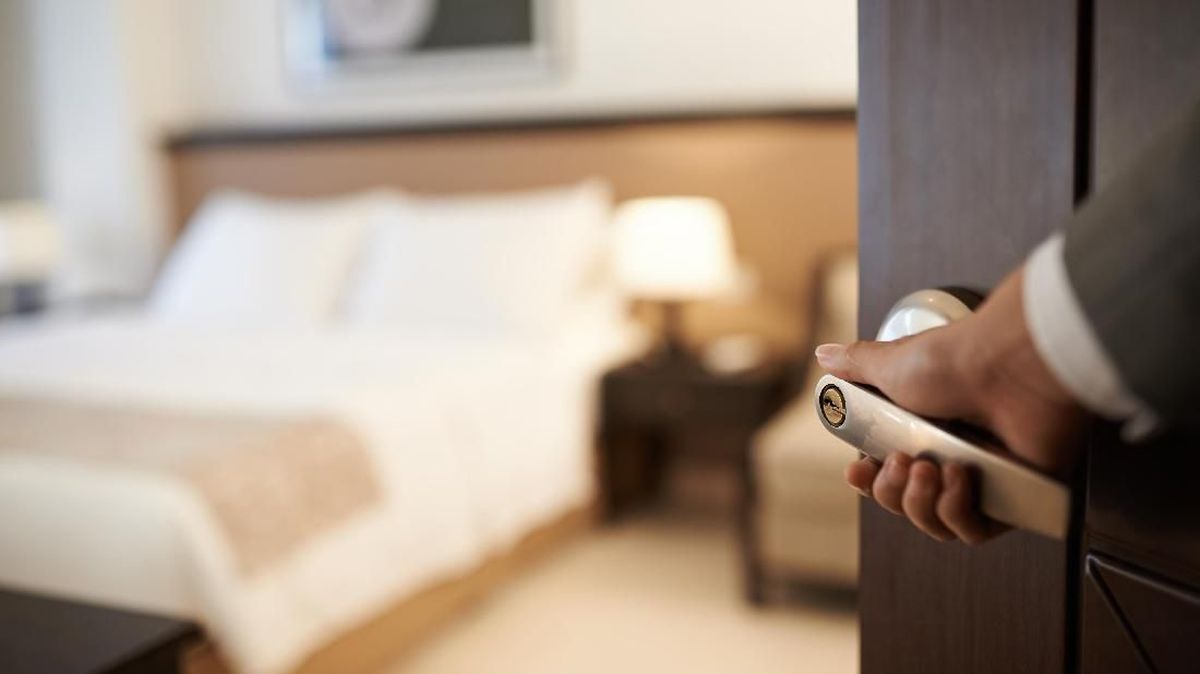
Checking into a hotel room often evokes a sense of comfort, relaxation, and rejuvenation. Guests are typically greeted by crisp white sheets, perfectly plumped pillows, immaculate flooring, and gleaming bathroom fixtures designed to create an illusion of pristine sterility. However, beneath this polished exterior lies a hidden micro-world that frequently escapes the notice of the average traveler. While visible surfaces like countertops and mirrors are rigorously wiped down, numerous high-touch objects in hotel accommodations harbor alarming concentrations of bacteria, viruses, and other microorganisms. Understanding which items pose the highest microbial risks allows travelers to navigate their stays safely without succumbing to unwarranted paranoia.
The Hospitality Industry and Housekeeping Pressures
The hospitality sector operates under immense operational demands, particularly during peak travel seasons, holidays, and weekends. Housekeeping staff are perpetually bound by strict turnaround times—often expected to clean, sanitize, and reset a departure room in as little as 20 to 30 minutes. This high-pressure environment necessitates prioritizing visible cleanliness standards over microscopic sanitization. Consequently, while linen changes, floor vacuuming, and bathroom scrubbing receive immediate attention, smaller, non-porous, and high-frequency tactile surfaces are frequently overlooked or wiped down hastily with general-purpose cloths that may inadvertently cross-contaminate multiple items within the same room.
Independent hygiene audits and microbiological investigations conducted over the past decade consistently highlight a significant disparity between perceived cleanliness and actual microbiological loads in temporary lodging facilities. Although luxury hotels generally implement more robust quality assurance protocols compared to budget motels, human error and time constraints mean that even five-star establishments are susceptible to oversight regarding specific high-touch fixtures.
Empirical Evidence: What Microbiological Studies Reveal
Scientific analyses of hotel room surfaces have repeatedly startled researchers and consumers alike. Studies conducted by hospitality researchers, consumer watchdog organizations, and microbiological laboratories have swabbed various room components to quantify bacterial colony-forming units (CFUs). The findings indicate that certain items regularly match or exceed the bacterial counts found on household toilets or public transit railings.
Microbiologists attribute this phenomenon to the sheer frequency of contact combined with inadequate disinfection protocols. Guests touch these surfaces immediately upon entering the room, often transferring pathogens acquired from airports, taxis, and public spaces directly onto hotel fixtures. Below is an examination of the primary vectors of bacterial accumulation identified in hospitality sanitation reports.
1. Television Remote Controls
The television remote control stands as perhaps the most universally contaminated item in any lodging accommodation. Handled by virtually every occupant who stays in the room, the remote is rarely subjected to rigorous chemical disinfection between guest turnovers. Guests manipulate the buttons while lounging in bed, consuming meals, or immediately after returning from public areas, transferring skin oils, food particles, and environmental pathogens onto the plastic casing and rubberized keypad buttons.
Microbiological swabs of hotel remotes frequently detect traces of Staphylococcus aureus, enteric bacteria, and respiratory viruses. Because standard housekeeping procedures often overlook remote controls during routine dusting and wiping, these devices remain breeding grounds for microbial persistence throughout consecutive guest rotations.
2. Pillowcases and Underlying Bedding Elements
While crisp linens and freshly laundered duvet covers provide a reassuring sensory experience, the hygiene ecosystem of a hotel bed extends deeper than the surface layer. Pillowcases, which remain in direct, prolonged contact with the human face, hair, and oral cavities for eight hours or more each night, are theoretically washed rigorously between guests. However, investigative reports have occasionally exposed shortcomings in commercial laundry supply chains or handling procedures prior to placement.
More critically, the physical pillows situated beneath the protective cases do not undergo laundering between every guest departure. Over time, pillows absorb perspiration, dead skin cells, and facial oils that penetrate the outer barrier. For discerning travelers seeking absolute peace of mind, requesting fresh pillowcases directly from the front desk or utilizing personal travel barriers remains a prudent precautionary measure.
3. Room Telephones and Intercoms
In an era dominated by mobile technology, traditional landline telephones in hotel rooms remain functional hubs for contacting room service, the front desk, or external numbers. Despite their declining utility for personal communication, these devices are handled frequently by successive occupants.
The curved design of telephone handsets creates complex crevices around the earpiece, mouthpiece, and numerical keypad where dust, skin debris, and saliva droplets accumulate. Housekeeping staff frequently wipe desk surfaces while neglecting to sanitize the telephone handle itself, leaving behind a persistent reservoir of microbial life that thrives in the ambient indoor climate of the guest room.
4. Bathtubs and Bathroom Drainage Systems
Bathrooms are engineered to project an aura of immaculate hygiene through the use of porcelain, tile, and chrome fixtures. However, bathtubs present unique cleaning challenges due to their expansive surface area and intricate contours. Housekeeping personnel operating under tight time constraints may focus primarily on the visible basin floor while neglecting perimeter caulking, overflow drains, and soap ledges.
Residual moisture combined with skin shedding creates an ideal microenvironment for mold, mildew, and bacterial proliferation. Without thorough chemical rinsing and drying, bathtubs can retain microscopic residues from previous occupants, transforming a relaxing soak into an unintended exposure to unwanted microorganisms.
5. Carpeting and Floor Coverings
Hotel carpeting absorbs an immense volume of foot traffic, luggage wheels, street dirt, and environmental debris over its operational lifespan. While vacuum cleaners are deployed daily to maintain a tidy visual appearance, surface-level suction fails to extract embedded particulate matter, allergens, deep-seated dust mites, and organic residues trapped within the carpet fibers.
Unlike hard flooring, which can be chemically mopped and sanitized efficiently, carpets require specialized steam cleaning and extraction treatments that are typically scheduled only during periodic deep-cleaning cycles rather than routine daily turnovers. Consequently, walking barefoot across hotel room carpets exposes the skin to accumulated contaminants left behind by hundreds of previous visitors.
6. Glassware and Reusable Drinkware
The complimentary glassware and ceramic mugs provided on room refreshment trays represent another critical focal point for hygiene audits. In many standard hotel operations, drinking glasses left in the room are rinsed hurriedly in the bathroom sink or washed using non-sterilized cloths by housekeeping staff rather than being routed through high-temperature commercial dishwashing machines in a central kitchen.
Inadequate washing techniques leave microscopic films, detergent residues, or organic matter on the rims of cups, posing potential gastrointestinal risks. To mitigate this hazard, many modern travelers opt for single-use paper cups, individually wrapped sanitary glassware, or request replacement items directly from hotel dining services.
7. Light Switches and Wall Panels
Wall-mounted light switches, thermostat dials, and door handles are among the most frequently manipulated fixtures in any indoor environment. Every guest entering the room touches the light switch immediately to illuminate the space, often transferring whatever pathogens are present on their hands at that exact moment.
Despite their high-touch status, light switches are rarely prioritized on daily housekeeping checklists, which tend to focus on larger surface areas like desks, bed frames, and bathroom counters. Over successive stays, these small plastic plates accumulate significant biological residue, making them silent vectors for germ transmission within the accommodation space.
Industry Response and Emerging Sanitation Technologies
In response to growing public awareness and heightened hygiene expectations following global health events, forward-thinking hotel chains are reforming their operational protocols. Major hospitality brands have introduced enhanced cleaning certification programs, investing heavily in advanced sanitization technologies such as electrostatic sprayers, ultraviolet-C (UV-C) light wands, and hospital-grade hydrogen peroxide vapor systems. These innovations allow housekeeping teams to disinfect entire rooms rapidly and thoroughly, neutralizing pathogens on high-touch surfaces like remote controls, telephones, and light switches with unprecedented efficiency.
Furthermore, luxury and mid-tier brands alike are increasingly incorporating tamper-evident seals on glassware, remote controls, and bathroom amenities to reassure guests that items have remained untouched and fully sanitized since the completion of the last comprehensive room turnover.
Implications for Travelers and Best Practices
While the presence of bacteria and microorganisms in hotel rooms is an undeniable reality, public health experts emphasize that the vast majority of these environmental microbes pose minimal risk to healthy individuals with functioning immune systems. The human body naturally defends against routine environmental exposures, and everyday travel involves continuous interaction with shared surfaces in airports, elevators, and restaurants.
Nevertheless, incorporating simple, non-disruptive hygiene habits can dramatically reduce exposure levels without diminishing the enjoyment of a trip. Travelers are advised to carry pocket-sized disinfectant wipes or hand sanitizer to quickly cleanse high-touch items—such as television remotes, light switches, and telephone handsets—upon initial entry into the room. Additionally, communicating specific cleanliness preferences or requesting fresh linens and sealed amenity items directly through hotel management ensures a comfortable, secure, and worry-free lodging experience.