Tata Titiana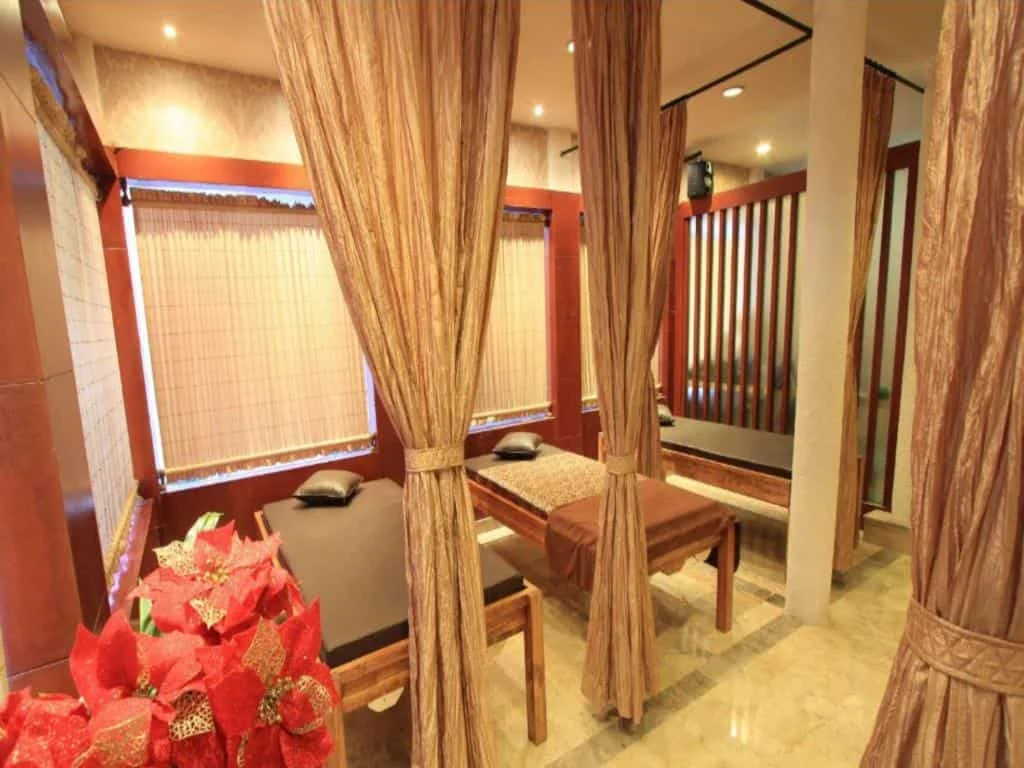
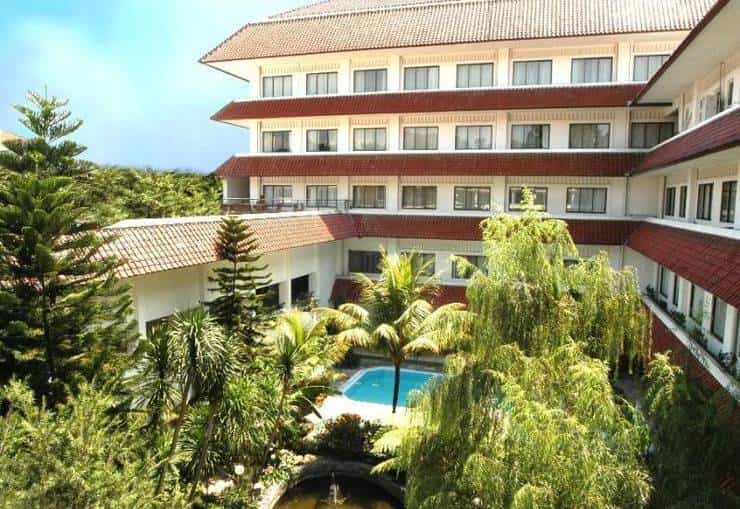
Nestled in the verdant embrace of Bogor, Indonesia, Hotel Salak The Heritage stands as a testament to a bygone era, its architecture whispering tales of Dutch colonial influence. More than just a four-star accommodation, this historic establishment, located at Jalan Ir. H. Juanda Nomor 8, Bogor, offers a unique gateway into Indonesia’s past, seamlessly blending its colonial charm with modern hospitality. Its strategic location, surrounded by the cool mountain air of Bogor, further enhances its appeal, placing it within arm’s reach of some of the region’s most cherished natural and historical landmarks.
The hotel’s distinctive Dutch architectural style is not merely an aesthetic choice but a direct reflection of its deep historical roots. Established in 1856, its origins trace back to the Dutch East Indies era. Initially known as the Bellevue-Dibbets Hotel, it was owned by the family of Governor-General Charles Ferdinand Pahud. Its primary purpose was to serve as a lodging for officials of the Dutch East India Company (VOC) who frequented Bogor, then a significant administrative and recreational center for the colonial government. This historical lineage imbues Hotel Salak The Heritage with a profound sense of place, allowing guests to step back in time while enjoying contemporary comforts.
The proximity of Hotel Salak The Heritage to key attractions further solidifies its appeal as a prime destination. Situated just 520 meters from the Taman Nasional Halimun Salak, 550 meters from the Bogor Palace, 630 meters from the Museum Zoologi, and a mere 710 meters from the iconic Kebun Raya Bogor (Bogor Botanical Gardens), guests are afforded unparalleled access to the city’s most popular sites. This convenience allows for easy exploration of Bogor’s natural beauty and cultural heritage, making it an ideal base for both leisure and educational tourism.
The hotel’s journey through history is as rich as its architecture. During the Japanese occupation of the Dutch East Indies, the building was commandeered by the Japanese forces and utilized as a military headquarters during World War II. Following Indonesia’s declaration of independence, the Bellevue-Dibbets Hotel underwent a transition in ownership and was subsequently renamed Hotel Salak. This transformation marked a new chapter for the establishment, integrating it into the fabric of post-colonial Indonesia while retaining its historical significance.
Today, Hotel Salak The Heritage boasts 140 well-appointed rooms and 16 meeting rooms, catering to a diverse range of guests, from international tourists to business travelers. Each room is equipped with amenities designed to ensure a comfortable and luxurious stay. The hotel’s commitment to providing a comprehensive guest experience is evident in its extensive facilities.
A Wealth of Amenities for Every Guest
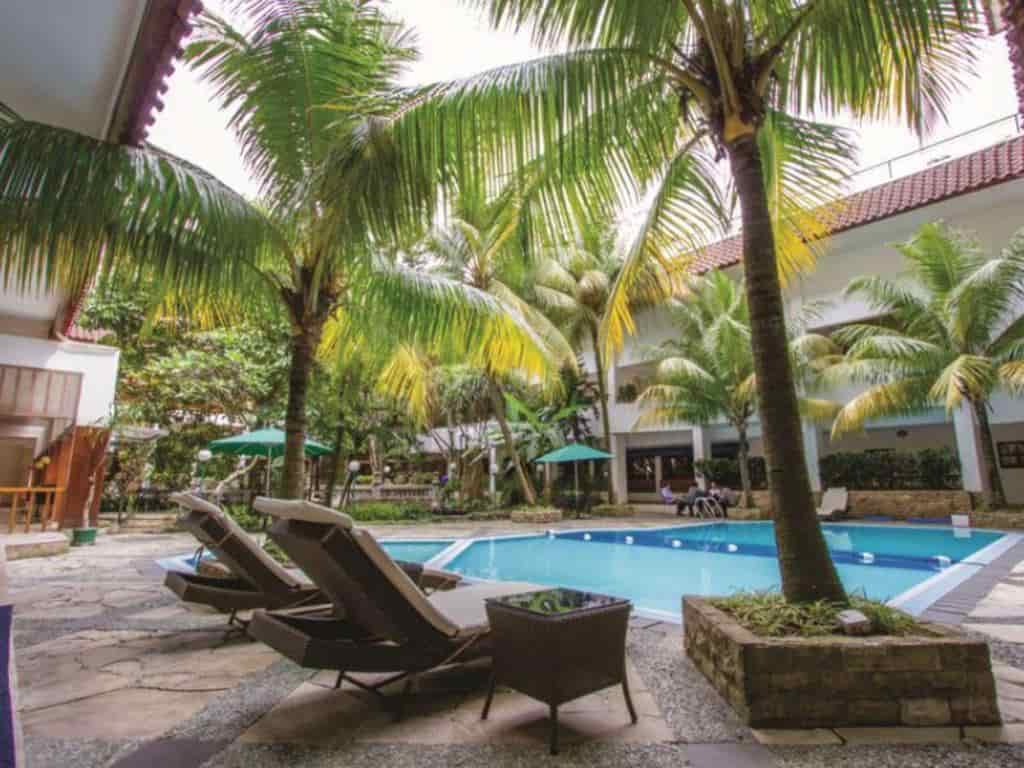
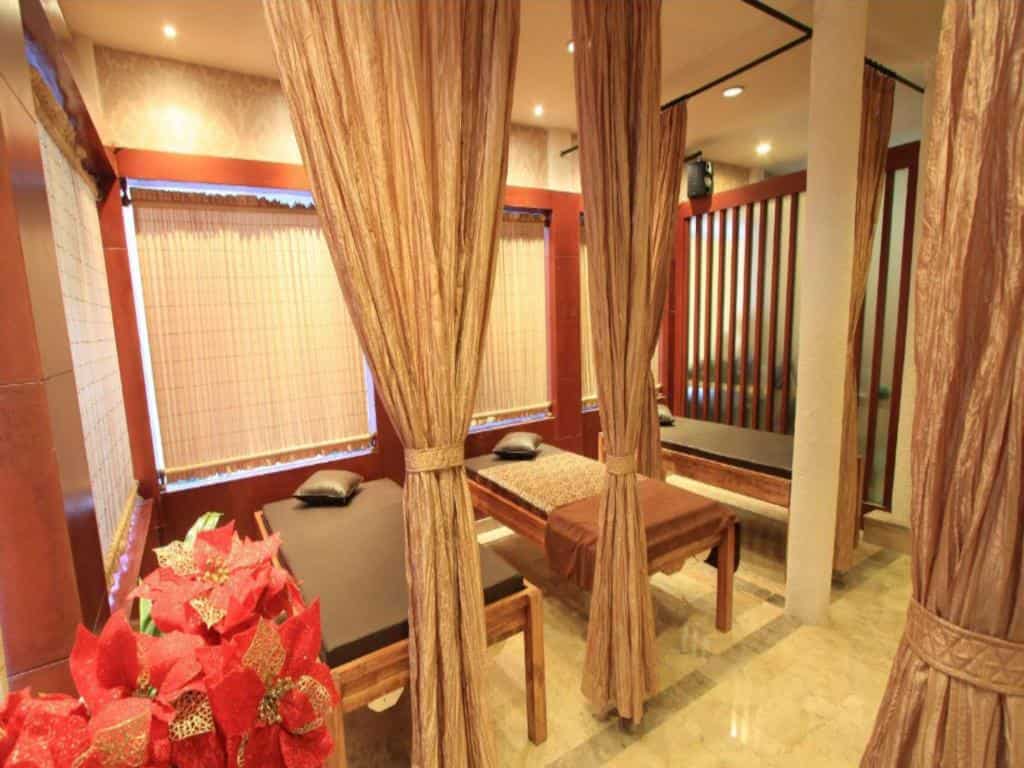
Hotel Salak The Heritage offers a wide array of entertainment and leisure facilities. Guests can maintain their fitness regimes at the well-equipped fitness center, indulge in rejuvenating treatments at the spa, or take a refreshing dip in the swimming pool. For those seeking intellectual stimulation or a quiet escape, a library is available. Recreational activities such as karaoke and billiards further enhance the guest experience, providing options for both relaxation and fun.
Culinary offerings are equally diverse, with a bar, restaurant, and coffee shop providing a range of dining experiences. The hotel also caters to the needs of travelers arriving from out of town, offering airport shuttle services for an additional fee. Throughout the property, guests can stay connected with complimentary Wi-Fi access, a crucial amenity in today’s interconnected world. The hotel’s commitment to guest convenience is further underscored by its 24-hour check-in service, ensuring a seamless arrival experience regardless of travel schedules.
A Legacy of Service Excellence
The hotel’s enduring legacy is not solely defined by its historical architecture or prime location, but also by its unwavering commitment to exceptional service. Despite numerous name changes throughout its existence, the quintessential Dutch charm has remained a constant. This dedication to quality hospitality has earned Hotel Salak The Heritage international recognition. A notable instance of this recognition came in 2006 when it received a Certificate of Appreciation from the White House Communications Agency for providing outstanding service during the state visit of then-U.S. President George W. Bush to Indonesia. This accolade highlights the hotel’s ability to meet the highest standards of service expected by global dignitaries.
Historical Context and Evolution
The establishment of Hotel Salak The Heritage in 1856 occurred during a period of significant Dutch colonial expansion and consolidation in the Nusantara. Bogor, then known as Buitenzorg, served as a crucial administrative and agricultural hub. The Dutch East India Company, and later the Dutch colonial government, invested heavily in infrastructure and amenities to support their operations and provide a comfortable living environment for their officials. The construction of establishments like the Bellevue-Dibbets Hotel was instrumental in facilitating these objectives.
The hotel’s transition through different historical phases – from a private colonial-era accommodation to a military base during wartime and finally to a civilian hotel post-independence – mirrors the broader socio-political transformations of Indonesia. Each period left its imprint on the building and its function, contributing to its layered history. The name changes, from Bellevue-Dibbets Hotel to Hotel Salak, and now to Hotel Salak The Heritage, reflect not only changes in ownership but also a conscious effort to acknowledge and preserve its historical identity.
The Japanese occupation period, for instance, brought a significant shift in the hotel’s purpose. As a military base, it played a role in the wartime strategies of Imperial Japan. The subsequent independence of Indonesia in 1945 led to a nationalization of many assets, including potentially the hotel, paving the way for its rebranding and reopening as a civilian establishment. This period of post-colonial nation-building saw the emergence of many Indonesian-owned businesses and the repurposing of historical buildings for national development.
The Enduring Appeal of Colonial Architecture
The architectural style of Hotel Salak The Heritage is characteristic of Dutch colonial buildings from the 19th century. This typically includes features such as high ceilings, large windows to maximize natural light and ventilation, sturdy construction with robust materials like thick stone walls and wooden beams, and often grand verandas or porticos. The aesthetic is usually functional yet elegant, designed to withstand tropical climates while exuding a sense of order and permanence. The preservation of these architectural elements is a key aspect of the hotel’s appeal, offering guests an immersive experience of historical ambiance.
The presence of such historically significant architecture in a modern hospitality setting provides a unique juxtaposition. It allows guests to appreciate the craftsmanship and design sensibilities of a past era while benefiting from the conveniences and services expected of a contemporary hotel. This blend is particularly attractive to tourists interested in history, culture, and heritage tourism, who seek experiences that go beyond the typical hotel stay.
Bogor as a Historical and Natural Destination
Bogor itself has a long and storied history that predates colonial times. Its strategic location, nestled in the highlands, has always made it an attractive area. The presence of the Bogor Palace, a former royal residence, further attests to its historical importance. The Kebun Raya Bogor, established in 1817 by the Dutch, is one of the oldest and most significant botanical gardens in Southeast Asia, serving as a center for botanical research and a beautiful public space.
The Taman Nasional Gunung Halimun Salak, a UNESCO Biosphere Reserve, represents the region’s rich biodiversity and ecological significance. Its proximity to the hotel underscores Bogor’s dual identity as a historical center and a gateway to natural wonders. The integration of these natural and historical attractions into the hotel’s location narrative amplifies its value proposition for travelers.
Economic and Tourism Implications
The continued operation and success of heritage hotels like Hotel Salak The Heritage have several positive implications for the tourism sector and the local economy. Firstly, they contribute to the diversification of tourism offerings, attracting a niche market interested in historical and cultural experiences. This can lead to increased visitor numbers and longer stays.
Secondly, the preservation of historical buildings like the hotel supports local heritage conservation efforts. By maintaining and operating these structures, the hotel ensures their survival and prevents their decay or demolition. This also creates employment opportunities for local communities, not only in hospitality roles but also in specialized trades required for the upkeep of historical buildings.
Thirdly, heritage hotels often become cultural ambassadors, educating visitors about the local history and culture. This can foster a deeper understanding and appreciation of Indonesia’s heritage among international and domestic tourists. The economic multiplier effect of tourism, from direct spending at the hotel to indirect spending in local businesses and attractions, further benefits the regional economy.
Future Prospects and Challenges
While Hotel Salak The Heritage benefits from its historical significance, it also faces challenges common to heritage properties. Maintaining an aging building requires continuous investment in preservation and modernization to meet contemporary standards of safety, comfort, and accessibility. Balancing historical authenticity with the need for modern amenities can be a delicate act.
Furthermore, competition in the hospitality sector is intense. The hotel must continuously innovate and adapt its services to remain competitive, while still leveraging its unique historical appeal. Marketing efforts need to effectively communicate its heritage value to target audiences, distinguishing it from newer, more contemporary hotels.
The growing trend of sustainable tourism and responsible travel also presents an opportunity for heritage hotels. By emphasizing their connection to local history and culture, and by adopting environmentally friendly practices, they can appeal to a growing segment of travelers who prioritize authentic and ethical experiences.
In conclusion, Hotel Salak The Heritage is more than just an accommodation; it is a living piece of Indonesian history. Its Dutch colonial architecture, strategic location in Bogor, and rich past offer a compelling experience for travelers. From its origins as a VOC officials’ lodging to its current status as a respected four-star hotel, it has witnessed and adapted to the changing tides of Indonesian history, standing as a proud symbol of the nation’s multifaceted heritage. Its continued success hinges on its ability to preserve its historical essence while embracing the demands of the modern tourism landscape, offering a unique journey through time for every guest who walks through its doors.