Nasution Nanang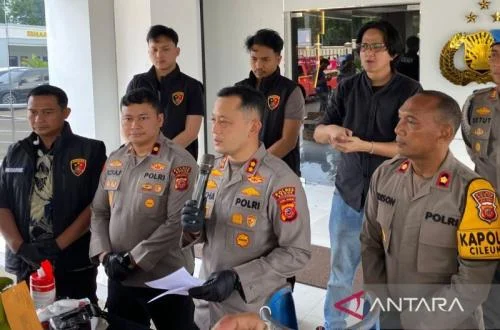
BOGOR, West Java – Prompt action following a public tip-off submitted via the national hotline service 110 has led to a significant breakthrough for police in Bogor Regency, uncovering and dismantling an extensive illegal operation involved in refilling subsidized liquefied petroleum gas (LPG) cylinders. The concerted effort by the Bogor Police Force successfully raided two distinct locations within the regency, specifically in the districts of Sukaraja and Cileungsi, dealing a substantial blow to criminal networks exploiting government subsidies and endangering public safety. The success underscores the critical role of community participation in law enforcement and the efficacy of dedicated public complaint channels in combating illicit activities.
Unmasking the Illicit Network: A Comprehensive Police Operation
The operation, spearheaded by the Bogor Police, began with an initial report that quickly escalated into a full-scale investigation and subsequent raids. AKBP Wikha Ardilestanto, the Chief of Bogor Police, confirmed that the swift and decisive response by his officers was a direct result of the public’s vigilance. "The disclosure of this illegal practice began with a citizen’s complaint that was promptly followed up by the Bogor Police," Ardilestanto stated, emphasizing the commitment of law enforcement to act on information provided by the community. The illegal refilling operations involved transferring LPG from smaller, subsidized 3-kilogram cylinders, commonly known as "melon gas" due to their distinctive green color, into larger, non-subsidized cylinders. This fraudulent practice not only defrauds the state of significant subsidy funds but also creates unfair competition for legitimate distributors and poses severe safety risks to consumers due to substandard refilling processes and equipment.
The Economic and Social Context of Subsidized LPG in Indonesia
To fully appreciate the gravity of these illegal operations, it is crucial to understand the broader context of LPG distribution in Indonesia. The Indonesian government provides substantial subsidies for 3-kilogram LPG cylinders, making them affordable for low-income households, micro-enterprises, and small businesses. This policy aims to ensure energy access for vulnerable segments of society and stabilize household expenditures. However, the significant price disparity between subsidized and non-subsidized LPG creates a lucrative incentive for illegal activities. Perpetrators purchase the cheap subsidized gas, transfer it into larger 5.5-kilogram or 12-kilogram cylinders, and then sell it at market prices, pocketing the difference. This not only siphons off state funds intended for welfare but also disrupts the supply chain for genuine beneficiaries, often leading to scarcity and price hikes in local markets. Beyond the financial implications, illegal refilling operations frequently bypass safety standards, using makeshift equipment and untrained personnel, which significantly increases the risk of gas leaks, explosions, and fires, endangering both the operators and end-users. Such incidents have, unfortunately, been reported across the archipelago, highlighting a persistent challenge for regulators and law enforcement.
Chronology of the Raids and Key Seizures
The police operation unfolded over several days, targeting different facets of the illicit network:
First Strike: Sukaraja Kaum, Desa Sukaraja (March 31)
The initial raid occurred on Tuesday evening, March 31, at a facility located in Kampung Sukaraja Kaum, Desa Sukaraja. This operation uncovered a clandestine refilling hub where police secured a significant amount of evidence. Officers seized 145 gas cylinders of various sizes, indicating a large-scale operation. Among the seized items were crucial tools of the trade: four gas injection devices, commonly referred to as "suntik gas," used to transfer LPG, and one weighing scale, essential for ensuring the desired volume in the illicitly refilled cylinders. Despite the success in uncovering the operation and seizing equipment, the primary suspect, identified only by his initial H, managed to evade arrest during the raid. He has since been officially declared a Person of Interest (DPO) and a nationwide manhunt has been initiated by the authorities, demonstrating the police’s determination to bring all perpetrators to justice.
Second Major Bust: Desa Dayeuh, Cileungsi (April 2)
Following up on intelligence gathered from the first raid and additional public tips, the Bogor Police launched a more extensive operation on Thursday, April 2, in Desa Dayeuh, Kecamatan Cileungsi. This second phase of the investigation proved even more fruitful, with officers simultaneously raiding seven different locations believed to be interconnected within the illegal refilling network. The coordinated raids led to the apprehension of a husband and wife duo, identified by their initials S and H, who were allegedly orchestrating parts of the operation. The scale of the Cileungsi bust was considerably larger, with law enforcement confiscating an astonishing 648 gas cylinders, alongside various other pieces of equipment used in the illicit refilling process. The arrest of the couple is expected to provide valuable insights into the broader network, including suppliers and distributors of the illegally repackaged LPG.
Cumulative Impact: A Significant Blow to the Network
In total, the two coordinated operations yielded impressive results, significantly disrupting the illegal LPG supply chain in Bogor Regency. Across both Sukaraja and Cileungsi, the police confiscated a staggering 793 gas cylinders, encompassing various sizes, highlighting the extensive nature of the illegal trade. Additionally, 76 gas injection devices were seized, indicating multiple points of transfer and a sophisticated setup for the illicit activity. Four weighing scales were also recovered, along with one pickup truck, which was likely used for transporting the subsidized cylinders to the refilling sites or distributing the illegally repackaged gas to the market. The sheer volume of seized items underscores the profitability and scale of such criminal enterprises.
Reinforcing Public Participation and Law Enforcement Efficacy
Kapolres Bogor AKBP Wikha Ardilestanto reiterated the critical importance of community engagement in crime prevention and detection. "The participation of the community is very important in uncovering criminal acts, especially those related to the misuse of energy subsidies," he stated. This sentiment highlights the police’s reliance on public vigilance and willingness to report suspicious activities. The national hotline 110, managed by the Indonesian National Police (POLRI), serves as a crucial conduit for such reports, offering a direct and accessible channel for citizens to communicate with law enforcement. The swift response to the initial tip-off demonstrates the effectiveness of this system when properly utilized, fostering trust between the public and the police. Beyond immediate law enforcement, the incident serves as a public awareness campaign, reminding citizens to be wary of unusually cheap LPG or products that appear to be tampered with.
Legal Ramifications and Deterrent Penalties
The perpetrators apprehended in connection with these illegal refilling operations face severe legal consequences under Indonesian law. They are being charged under Article 55 of Law Number 22 Year 2001 concerning Oil and Gas, as subsequently amended by Law Number 6 Year 2023 concerning Job Creation. This legislative framework specifically targets illicit activities within the energy sector, aiming to protect national resources and ensure equitable distribution. The potential penalties for such offenses are substantial, serving as a strong deterrent. Convicted individuals could face a maximum prison sentence of six years and fines reaching up to an astronomical 60 billion Indonesian Rupiah (approximately 3.7 million USD, depending on exchange rates). These stringent penalties reflect the government’s serious commitment to combating energy fraud and protecting the state’s budget and the welfare of its citizens. The Job Creation Law, in particular, introduced amendments designed to streamline regulations and enhance enforcement against economic crimes, including those in the energy sector.
Broader Implications and Future Strategies
The dismantling of these illegal LPG refilling operations in Bogor carries significant broader implications for energy policy, economic stability, and public safety in Indonesia.
Economic Impact:
The illegal trade in subsidized LPG represents a substantial drain on the state budget. The government allocates trillions of rupiah annually to energy subsidies, and a significant portion of this can be siphoned off by illegal activities. This loss of revenue could otherwise be directed towards essential public services such as infrastructure development, education, or healthcare. Moreover, these illicit operations create an uneven playing field for legitimate LPG distributors and retailers who operate within legal frameworks, pay taxes, and adhere to safety standards. The artificially low prices offered by illegal vendors can distort market dynamics and undermine fair competition.
Social Impact:
The primary victims of such fraud are often the very low-income households and small businesses that the subsidy is designed to help. When subsidized LPG is diverted for illegal refilling, it can lead to artificial scarcity in the market, forcing legitimate consumers to pay higher prices for non-subsidized gas or even face shortages. This directly impacts their daily lives and economic well-being. Furthermore, the safety risks associated with illegally refilled cylinders are profound. Substandard cylinders, improper filling techniques, and inadequate safety checks can lead to leaks, explosions, and fires, resulting in injuries, fatalities, and property damage. The public’s trust in the safety of LPG products can also be eroded.
Government and Industry Response:
In the wake of such incidents, the Ministry of Energy and Mineral Resources (ESDM) and state-owned energy company Pertamina, which is responsible for LPG distribution, are often compelled to reiterate their commitment to combating energy fraud. Strategies typically include enhancing monitoring and surveillance throughout the supply chain, from refineries to distribution agents. Pertamina often employs digital tracking systems for subsidized cylinders to prevent diversion. There is also a push for greater inter-agency cooperation between the police, local governments, and regulatory bodies to conduct more frequent inspections and investigations. Public awareness campaigns are crucial to educate consumers about the dangers of illegal LPG and how to identify legitimate products, as well as encouraging them to report suspicious activities.
Preventative Measures and Technological Solutions:
Looking forward, efforts to prevent future occurrences will likely focus on a multi-pronged approach. This includes strengthening regulatory oversight, implementing more robust tracking mechanisms for subsidized LPG cylinders, and leveraging technology such as QR code scanning or RFID tags to trace the origin and movement of gas cylinders. Stricter enforcement at the distribution level, including regular audits of agents and sub-agents, is also vital. Furthermore, continuous public education about the characteristics of genuine subsidized LPG cylinders (e.g., proper seals, labels, and weight) can empower consumers to make informed choices and report anomalies. The government might also explore alternative subsidy mechanisms, such as direct cash transfers or targeted vouchers, to reduce the incentive for diversion, though such changes come with their own set of challenges.
The success of the Bogor Police in dismantling these illegal LPG refilling operations serves as a powerful reminder of the persistent challenges posed by energy fraud and the critical importance of a collaborative effort involving law enforcement, government agencies, and the public to ensure energy security, protect state finances, and safeguard community well-being. The ongoing pursuit of suspect H and the full investigation into the network behind S and H will be crucial in further dismantling these illicit operations and preventing their resurgence.