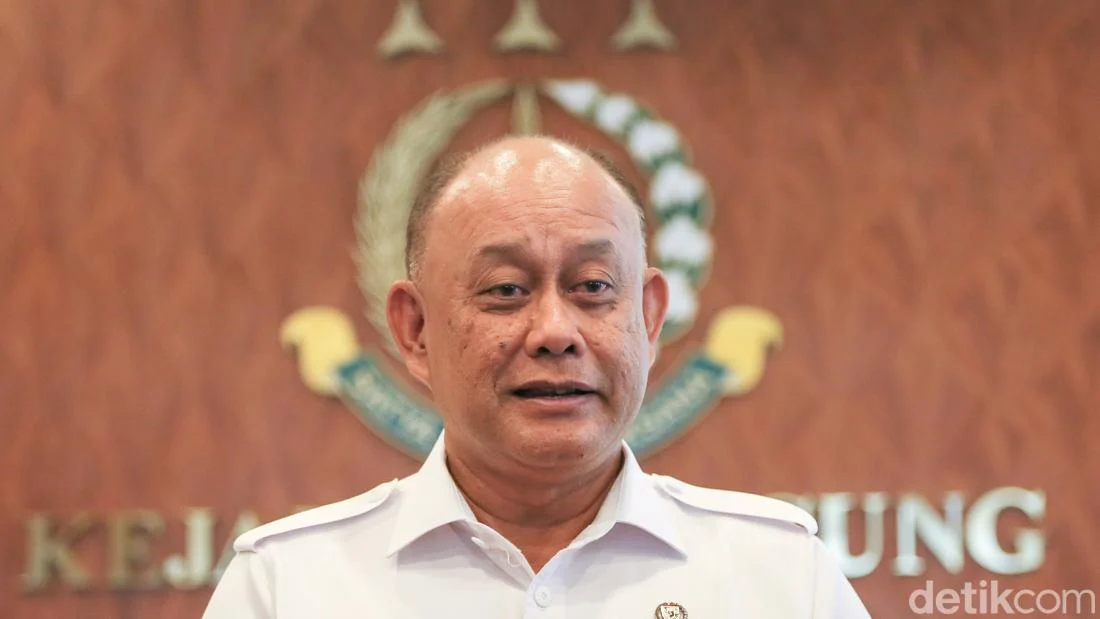
Bambang Pamungkas
Jakarta, Indonesia – The Indonesian Financial Services Authority (Otoritas Jasa Keuangan – OJK) is poised to usher in a pivotal new chapter in its leadership, with the official swearing-in ceremony for its seven new Board of Commissioners members scheduled for Wednesday, March 25, 2026, at 3:00 PM Western Indonesia Time (WIB). This momentous event, expected to take place in a dignified ceremony befitting the institution’s stature, will formally mark the commencement of a fresh leadership mandate for the nation’s primary financial services supervisory body. The new appointments are anticipated to reinforce OJK’s critical role in maintaining the stability, integrity, and growth of Indonesia’s dynamic financial sector.
A New Dawn for Financial Stewardship
The incoming leadership is particularly noteworthy, with Friderica Widyasari Dewi slated to assume the prestigious role of Chairperson of the OJK Board of Commissioners. Her appointment is widely seen as a strategic move to leverage her extensive experience and deep understanding of the capital markets and broader financial landscape. Complementing her leadership, Hernawan Bekti Sasongko has been entrusted with the crucial position of Vice Chairperson. Together, they will lead a diverse team of commissioners, each bringing specialized expertise across various segments of the financial industry, including banking, non-bank financial institutions, and capital markets, alongside a strong focus on consumer protection and financial literacy. This collective expertise is expected to empower OJK to navigate the increasingly complex global and domestic financial environment, ensuring robust oversight and fostering sustainable development.
OJK’s Foundational Role and Evolution
Established in 2011 through Law No. 21/2011, OJK was born out of a strategic imperative to create a unified and independent regulatory authority for the entire financial services sector in Indonesia. Prior to OJK’s inception, supervisory functions were fragmented, with Bank Indonesia overseeing banks and the Capital Market and Financial Institution Supervisory Agency (Bapepam-LK) responsible for capital markets and non-bank financial institutions. The creation of OJK centralized these responsibilities, aiming to enhance coordination, improve regulatory efficiency, and strengthen consumer protection across the board. Its mandate encompasses regulating and supervising all activities within the banking sector, capital markets, and non-bank financial industries, including insurance, pension funds, financing companies, and fintech entities. The institution’s independence is paramount, designed to shield it from undue political or industry influence, thereby ensuring objective and impartial enforcement of financial regulations.
Over the years, OJK has played an indispensable role in safeguarding Indonesia’s financial stability, particularly during periods of global economic turbulence. It has been instrumental in implementing prudential regulations, fostering market integrity, and promoting financial inclusion. Its responsibilities extend to licensing financial institutions, setting regulatory standards, conducting supervisory examinations, and enforcing compliance. Furthermore, OJK is tasked with developing the financial services sector to be competitive, resilient, and inclusive, while simultaneously protecting the interests of consumers and the public. The incoming Board of Commissioners will inherit a robust institutional framework but also face evolving challenges that demand innovative and proactive regulatory approaches.
The Rigorous Selection Process: A Testament to Meritocracy
The selection of OJK’s Board of Commissioners is a meticulous and transparent process designed to ensure that only the most qualified and capable individuals are appointed to these critical roles. The procedure typically involves several stages, commencing with a call for nominations and applications, followed by rigorous administrative and competency evaluations by an independent selection committee. Shortlisted candidates then undergo extensive interviews and background checks to assess their integrity, professional track record, and vision for the financial sector. A crucial phase involves parliamentary approval, where candidates present their strategic plans and undergo public hearings with relevant commissions in the House of Representatives (DPR). This parliamentary scrutiny provides an essential layer of democratic oversight and accountability. Finally, the approved candidates are formally appointed by the President of the Republic of Indonesia through a presidential decree, culminating in the official swearing-in ceremony.
This comprehensive process ensures that the incoming commissioners possess not only deep technical expertise but also a strong commitment to public service and an understanding of the broader socio-economic context in which the financial sector operates. The transition from the outgoing board, whose term concluded recently, has been carefully managed to ensure continuity and stability in regulatory operations. The period leading up to the new appointments often involves intense speculation and analysis from market participants and observers, given the profound impact OJK’s leadership has on investor confidence and the overall health of the financial system. The upcoming inauguration represents the culmination of this rigorous selection, signaling a renewed commitment to strong financial governance.
Profiles of the Key Appointees and Their Collective Vision
Friderica Widyasari Dewi, Chairperson: Ms. Dewi brings a wealth of experience, particularly from her distinguished career within the capital market sector and previous senior roles within OJK itself. Her background suggests a strong emphasis on market development, investor protection, and fostering an efficient and transparent capital market. Analysts anticipate that her leadership will likely prioritize leveraging technology to deepen market participation, enhance regulatory supervision through data analytics, and promote sustainable finance initiatives. Her deep institutional knowledge of OJK’s operations and challenges is expected to facilitate a seamless transition and immediate impact. Her appointment underscores a commitment to continuity while also signaling a readiness to embrace innovation.
Hernawan Bekti Sasongko, Vice Chairperson: Mr. Sasongko’s appointment as Vice Chairperson is expected to complement Ms. Dewi’s expertise, likely drawing on his background in banking supervision, risk management, or macroprudential policy. His role will be critical in supporting the Chairperson’s agenda and ensuring robust oversight across all financial segments. The Vice Chairperson typically plays a significant role in internal coordination and external representation, contributing to the overall strategic direction and operational effectiveness of the institution. His experience is crucial for navigating the complexities of banking sector stability, which remains the cornerstone of Indonesia’s financial system.
While specific names for the other five commissioners were not detailed in the original announcement, their collective expertise is vital. These members typically cover specific areas such as banking supervision, capital market supervision, non-bank financial industry supervision, consumer protection and education, and strategic management. Their diverse professional backgrounds, often including stints in financial institutions, regulatory bodies, or academia, ensure that the Board possesses a holistic understanding of the sector’s intricacies. The incoming board’s collective vision is anticipated to center on enhancing financial sector resilience, promoting innovation responsibly, strengthening consumer trust, and contributing to the nation’s sustainable economic growth agenda.
Key Challenges and Strategic Priorities for the New Board
The incoming OJK Board of Commissioners faces a multifaceted landscape fraught with both opportunities and significant challenges. Their strategic agenda will likely revolve around several critical pillars:
-
Maintaining Financial Stability amidst Global Headwinds: The global economic outlook remains uncertain, characterized by inflationary pressures, volatile commodity prices, and shifting monetary policies by major central banks. The new OJK leadership must vigilantly monitor systemic risks, ensure robust capital adequacy within financial institutions, and implement macroprudential policies to safeguard the financial system from external shocks. This includes closely monitoring non-performing loan (NPL) ratios, managing liquidity, and ensuring adequate provisioning by banks.
-
Navigating Digital Transformation and Fintech Evolution: The rapid advancement of financial technology (fintech) presents both immense opportunities for financial inclusion and new regulatory complexities. The Board will need to continue developing a balanced regulatory framework that fosters innovation while mitigating risks associated with cybersecurity, data privacy, and emerging digital assets (including potential Central Bank Digital Currencies and the evolving cryptocurrency landscape). Addressing the proliferation of illegal online lending and investment platforms will remain a high priority for consumer protection.
-
Strengthening Consumer Protection and Financial Literacy: A key mandate of OJK is to protect financial consumers. The new board will be tasked with enhancing mechanisms to prevent fraud, ensure transparency in financial product offerings, and streamline complaint resolution processes. Initiatives to boost financial literacy and inclusion, particularly among underserved populations, will be crucial to empower citizens to make informed financial decisions and participate more fully in the formal economy. This includes educating the public about the risks and rewards of various financial products and services.
-
Deepening Capital Markets and Promoting Sustainable Finance: To support long-term economic growth, OJK will likely focus on strategies to deepen Indonesia’s capital markets, making them more attractive to both domestic and international investors. This includes encouraging new listings, developing diverse financial instruments, and fostering a robust ecosystem for green bonds and other sustainable finance products. Integrating Environmental, Social, and Governance (ESG) principles into regulatory frameworks and investment practices will be a significant area of focus, aligning Indonesia’s financial sector with global sustainability goals.
-
Regulatory Harmonization and International Cooperation: Effective financial supervision requires seamless coordination with other domestic regulators, notably Bank Indonesia (the central bank) and the Ministry of Finance. The new Board will need to foster strong inter-agency collaboration to ensure a coherent and comprehensive approach to financial sector oversight. Furthermore, engaging in international regulatory dialogues and adopting global best practices will be essential for maintaining the credibility and competitiveness of Indonesia’s financial system on the global stage.
Anticipated Reactions and Broader Implications
The financial community, both within Indonesia and internationally, will be closely watching the new OJK leadership.
Government and Presidential Perspective: The government is expected to express strong support for the new Board, emphasizing OJK’s pivotal role in supporting national economic growth, maintaining investor confidence, and ensuring financial stability. Statements from government officials will likely highlight the expectation that the new leadership will continue to foster a robust and resilient financial sector that contributes significantly to Indonesia’s development agenda, including the ambitious vision for Indonesia Emas 2045.
Industry Players: Banks, capital market participants, and non-bank financial institutions are likely to welcome the appointments, hoping for clear, consistent, and forward-looking regulatory policies. They will be keen to engage in constructive dialogue with the new Board, advocating for regulations that support innovation and growth while ensuring a level playing field. Fintech companies, in particular, will be looking for continued clarity and support for responsible innovation. The industry’s primary expectation is for stability and predictability in the regulatory environment, which is crucial for business planning and investment.
Financial Analysts and Economists: Analysts will provide initial assessments of the new leadership’s potential impact on policy direction, regulatory enforcement, and market sentiment. They will scrutinize the Board’s early initiatives for signs of continuity or significant shifts in strategy, particularly concerning critical areas like financial sector stability, digitalization, and consumer protection. Most will emphasize the importance of maintaining OJK’s independence and its commitment to prudent supervision. The composition of the new board, with its diverse expertise, is generally seen as a positive sign for comprehensive oversight.
The inauguration of the new OJK Board of Commissioners on March 25, 2026, represents more than just a formal change in leadership; it signifies a renewed commitment to safeguarding and advancing Indonesia’s financial sector. Under the stewardship of Friderica Widyasari Dewi and Hernawan Bekti Sasongko, supported by the collective expertise of the entire Board, OJK is poised to navigate the evolving complexities of the global financial landscape. Their success will be critical not only for maintaining stability and fostering growth within the financial services industry but also for underpinning Indonesia’s broader economic aspirations and ensuring the financial well-being of its citizens. The period immediately following the swearing-in will be crucial for the new Board to articulate its strategic priorities and demonstrate its readiness to tackle the challenges and opportunities that lie ahead, solidifying trust and confidence across the financial ecosystem.