Azin Asro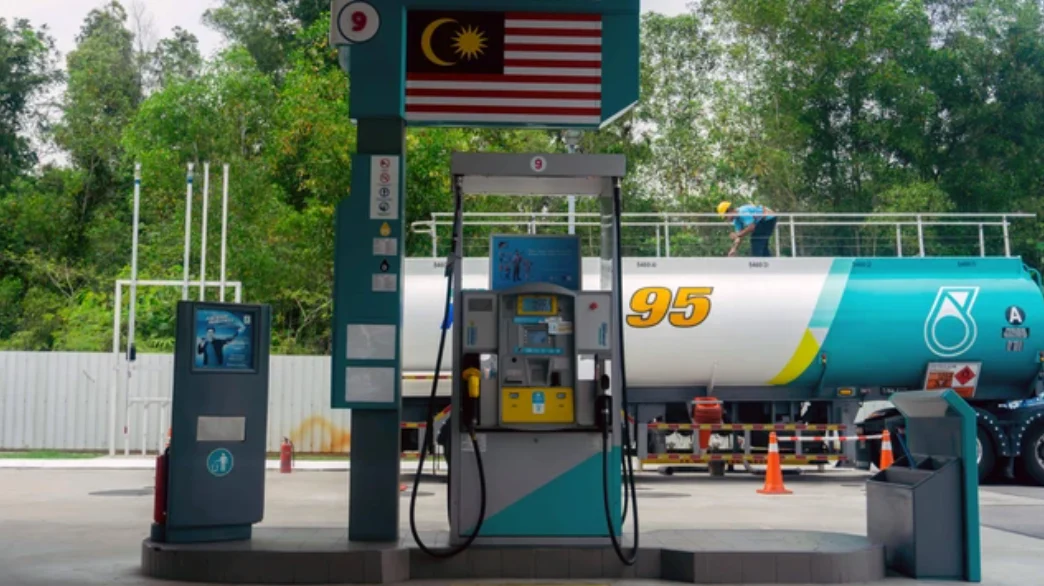
The Indonesian government has formalized a strategic shift in its energy distribution policy by implementing strict daily quotas for subsidized fuel, specifically for the RON 90 gasoline brand known as Pertalite. Under the current regulatory framework, private vehicle owners in Indonesia are permitted a maximum purchase of 50 liters of Pertalite per day. While this measure is intended to curb the fiscal burden on the state budget, a comparative analysis reveals that Indonesia’s restrictions remain significantly more generous than those recently enacted by its neighbor, Malaysia. In Malaysia, the government has moved toward a more aggressive targeted subsidy model, limiting eligible citizens to just 200 liters of subsidized RON 95 gasoline per month—a figure that averages out to approximately 6.5 liters per day. This disparity highlights the differing economic strategies and fiscal pressures facing Southeast Asia’s two largest economies as they navigate a landscape of fluctuating global oil prices and regional geopolitical instability.
A Comparative Overview of Fuel Quotas and Pricing
To understand the scale of the difference between the two nations, one must look at the total monthly allowances. Indonesia’s limit of 50 liters per day translates to a potential monthly consumption of 1,500 liters for a single private vehicle. In stark contrast, Malaysia’s monthly cap of 200 liters represents only a fraction of the Indonesian allowance. Even when considering specialized sectors, such as the e-hailing or online taxi industry, the gap remains wide. In Malaysia, eligible e-hailing drivers are granted an increased quota of 800 liters per month to support their livelihoods. However, this is still nearly half of what a standard private vehicle owner in Indonesia is permitted to consume under the 50-liter-per-day rule.
The pricing structures also reflect different subsidy philosophies. In Malaysia, subsidized RON 95 is priced at approximately 1.99 ringgit per liter, which converts to roughly Rp 8,000. When a Malaysian consumer exceeds their 200-liter monthly limit, they are required to pay the market rate for non-subsidized fuel, which currently stands at approximately 3.87 ringgit, or about Rp 16,267 per liter. Indonesia’s Pertalite is currently priced at Rp 10,000 per liter, which is higher than Malaysia’s subsidized rate but significantly lower than the market price for RON 92 or RON 95 fuels in the Indonesian market.
The Fiscal Rationale and Economic Context
The decision by the Malaysian government to tighten fuel quotas is driven primarily by the need for fiscal sustainability. Analysts in Kuala Lumpur have noted that the total cost of fuel subsidies could potentially reach RM 24 billion this year, posing a significant risk to the national budget. The transition from a blanket subsidy to a targeted one is seen as a necessary move to protect the country’s credit rating and ensure that state funds are directed toward the most vulnerable segments of the population.
Mohd Sedek Jantan, the Head of Investment Research and an economist at IPPFA Sdn Bhd, has emphasized that while quota adjustments are not a permanent solution, they are a vital immediate step. He argues that delaying the reduction of subsidies only increases the eventual cost to the taxpayer. By acting early, the government can facilitate a gradual and controlled adjustment for the public, rather than being forced into a sudden, disruptive price hike later. According to Jantan, while cutting quotas manages usage at the marginal level, actual price adjustments are what drive real changes in consumer behavior and long-term fiscal health.
Chronology of Subsidy Adjustments in Malaysia
The path toward the current 200-liter limit in Malaysia has been shaped by external shocks and internal economic recalibrations. Originally, when the targeted subsidy program for RON 95 was conceptualized, the limit was set higher, at 300 liters per month. However, the global energy landscape shifted dramatically following the escalation of conflicts in the Middle East. As tensions rose, global crude oil prices became increasingly volatile, prompting the Malaysian Ministry of Finance to reconsider its expenditure.
The reduction from 300 liters to 200 liters was a direct response to these rising costs. By lowering the ceiling, the government aimed to mitigate the impact of high international oil prices on the national treasury. Despite the reduction, data suggests that the majority of the population remains unaffected by the cap. Nazmi Idrus, the Chief Economist at CGS International Securities Malaysia, pointed out that media reports and government data indicate that approximately 90% of Malaysian consumers use less than 200 liters of fuel per month. Consequently, the cap acts as a safeguard against excessive consumption and "subsidy leakage" to high-income earners or commercial entities, without penalizing the average citizen.
Indonesia’s Strategy: Monitoring and Digital Integration
Indonesia’s approach to fuel subsidies has focused heavily on digital transformation and infrastructure. To enforce the 50-liter-per-day limit, the state-owned energy company, Pertamina, has implemented the "MyPertamina" system. This platform requires users to register their vehicles and use QR codes for fuel purchases, allowing the government to track consumption in real-time and prevent individuals from visiting multiple gas stations to bypass daily limits.
The Indonesian government’s decision to maintain a higher quota compared to Malaysia is rooted in the country’s unique geography and economic structure. As a massive archipelago with a developing logistics network, fuel consumption is a critical driver of the domestic economy. A more restrictive limit could inadvertently lead to higher logistics costs, which would then trigger inflation across essential goods, particularly food. Furthermore, Indonesia is currently in a phase of post-pandemic economic consolidation, where maintaining purchasing power for the middle class is a top priority for the administration in Jakarta.
Supporting Data and Regional Implications
The fiscal burden of subsidies is a shared challenge across Southeast Asia. In Indonesia, the energy subsidy and compensation budget has often exceeded Rp 500 trillion in recent fiscal years. While the 50-liter limit for Pertalite is a form of control, the sheer volume of eligible vehicles means the total expenditure remains a significant portion of the state budget (APBN).
Comparatively, Malaysia’s move toward 200 liters a month represents a much tighter fiscal ship. If Indonesia were to adopt a similar 6.5-liter-per-day average, the impact on the automotive industry and the lifestyle of the urban middle class would be profound. In major Indonesian cities like Jakarta, Surabaya, and Medan, daily commutes often exceed 40 to 50 kilometers, making a 6.5-liter limit potentially restrictive for those using older, less fuel-efficient vehicles.
The regional implication of these policies also touches on the "smuggling" factor. Historically, subsidized fuel in Malaysia has been a target for smuggling across the borders into Thailand or Singapore, where fuel prices are much higher. By tightening quotas and using targeted mechanisms, the Malaysian government aims to ensure that subsidized fuel stays within its borders and reaches its intended recipients.
Official Responses and Expert Analysis
The reactions from various stakeholders highlight the complexity of the issue. In Indonesia, consumer advocacy groups have expressed cautious support for the 50-liter limit, provided that the registration process remains accessible and the supply of Pertalite remains stable. However, there are concerns regarding the "digital divide," as not all vehicle owners are tech-savvy or have consistent access to smartphones for the QR code system.
In Malaysia, the focus remains on the "T20" vs. "B40" and "M40" income brackets. The T20, representing the top 20% of earners, are increasingly being phased out of subsidy eligibility. Economists argue that this is the only way to ensure social equity. Nazmi Idrus notes that the current 200-liter cap is a "middle ground" that avoids the political backlash of a total price float while still achieving significant savings for the government.
Broader Impact and Future Outlook
As both nations look toward the future, the transition to Electric Vehicles (EVs) looms large as the ultimate solution to the subsidy dilemma. Both Jakarta and Kuala Lumpur have introduced incentives for EV adoption, recognizing that reducing reliance on fossil fuels is the only way to permanently decouple the national budget from the volatility of the global oil market.
In the short term, however, the management of fuel quotas will remain a delicate balancing act. Indonesia may eventually find it necessary to lower its 50-liter limit if global oil prices sustain a long-term upward trend or if the domestic production of crude continues to decline. Conversely, Malaysia may further refine its 200-liter cap as it gathers more data on consumer behavior through its targeted subsidy programs.
The divergence in policy between Indonesia and Malaysia serves as a case study in how different economic priorities dictate energy policy. Indonesia prioritizes broad accessibility and economic momentum through a higher quota, while Malaysia prioritizes fiscal discipline and targeted efficiency through a much tighter cap. As global geopolitical tensions persist, the ability of these governments to adapt their subsidy models will be a defining factor in their respective economic stabilities over the coming decade. Both nations are essentially moving toward the same goal—fiscal sustainability—but the speed and intensity of their measures reflect the unique socio-economic realities of their populations.