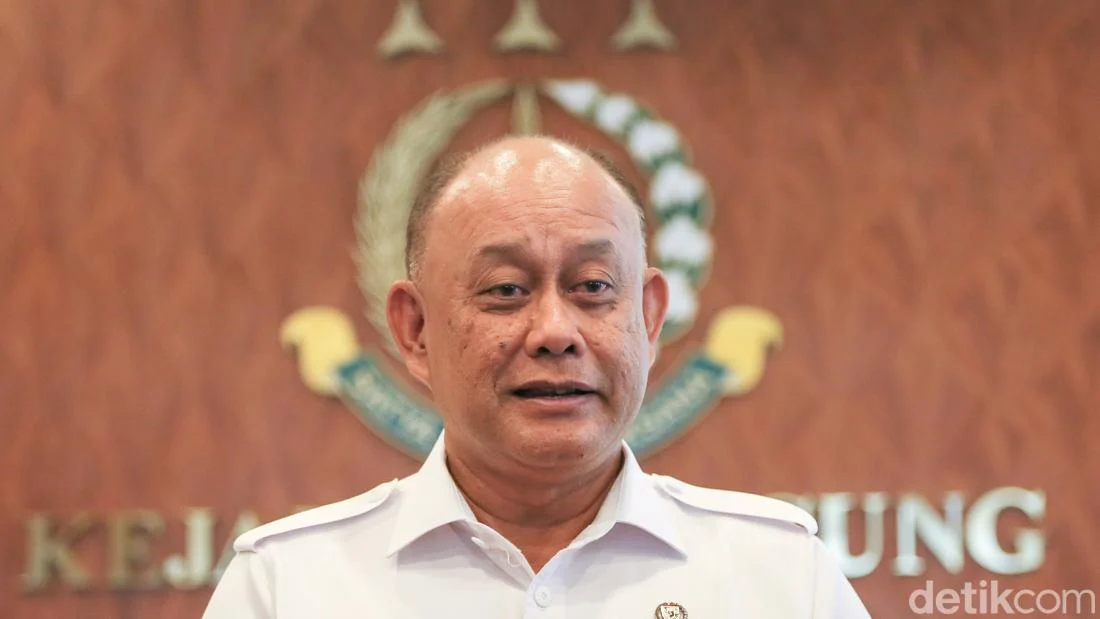
Paryono Ramadhan
The Indonesian Ministry of Agrarian Affairs and Spatial Planning/National Land Agency (ATR/BPN) is actively deliberating significant revisions to Government Regulation (PP) No. 41 of 1996 concerning foreign ownership of property in Indonesia. While the proposed changes are poised to introduce greater flexibility, they are notably set to stop short of granting full freehold ownership rights (Hak Milik) to foreign nationals residing in the country. The central tenet of the revision, as outlined by Minister ATR/BPN Ferry Mursyidan Baldan, focuses on extending the duration of "Hak Pakai" or Right of Use, a crucial legal distinction that has historically limited foreign engagement in the Indonesian property market. Previously, foreigners were granted Hak Pakai for a maximum period of 25 years, renewable for an additional 20 years. The new regulation, however, proposes a substantial shift: Hak Pakai could potentially be granted for a lifetime, become inheritable, and be freely transferable through sale. This bold move aims to inject dynamism into the national property sector, though it has simultaneously ignited a robust debate among industry stakeholders and property experts regarding its potential economic benefits and inherent risks.
Historical Context and the Genesis of PP No. 41 of 1996
Indonesia’s approach to foreign property ownership has historically been cautious, rooted in post-colonial nationalist sentiments and a desire to protect domestic land resources. The country’s foundational agrarian law, Law No. 5 of 1960 concerning Basic Agrarian Regulations (UUPA), explicitly states that only Indonesian citizens can hold Hak Milik (freehold ownership) of land. This principle was designed to prevent foreign dominance over crucial national assets and ensure equitable distribution among its own populace. PP No. 41 of 1996 was enacted to further elaborate on these restrictions, specifically defining the limited rights available to foreign entities and individuals. Under this regulation, foreigners could only acquire property through Hak Pakai, Hak Guna Bangunan (Right to Build), or Hak Guna Usaha (Right to Cultivate), none of which confer outright freehold title. These rights typically came with finite terms, often requiring renewal and carrying certain restrictions, reflecting a cautious stance on integrating foreign capital into the domestic land market. For decades, this framework has been a source of contention, with some arguing it hindered foreign investment and others maintaining it was a vital safeguard.
The Economic Imperative for Revision
The current impetus for revising PP No. 41 of 1996 is largely driven by evolving economic realities and a desire to attract greater foreign direct investment (FDI) into Indonesia’s burgeoning economy. In the mid-2010s, when these discussions gained momentum, Indonesia was striving to improve its investment climate to compete with regional neighbors like Malaysia, Singapore, and Thailand, which often offer more liberal property ownership rules for foreigners. The property sector, a significant contributor to the national GDP, was seen as a key area for potential growth. A more flexible regulatory framework for foreign property ownership was perceived by the government as a potent stimulus, capable of boosting construction, stimulating related industries, creating jobs, and increasing state revenue through taxes and duties. Furthermore, the government recognized the growing presence of expatriates and foreign professionals in Indonesia, whose demand for housing was increasing but often met through informal, legally ambiguous, or indirect channels dueiling to the stringent existing regulations. Formalizing these transactions was seen as an opportunity to bring them under the state’s tax net and ensure greater transparency.
Details of the Proposed Revisions and Government Rationale
Minister Ferry Mursyidan Baldan elaborated on the core changes envisioned in the revised PP. The most impactful alteration is the proposed extension of Hak Pakai to a "lifetime" duration. This marks a significant departure from the previous 25-year term, renewable for 20 years. The concept of "lifetime" Hak Pakai, while not explicitly defined in the initial discussions, is understood to imply a substantially longer, potentially indefinite period, contingent on the foreigner’s residency status or other conditions. Crucially, the revised Hak Pakai would also grant the holder the right to inherit and sell the property, attributes that previously were either highly restricted or non-existent under the standard Hak Pakai framework.
The proposed regulations are likely to be specific about the types of properties eligible for such extended rights. Initial discussions indicated that these enhanced Hak Pakai provisions would primarily apply to premium apartments, specifically those priced at Rp 5 billion (approximately US$350,000 at the time of discussion) or above. This selective approach aims to target high-net-worth foreign buyers and prevent undue competition with local purchasers in the more affordable segments. For landed houses, the government’s stance remains more conservative, with foreigners likely limited to leasehold arrangements or rental agreements, preserving freehold ownership of land for Indonesian citizens. Minister Baldan emphasized that these changes were designed to harness the economic potential of foreign investment without compromising national sovereignty or local affordability. He also pointed out that many foreign transactions already occur informally, and a clearer regulation would bring these transactions into the formal economy, benefiting the state.
Industry Reactions: Apersi’s Cautionary Perspective
The proposed revisions have met with a mixed reception from industry associations. Eddy Ganefo, Chairman of the Association of Indonesian Developers and Settlements (Apersi), expressed considerable apprehension, questioning the necessity of revising PP No. 41 of 1996, which he argued remained largely relevant and effective. Ganefo’s primary concern revolved around the "lifetime" Hak Pakai concept. He contended that granting indefinite use rights, coupled with the ability to sell and inherit, essentially equates to Hak Milik (freehold ownership) in substance, despite being labeled as Hak Pakai. "This is merely a ‘casing’ of Hak Pakai, but the substance remains Hak Milik," he stated, highlighting a critical legal ambiguity and potential circumvention of the UUPA’s core principles.
Ganefo also issued a strong caution against Indonesia blindly emulating property regulations from neighboring countries like Malaysia, Australia, and Singapore. He argued that Indonesia’s unique socio-economic context, particularly its substantial housing backlog, makes such direct comparisons inappropriate. Citing Singapore as an example, Ganefo noted that the city-state only opened its property market to significant foreign ownership after achieving an impressive 80% homeownership rate among its own citizens. Indonesia, in contrast, grapples with a persistent and massive housing deficit, with millions of households still lacking adequate housing. Introducing liberal foreign ownership rules without addressing this fundamental domestic need, Ganefo warned, could exacerbate housing inequality and pricing issues for local citizens. He further pointed out that Singapore, despite its earlier open policy, was in fact, at the time of the discussions, implementing stricter measures, such as imposing an 18% additional buyer’s stamp duty on properties sold within one year, specifically to curb speculative buying and prevent "bubble effects" in its own market. While generally critical, Ganefo did express conditional support for allowing foreigners to purchase premium apartments, provided that the Hak Pakai duration remained consistent with the older, more restrictive terms, ensuring a clear distinction from freehold ownership.
Industry Reactions: REI’s Optimism and Specific Recommendations
In stark contrast to Apersi’s caution, Eddy Hussy, Chairman of the Real Estate Indonesia (REI), a prominent developers’ association, largely welcomed the proposed revisions. Hussy viewed the policy change as a vital catalyst for invigorating the national property market, which he argued had been constrained by existing regulations. He highlighted the significant increase in the number of foreign workers and expatriates in Indonesia, leading to a natural surge in demand for housing and apartments. "This is actually an opportunity for Indonesia," Hussy asserted, emphasizing the untapped potential of this demographic. He further pointed out that many property transactions involving foreigners were already occurring through indirect or informal channels, such as using local nominees or corporate structures, meaning the state was not fully benefiting from the economic activity. By formalizing these transactions, the government could impose higher taxes on foreign buyers, thereby generating substantial additional foreign exchange revenue and bolstering the national treasury.
REI put forward two key recommendations for the government to consider in finalizing the foreign property ownership regulations. Firstly, they advocated for strict limitations on the types of properties eligible for foreign purchase, suggesting a focus exclusively on premium-class properties, such as apartments priced at Rp 10 billion (approximately US$700,000) or above. This would ensure that foreign investment targets the luxury segment, avoiding competition with Indonesian citizens for mid-range and affordable housing. "This ensures market segmentation is appropriate and does not damage the purchasing power of the lower classes," Hussy explained. Secondly, REI proposed the implementation of clear percentage limits on foreign ownership within specific developments. For instance, they suggested that foreign nationals should be allowed to purchase no more than 49% of units within a single apartment tower. This measure aims to prevent excessive foreign dominance in any given property development and maintain a balance in ownership demographics.
Expert Analysis: Warnings Against Market Distortion and "Bubble Effects"
Property analysts have also weighed in, largely echoing concerns about the potential for market distortion if the regulations are not meticulously crafted. Anton Sitorus, an analyst from Jones Lang Lasalle, underscored the critical need for unambiguous rules regarding foreign property ownership, particularly concerning location and price segments. He warned that an ill-defined policy could inadvertently damage the middle and lower segments of the domestic property market, leading to affordability crises for local buyers. Sitorus also cautioned against the government’s perceived tendency to prioritize immediate tax revenue over addressing fundamental structural issues. He suggested that it would be more beneficial to first improve the implementation of Indonesia’s foundational Agrarian Law, pointing to prevalent "under-the-table" property acquisitions by foreigners in popular tourist areas like Bali and Batam, which operate outside formal legal frameworks.
Ali Tranghanda, a property observer from Indonesia Property Watch, shared similar anxieties, stressing the imperative for clear and precise regulations. He emphasized that ambiguity could create a "bubble effect," where speculative foreign buying could rapidly inflate property prices, making them unaffordable for local citizens. Tranghanda also expressed concern about a potential surge in land prices. Given the typically higher purchasing power of foreign buyers, an increase in demand without adequate safeguards could lead to sharp price escalations. He highlighted a critical missing element in Indonesia’s property landscape: the absence of a robust "land bank" instrument. A land bank, typically managed by the government, acquires and holds land to stabilize prices, ensure equitable development, and prevent speculative hoarding. Without such a mechanism, Tranghanda warned, the market would be highly vulnerable to price manipulation and rapid inflation, disproportionately affecting local communities.
Comparative Regional Context
Indonesia’s deliberations are part of a broader trend in Southeast Asia, where nations are balancing the desire for foreign investment with the need to protect local interests.
- Malaysia: Offers clearer pathways for foreign property ownership, particularly for condominiums and stratified properties, often with minimum price thresholds to ensure foreign buyers target the premium segment. However, ownership of Malay Reserve Land and certain agricultural lands remains restricted.
- Thailand: Foreigners can own condominium units outright (freehold), but land ownership is generally restricted to leasehold agreements, typically for 30 years, renewable. This provides a balance between attracting foreign investment and maintaining national control over land.
- Singapore: As noted by Ganefo, Singapore, a land-scarce nation, initially encouraged foreign investment but has since implemented strict cooling measures, including high stamp duties for foreign buyers and those selling quickly, to manage demand and prevent speculative bubbles, especially after its domestic homeownership rates stabilized.
These examples illustrate that while opening up to foreign ownership can stimulate economies, successful implementation requires nuanced policies that consider specific national contexts, housing needs, and market dynamics.
Broader Implications and the Path Forward
The revision of PP No. 41 of 1996 carries multifaceted implications for Indonesia. Economically, a more accommodating stance on foreign property ownership could indeed attract significant FDI, stimulate the construction sector, create jobs, and generate substantial tax revenues and foreign exchange, contributing to national economic growth. However, these benefits must be carefully weighed against potential social and market risks. Uncontrolled foreign buying could lead to rapid property price inflation, making housing unaffordable for local middle and lower-income segments, exacerbating the existing housing backlog, and potentially leading to social stratification. The risk of speculative "bubble effects," as warned by experts, remains a serious concern, especially in a market without mature regulatory instruments like a land bank.
Legally, the challenge lies in crafting a regulation that genuinely differentiates "lifetime" Hak Pakai from Hak Milik, aligning with the spirit of the UUPA while providing sufficient security for foreign investors. The implementation framework must be clear, transparent, and robust to prevent loopholes, informal transactions, and corruption. The debate surrounding these revisions underscores the complex balancing act that the Indonesian government faces: how to leverage foreign capital for national development without compromising the long-term interests and social equity of its own citizens. A well-designed policy would likely incorporate elements from both optimistic and cautious perspectives, establishing clear price thresholds, percentage limits, geographical restrictions, and perhaps a phased implementation, alongside strengthening domestic housing programs and land management policies. The final iteration of the revised regulation will be a crucial indicator of Indonesia’s strategic vision for its property market and its broader economic integration with the global community.