Nila Kartika Wati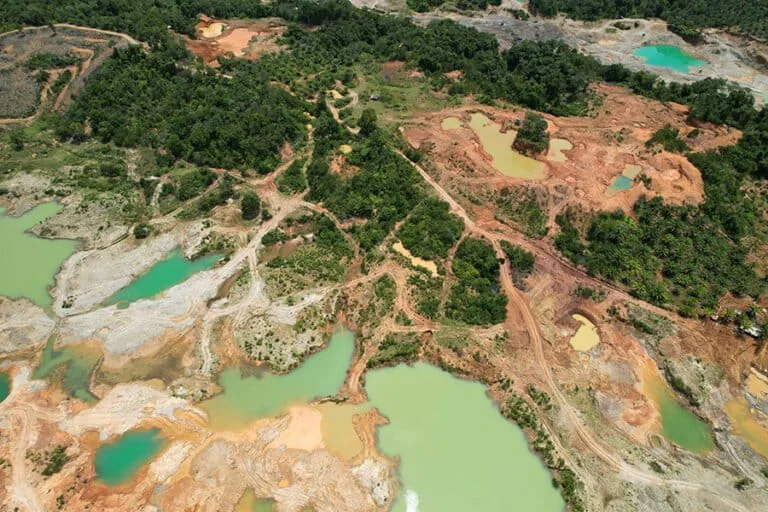
The 2026 Eid al-Fitr homecoming season, locally known as mudik, has transformed Indonesia’s infrastructure into a bustling network of movement as millions of citizens travel across the archipelago to reunite with their families. While the nation’s attention is primarily focused on the logistics of transportation at ports, terminals, and airports, a series of profound environmental narratives has emerged from the provinces, highlighting a stark contrast between grassroots conservation efforts and systemic ecological crises. As the 1447 H festive period approaches, the environmental landscape of Indonesia remains a complex tapestry of traditional resilience, innovative waste management, and the devastating impacts of unregulated extractive industries.
The Vanishing Living Pharmacies of Jambi
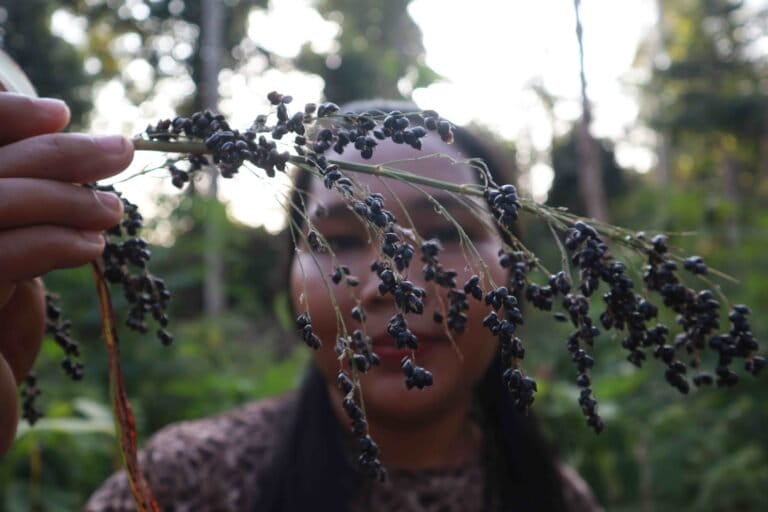
In the heart of Sumatra, the women of the Batin Sembilan indigenous community in Jambi are currently engaged in a quiet but desperate struggle to preserve their ancestral knowledge. For generations, the Batin Sembilan have viewed the forest not merely as a collection of timber, but as an "apotek hidup" or a living pharmacy. Their traditional healthcare system relies entirely on forest-derived botanical extracts, which are used for everything from routine ailments to complex rituals associated with childbirth and the sacred "Besale" ceremony.
However, the rapid expansion of industrial plantations and illegal logging has placed this traditional knowledge under unprecedented pressure. As the forest canopy thins, the specific habitats required for medicinal plants—many of which are highly sensitive to microclimate changes—are disappearing. The Batin Sembilan have attempted to secure their future through Social Forestry schemes and Forest Farmer Groups (KTH), seeking partnership models that allow them to manage the land sustainably. Despite these efforts, the generational gap poses a significant threat; as younger members of the tribe are increasingly disconnected from the forest, the botanical literacy required to identify and process these medicines is fading. For community leaders like Yunani, the preservation of the forest is not a matter of abstract morality but a prerequisite for the biological and cultural survival of the Batin Sembilan people.
The Trillion-Rupiah Shadow of Illegal Gold Extraction
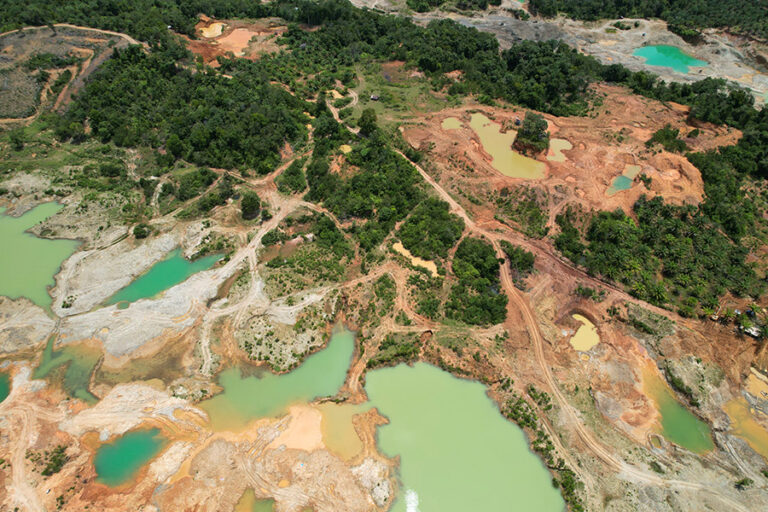
While indigenous communities struggle to save individual plant species, the Indonesian state is grappling with a massive financial and environmental drain caused by the illegal gold mining sector. Recent data from the Financial Transaction Reports and Analysis Center (PPATK) suggests that the turnover of illicit funds within the unauthorized mining industry has reached a staggering Rp 992 trillion. To put this figure into perspective, it represents more than one-fourth of Indonesia’s 2026 State Budget (APBN).
The surge in illegal mining activities is closely tied to the rising global price of gold, which has incentivized unregulated "wild" mining operations across Sumatra, Kalimantan, and Sulawesi. Hinca Panjaitan, a member of Commission III of the House of Representatives (DPR), has pointed out that these operations are no longer small-scale "people’s mines" but have evolved into sophisticated shadow ecosystems. These networks are often integrated with tax evasion schemes and money laundering (TPPU) activities, allowing the proceeds of environmental destruction to be cleaned through legitimate financial channels.
In response, the government has proposed the legalization of these mines through a new permit framework for "People’s Mining Areas" (IPR). However, the Center of Economic and Law Studies (CELIOS) has warned that such a move, if not accompanied by rigorous environmental oversight, may simply provide a legal veneer for permanent ecological damage. The use of mercury and cyanide in these unregulated sites continues to contaminate water tables, posing a long-term public health risk that far outweighs the immediate economic gains of the illicit gold trade.
The Ecological Decay of Wadas Village
The consequences of the extractive industry are perhaps most visible in Wadas Village, Central Java. Once a lush agrarian stronghold known for its honey production and fertile soil, the village has undergone a traumatic transformation due to the quarrying of andesite stone for the Bener Dam project. For years, the residents of Wadas fought a high-profile legal and social battle to protect their hills, but the momentum of the project has led to a significant shift in the local ecosystem.
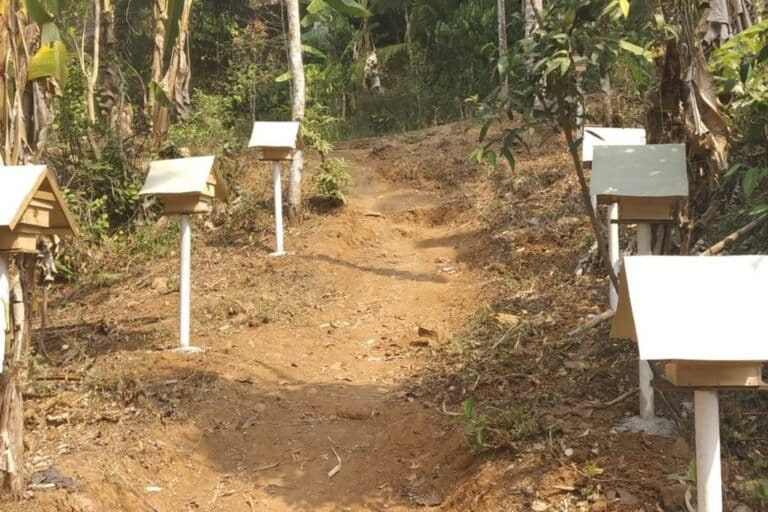
The current state of Wadas serves as a grim case study in ecological degradation. The blasting and excavation required for andesite mining have disrupted the local water table and destroyed the flowering vegetation that once supported a thriving honeybee population. Farmers report that the stingless bees (Apis cerana and Trigona) have abandoned their hives, and the palm trees, which were once a primary source of sap (nira) for brown sugar production, are no longer yielding at their previous capacity.
The loss of these "natural treasures" has led to a sharp decline in the village’s economic independence. Livelihoods that were once sustained by the rhythm of the seasons are now being replaced by a dependence on external aid or low-wage labor. The transformation of productive agricultural land into deep excavation pits has not only scarred the landscape but has also created a permanent rift in the community’s social fabric, as the environment they once swore to protect is dismantled in the name of national strategic development.
Circular Economy Innovations in East Nusa Tenggara
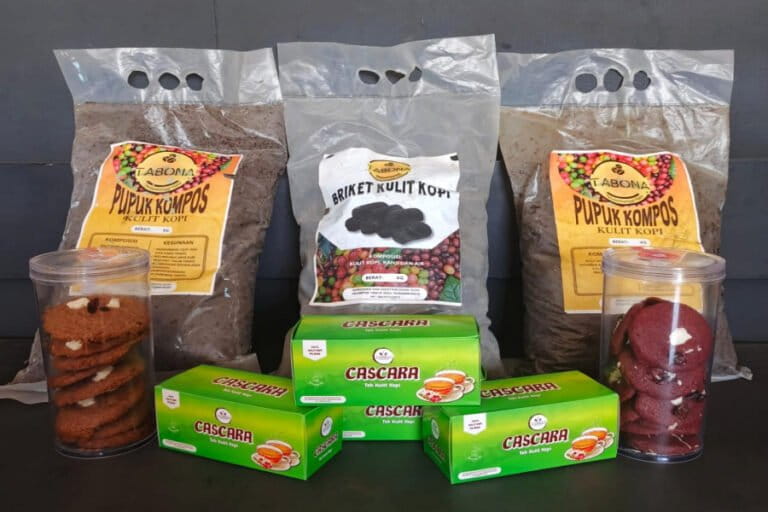
In contrast to the degradation in Wadas, the village of Tendambonggi in Ende, East Nusa Tenggara (NTT), offers a beacon of hope through the lens of a circular economy. Recognizing that coffee production often results in significant biological waste, the local community has pioneered a series of innovations to utilize coffee husks—a byproduct that was previously discarded or burned.
Through systematic management, the farmers of Tendambonggi have turned these husks into high-value products, including organic compost, fuel briquettes, cascara (coffee cherry tea), and even cookies. This initiative, which gained significant momentum between 2024 and 2025, focuses on the entire post-harvest value chain. By processing waste into marketable goods, the village has not only increased its household income but has also significantly reduced the pollution associated with decomposing organic matter in the plantations. The Tendambonggi model demonstrates that environmental sustainability and economic profitability are not mutually exclusive, provided there is a commitment to community-led innovation and efficient resource management.
The Legal Crisis and the Pangolin Trade
The final pillar of Indonesia’s current environmental crisis is the systemic failure of the judicial system to deter high-level wildlife trafficking. The Sunda Pangolin (Manis javanica) is currently one of the most trafficked mammals in the world, pushed to the brink of extinction by the demand for its scales in traditional medicine and its meat as a luxury delicacy.
A recent controversy involving the seizure of 1.2 tons of pangolin scales—representing thousands of slaughtered animals—has highlighted a disturbing trend in Indonesian environmental law. Despite the scale of the crime, the legal proceedings have been criticized for their leniency, particularly in cases involving members of state institutions. When military personnel or high-ranking officials are implicated in smuggling syndicates, the judicial outcomes often focus on individual administrative errors rather than the structural organized crime that facilitates the trade.
Legal experts and environmental advocates argue that the current sentencing guidelines fail to account for "ecological loss." The removal of 1.2 tons of pangolin scales from the wild causes an irreparable ripple effect throughout the forest ecosystem, as pangolins play a vital role in controlling insect populations. The failure to impose maximum sentences on traffickers sends a message of impunity to international syndicates, undermining years of conservation work and pushing the species closer to total collapse.
Analysis of Implications
The convergence of these stories during the 2026 mudik season paints a picture of a nation at a crossroads. On one hand, the resilience of the Batin Sembilan and the innovation in Tendambonggi suggest that local wisdom and community-driven circular economies hold the key to a sustainable future. These models prioritize the long-term health of the landscape over short-term extraction.
On the other hand, the situations in Wadas and the illegal gold mining sector reveal a systemic preference for rapid industrial growth and immediate financial gain, often at the expense of the environment and the marginalized communities that depend on it. The multi-trillion rupiah shadow economy of illegal mining, in particular, poses a threat not just to the environment, but to the integrity of the nation’s financial and political institutions.
As millions of Indonesians return to their ancestral homes this week, the "environment" is not just a backdrop for their travels; it is the very foundation of the communities they are visiting. Whether it is the medicinal forests of Jambi, the honey-producing hills of Java, or the coffee plantations of NTT, the health of these landscapes will determine the prosperity of future generations. The challenge for the Indonesian government moving forward will be to bridge the gap between its development goals and its environmental obligations, ensuring that the "progress" of 2026 does not come at the cost of the nation’s natural heritage.