Nila Kartika Wati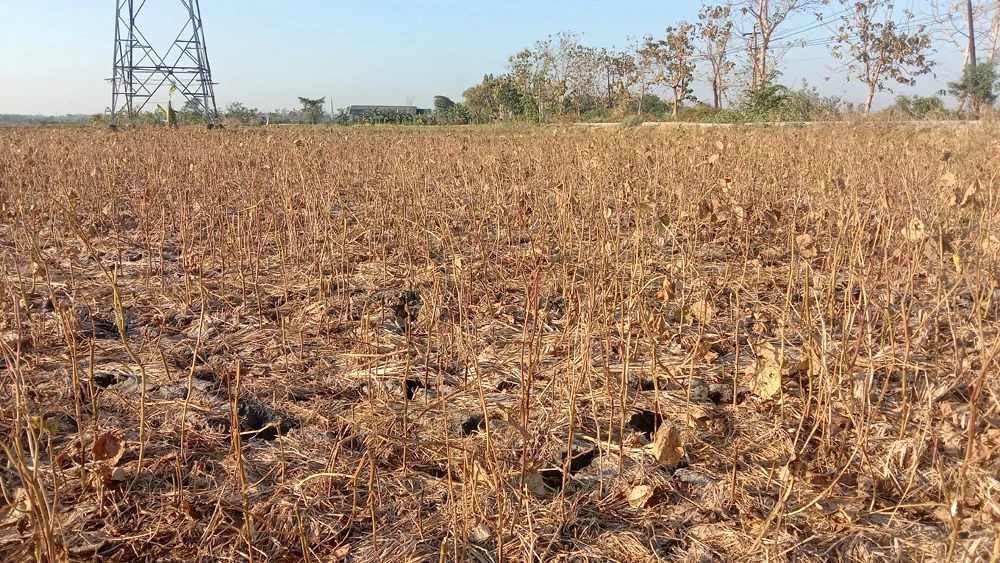
Under a relentless morning sun in the northern outskirts of Denpasar, Bali, Putu Winarta and his wife, Nengah Sinreg, labor amidst their parched spinach plots. It is barely 8:00 AM on a Monday in late March 2026, yet the heat is already stifling. The couple meticulously ties handfuls of leafy greens, washing them in a nearby irrigation canal before they are transported to the bustling Badung Market. While their two-are (200 square meter) plot provides a modest harvest, it is the sole lifeline for their family. However, the canal that serves as their primary water source is beginning to fail; the water level has visibly receded over the past several days, a grim harbinger of the months to come. For Winarta and thousands of farmers like him across the Indonesian archipelago, the encroaching dry season is not merely a seasonal transition but a looming existential crisis.
The National Research and Innovation Agency (BRIN) has issued a series of urgent public warnings regarding a rare and potent climate convergence set to strike between April and October 2026. According to BRIN’s Climate and Atmosphere Research Center, Indonesia is bracing for the arrival of "El Niño Godzilla"—a term used by meteorologists to describe an exceptionally strong variation of the El Niño phenomenon characterized by significant sea-surface temperature anomalies in the equatorial Pacific Ocean. This extreme warming is expected to be exacerbated by a positive Indian Ocean Dipole (IOD), a secondary climate driver that further suppresses rainfall over the Indonesian maritime continent. Together, these forces threaten to plunge the southern regions of the country into a period of historic drought, while simultaneously triggering catastrophic flooding in the northeast.
The Science of El Niño Godzilla and the IOD Synergy
The term "Godzilla" was first popularized during the 1997-1998 and 2015-2016 climate cycles to describe El Niño events of unprecedented magnitude. Erma Yulihastin, a senior researcher at BRIN, explains that the 2026 iteration is marked by a massive accumulation of heat in the Pacific, which shifts atmospheric circulation patterns. In a typical year, moist air rises over Indonesia, leading to regular rainfall. During an El Niño Godzilla event, this convection center shifts eastward toward the central Pacific, leaving Indonesia under a high-pressure system that prevents cloud formation.
This year, the situation is compounded by a positive IOD phase in the Indian Ocean. This phenomenon involves the cooling of sea surface temperatures near Sumatra and Java, which further reduces the moisture available for rainfall. The dual influence of these two climate anomalies creates a "double-whammy" effect. While the Pacific is pulling moisture away to the east, the Indian Ocean is failing to provide moisture from the west. BRIN’s modeling data indicates that the regions of Java, Bali, and East Nusa Tenggara (NTT) will be the first to enter this hyper-arid phase, starting as early as April 2026.
Threat to the National Granary and Food Security
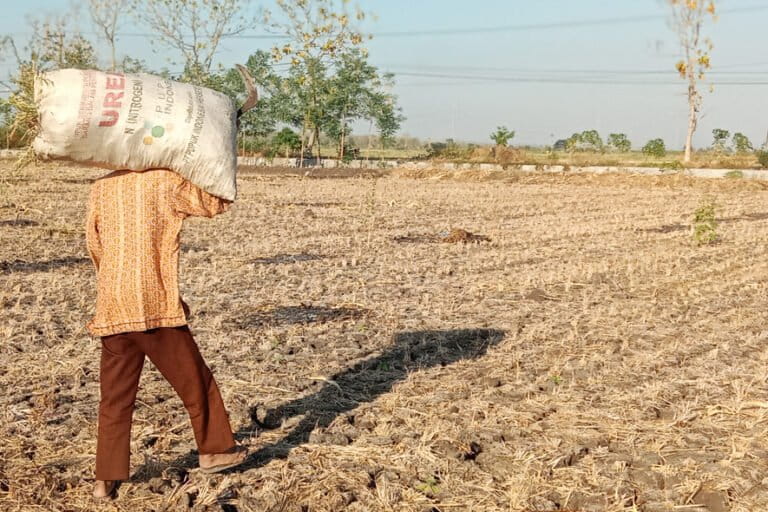
The agricultural implications of this climate forecast are severe. The "Pantura" region—the northern coastal plain of Java—serves as Indonesia’s primary rice bowl. A prolonged and intense drought in this region could lead to widespread crop failures, threatening national food sovereignty and driving up commodity prices.
For small-scale farmers like Winarta, the margins for error are non-existent. Spinach and other leafy vegetables require consistent daily irrigation and typically take six weeks from sowing to harvest. "If the water disappears, we cannot plant," Winarta explained in Balinese. "We rely entirely on the downstream irrigation flow, and when the heat stays this long without rain, the flow simply stops."
While the south faces drought, the government must simultaneously prepare for an opposite crisis in the northern and eastern regions. Yulihastin noted that while Java and Bali dry out, parts of Sulawesi, Halmahera, and Maluku are projected to experience abnormally high rainfall. This atmospheric imbalance increases the risk of flash floods and landslides in those provinces, requiring a fragmented and complex disaster management strategy that must address both fire and water simultaneously.
The Silver Lining: A Window for Salt Production
Despite the dire warnings for food crops, the extreme heat presents a unique economic opportunity for the salt industry. The Indonesian government has identified the 2025-2027 period as a critical window for achieving national salt self-sufficiency. The prolonged dry season and high evaporation rates in southern Indonesia—specifically in regions like East Java, NTT, and South Sulawesi—provide ideal conditions for solar salt production. If managed correctly, the climate anomaly could allow the country to significantly boost its domestic salt reserves, reducing its historical reliance on imports from Australia and India.
Public Health Risks: Beyond the Heat Index
The threat of El Niño Godzilla extends far beyond the agricultural sector. Oka Agastya, a researcher specializing in geology and disaster management in Bali, warns that the rising temperatures pose a direct threat to human physiology. Bali’s tropical humid climate already maintains a high baseline temperature and stable relative humidity. In such an environment, even a minor increase in the average temperature—between 1°C and 2°C—can have a disproportionate impact on the "heat index," or how the temperature actually feels to the human body.
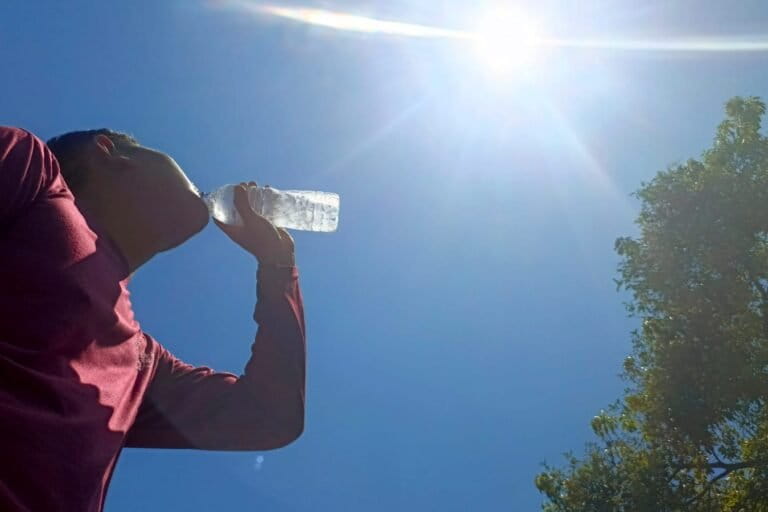
"In a humid region like Bali, an additional degree can cause the heat index to skyrocket," Agastya noted in a recent climate assessment. "A recorded temperature of 33°C can feel like 40°C or higher to a person outdoors." Under these conditions, the body struggles to cool itself through perspiration, leading to a high risk of heat exhaustion and heat stroke.
The World Health Organization (WHO) has categorized heat waves as one of the most dangerous natural hazards, often resulting in "silent" mortality rates that are not immediately attributed to weather. Vulnerable populations in Indonesia include the elderly, children, and outdoor laborers such as construction workers, street vendors, and farmers. Furthermore, individuals with pre-existing conditions like heart disease, kidney failure, or diabetes are at a significantly higher risk of fatal complications during extreme heat episodes.
The Urban Heat Island Effect in Denpasar
One of the most pressing concerns for urban planners is the "Urban Heat Island" (UHI) effect. As cities like Denpasar and the southern Badung regency continue to replace natural vegetation with concrete, asphalt, and high-rise buildings, they become heat traps. These materials absorb solar radiation during the day and release it slowly at night, preventing the city from cooling down.
"If the nighttime temperature does not drop, the human body cannot recover from the heat stress experienced during the day," Agastya explained. This lack of nocturnal cooling significantly increases the cumulative strain on the cardiovascular system.
To combat this, Agastya and other experts are calling for an immediate "cooling city" strategy. This includes the implementation of "cool roofs"—using reflective materials or white paint to reduce heat absorption—and the aggressive expansion of Green Open Spaces (Ruang Terbuka Hijau or RTH). Currently, Denpasar’s RTH stands at a mere 3.2% (approximately 405 hectares), a far cry from the 20% target mandated by national urban planning standards.
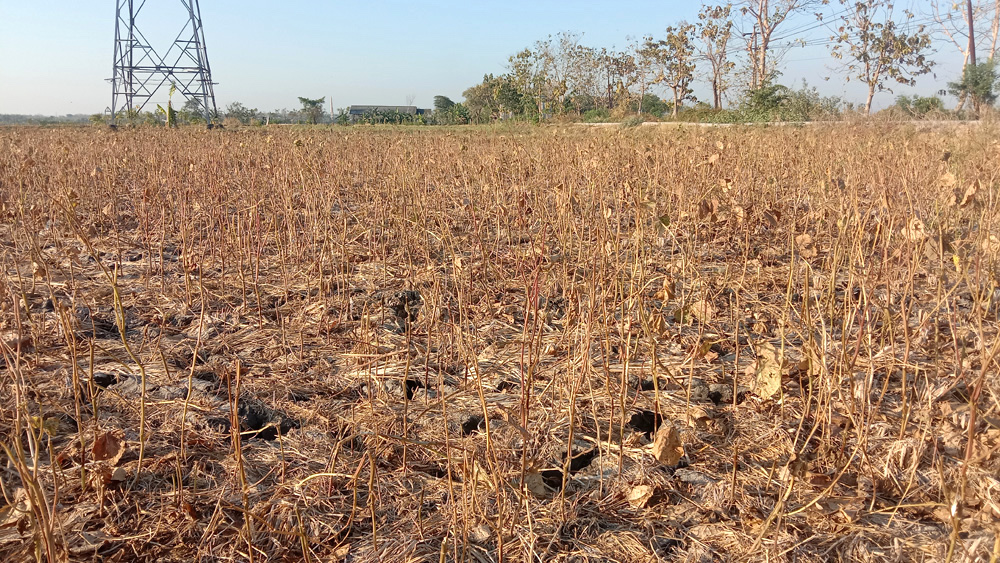
The Denpasar City Government has proposed a strategy to bridge this gap by designating existing private agricultural lands and rice fields as "Public RTH." Under this plan, landowners would enter into 20-year agreements with the city to maintain their land as green space in exchange for incentives, ensuring that the remaining "lungs" of the city are not lost to further concrete development.
Chronology of Expected Climate Events in 2026
The timeline for the 2026 climate crisis is expected to unfold in the following stages:
- April – May 2026: The onset of El Niño Godzilla. Rainfall begins to decline sharply across Java, Bali, and the Lesser Sunda Islands. Irrigation levels in traditional Subak systems in Bali start to drop.
- June – August 2026: Peak drought intensity. Positive IOD reaches its maximum strength. Forest and land fire (Karhutla) risks increase in Sumatra and Kalimantan. Meanwhile, eastern Indonesia sees unseasonable storms.
- September – October 2026: Prolonged heatwaves in urban centers. Potential for "heat stroke" clusters among outdoor workers. Salt production reaches record highs in the south.
- November 2026: Anticipated transition period. The risk of extreme weather events increases as the atmosphere shifts, often resulting in violent thunderstorms and localized flooding as the parched earth struggles to absorb sudden rainfall.
Mitigation and the Path Forward
The convergence of El Niño Godzilla and the IOD is a stark reminder of the accelerating impacts of global climate change. For Indonesia, the strategy must be multi-faceted. On the macro level, the government must secure rice imports and manage food distribution to prevent price spikes. On the local level, public education is paramount.
Experts suggest that village halls (Balai Banjar in Bali) and village offices should be repurposed as "cooling centers" during peak heat hours, providing shade and hydration for those without access to air conditioning. Furthermore, labor regulations may need to be adjusted to allow outdoor workers to shift their hours to the early morning or late evening to avoid the most dangerous periods of solar radiation.
As Putu Winarta continues to wash his spinach in the dwindling waters of the Denpasar canal, the reality of the BRIN forecast is already his daily experience. The "Godzilla" on the horizon is not a distant myth but a thermal reality that will test the resilience of Indonesia’s infrastructure, its economy, and its people. The success of the nation’s response will depend on how quickly it can adapt its cities and its fields to a future that is undeniably hotter and more volatile.