Bambang Pamungkas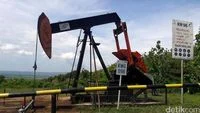
Jakarta, April 8, 2026 – The Special Task Force for Upstream Oil and Gas Business Activities (SKK Migas) has confirmed a pivotal strategic shift, ensuring that the entirety of crude oil production from the Cepu Block, operated by the American energy giant ExxonMobil in Bojonegoro, East Java, will now be exclusively supplied to meet Indonesia’s burgeoning domestic energy demands. This significant policy directive, announced by SKK Migas Head Djoko Siswanto, is a direct response to escalating global geopolitical instability and aims to substantially bolster national energy resilience.
Background: A Nation’s Evolving Energy Landscape
Indonesia, once a proud member of the Organization of the Petroleum Exporting Countries (OPEC) and a net oil exporter, has undergone a profound transformation in its energy status over the past two decades. Rapid industrialization, burgeoning population growth, and an expanding transportation sector have fueled a dramatic increase in domestic energy consumption. Concurrently, natural decline rates in mature oil fields and a slower pace of new discoveries have led to a steady decrease in national crude oil production. This dual challenge has positioned Indonesia as a net oil importer, making its economy increasingly vulnerable to the volatile fluctuations of international oil prices and geopolitical disruptions.
The government, through entities like SKK Migas and the Ministry of Energy and Mineral Resources (ESDM), has long recognized the critical imperative to reduce this import dependency. Strategies have included intensified exploration efforts, optimization of existing fields, and, crucially, a push for domestic utilization of national crude output. SKK Migas, as the regulator overseeing upstream oil and gas operations, plays a central role in managing production, allocating resources, and ensuring compliance with national energy policies.
The Strategic Significance of the Cepu Block
The Cepu Block stands as one of Indonesia’s most prolific oil-producing assets. Discovered in 2001, the block commenced production in 2009 and has consistently been a cornerstone of national oil output. Its development was a landmark achievement, involving complex geological structures and significant investment. The block is operated by ExxonMobil Cepu Limited (EMCL), a subsidiary of ExxonMobil, in partnership with Pertamina EP Cepu (a subsidiary of the state-owned oil and gas company Pertamina) and local government-owned enterprises (Badan Usaha Milik Daerah, BUMD). The Banyu Urip field, within the Cepu Block, is particularly renowned for its substantial reserves and high production rates, contributing a significant portion to Indonesia’s daily crude lifting.
Historically, a portion of the crude produced from the Cepu Block, particularly the contractors’ share (part of the Production Sharing Contract, PSC), was often exported to international markets. This was a common practice under traditional PSC agreements, allowing contractors to monetize their share globally. However, the current global climate has necessitated a re-evaluation of this practice.
Policy Implementation and Shifting Priorities
Djoko Siswanto elaborated on the proactive measures taken by SKK Migas to redirect the Cepu Block’s output. "Alhamdulillah, for ExxonMobil’s contractor share, 100% can now be processed domestically," Djoko stated during a press briefing at the Ministry of Energy and Mineral Resources office in Jakarta on Wednesday, April 8, 2026. This achievement underscores a concerted effort by the government to prioritize national interests above traditional export opportunities for contractors.
The shift has led to a noticeable increase in the absorption of crude oil by domestic refineries. Siswanto highlighted the positive impact, noting, "It’s improving, definitely improving. If I’m not mistaken, 98.2% of our national crude lifting is now being processed domestically." This figure represents a substantial leap from previous years, where a larger proportion of the national crude production, particularly the contractors’ share, would find its way to international markets.
The policy is not merely a directive but also involves intricate negotiations with the Contractors under Cooperation Contracts (KKKS). Rather than imposing an outright export ban, which could deter future investments, the government is leveraging existing contractual clauses and engaging in direct negotiations. This nuanced approach aims to strike a balance between securing domestic supply and maintaining an attractive investment climate for international oil companies.
Global Geopolitical Context and Economic Imperatives
The timing of this policy shift is intrinsically linked to the current tumultuous global landscape. Ongoing geopolitical conflicts, particularly the protracted war in Ukraine and heightened tensions in the Middle East, have sent shockwaves through international energy markets. Crude oil prices have exhibited extreme volatility, often surging due to supply concerns, sanctions, or disruptions in key shipping lanes. For net importers like Indonesia, this translates directly into significantly higher import bills, straining foreign exchange reserves and potentially impacting the state budget.
By securing domestic crude supply, Indonesia aims to insulate itself partially from these external shocks. Reduced reliance on international spot markets for crude feedstock provides greater predictability for its refining operations, enhances the stability of domestic fuel supplies, and helps mitigate inflationary pressures stemming from global oil price spikes. This move is a clear testament to the government’s understanding that energy security is not merely an economic concern but a vital component of national stability and sovereignty.
Engaging Other Producers: MedcoEnergi and the "Special Clause"
The efforts to retain domestic crude are not limited to ExxonMobil. SKK Migas is actively pursuing similar arrangements with other significant producers, including MedcoEnergi. Djoko Siswanto revealed that discussions are underway, leveraging specific clauses embedded within existing contracts. "Medco is just waiting for a letter from the Minister. I have already sent a letter stating that their export contract can be postponed to the following year if the government requires the supply, based on a special clause in Medco’s contract with foreign buyers," he explained.
This "special clause" represents a powerful tool for the Indonesian government, allowing it to temporarily override export commitments when national energy needs are paramount. It demonstrates a proactive and flexible approach to managing energy resources in times of crisis or heightened demand.
Pertamina’s Role and Economic Benefits
Pertamina, as the state-owned energy company, stands as the primary beneficiary and key player in this domestic crude retention strategy. Djoko Siswanto clarified that the pricing for crude sold to Pertamina from domestic producers like MedcoEnergi will be determined through direct negotiation, ensuring economic viability for both parties.
"Negotiation," Djoko stated. "Medco asks for ‘no gain no loss,’ meaning if their contract price (for export) is, for example, ICP (Indonesian Crude Price) plus 1-2 dollars, then Pertamina would also buy it at ICP plus 1-2 dollars. Compared to buying from the market, which is now much more expensive. What’s the market price now, 100 dollars? If the contract is only ICP plus 2 dollars, which is more profitable?"
This "no gain no loss" principle is crucial. It ensures that domestic producers are not penalized for supplying the local market instead of exporting, while simultaneously providing Pertamina with a more stable and often more favorable pricing mechanism compared to the volatile international spot market. For Pertamina, procuring crude domestically offers several distinct advantages:
- Cost Savings: Avoiding the higher premiums often associated with global spot purchases, especially during price surges.
- Supply Security: Guaranteed access to crude feedstock, reducing logistical complexities and potential disruptions inherent in international shipping.
- Reduced Foreign Exchange Exposure: Less reliance on U.S. dollars for crude purchases, alleviating pressure on Indonesia’s foreign exchange reserves.
- Operational Efficiency: Smoother planning for refinery operations with predictable domestic supply.
These benefits translate into improved financial health for Pertamina, which can then contribute to more stable domestic fuel prices and a healthier state budget through reduced subsidies or increased dividends.
Broader Impact and Implications
The policy of prioritizing domestic crude supply carries far-reaching implications across several fronts:
- Enhanced Energy Security: This is the most direct and significant impact. By ensuring national production feeds national consumption, Indonesia substantially reduces its vulnerability to global supply shocks, price volatility, and geopolitical tensions. This fosters greater stability in fuel supply for industries, transportation, and households.
- Economic Stability: Lower import bills for crude oil conserve foreign exchange, strengthening the rupiah and improving Indonesia’s trade balance. It also provides a buffer against imported inflation, contributing to overall economic stability.
- Refinery Utilization: A consistent and predictable domestic crude supply allows Pertamina’s refineries to operate at higher utilization rates, improving their efficiency and profitability. This supports the long-term viability of Indonesia’s refining infrastructure.
- Investment Climate: While beneficial for national security, such policies can sometimes raise concerns among international investors regarding potential government intervention in commercial contracts. However, SKK Migas’s approach of negotiation and leveraging existing clauses rather than outright bans aims to mitigate this. The "no gain no loss" principle is designed to ensure fair compensation for producers, thereby maintaining a reasonably attractive investment environment.
- Strategic Planning: The policy provides the government with greater control over its energy resources, enabling more effective long-term strategic planning for its energy mix, infrastructure development, and demand management.
Challenges and Future Outlook
Despite the clear benefits, the path forward is not without challenges. Indonesia’s domestic oil production continues to face headwinds, including the maturity of many existing fields and the high cost of exploration in frontier areas. To sustain and increase domestic crude supply in the long term, continued investment in upstream activities is paramount. The government must balance its domestic supply mandates with policies that incentivize exploration and production from both national and international oil companies.
Furthermore, while oil remains a critical component of Indonesia’s energy mix, the nation is also committed to transitioning towards cleaner energy sources. The long-term strategy involves diversifying the energy mix, with increasing emphasis on natural gas, coal (for a transitional period), and renewable energy sources like geothermal, hydro, solar, and wind. The current focus on domestic crude utilization is a short-to-medium-term strategy to ensure energy stability during this transition.
The SKK Migas initiative, spearheaded by Djoko Siswanto, marks a significant step in Indonesia’s journey towards greater energy self-reliance. By strategically redirecting the output of key assets like the Cepu Block, and through judicious negotiation with major producers like ExxonMobil and MedcoEnergi, Indonesia is actively fortifying its defenses against the unpredictable currents of the global energy market, laying a stronger foundation for its national energy security and economic stability in the years to come.