Azin Asro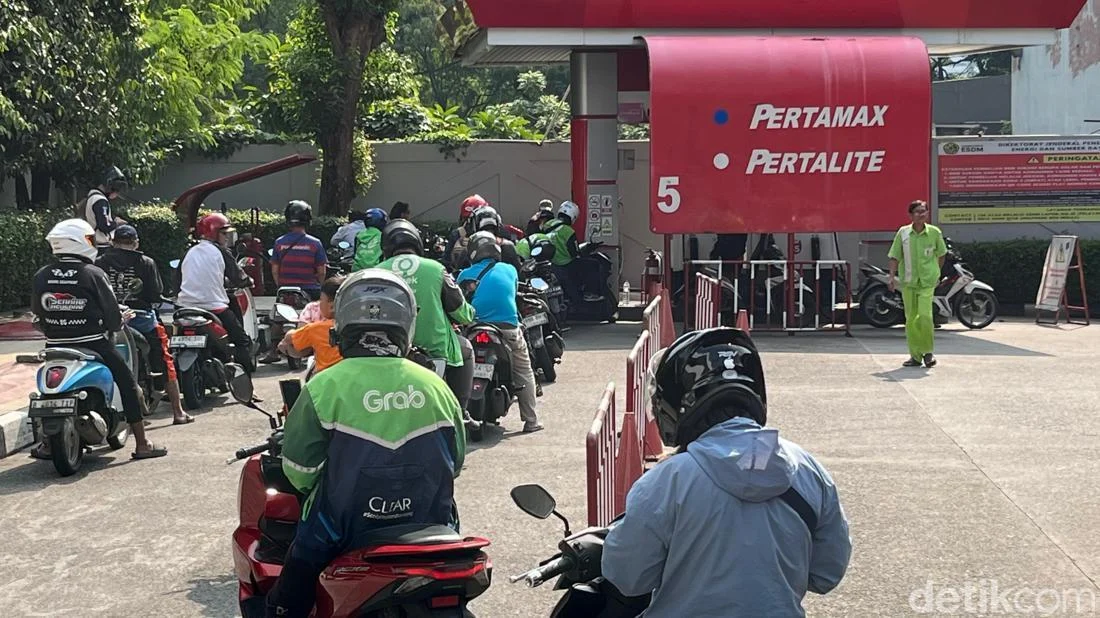
The Indonesian government has officially decided to maintain current fuel prices across both subsidized and non-subsidized categories, a move that stands in stark contrast to the trend seen across several neighboring Southeast Asian nations. Despite a significant surge in global crude oil prices, which have now breached the US$100 per barrel mark, the administration has opted to absorb the rising costs through state mechanisms rather than passing the burden directly to consumers. This policy, confirmed by the Ministry of Energy and Mineral Resources and the State Secretariat, aims to preserve domestic purchasing power and maintain macroeconomic stability in the face of heightening global uncertainty. However, the decision has sparked an intense debate among economists and policy analysts regarding the long-term sustainability of such a strategy, especially as the gap between the state budget’s assumptions and market realities continues to widen.
Global Oil Market Disruption and the Indonesian Response
The global energy landscape has faced renewed volatility in early 2026, driven by a combination of geopolitical tensions in key producing regions and strategic production adjustments by major oil-exporting cartels. These factors have pushed the price of Brent crude far beyond the US$70 per barrel benchmark established in Indonesia’s 2026 State Budget (APBN). As of early April, market prices have consistently hovered around the US$100 range, representing a 40% discrepancy from the government’s initial fiscal projections.
While countries like Thailand, Vietnam, and the Philippines have implemented incremental price adjustments to reflect these market shifts, Indonesia has remained an outlier. The government’s directive to keep prices at the pump unchanged—covering Pertalite, Solar (subsidized diesel), and the Pertamax series—is designed to prevent a "shock" to the national economy. Government officials have urged the public to remain calm and avoid "panic buying," a phenomenon that was briefly observed at various gas stations across Jakarta and other major cities leading up to the April 1st price announcement window.
The Limits of Fiscal Endurance: Expert Perspectives
Despite the current stability, many analysts warn that the government’s ability to hold the line is not infinite. Piter Abdullah, the Policy and Program Director of the Prasasti Center for Policy Studies, suggests that the current price freeze may be a temporary reprieve rather than a permanent solution. According to Abdullah, the mounting pressure on the state budget will eventually force a policy recalibration if global oil prices do not retreat by the end of the year.
"If the increase in oil prices persists until the end of the year, it will become increasingly difficult for the government to prevent a price hike," Abdullah stated in a recent analysis. He emphasized that while price stability is beneficial for the short term, the business community and the general public must be prepared for potential "energy price adjustments." He argued that such adjustments are a standard part of a responsive policy framework, provided they are accompanied by well-targeted compensation schemes for the most vulnerable segments of society.
Abdullah also highlighted a "triple threat" currently facing the Indonesian economy: rising energy costs, a weakening Rupiah exchange rate against the US Dollar, and increasing fiscal pressure. These factors combined necessitate a high degree of vigilance regarding the stability of the national financial system.
Economic Growth Projections and Macroeconomic Risks
The implications of high oil prices extend far beyond the fuel pumps; they threaten to dampen Indonesia’s overall economic momentum. Halim Alamsyah, a member of the Board of Experts at Prasasti and former Deputy Governor of Bank Indonesia, has provided a sobering outlook on the nation’s GDP trajectory. Historically, Indonesia has aimed for a consistent growth rate of approximately 5%. However, the current energy crisis could see that figure slip.
Alamsyah noted that when global oil prices remain elevated for an extended period, the resulting inflationary pressure and increased production costs for the manufacturing and logistics sectors inevitably lead to a slowdown. "In a scenario of prolonged high oil prices, Indonesia’s economic growth potential could decline to the 4.7% to 4.9% range," Alamsyah warned. This would place the country below its historical average, potentially impacting job creation and poverty reduction efforts.
The relationship between energy prices and the Rupiah is also a point of concern. As a net importer of oil, Indonesia must spend more foreign currency to secure its energy needs when prices rise. This increased demand for US Dollars can exert downward pressure on the Rupiah, which in turn makes other imports more expensive, fueling a cycle of "imported inflation."
Chronology of the April 1st Price Decision
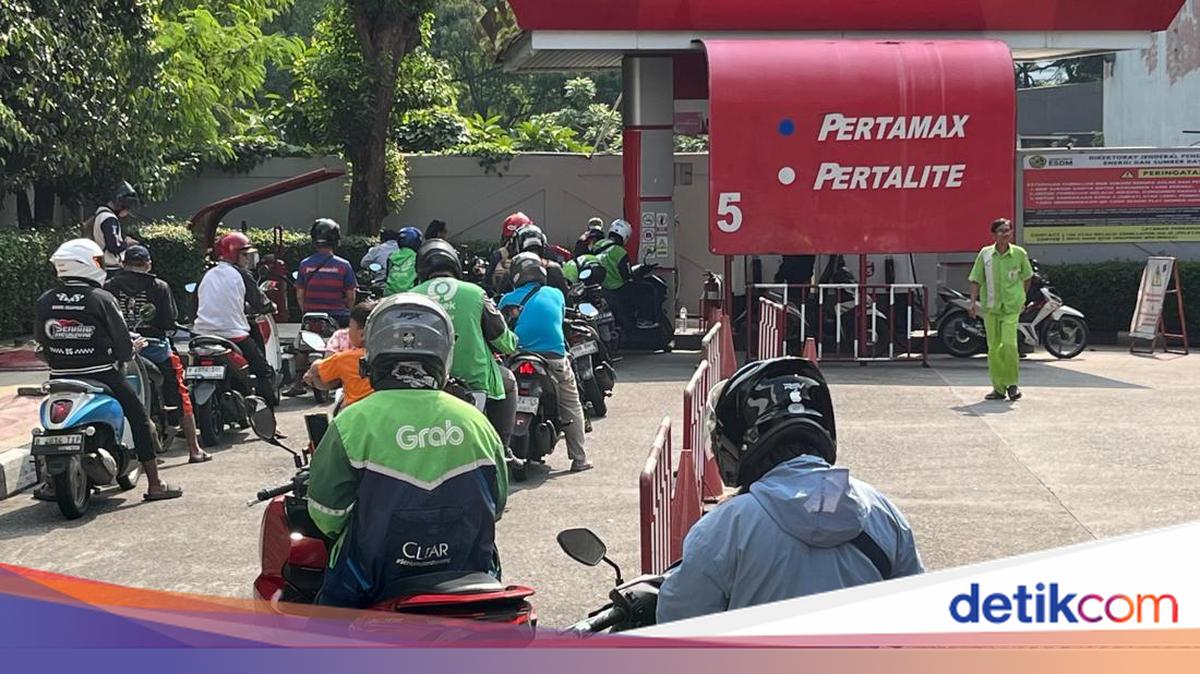
The lead-up to the April 1, 2026, price announcement was characterized by significant public anxiety. In the final week of March, rumors circulated on social media suggesting a substantial hike in the price of Pertalite and Pertamax. This led to long queues at various Pertamina, Shell, Vivo, and BP stations as motorists attempted to fill their tanks before the perceived deadline.
On March 31, 2026, images of congested SPBUs (gas stations) went viral, showing lines stretching into main thoroughfares in cities like Jakarta, Surabaya, and Medan. However, late that evening, the government, through the Ministry of State Secretariat, clarified that there would be no price changes for the month of April. This decision applied to all fuel providers operating in the country, suggesting a coordinated effort to keep the consumer price index (CPI) in check during a sensitive economic period.
The government’s decision to also hold prices for non-subsidized fuels—which are typically adjusted monthly based on market formulas—indicates a proactive intervention to prevent a migration of consumers from non-subsidized to subsidized fuels, which would further strain the state’s subsidy coffers.
Financial System Stability and Policy Coordination
Given the complexity of the current situation, experts are calling for unprecedented levels of coordination among Indonesia’s financial authorities. The Financial System Stability Committee (KSSK), which comprises the Ministry of Finance, Bank Indonesia (BI), the Financial Services Authority (OJK), and the Indonesia Deposit Insurance Corporation (LPS), is expected to play a pivotal role in the coming months.
Piter Abdullah stressed that the market is looking for clear signals from these authorities. "In conditions like this, coordination through the KSSK becomes crucial. The business world and market players are waiting for policy signals regarding the direction of financial system stability," he explained. The focus will likely be on how Bank Indonesia manages interest rates to protect the Rupiah while ensuring that the Ministry of Finance manages the budget deficit within the legally mandated 3% of GDP.
Comparative Regional Landscape
Indonesia’s decision stands in stark contrast to its neighbors in the ASEAN region. In Malaysia, while fuel remains subsidized, the government has been discussing a move toward "targeted subsidies" to reduce the fiscal burden. In Thailand, the government has allowed diesel prices to fluctuate more freely to preserve the liquidity of its Oil Fund. In Singapore, pump prices have reached record highs, directly reflecting the volatility of the Mean of Platts Singapore (MOPS) benchmarks.
Indonesia’s ability to maintain lower prices is largely due to its massive subsidy and compensation budget, which was significantly expanded following the global energy shocks of 2022. However, the "opportunity cost" of these subsidies is high, as funds diverted to fuel are often taken away from infrastructure, healthcare, or education investments.
Potential Outcomes and Mitigation Strategies
As the second quarter of 2026 begins, the Indonesian government faces a delicate balancing act. There are several potential pathways the administration might take if oil prices remain at US$100:
- Increased Subsidy Allocation: The government may request a budget revision from the House of Representatives (DPR) to increase the energy subsidy quota. This would protect consumers but increase the fiscal deficit.
- Gradual Price Adjustments: A "middle ground" approach where prices are raised in small, manageable increments (e.g., Rp 500 per liter) to reduce the shock while easing the fiscal burden.
- Strict Rationing and Digital Control: Enhancing the use of digital platforms like MyPertamina to ensure that subsidized fuel is only purchased by eligible low-income individuals and small businesses, thereby reducing "leakage" to wealthier consumers.
- Energy Transition Acceleration: Using the crisis as a catalyst to speed up the adoption of electric vehicles (EVs) and renewable energy, reducing the nation’s long-term dependence on imported fossil fuels.
Conclusion
The decision to maintain fuel prices as of April 1, 2026, provides a temporary cushion for the Indonesian public against the harsh realities of the global energy market. While this policy supports short-term consumption and social stability, the underlying economic pressures—represented by the US$30 gap between budgeted and actual oil prices—cannot be ignored indefinitely.
The coming months will be a critical test for Indonesia’s fiscal resilience. The government’s strategy will likely require a sophisticated mix of targeted social assistance, rigorous budget management, and transparent communication with the public. As Piter Abdullah and Halim Alamsyah have noted, the path forward involves recognizing that while the government can shield the public for a time, the broader goal must be maintaining the health of the national economy and the stability of the financial system in an increasingly unpredictable world. For now, the pumps remain steady, but the eyes of the nation remain fixed on the global oil tickers and the next move from the halls of power in Jakarta.