Nila Kartika Wati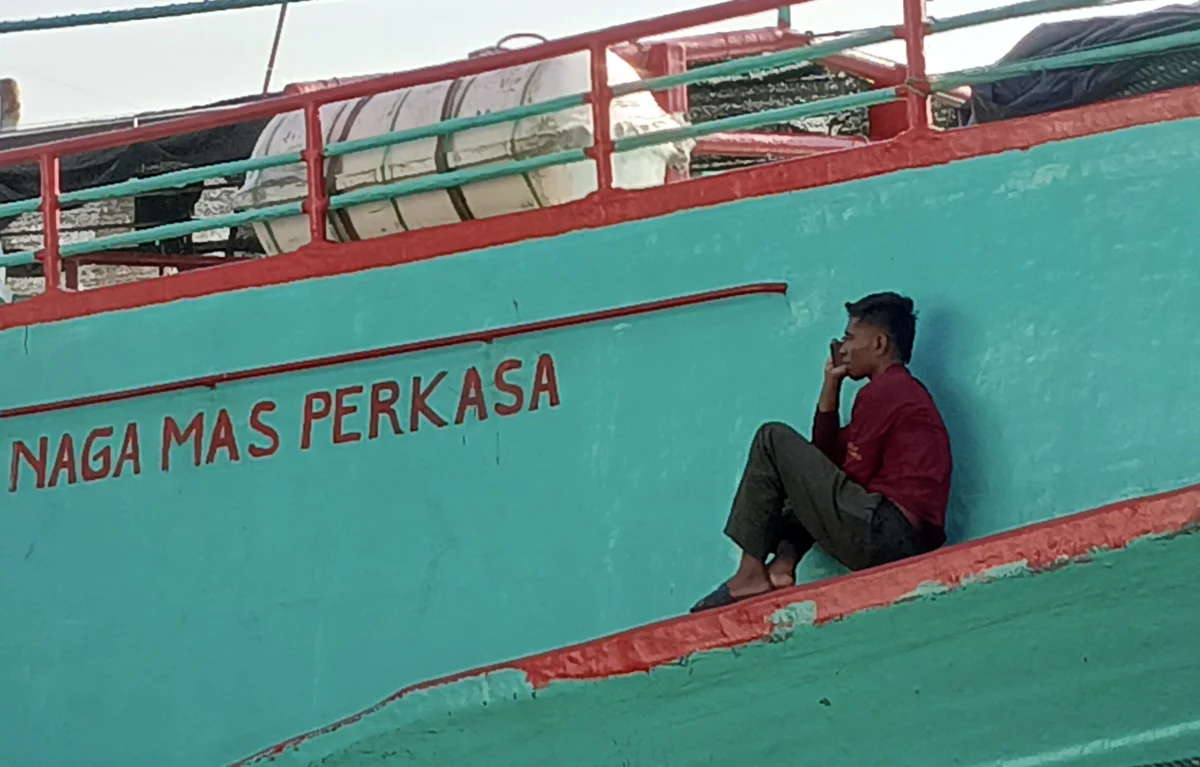
Surono, a 47-year-old fisherman from Tegal, Central Java, never anticipated that his pursuit of economic stability would lead to a year-long purgatory in the middle of the Atlantic Ocean. Seeking to escape the cycle of poverty and settle mounting debts at home, Surono signed on as a crew member for the tuna vessel Novo Ruivo, a ship flying the Portuguese flag. Today, however, he and two of his compatriots, Rizal Harun and Wahyudin, find themselves trapped in a state of maritime abandonment that has lasted more than 11 months. Stranded aboard the vessel as it sits idle in the port of Mindelo, Cape Verde, the men are caught in a desperate standoff between their need for survival and their refusal to leave without the wages they were promised.
The situation turned dire when the vessel’s owner reportedly vanished, taking with him the crew’s most vital documents, including their passports. This act has effectively rendered the fishermen stateless and immobile, unable to move beyond the confines of the ship or the immediate dock area without risking legal repercussions in a foreign land. For Surono, the decision to remain on the Novo Ruivo is not one of choice, but of grim necessity. With a wife and children in Indonesia depending on his earnings, returning home empty-handed is a prospect he cannot yet accept.
A Chronology of Broken Promises
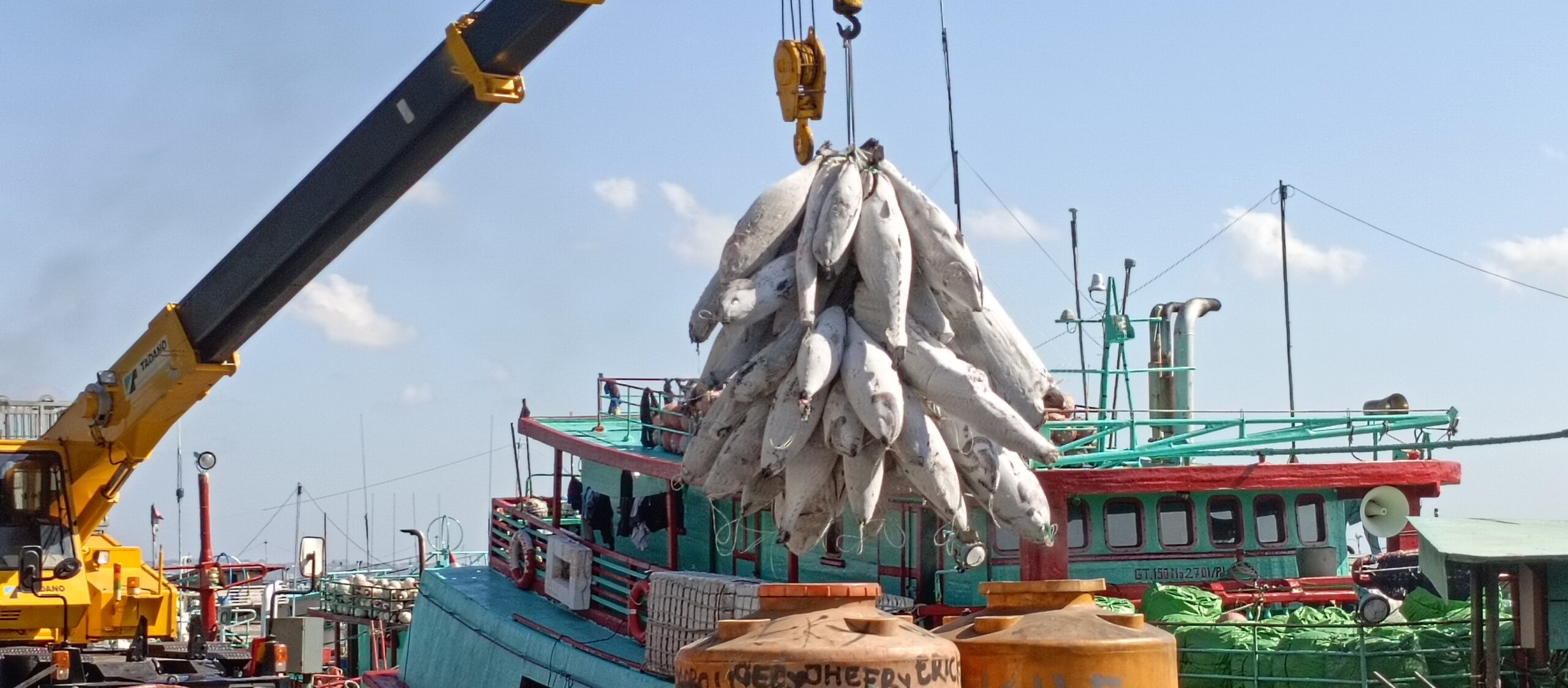
The journey began in early 2025, fueled by the allure of a monthly salary of US$1,200 (approximately Rp20.3 million). For a laborer from Tegal, such a figure represented a life-changing opportunity. Surono departed from Indonesia in March 2025, traveling to Namibia to join the Novo Ruivo’s crew. For several months, the vessel operated in the productive tuna grounds of the Atlantic, with the crew performing the grueling, high-intensity labor characteristic of the industrial tuna sector.
The mission began to unravel in September 2025. The Novo Ruivo docked at Mindelo, a port city on the island of São Vicente in Cape Verde, intended as a routine stop to offload the season’s catch. However, once the cargo was secured, the vessel’s operational leadership fractured. According to the crew, the owner abandoned the site, leaving the ship and its workers behind. More critically, the confiscation of their passports transformed the ship from a workplace into a floating prison.
Since that time, the three Indonesian men have survived on the dwindling supplies left on board. Their diet has been reduced to the basics—rice and whatever frozen stores remain in the ship’s hold. While they are physically safe from the immediate dangers of the open sea, the psychological toll of being "forgotten" in a foreign port, thousands of miles from their families, continues to mount.
The Economic Reality and Family Impact
In Tegal, the repercussions of this abandonment are felt acutely by the families left behind. Kiki Andriani, Surono’s wife, has spent the last year in a state of constant anxiety. The financial vacuum created by the missing wages has forced the family to find alternative ways to survive, all while harboring the fear that Surono may never receive the compensation he earned through months of back-breaking labor.
"If he comes home without his salary, a year of work will have been in vain," Andriani stated. Her sentiment echoes a common dilemma for migrant fishers: the "sunk cost" of their labor. If they accept repatriation without pay, they return to Indonesia in a worse financial position than when they left, often burdened by the costs of recruitment fees and the interest on loans taken out to fund their initial departure.
The promised $1,200 monthly wage was intended to clear debts and provide a foundation for his children’s education. Instead, the family is now navigating the possibility that the Novo Ruivo venture was an "illusion of welfare," a term often used by labor advocates to describe the predatory nature of some international fishing contracts.
International Legal Frameworks and the Definition of Abandonment
The plight of the Novo Ruivo crew is not an isolated incident but a symptom of a systemic crisis in the global fishing industry. The International Labour Organization (ILO) provides a clear definition of vessel abandonment. Under international maritime standards, a vessel is considered abandoned when the owner fails to cover the costs of repatriation, leaves the crew without the necessary maintenance and support, or unilaterally severs ties with the crew, including the failure to pay wages for a period of at least two months.
By these metrics, Surono and his colleagues have been abandoned multiple times over. The International Transport Workers’ Federation (ITF) has taken up the case, reporting that 2025 has set a grim historical record for maritime abandonment. Data indicates that approximately 6,200 crew members across 410 vessels worldwide faced similar conditions of neglect and abandonment in 2025 alone. While the majority of these cases occur in the general shipping industry, the fishing sector is particularly vulnerable due to its often-remote operations and complex layers of ownership.
Gonzalo Galan, an ITF inspector, has been working to find a resolution for the crew. The options, however, are fraught with legal complexity. While the ITF can facilitate repatriation, they cannot guarantee the recovery of unpaid wages from an insolvent or missing owner. One potential solution is the judicial sale of the Novo Ruivo. If a court orders the seizure and sale of the vessel, the proceeds could be used to settle the crew’s wage claims. However, such legal proceedings in Cape Verdean or Portuguese courts can take months or even years to conclude.
The Owner’s Defense: Financial Insolvency
The narrative took a complex turn with statements from Javier Martinez, the owner associated with Somar Produtos do Mar, a Spanish company linked to the vessel’s operations. Martinez has denied that the crew was "abandoned" in the traditional sense, claiming that he has continued to provide for their basic needs.
According to Martinez, the company is facing a severe financial crisis and simply lacks the liquidity to pay the full salaries at this time. He claimed that the crew has access to electricity, clean water, and food on the ship. Furthermore, he stated that he has been sending small stipends of approximately US$60 every few weeks to the crew members to cover personal expenses such as phone credit and snacks.
Regarding the missing passports, Martinez’s position remains controversial. While he expressed a desire for the crew to return home, the lack of documentation remains the primary barrier to their movement. His assertions of "providing everything" stand in stark contrast to the crew’s lived experience of being stranded in a port with no clear timeline for their release or payment.
Critiques of the Indonesian Government and Recruitment Agencies
The case has drawn sharp criticism from domestic labor advocates in Indonesia. Imam Trihatmadja, Director of Programs at Destructive Fishing Watch (DFW) Indonesia, argues that the situation highlights the persistent weakness in the protection of Indonesian migrant workers on foreign-flagged fishing vessels.
"The government has not been able to ensure that the post-repatriation process does not create new problems," Trihatmadja remarked. He emphasized that while repatriation is a necessary first step, it often ignores the underlying issue of wage theft. Without a robust mechanism to hold manning agencies (the recruitment firms) accountable, the workers are left to fight legal battles they cannot afford.
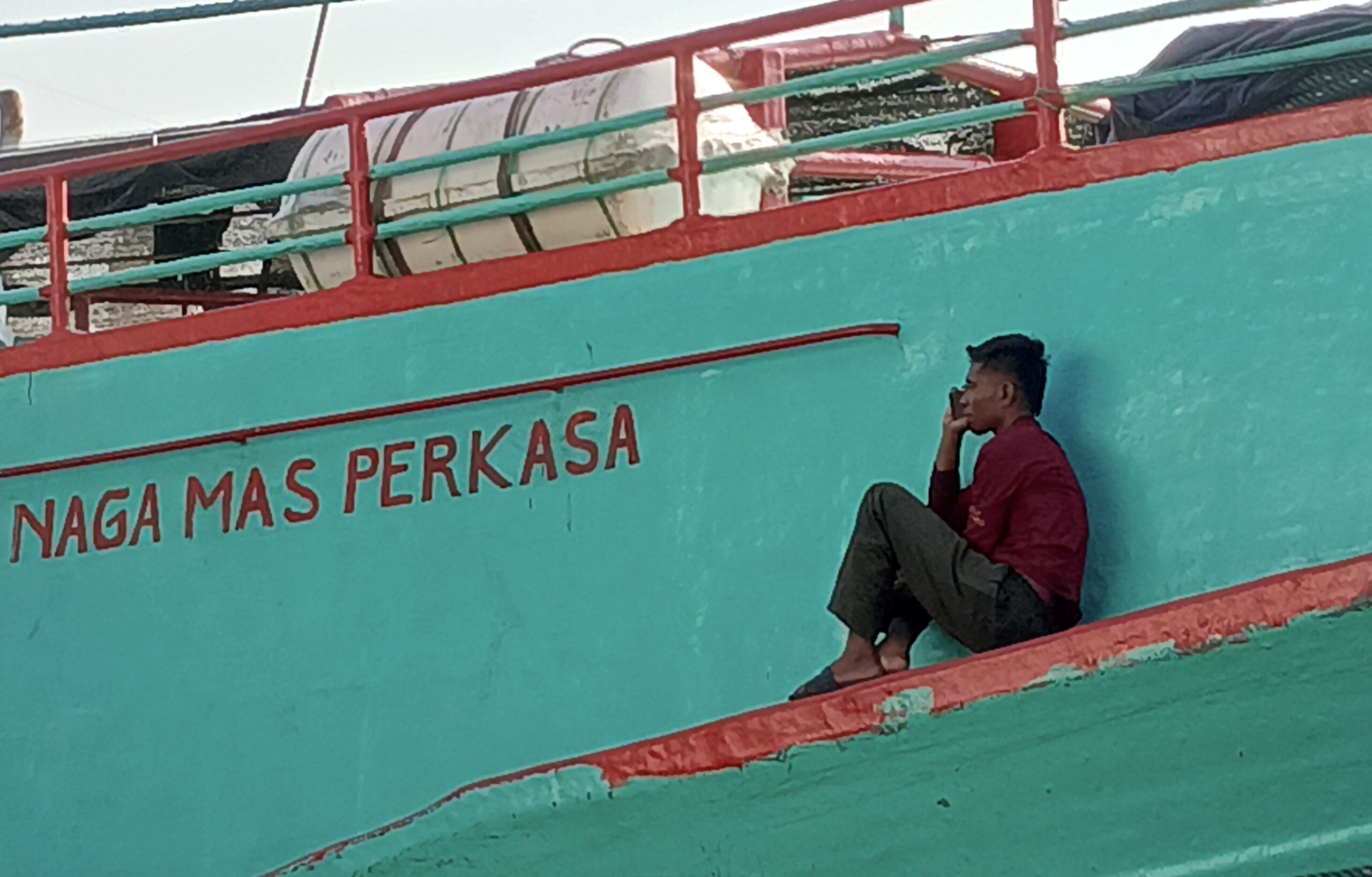
Trihatmadja pointed out that the role of the manning agencies is crucial. These agencies act as the bridge between the Indonesian worker and the foreign employer. If an employer defaults, the agency should, in theory, bear a level of responsibility. However, many agencies operate with minimal oversight, and some may even lack the proper legal standing to be held liable in Indonesian courts for events occurring in international waters.
Furthermore, DFW Indonesia has renewed calls for the Indonesian government to fully ratify and implement ILO Convention No. 188 (C-188), which specifically concerns work in the fishing sector. This convention sets mandatory standards for recruitment, medical care, and work contracts. Advocates argue that without the legal teeth provided by C-188, Indonesian fishers will continue to be "disposable" labor in the eyes of unscrupulous global operators.
Broader Implications for the Global Tuna Industry
The ordeal of the Novo Ruivo crew sheds light on the "dark side" of the global tuna supply chain. As consumers in Europe and Asia demand cheap tuna, the pressure on vessel owners to reduce costs often leads to the exploitation of workers from developing nations. The use of "flags of convenience"—where a ship is registered in a country different from its ownership to take advantage of lower taxes or laxer labor laws—further complicates the ability of authorities to protect crew members.
The port of Mindelo in Cape Verde serves as a strategic crossroads for Atlantic fishing, but it also becomes a bottleneck for legal disputes. For the Indonesian Embassy in Dakar, Senegal, which oversees relations with Cape Verde, the logistical challenge of providing consular assistance across thousands of miles of ocean is significant.
As the standoff continues, the Indonesian crew faces a grueling choice: accept a "half-salary" settlement offered by some recruitment intermediaries and return home with their dignity but without their full earnings, or continue to occupy the vessel in hopes of a court-mandated settlement. For Surono, Rizal, and Wahyudin, the Novo Ruivo is no longer a ship of opportunity; it is a monument to the systemic failures of an industry that harvests the ocean’s wealth at the expense of its most vulnerable workers.
The resolution of this case will serve as a bellwether for how international maritime bodies and the Indonesian government handle the rising tide of vessel abandonments. Until structural changes are made to how migrant fishers are recruited and protected, the story of the Tegal fishermen in Cape Verde is likely to be repeated in ports around the globe.