Nila Kartika Wati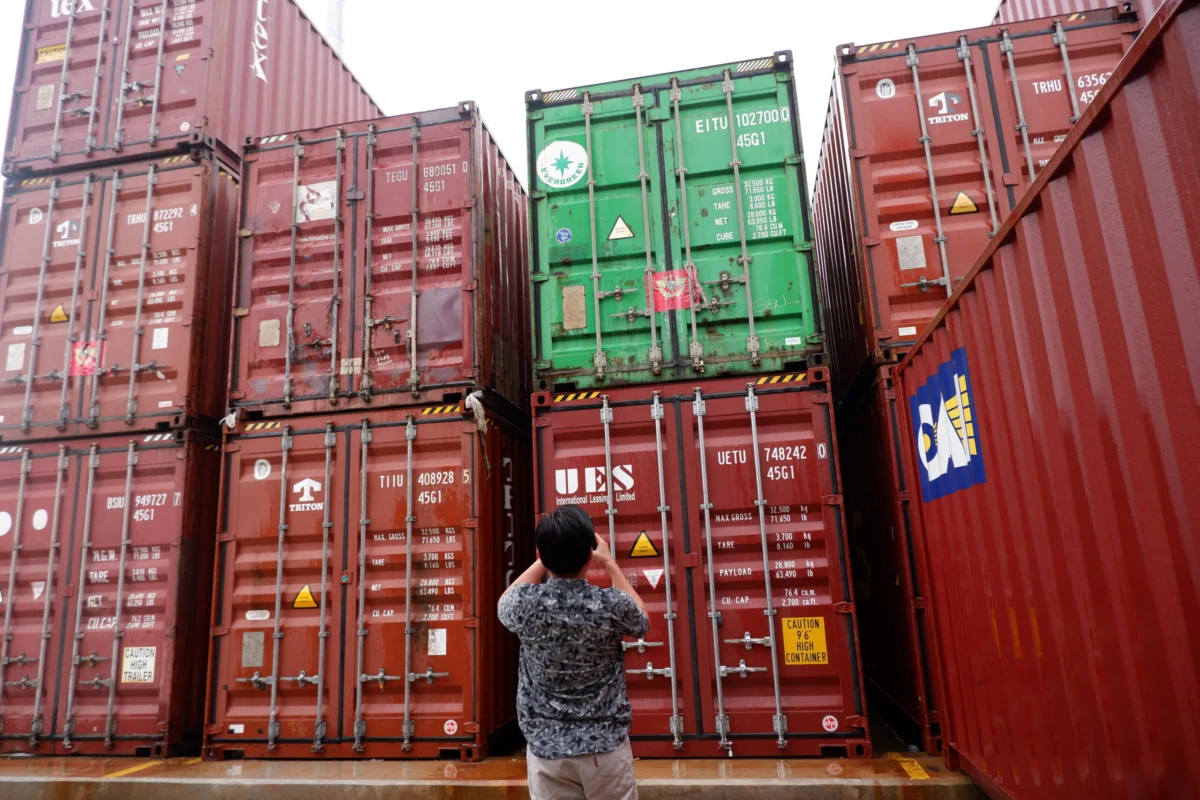
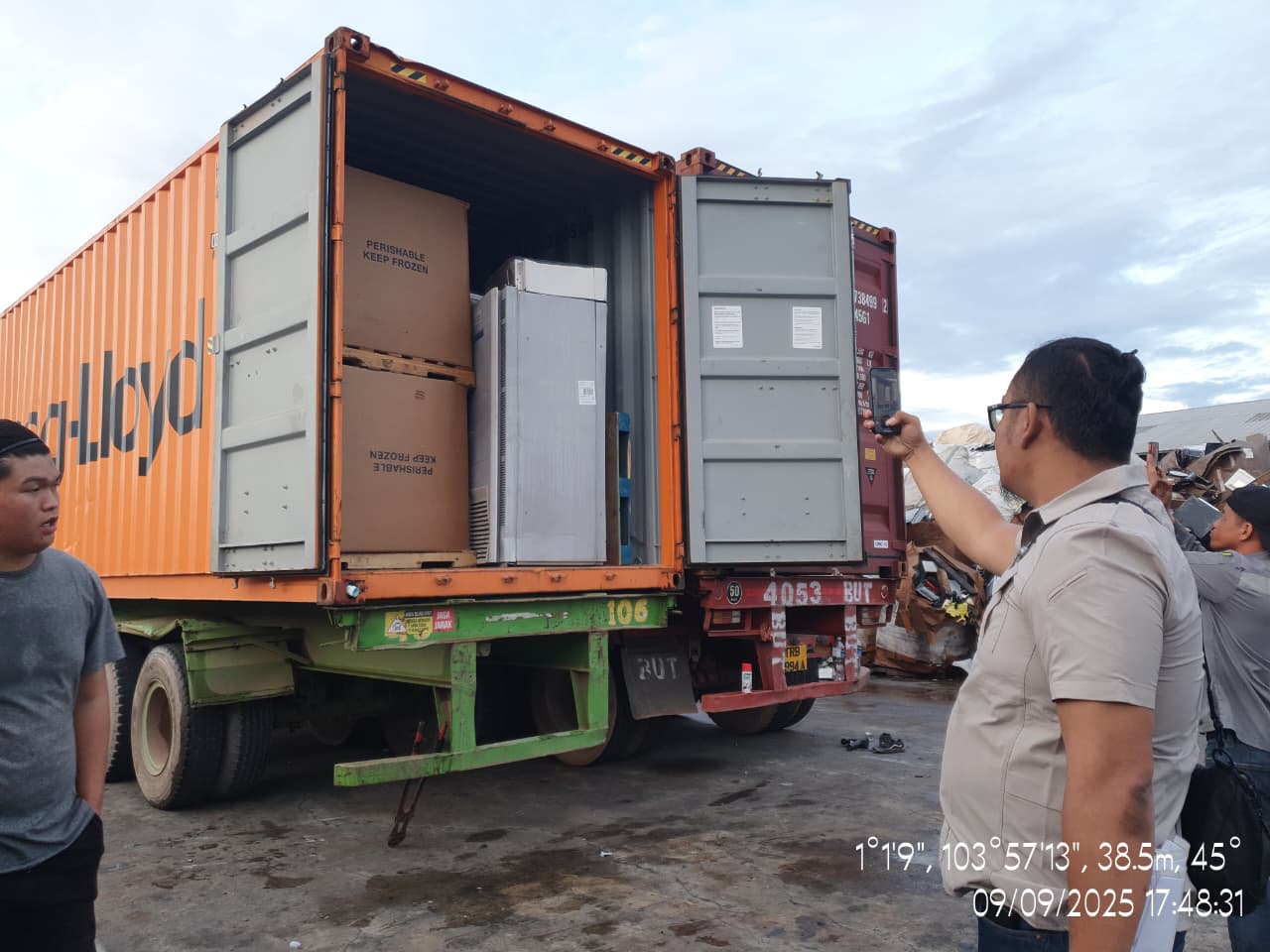
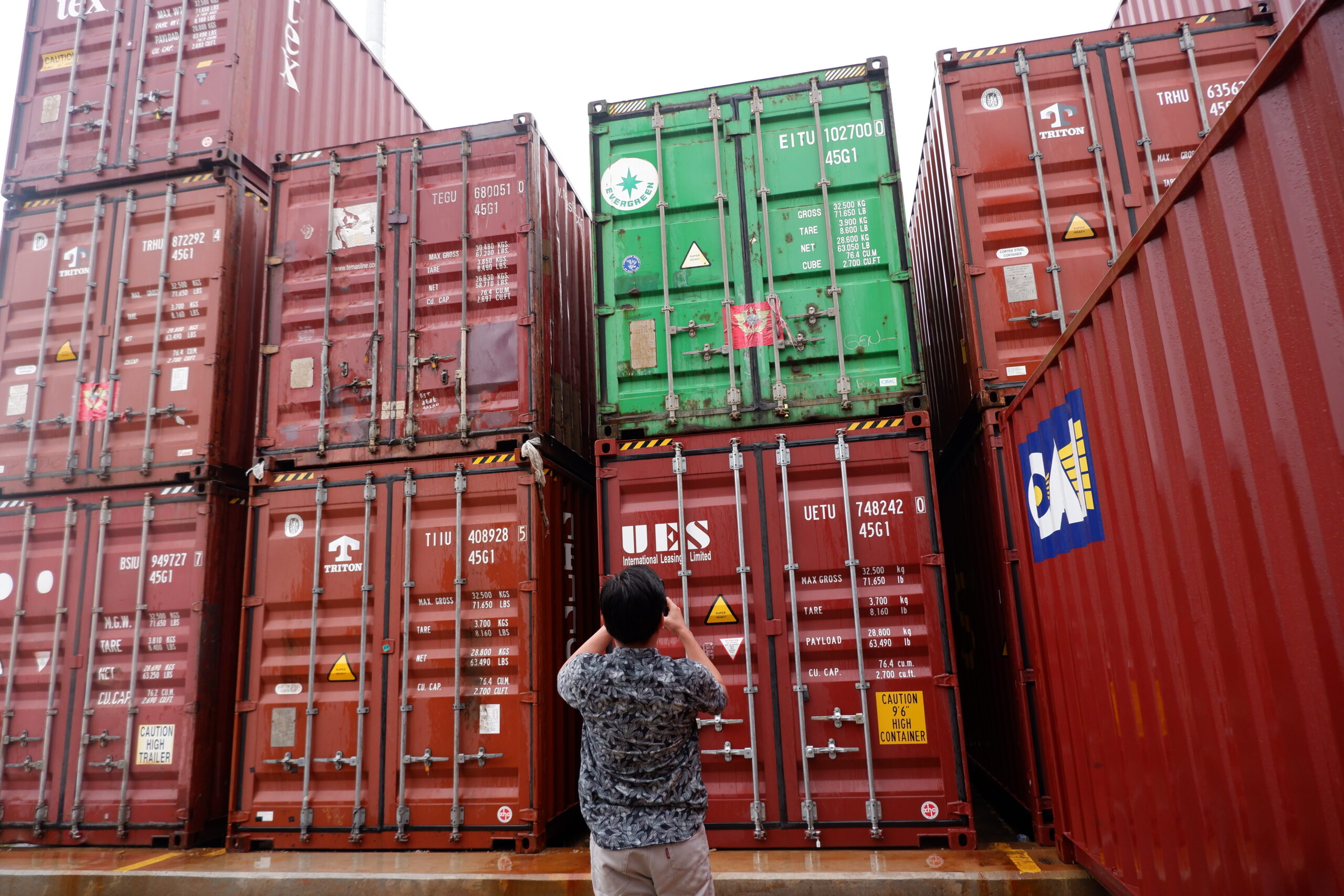
The Indonesian government has officially decided to cancel the planned re-export of hundreds of containers containing illegal electronic waste, or e-waste, originating from the United States. These containers, which arrived at the Batu Ampar Port in Batam, Riau Islands, approximately five months ago, have remained stationary, creating a significant logistical and environmental bottleneck at one of the region’s busiest maritime hubs. This policy shift marks a departure from previous environmental stances where the state insisted on returning hazardous materials to their countries of origin to uphold national sovereignty and environmental integrity.
The decision has sparked intense debate among government agencies, environmental watchdogs, and international observers. While officials cite high costs and complex international transit permits as the primary reasons for the cancellation, environmental advocates warn that processing or destroying these materials domestically could set a dangerous precedent, potentially turning Indonesia into a permanent dumping ground for the developed world’s hazardous refuse.
Bureaucratic Deadlock and Regulatory Hurdles
The handling of the e-waste has been characterized by a lack of clarity among various government bodies. Rully Syah Rizal, the Director of Goods Traffic at BP Batam, and Dohar Mangalando Hasibuan, Head of the Batam Environmental Office (DLH), have refrained from providing definitive statements regarding the long-term plan for the hundreds of containers. This silence has fueled public concern regarding the transparency of the waste management process.
Setiawan Rosidi, Head of Compliance Guidance and Information Services (BKLI) at Batam Customs, clarified that his office is currently awaiting a formal recommendation from either the Ministry of Environment (KLH) or the local Environmental Office to proceed with a thorough physical inspection of the cargo. Under current Indonesian law, Customs holds the authority to monitor goods based on Harmonized System (HS) codes, but the technical verification of whether a material constitutes hazardous and toxic waste (B3) falls under the jurisdiction of environmental authorities.
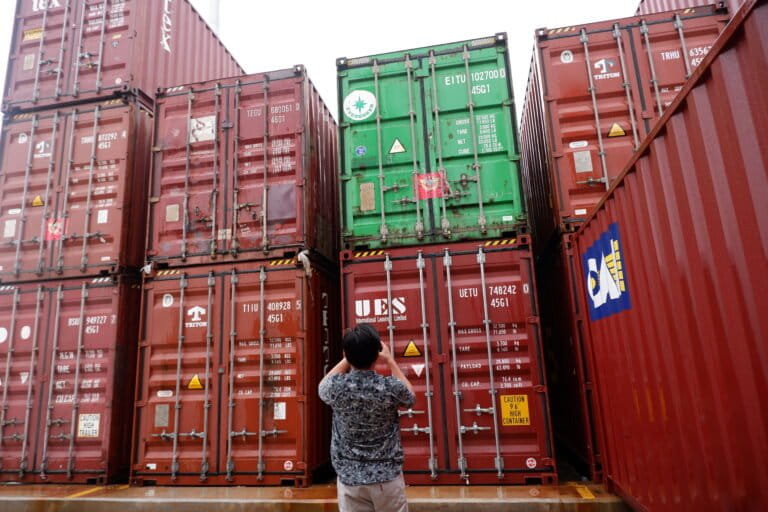
"Customs does not conduct technical examinations of waste types. That is the authority of the Ministry of Environment or the DLH. We are waiting for their recommendation for the next steps," Setiawan stated during a press briefing on Thursday, March 12, 2026. He noted that while the HS codes listed in the import documents strongly suggest the presence of B3 waste, physical verification is mandatory to confirm the contents before any final action can be taken.
The Shift Toward Domestic Disposal
In a significant revelation, Setiawan indicated that the government’s current trajectory does not involve returning the waste to the United States. Instead, there is an active plan to destroy the e-waste within Indonesia. To facilitate this, the government has established a specialized Task Force for the Settlement of Container Accumulation at Batu Ampar Port.
The proposed procedural path involves the importer filing a specific import document for the Batam Free Trade Zone, known as PPFTZ-01. Once this document is submitted and processed, Customs can issue a Goods Release Approval Letter (SPPB). However, this can only happen after the importer receives a recommendation from the Ministry of Environment or BP Batam.
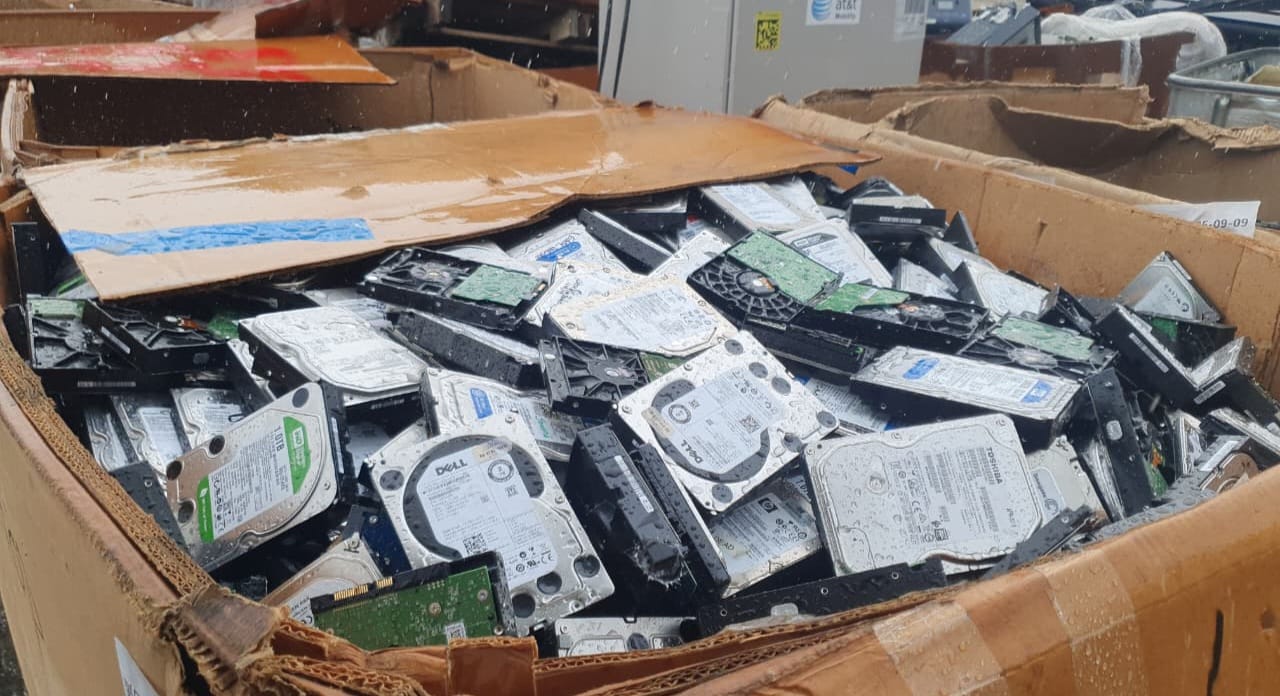
Once the SPPB is granted, the containers will be moved from the port to a specialized facility equipped to handle hazardous materials. One such facility mentioned is PT Desa Air Cargo, a company authorized to process B3 waste. At this location, the containers would be unsealed and their contents sorted. Materials classified as hazardous would be destroyed, while non-hazardous components might be salvaged as industrial raw materials.
The rationale behind cancelling the re-export is largely financial and logistical. Setiawan explained that shipping hundreds of containers back to North America involves astronomical costs. Furthermore, the process requires "prior informed consent" from both the destination country and any transit countries. For instance, if a ship carrying hazardous waste were to transit through Singapore, the shipping company would need to secure specific permits from Singaporean authorities—a process that is often lengthy and fraught with diplomatic sensitivities.
International Advocacy and the Basel Convention
The decision to process the waste locally has drawn sharp criticism from the Basel Action Network (BAN), a global organization dedicated to ending the dumping of toxic waste in developing countries. Wong Pui Yi, a researcher from BAN based in Malaysia, emphasized that the Indonesian government owes the public a transparent explanation.
"If the waste cannot be returned, the public has the right to know why. Is this truly the official government position?" Wong questioned. She argued that the government should not prioritize cost-saving over environmental safety. According to Wong, the financial burden of re-export should fall squarely on the shoulders of the importers and the shipping lines involved in the illegal trade, not the Indonesian taxpayer or the local environment.
Wong further pointed out that Indonesia has recourse through international law. The Basel Convention on the Control of Transboundary Movements of Hazardous Wastes and Their Disposal provides a framework for such disputes. If a country of origin refuses to accept its waste back, the receiving country can file a formal complaint through the Basel Convention Secretariat.
"The Basel Convention was established specifically to protect developing nations from the waste disposal practices of developed nations," Wong said. "If Indonesia fails to enforce these rules, it is the Indonesian people who will ultimately bear the environmental and health consequences."
A Direct Appeal to the Presidency
As the containers continue to sit at Batu Ampar, the situation has escalated to the highest levels of government. On March 4, 2026, a coalition of three prominent environmental organizations—Basel Action Network, Nexus3 Foundation, and Ecological Observation and Wetlands Conservation (Ecoton)—sent an open letter to President Prabowo Subianto.
The letter urged the President to intervene and ensure that the illegal e-waste is re-exported rather than auctioned or processed domestically. The organizations argued that allowing the waste to stay violates international law and undermines Indonesia’s environmental sovereignty. They also demanded transparency regarding the movement of these containers, noting that information has been dangerously limited.
"Not a single container of smuggled goods potentially containing hazardous materials should be auctioned, as this would violate international legal standards," the coalition wrote. They revealed that they had been monitoring the situation since 2025 through "Operation Can Opener," a project that tracks container numbers and arrival times of suspected illegal waste shipments from the United States.
Yuyun Ismawati, the founder of the Nexus3 Foundation, warned of the technical dangers of domestic processing. She asserted that no facility can process e-waste without some level of environmental degradation. The breakdown of electronics often releases heavy metals like lead, mercury, and cadmium into the air and soil. Furthermore, the process generates secondary waste, such as toxic leachate, which poses long-term risks to groundwater and the health of local communities and workers.
A History of Enforcement: Indonesia’s Past Successes
The current reluctance to re-export the Batam containers stands in stark contrast to Indonesia’s historical track record of firm environmental enforcement. Over the past two decades, Indonesia has successfully forced several developed nations to take back illegal waste shipments:
- 2010: The Ministry of Environment successfully returned nine containers of cathode ray tube (CRT) monitors to the United States after they were illegally shipped to Tanjung Mas Port in Central Java.
- 2012: Indonesia repatriated 89 containers of illegal metal scrap contaminated with liquid waste and mixed materials to the United Kingdom. During the same period, 24 containers were sent back to the Netherlands for similar violations.
- 2025: In a more recent case, metal scrap imported from the Philippines to Serang, Banten, was found to be contaminated with radioactive materials. The contamination was so severe it threatened Indonesia’s shrimp exports to the U.S. due to safety concerns. The government took decisive action and returned the materials to the Philippines.
These precedents established Indonesia as a leader in Southeast Asia for environmental justice, signaling to global markets that the archipelago would not accept the "externalities" of foreign industrial processes.
Implications and Potential Consequences
The decision to cancel the re-export of the Batam e-waste carries significant implications for Indonesia’s future. From a diplomatic perspective, it may signal a softening of Indonesia’s stance on the Basel Convention, potentially encouraging further illegal shipments from countries looking for cheap disposal options.
Environmentally, the risks are localized but severe. Batam is a strategic industrial zone, but its ecosystem is fragile. The introduction of large-scale e-waste processing could lead to the accumulation of Persistent Organic Pollutants (POPs) in the local food chain. Furthermore, if the "non-hazardous" materials are sold into the local recycling market, they may end up in informal recycling sectors where safety standards are non-existent, leading to widespread lead poisoning and respiratory issues among workers.
Economically, while the government seeks to avoid the immediate cost of shipping, the long-term costs of environmental remediation and healthcare for affected communities could far exceed the price of re-export.
The eyes of the international environmental community remain fixed on Batam. The resolution of this case will serve as a litmus test for President Prabowo’s administration: will Indonesia uphold its commitment to international environmental law and the protection of its citizens, or will it succumb to the logistical pressures of the global waste trade? As of mid-March 2026, the hundreds of containers remain at Batu Ampar Port, a silent testament to a complex and unresolved conflict between global trade, national policy, and environmental preservation.