Azin Asro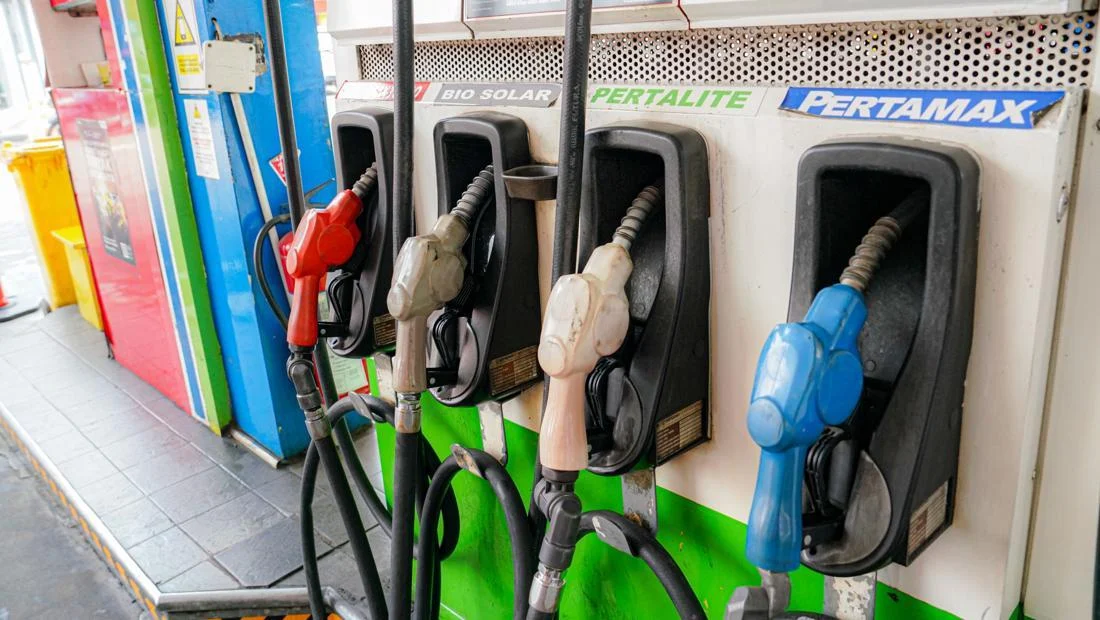
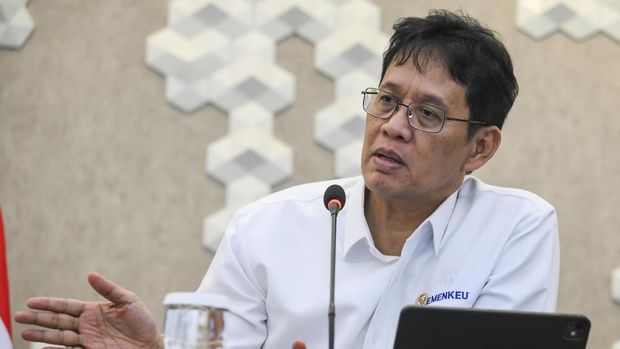
The Indonesian government has officially committed to maintaining the current prices of subsidized fuel until the conclusion of 2026, a move designed to shield the domestic economy from the unpredictable fluctuations of the global energy market. This strategic decision, announced by the Ministry of Finance, underscores the government’s confidence in the nation’s fiscal health and its priority to safeguard the purchasing power of the middle and lower-income classes. During a high-level press conference held at the Coordinating Ministry for Economic Affairs in Central Jakarta, Finance Minister Purbaya Yudhi Sadewa reassured the public that the state budget (APBN) remains robust enough to absorb the necessary subsidy costs, even in the face of rising international crude oil prices.
The assurance comes at a critical juncture for the Indonesian economy, which has been navigating a complex landscape of post-pandemic recovery and geopolitical tensions. Minister Purbaya emphasized that the government has conducted rigorous simulations to ensure that every policy decision is backed by adequate financial reserves. He dismissed concerns regarding potential budget shortfalls, using the local term "beunghar" to describe the country’s wealthy fiscal position. According to the Minister, the state has meticulously calculated the financial consequences of freezing fuel prices, concluding that the current capacity to mitigate global energy shocks is more than sufficient for the next two years.
Fiscal Resilience and the State Budget Capacity
The decision to hold fuel prices steady is rooted in a detailed analysis of Indonesia’s revenue streams and expenditure management. Minister Purbaya noted that the government has prepared for various scenarios, including a significant spike in global oil prices. Even if Brent crude were to breach the US$ 100 per barrel mark, the Finance Ministry maintains that the fiscal framework is resilient enough to maintain stability. This confidence stems from higher-than-expected state revenues in recent quarters, driven by commodity exports and improved tax collection efficiency.
By committing to a price freeze until late 2026, the government aims to eliminate market speculation that often leads to hoarding or artificial price hikes in the logistics and retail sectors. "I want to emphasize again: the public does not need to worry or speculate that we are running out of money," Purbaya stated during the briefing. "Our funds are sufficient. Every policy we implement carries a cost, and we have calculated those costs thoroughly to ensure they are manageable." This proactive communication is intended to maintain consumer confidence, which is a primary driver of Indonesia’s GDP growth.
Strategic Thresholds: The $97 Per Barrel Benchmark
While the Finance Ministry focused on the overall budget capacity, Coordinating Minister for Economic Affairs Airlangga Hartarto provided specific technical parameters for this price stability. Airlangga clarified that the government’s ability to maintain subsidized fuel prices—specifically for Pertalite and Solar—is tied to the average global oil price. He set a benchmark of US$ 97 per barrel as the threshold for this policy.
"As long as the average oil price does not exceed US$ 97 per barrel, we can maintain these fuel prices until December 2026," Airlangga explained. This figure is significant as it represents the "tipping point" where the subsidy burden might begin to strain the state budget beyond sustainable levels. However, current market forecasts suggest that while volatility persists, average prices may remain within a range that allows the Indonesian government to honor this commitment. The government continues to monitor the Indonesian Crude Price (ICP) closely, as it serves as the primary reference for domestic energy budgeting.
Historical Context and the Importance of Price Stability
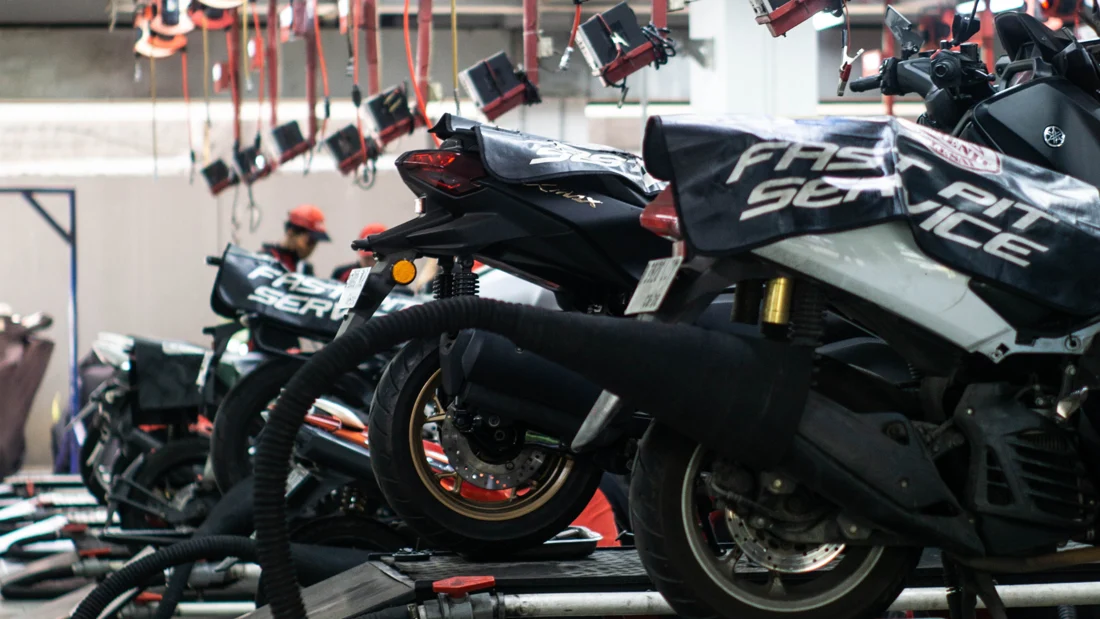
To understand the weight of this announcement, one must look at Indonesia’s history with fuel subsidies. Fuel prices are a highly sensitive socio-political issue in the archipelago. Significant price hikes in the past, such as the adjustment in September 2022, led to widespread protests and an immediate spike in inflation. Subsidized fuel is the lifeblood of the Indonesian economy, powering the motorcycles of millions of workers and the small trucks used by Micro, Small, and Medium Enterprises (MSMEs) to transport goods.
In 2022, the government was forced to raise the price of Pertalite from IDR 7,650 to IDR 10,000 per liter due to the immense pressure of global oil prices exceeding US$ 100 per barrel following the outbreak of the Russia-Ukraine conflict. That experience served as a lesson in fiscal management and social stability. By announcing a freeze until 2026, the current administration is signaling a shift toward a more "buffer-heavy" fiscal policy, prioritizing social order and economic predictability over immediate deficit reduction.
Macroeconomic Implications: Inflation and Purchasing Power
Economists suggest that the decision to freeze fuel prices will act as an "anchor" for national inflation. Fuel is a major component of the Consumer Price Index (CPI), not just as a direct cost to consumers but as a secondary cost in the production and distribution of food and services. When fuel prices remain stable, the "multiplier effect" on inflation is significantly reduced. This allows the central bank, Bank Indonesia, more room to manage interest rates without the immediate pressure of cost-push inflation.
For the average Indonesian household, fuel expenditures account for a significant portion of monthly disposable income. By guaranteeing price stability, the government is effectively providing an indirect cash transfer to millions of citizens. This supports domestic consumption, which accounts for over 50% of Indonesia’s economic activity. Furthermore, the logistics sector, which has been struggling with rising operational costs, can now plan long-term contracts with greater certainty, potentially lowering the cost of doing business across the islands.
The Role of Global Geopolitics and Energy Markets
The government’s promise comes at a time when the global energy landscape is fraught with uncertainty. Tensions in the Middle East, production cuts by OPEC+ members, and the ongoing transition toward renewable energy in Western economies have created a volatile environment for oil-importing nations like Indonesia. Despite being a former member of OPEC, Indonesia has been a net importer of oil for years, making it vulnerable to international price swings.
The US$ 97 per barrel threshold mentioned by Minister Airlangga is a calculated risk. If geopolitical tensions escalate further, causing a sustained spike above US$ 110 or US$ 120, the government may face a difficult choice: either increase the subsidy allocation by diverting funds from other sectors (such as infrastructure or education) or reconsider the price freeze. However, by stating the commitment now, the government is betting on its ability to use windfall profits from other commodities—such as coal and palm oil—to cross-subsidize the energy sector.
The Challenge of Non-Subsidized Fuel Adjustments
While subsidized fuel (Pertalite and Solar) remains protected, the outlook for non-subsidized fuels like Pertamax, Pertamax Turbo, and Dexlite remains subject to market forces. Minister Airlangga noted that the pricing for these products is still under review. Unlike subsidized fuel, which is strictly controlled for social reasons, non-subsidized fuel prices are generally adjusted periodically to reflect global market trends and the exchange rate of the Rupiah against the US Dollar.
The government is currently conducting studies to determine the appropriate timing and magnitude of any adjustments for non-subsidized products. The goal is to ensure that while the "safety net" for the poor remains intact, the market mechanism for higher-octane fuels continues to function without creating an unsustainable gap that might drive Pertamax users to switch back to subsidized Pertalite—a phenomenon known as "subsidy leakage."
Towards Targeted Subsidies and Future Energy Security
Part of the strategy to maintain the 2026 price freeze involves the refinement of the subsidy distribution system. The government has been rolling out digital tools, such as the MyPertamina application and QR code-based purchasing, to ensure that subsidized fuel reaches only those who are eligible. By reducing "misuse" by wealthy individuals or large corporations, the government can stretch its subsidy budget further.
Looking ahead, the commitment to fuel price stability also buys the government time to accelerate the national energy transition. The Indonesian government has been vocal about its "Golden Indonesia 2045" vision, which includes a significant shift toward electric vehicles (EVs) and renewable energy sources. If the government can successfully reduce the nation’s dependence on fossil fuels over the next few years, the fiscal pressure of oil price volatility will naturally diminish.
Expert Reactions and Market Outlook
Market analysts have reacted with cautious optimism to the announcement. While some fiscal hawks warn about the potential for a widening budget deficit if oil prices surge, most agree that social stability is a prerequisite for investment. "Indonesia has a history of using its budget as a shock absorber," said one senior economist at a Jakarta-based think tank. "The challenge will be the exchange rate. Even if oil stays at $90, if the Rupiah weakens significantly against the Dollar, the cost of importing that oil in local currency terms goes up. The government must manage both the oil price and the currency stability to make this promise stick."
As of April 2026, the Indonesian government appears steadfast in its resolve. With the state budget positioned as a shield, the administration is betting that fiscal "wealth" and strategic planning will be enough to navigate the turbulent waters of the global energy market. For the millions of Indonesians who rely on subsidized fuel for their daily lives, the news provides a much-needed sense of security in an otherwise uncertain global economic climate. The next 20 months will serve as a test of this fiscal resilience, as the world watches how Southeast Asia’s largest economy balances social welfare with budgetary discipline.