Bambang Pamungkas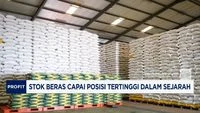
Jakarta, April 6, 2026 – Indonesia’s national rice reserves have reached an unprecedented level, with the State Logistics Agency (Bulog) reporting a current stock of approximately 4.5 million tons. This historic milestone positions the nation with robust food security, with projections indicating the reserves could further surge to over 5 million tons within the next 10 to 20 days. The announcement, made during a segment on CNBC Indonesia’s Profit program, underscores a significant achievement in the country’s ongoing efforts to bolster its strategic food reserves and ensure price stability for its vast population. This record accumulation is a testament to a confluence of factors, including successful harvest seasons, strategic government procurement, and a proactive approach to managing national food supplies against potential volatilities.
The Significance of Record Reserves
The accumulation of 4.5 million tons, with an imminent rise to 5 million tons, represents a substantial buffer for Indonesia, a nation where rice is the primary staple food. To put this figure into perspective, Indonesia’s average monthly rice consumption hovers around 2.5 to 2.7 million tons. Therefore, the current stock held by Bulog alone is sufficient to meet national demand for approximately 1.5 to 2 months, providing a critical safety net against unforeseen supply disruptions, natural disasters, or global market fluctuations. This level of reserves far exceeds typical operational requirements for market intervention and provides a comfort zone that has rarely been seen in the nation’s history. It signals a period of enhanced resilience, allowing the government greater flexibility in managing food prices and ensuring access for all citizens. The psychological impact of such robust reserves on consumer confidence and market stability cannot be overstated, as it mitigates fears of scarcity and speculative price hikes that often accompany lower stock levels.
Bulog’s Pivotal Role in National Food Security
Bulog, or Badan Urusan Logistik, is the central government agency responsible for managing Indonesia’s food logistics and maintaining national food reserves. Established with a broad mandate, Bulog’s core functions include price stabilization for staple foods, procurement of agricultural commodities from farmers, management of national buffer stocks, and distribution of food supplies, especially during emergencies or to remote areas. Over the decades, Bulog has evolved from primarily being a price controller to a more sophisticated logistics and risk management entity, playing a crucial role in safeguarding the nation’s food security. Its operations are critical in linking farmers to markets, protecting consumers from excessive price volatility, and executing government policies related to food self-sufficiency and affordability. The current record stock is a direct reflection of Bulog’s successful execution of its mandate, particularly its procurement strategies during the main harvest season.
A Chronology of Accumulation: How Indonesia Achieved This Milestone
The journey to this historic rice stock level is rooted in a strategic and sustained effort throughout the agricultural calendar leading up to April 2026.
Main Harvest Season’s Bounty
The first quarter of 2026 witnessed a particularly bountiful main harvest season across many of Indonesia’s rice-producing regions. Favorable weather conditions, effective irrigation management, and continued adoption of high-yielding varieties contributed to higher-than-expected yields. Farmers, supported by government agricultural extension programs and access to fertilizers, were able to maximize their production. This strong domestic output provided Bulog with ample opportunities for procurement.
Strategic Procurement and Farmer Support
Anticipating potential global food supply chain challenges and aiming to strengthen national food resilience, the Indonesian government, through Bulog, implemented an aggressive procurement strategy in late 2025 and early 2026. This involved setting attractive floor prices for farmers, incentivizing them to sell their surplus paddy to Bulog rather than private traders. Such policies not only ensured a steady flow of rice into national reserves but also provided a stable income for farmers, fostering agricultural sustainability. Throughout the main harvest period (typically February to April), Bulog’s network of purchasing units worked diligently to absorb the surplus, significantly contributing to the rapid accumulation of stock. Additionally, any strategic imports made in the preceding months, designed to top up reserves during periods of lower domestic supply, would have also played a role in building this robust buffer. The efficiency of Bulog’s storage and logistics infrastructure was also key in handling such large volumes effectively.
Historical Context: Indonesia’s Enduring Quest for Rice Self-Sufficiency
Indonesia’s relationship with rice is deeply ingrained in its culture, economy, and politics. As the world’s third-largest rice producer and consumer, ensuring stable supply and affordable prices has always been a top government priority.
The Staple of the Nation
Rice constitutes over 70% of the caloric intake for most Indonesians, making its availability and price profoundly impactful on household budgets and national stability. Historical periods of rice scarcity have often led to social unrest and economic hardship, reinforcing the government’s commitment to maintaining robust reserves. The pursuit of rice self-sufficiency has been a long-standing national goal, oscillating between periods of success and challenges influenced by factors like population growth, climate change, and global market dynamics.
Lessons from Past Food Crises
Indonesia has experienced several food crises throughout its modern history. The most notable was during the 1997-1998 Asian Financial Crisis, when a severe drought combined with economic turmoil led to widespread rice shortages and soaring prices, contributing to social unrest and political upheaval. More recently, phenomena like El Niño have periodically threatened harvests, necessitating careful management of existing stocks and, at times, strategic imports. These experiences have deeply informed current food security policies, emphasizing the need for substantial buffer stocks to insulate the nation from both domestic production shocks and external market volatility. The current record stock level reflects a robust learning curve and a determined effort to prevent a recurrence of past difficulties.
Supporting Data and Projections
The 4.5 million tons figure, projected to reach 5 million, stands in stark contrast to historical averages. In typical years, Bulog aims to maintain a buffer stock of around 1.2 to 2 million tons for effective market intervention. Falling below this range often triggers concerns and potential import decisions. The current figures represent a significant overshoot of these operational targets, indicating an exceptionally strong position.
National Rice Consumption: Annually, Indonesia consumes approximately 30-32 million tons of rice. This translates to roughly 2.5-2.7 million tons per month. The current stock therefore covers close to two months of national consumption, a level rarely achieved and highly desirable from a food security perspective.
Production Estimates: While specific Q1 2026 production data would be compiled later, the high procurement levels by Bulog strongly suggest that the main harvest season’s output was either on target or exceeded initial forecasts. The Ministry of Agriculture would likely report strong growth in paddy production for the first quarter, validating the success of government programs aimed at boosting agricultural productivity.
Official Responses and Stakeholder Reactions
The announcement of record rice reserves has naturally elicited various responses from key stakeholders.
Bulog’s Assurance
A high-ranking official from Bulog, perhaps the President Director or a spokesperson, would likely express confidence in the nation’s food security. "This unprecedented level of rice stock demonstrates Bulog’s unwavering commitment to ensuring the availability and affordability of staple foods for all Indonesians," a hypothetical statement might read. "Our strategic procurement efforts during the main harvest season, combined with the hard work of our farmers, have allowed us to build a robust buffer that will effectively stabilize prices and mitigate any potential supply shocks in the coming months. We are fully prepared to execute market operations whenever necessary to maintain stability."
Government’s Perspective
From the government’s side, a representative from the Ministry of Agriculture or the Coordinating Ministry for Economic Affairs would likely highlight the success of agricultural policies. "This record stock is a clear indicator of the effectiveness of our long-term agricultural development strategies, including irrigation improvements, seed distribution, and farmer empowerment programs," a senior official might state. "It underscores our progress towards achieving greater food self-sufficiency and strengthens our national resilience against global uncertainties." The Ministry of Trade would also likely comment on the positive implications for inflation control and consumer welfare.
Farmers’ and Consumers’ Outlook
Farmer associations would likely welcome the successful procurement efforts, as it ensures a ready market for their produce at stable prices during harvest. However, some might also express a cautious note regarding the potential for future price depression if such large stocks are not managed carefully, especially in subsequent harvest seasons. "While we appreciate Bulog’s efforts to absorb our harvest, we hope the government will continue to prioritize fair pricing and avoid any policies that could negatively impact farmer incomes in the long run," a representative from a farmer’s union might remark.
Consumer groups, on the other hand, would generally view the news positively. The assurance of stable supply and prices provides relief, particularly for low-income households for whom food costs are a significant portion of their budget. "This is excellent news for consumers," a spokesperson for a consumer advocacy group might say. "It means greater stability in rice prices and reduces the risk of shortages, which is crucial for household economic well-being."
Expert Analysis
Economic analysts and food security experts would generally laud the achievement as a significant step towards national resilience. "This record rice stock is a strong signal of Indonesia’s enhanced food security posture," an economist from a leading university might observe. "It provides the government with significant leverage to manage food inflation and protect vulnerable populations. However, the challenge now shifts to efficient storage management, minimizing spoilage, and strategically deploying these reserves without disrupting market dynamics or discouraging future production." Experts might also point out the fiscal implications of holding such large stocks, including storage costs and potential capital tied up in inventory.
Broader Implications for Indonesia’s Economy and Society
The attainment of record rice reserves carries significant implications across various facets of Indonesian society and its economy.
Enhancing Food Security Resilience
The most immediate and profound implication is the bolstering of Indonesia’s food security. With a substantial buffer, the nation is far better equipped to withstand domestic crop failures due to adverse weather (such as prolonged droughts or excessive rainfall), pest outbreaks, or even global supply chain disruptions caused by geopolitical events or pandemics. This enhanced resilience is a critical component of national stability, reducing the likelihood of food-related crises and ensuring consistent access to the staple food for over 270 million people. It reduces reliance on emergency imports, which can be costly and subject to volatile international prices.
Stabilizing Market Prices
Bulog’s substantial stock provides it with immense power to intervene in the market and stabilize rice prices. In times of rising prices, particularly during lean seasons or major festive periods like Eid al-Fitr, Bulog can release rice from its reserves to increase supply and dampen inflationary pressures. Conversely, during harvest periods when prices tend to fall, Bulog can increase procurement to support farmer incomes and prevent prices from plummeting too low. This ability to act as a market stabilizer is crucial for controlling overall inflation, as food prices, especially rice, are a major component of Indonesia’s consumer price index. Stable food prices contribute to macroeconomic stability and protect household purchasing power.
Fiscal Considerations and Storage Challenges
While beneficial, managing such a massive rice reserve also presents challenges. The cost of storage, including warehousing, pest control, and maintaining optimal conditions to prevent spoilage, can be substantial. Bulog must ensure that its storage facilities are adequate and efficient to handle 5 million tons of rice without significant losses. There are also financial implications related to the capital tied up in such large inventories. The government will need to balance the benefits of high reserves with the operational costs and potential for stock rotation. Effective inventory management systems and robust logistics networks will be paramount to prevent wastage and ensure the quality of the rice over time.
Future Policy Directions
The record stock levels might prompt a review of existing food security policies. The government could potentially adjust its import policies, favoring domestic procurement to further empower local farmers. It might also lead to a renewed focus on diversifying staple food consumption, although rice will undoubtedly remain central. Discussions could also emerge on optimizing Bulog’s role, perhaps expanding its mandate for other strategic commodities, or refining its market intervention mechanisms to ensure long-term sustainability and efficiency. The success of this strategy could also inspire similar approaches for other vital food items, strengthening Indonesia’s overall food system.
Conclusion
The announcement of Indonesia’s national rice stock reaching an all-time high of 4.5 million tons, with projections to exceed 5 million tons, marks a significant triumph in the nation’s ongoing pursuit of food security. This achievement, driven by robust harvests and strategic government intervention through Bulog, provides an unprecedented buffer against potential crises, enhances price stability, and strengthens the country’s resilience. While challenges related to storage and fiscal management persist, the overall sentiment among officials, consumers, and analysts is overwhelmingly positive. This historic milestone positions Indonesia on a more secure footing, ensuring that its most vital staple food remains available and affordable for its vast population in the foreseeable future. The strategic lessons learned from this period of abundance will undoubtedly shape future food policies, reinforcing the nation’s commitment to self-sufficiency and stability.