Lina Irawan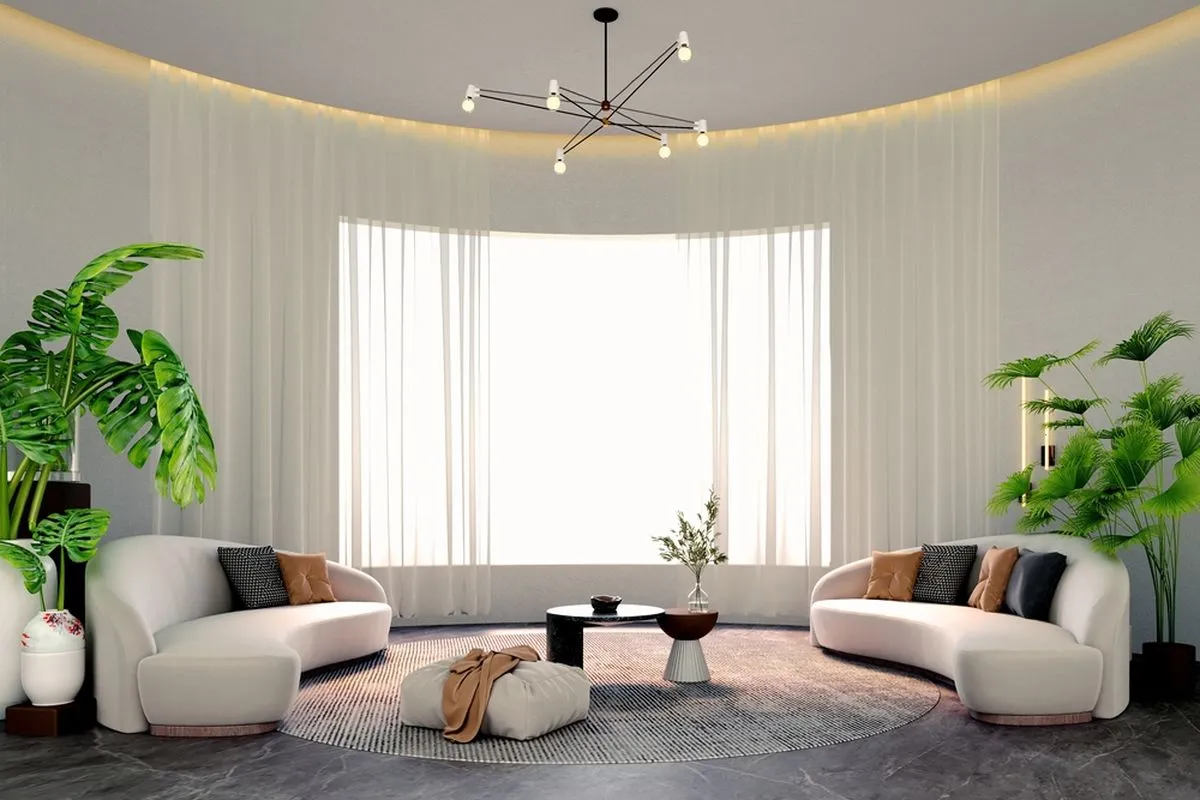
The Psychological Impact of Organic Forms in Interior Design
The human brain’s inherent response to visual stimuli plays a pivotal role in how we perceive and experience interior spaces. Neuro-aesthetics, a field exploring the neurological basis of aesthetic experiences, provides compelling evidence that organic forms, characterized by their flowing lines and lack of sharp angles, elicit a more positive psychological response compared to rectilinear shapes. For centuries, across various cultures, natural forms have been associated with comfort, safety, and tranquility. Sharp angles, conversely, can subconsciously be perceived as rigid, confrontational, or even threatening, a vestige of our evolutionary past where sharp objects might signify danger.
In the context of interior design, this translates into a tangible reduction in visual stress. Curved sofas, with their smooth, continuous lines, mimic natural contours found in landscapes, such as rolling hills or ocean waves. This biophilic connection contributes significantly to a more relaxed and harmonious environment. Instead of the eye halting abruptly at a sharp corner, it is encouraged to glide along the sofa’s curve, creating an uninterrupted visual journey that fosters a sense of calm and ease. Moreover, the embracing quality of a curved sofa naturally promotes intimacy and encourages conversation, drawing occupants into a more cohesive social circle rather than seating them in a rigid, linear arrangement. This effect is particularly pronounced in smaller rooms where the illusion of a soft, protective enclosure can transform a potentially cramped area into a cozy haven.
Conventional, boxy furniture, often characterized by bulky arms and dense visual mass, tends to absorb light and dominate small spaces, making them feel even smaller. Curved sofas, by contrast, possess a lighter visual footprint. Their dynamic form directs the gaze continually, preventing it from settling and emphasizing the boundaries of the room. This visual fluidity tricks the eye into perceiving the space as larger and more open than its actual dimensions.
A Brief History and Modern Resurgence of Curved Furniture
The appeal of curved furniture is not a fleeting trend but a cyclical resurgence rooted in various design eras. From the elaborate rococo styles of the 18th century to the Art Nouveau movement’s embrace of natural forms in the late 19th and early 20th centuries, designers have consistently turned to curves to introduce elegance and softness. The mid-20th century witnessed a significant peak in the popularity of organic shapes, with iconic designers like Eero Saarinen and Charles and Ray Eames creating furniture that celebrated fluidity and ergonomic comfort. These pieces often broke away from the rigid post-war industrial aesthetics, offering a more human-centric design approach.
The current resurgence of curved sofas aligns with a broader contemporary design shift towards "quiet luxury," "cozy minimalism," and "well-being design." As urban populations grow and living spaces shrink, there’s an increased demand for furniture that is both functional and aesthetically pleasing, capable of transforming compact areas without sacrificing style or comfort. The curved sofa, with its blend of sculptural beauty and ergonomic grace, perfectly meets this contemporary need, offering a sophisticated alternative to standard rectangular seating.
Anatomical Considerations for Curved Sofas in Restricted Spaces
Not all curved sofas are created equal, especially when space is at a premium. Selecting the right silhouette is paramount to ensuring the piece enhances rather than overwhelms a small room. Understanding the distinct characteristics of different curved sofa anatomies is crucial for successful integration.
The Crescent Sofa: Symmetrical Serenity
The crescent sofa features a gentle, symmetrical curve that arches gracefully from one end to the other. Its shallow, consistent arc makes it the most adaptable curved option for smaller living rooms, typically ranging from 3×3 meters (approximately 9×9 feet). This form allows for placement relatively close to a wall, yet still provides the visual softness that breaks up rectilinear rigidity. The subtle curve ensures that any residual space behind the sofa can be functionally utilized, perhaps for a slender standing lamp or a small console table, without creating an awkward void. The evenness of its curve also contributes to a balanced aesthetic, making it easy to integrate into various design schemes.

The Kidney Bean (Asymmetrical) Sofa: Organic Adaptability
Characterized by an asymmetrical, often more pronounced curve, the kidney bean sofa typically thickens on one side and tapers on the other. This unique, organic design makes it exceptionally versatile for unconventional layouts or studio apartments where standard furniture might feel clunky. Its ability to tuck neatly into an awkward corner or float elegantly in a room without appearing forced is a significant advantage. The varying depth allows for dynamic seating arrangements, creating focal points and maximizing usability in spaces with irregular dimensions. It often works well as a sculptural element, defining a zone without creating harsh boundaries.
The Semi-Circular Sofa: Grand Statement, Larger Footprint
The semi-circular sofa boasts a deep, almost half-circle curve. While visually striking and capable of creating an incredibly intimate conversational grouping, its substantial footprint demands considerable space. As a general guideline, rooms under 15 square meters (approximately 160 square feet) should generally avoid this style, unless it is intended to be the sole significant piece of furniture and the room’s central design statement. In larger open-plan environments, a semi-circular sofa can anchor a seating area beautifully, but its expansive curve can quickly overwhelm and restrict movement in more compact settings.
Strategic Layouts for Maximizing Space with Curved Sofas
The true magic of a curved sofa in a small room lies not just in its form but in its strategic placement. Moving beyond the conventional practice of pushing furniture against walls can unlock new dimensions of spatial perception and functionality.
The Central Placement: Defining Zones and Enhancing Flow
Contrary to popular belief, pulling a curved sofa away from the wall and positioning it towards the center of the room can paradoxically make the space feel larger and more intentional. The beautifully sculpted back of a curved sofa, often upholstered to perfection, becomes an additional decorative element. This central placement opens up a circulation path behind the sofa, creating an uninterrupted flow around the furniture piece. This not only enhances ease of movement but also lends a more structured and thoughtfully curated aesthetic to the room, preventing it from feeling cluttered or haphazard. The space behind can be utilized for a narrow console, an art display, or even a small, unobtrusive reading nook, demonstrating how "dead space" can be creatively repurposed.
Diagonal in the Corner: Softening Angles, Adding Depth
For rooms with challenging corners or limited central space, positioning a crescent or kidney bean sofa diagonally in a corner offers an ingenious solution. The inner curve of the sofa naturally faces the center of the room, inviting engagement, while its back subtly masks the often-awkward dead space of the corner. This approach softens the sharp ninety-degree angle of the room, introducing a dynamic element. The triangular void created behind the sofa can then be filled with a tall, slender plant, a sculptural floor lamp, or a strategically placed piece of art, adding vertical interest and depth without obstructing the primary seating area.
Window as a Backdrop: Highlighting Form and Texture
Leveraging natural light can dramatically enhance the perception of space. Placing a curved sofa in front of a large window, maintaining a deliberate gap of approximately 30-40 cm (12-16 inches) between the sofa and the glass, allows sunlight to beautifully illuminate the sofa’s unique form and upholstery texture. This setup transforms the window into a natural backdrop, drawing the eye towards the outside and creating an illusion of depth beyond the room’s physical boundaries. The interplay of light and shadow on the sofa’s curves adds a dynamic visual element, making the furniture itself a focal point.
Open-Plan Partitioning: Seamless Division, Uninterrupted Connection
In open-plan living concepts, defining distinct functional zones without erecting physical barriers is crucial. A curved sofa excels in this role, acting as a soft, organic partition between areas such as the living room and dining space. The back of the sofa serves as a subtle divider, guiding movement and suggesting separate functions without obstructing sightlines or impeding the flow of air and conversation. This method maintains the open, airy feel of the layout while providing necessary visual cues for different activities, making the transition between zones feel natural and fluid.
Thoughtful Pairing: Accent Chairs for Boutique Elegance
When furnishing a small living room with a curved sofa, resist the temptation to pair it with another long, straight sofa, which can quickly overwhelm the space. Instead, opt for one or two smaller, rounded accent chairs. These chairs should complement the sofa’s organic lines, perhaps featuring similar curves or rounded silhouettes. This arrangement not only preserves valuable floor space but also evokes the sophisticated, inviting ambiance of a boutique hotel lobby, promoting intimate conversation and an uncluttered aesthetic.

The Tactile Dimension: Upholstery Choices for Enhanced Ambiance
The choice of upholstery material significantly influences the overall feel and perceived size of a room. For curved sofas in compact spaces, certain textures can enhance warmth, light reflection, and visual interest without adding bulk.
Boucle: Cloud-like Comfort and Subtle Light Play
Boucle fabric, with its distinctive curly, looped texture reminiscent of sheep’s wool, has surged in popularity for its inviting softness and tactile appeal. Its irregular surface reflects light in a diffuse manner, subtly disguising the true dimensions of the sofa and the room. This texture creates an illusion of plushness and comfort, making the sofa appear as a soft, cloud-like anchor in the space. Boucle is particularly effective in creating a cozy yet sophisticated atmosphere, aligning with trends focused on comfort and natural textures.
Velvet: Luxurious Depth and Dynamic Shadows
Velvet, synonymous with elegance and luxury, is another excellent choice for curved sofas. The way velvet catches and reflects light accentuates the sofa’s curves, creating a captivating interplay of dark and light gradations. This dynamic visual effect adds depth and character to the furniture. For smaller spaces, it is advisable to select a matte-finish velvet in rich, solid jewel tones like emerald green, sapphire blue, or mustard yellow. These colors provide a sophisticated pop of color without overwhelming the room, allowing the sofa to become a striking focal point.
Thick Linen: Effortless Elegance for Japandi and Scandinavian Styles
For those gravitating towards minimalist aesthetics such as Japandi or Scandinavian design, a thick linen upholstery offers understated elegance. Linen’s natural, slightly rumpled quality contributes to a lived-in, comfortable feel that belies its inherent sophistication. When paired with a light-colored oak frame, linen fabric creates a serene and organic look. Its breathability and natural texture add warmth without visual weight, making it ideal for creating a calm and inviting atmosphere in smaller, light-filled rooms.
Harmonizing Elements: Companion Furniture and Accessories
The success of a curved sofa in a small living room also hinges on the thoughtful selection of its accompanying furnishings. Each piece should contribute to the overall curvilinear narrative and spatial harmony.
Coffee Tables: Embracing Curves and Organic Forms
A cardinal rule for pairing with a curved sofa is to avoid sharp-edged, rectangular coffee tables. Their rigid lines will clash with the sofa’s organic flow and can create uncomfortable obstructions for legs when seating. Instead, opt for round, oval, or irregularly shaped coffee tables. Materials like natural wood, polished stone, or even glass with rounded edges can complement the sofa’s form, maintaining visual continuity and facilitating easy movement around the seating area. Nesting tables, with their varying heights and ability to be tucked away, are particularly advantageous for compact spaces.
Area Rugs: Anchoring the Zone with Softness
A well-chosen rug can define the seating zone and enhance the perception of space. Round or large asymmetrical rugs are ideal companions for curved sofas, echoing their organic forms. If a rectangular rug is preferred, ensure it is large enough to extend comfortably beyond the sofa’s footprint, with at least the front two legs of the sofa resting on it. This grounds the seating area and prevents the rug from looking like a floating island. Opt for rugs with thick, plush textures or abstract, flowing patterns that contribute to the room’s soft aesthetic without introducing jarring geometric elements.
Lighting: Sculptural Illumination
Lighting fixtures can act as sculptural elements that reinforce the room’s design narrative. A classic pairing for a curved sofa is an arc floor lamp, which gracefully extends its arm from behind the sofa, arching over a coffee table. This not only provides targeted illumination but also visually mirrors the sofa’s curve. For sofas positioned centrally, integrating warm white LED strip lighting discreetly beneath the base can create a soft, ambient glow, giving the illusion that the sofa is gently floating above the floor, adding an ethereal quality and depth to the space.

The Psychology of Color: Neutral Palettes and Earthy Accents
Color plays a critical role in influencing how a room feels. For small spaces, the right color palette can enhance the perception of openness and warmth.
Neutral Foundations: Cream, Taupe, and Ivory
Steer clear of stark, clinical white, which can sometimes feel unwelcoming in a residential setting. Instead, embrace warm neutral tones such as cream, taupe, or ivory for both the sofa upholstery and the surrounding walls. These colors gently reflect natural and artificial light, making a small room feel airier and more expansive. They provide a soothing backdrop that allows the curved sofa’s form to stand out subtly without overwhelming the senses.
Earthy Accents: Terracotta, Olive, and Mustard
For those desiring a bolder statement, consider a curved sofa upholstered in a rich, earthy accent color like terracotta, deep olive green, or warm mustard. These colors infuse personality and warmth into the room. When opting for a vibrant sofa, it is crucial to maintain neutral tones for the walls, floor, and other large furniture pieces. This strategy ensures the curved sofa remains the undisputed focal point, preventing the space from feeling cluttered or visually chaotic. The grounding effect of earthy tones adds depth and sophistication.
Avoiding Common Pitfalls: Mastering Curved Sofa Placement
Even with the perfect curved sofa, incorrect placement can undermine its aesthetic and functional benefits. Awareness of common mistakes is key to successful integration.
The Wall Gap: Embracing the Curve
One of the most frequent errors is attempting to push a curved sofa flush against a straight wall. Due to its inherent curvature, only the central portion of the sofa’s back will make contact with the wall, leaving unsightly and dust-collecting gaps at both ends. To properly showcase the sofa’s elegant form and allow its curve to breathe, maintain a deliberate distance of 10-20 cm (4-8 inches) from the wall. This small gap allows the entire silhouette to be appreciated and creates a subtle shadow line that adds depth.
Scale and Circulation: The Flow Imperative
Choosing a curved sofa that is disproportionately large for the room is another common misstep. While the form itself is space-enhancing, an oversized piece will still physically dominate. Always ensure there is an adequate circulation path—ideally 60-80 cm (24-32 inches)—on both sides of the sofa. This clear pathway is essential for ease of movement and prevents the room from feeling congested or difficult to navigate. Measure both the sofa and the room meticulously before purchase.
Cushion Clutter: Less is More
The sculptural beauty of a curved sofa is often its most compelling feature. Overloading it with an excessive number of throw pillows, especially those with busy patterns or bulky forms, can obscure its unique silhouette. Instead, opt for a minimalist approach. A single, small round cushion or a tastefully draped knit throw blanket at one end of the sofa is often sufficient to add comfort and a touch of personalization without detracting from the sofa’s inherent elegance. The goal is to highlight, not hide, the curves.
Tailored Applications for Challenging Spaces
The versatility of curved sofas shines brightest when applied to specific, often challenging, room configurations.

The 3×3 Meter Square Room: Dynamic Angles and Lightness
In a compact 3×3 meter (approximately 9×9 feet) square living room, a traditional L-shaped sofa can often block crucial pathways and make the space feel heavy. Replacing it with a crescent-shaped sofa, ideally no longer than 180 cm (approximately 70 inches), positioned diagonally in one corner, can be transformative. Complement this with a round area rug that extends beneath the sofa and a set of nesting coffee tables. This arrangement introduces dynamic angles, maintains an open central area, and creates a sense of lightness and fluidity that a rectilinear sofa cannot.
The Long, Narrow Room: Breaking the "Train Carriage" Effect
Long, narrow rooms often suffer from a "train carriage" effect, feeling more like a corridor than a distinct living space. Placing a curved sofa in the middle of the room, facing a television or a focal point, can effectively break up this linearity. The sofa acts as a visual anchor, creating a distinct seating zone and interrupting the long sightline. The space behind the sofa can then be creatively utilized for a compact reading nook, a console table with decorative items, or a subtle home office setup, turning a perceived disadvantage into a functional asset.
Studio Apartments: Defining Zones Without Walls
In studio apartments, where the bedroom and living area often merge without clear boundaries, a small curved sofa can serve as an elegant and non-invasive room divider. Positioned at the foot or side of the bed, the back of the sofa naturally creates a soft partition, subtly demarcating the sleeping zone from the lounging area. This provides a psychological and visual separation without the need for bulky screens or permanent structures, maintaining the open feel while adding functional definition to the compact living space.
Preserving Elegance: Care and Maintenance of Textured Upholstery
The unique textures that enhance the visual appeal of curved sofas also require specific care to maintain their beauty and longevity.
Boucle Care: Gentle Grooming
Boucle fabric, with its characteristic loops, can be prone to snagging. Should a thread become loose, resist the urge to pull it, as this can unravel more of the fabric. Instead, carefully trim the loose thread with a sharp pair of scissors. To prevent dust and debris from settling within its intricate texture, vacuum boucle upholstery at least twice a week using a soft brush attachment. Regular, gentle maintenance helps preserve its plush, cloud-like appearance.
Velvet Care: Maintaining the Pile
Velvet is known for its luxurious sheen but can easily show impressions from sitting or pressure. To restore its even pile, gently brush the fabric in the direction of the nap using a soft-bristled clothes brush. In the event of a spill, resist rubbing the area, which can damage the pile and spread the stain. Instead, gently blot the liquid with a clean, absorbent microfiber cloth. For deeper cleaning or persistent stains, professional upholstery cleaning is recommended to ensure the delicate fibers are handled correctly.
Conclusion
The strategic integration of curved sofas represents a sophisticated and highly effective approach to design, particularly within the constraints of smaller living spaces. By embracing organic silhouettes, homeowners can fundamentally re-envision the flow and perception of their interiors, guiding the eye along gentle curves rather than confronting rigid angles. From the careful selection of sofa anatomy to its intelligent placement away from confining walls, and from the tactile richness of upholstery choices to the harmonious pairing with complementary furniture, each element contributes to a cohesive and expansive aesthetic. This nuanced approach demonstrates that a truly warm, inviting, and visually enlarged living environment is achieved not through costly renovations, but through a keen understanding of design principles and the power of smart, sculptural furniture.