Tyo Susilo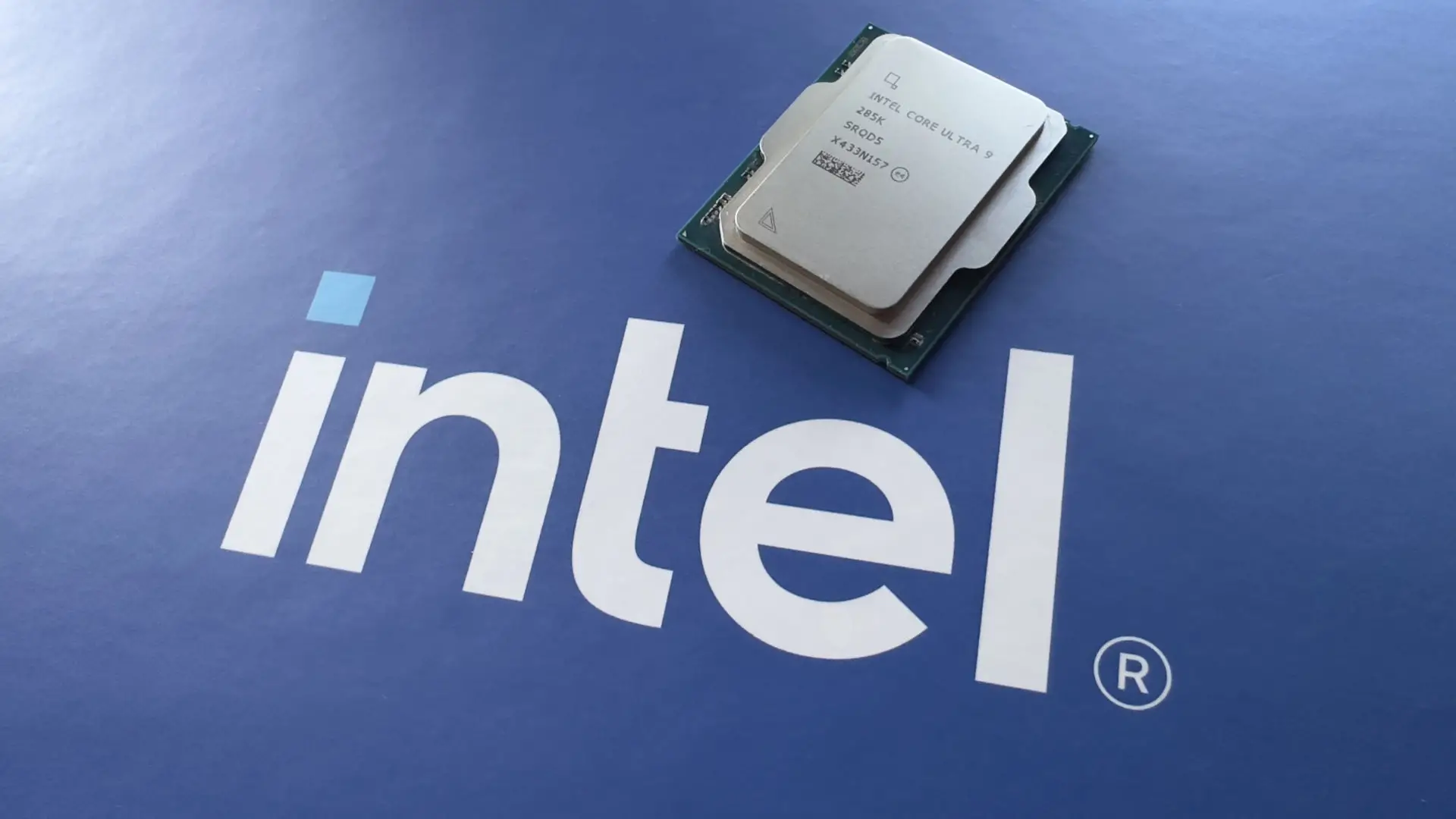
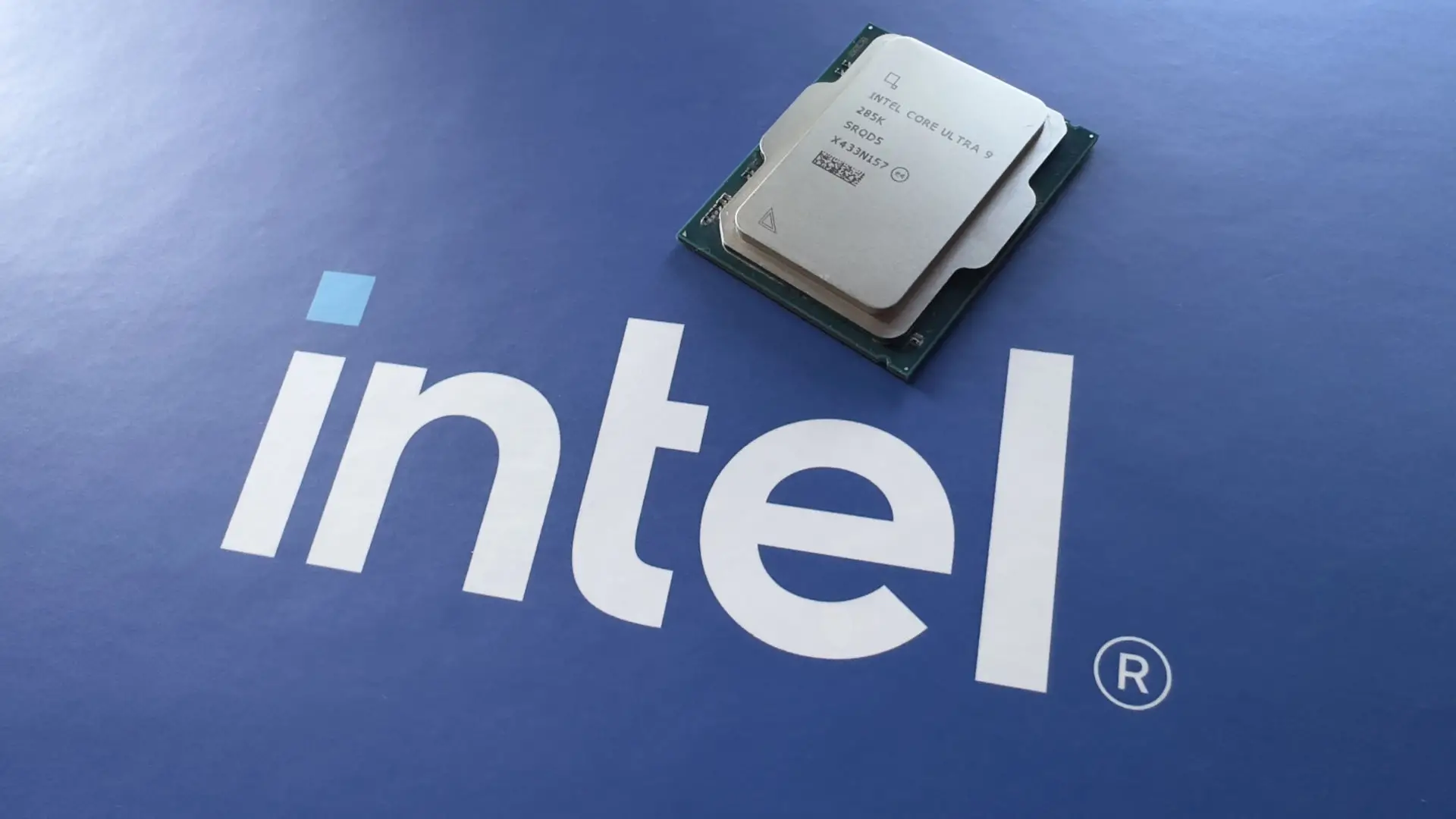
Intel is reportedly charting an ambitious course for its next generation of Central Processing Units (CPUs) and System-on-Chips (SoCs), with leaked development plans hinting at a groundbreaking collaboration with long-time rival NVIDIA. At the forefront of these revelations is the emergence of "Serpent Lake," a codename designated for a new CPU lineage expected to succeed the current Titan Lake architecture. This forward-looking initiative, slated for a market debut between 2028 and 2029, signals a significant strategic shift for the semiconductor giant.
A Bold Alliance: Serpent Lake and NVIDIA’s RTX Architecture
The most striking aspect of the Serpent Lake development is the potential integration of NVIDIA’s esteemed RTX GPU tile technology directly into Intel’s SoCs. If this collaboration materializes as suggested by internal leaks, it would mark a historic first: the fusion of Intel’s x86 CPU architecture with NVIDIA’s proprietary RTX graphics processing intellectual property on a single chip. Analysts suggest the underlying GPU architecture would likely draw from NVIDIA’s "Rubin" generation or its successors, indicating a commitment to cutting-edge graphics performance.
This proposed integration aligns with a design philosophy reminiscent of AMD’s high-performance "Halo" SoCs. By consolidating powerful CPU and GPU capabilities into a unified package, Intel appears to be targeting the premium segment of the computing market, catering to users with demanding workloads that span from professional content creation to high-end gaming and complex scientific simulations. The synergy between Intel’s established CPU prowess and NVIDIA’s leading-edge graphics could unlock unprecedented performance levels for integrated graphics solutions, potentially blurring the lines between discrete and integrated GPU performance.
Evolving CPU Architectures: Copper Shark and Golden Eagle
Beyond the GPU integration, Intel is also reportedly developing entirely new CPU core architectures for its future generations. The performance-oriented "P-Cores" are slated to adopt a design codenamed "Copper Shark," while the efficiency-focused "E-Cores" will be based on "Golden Eagle." This continued commitment to a distinct design for P-Cores and E-Cores suggests that Intel’s hybrid architecture strategy, which has proven successful in balancing performance and power efficiency, will persist.
The introduction of these new core codenames signifies ongoing research and development into optimizing both raw processing power and energy efficiency. "Copper Shark" is expected to represent advancements in IPC (Instructions Per Clock) and clock speed capabilities, pushing the boundaries of what x86 processors can achieve. Simultaneously, "Golden Eagle" will likely focus on further refining power consumption, enabling longer battery life in mobile devices and reduced energy footprints in desktops and servers.
A Glimpse into the Future: Timeline and Development Stages
The projected release window of 2028-2029 for Serpent Lake places it firmly in Intel’s long-term product roadmap. This timeframe allows for the extensive research, development, and validation required for such a complex and novel integration. The semiconductor industry typically operates on multi-year development cycles, and these leaked plans suggest Intel is investing heavily in future technologies.
Prior to Serpent Lake, Intel’s product evolution path is expected to include other significant advancements. The "Titan Lake" generation, mentioned as the predecessor to Serpent Lake, would likely represent a more evolutionary step, refining existing architectures. The mention of "Razer Lake-AX" currently undergoing testing on the BGA 4326 socket, a socket previously utilized for the now-canceled "Nova Lake-AX," further underscores Intel’s ongoing experimentation with different SoC designs and packaging technologies. This iterative process is crucial for ironing out complexities and ensuring the eventual stability and performance of their flagship products.
The "Unified Core" Debate and Intel’s Strategy
The persistent rumors surrounding Intel’s exploration of "unified cores"—a single core design capable of handling both performance and efficiency tasks—remain a point of intrigue. However, recent information suggests that this concept has not yet been implemented in near-term generations. The continued reliance on separate P-Core and E-Core designs indicates that Intel prioritizes a more measured approach to architectural shifts, focusing on maximizing the strengths of its current hybrid design philosophy before a potential, more radical overhaul.
This strategic decision to maintain distinct P-Core and E-Core designs for the foreseeable future likely stems from a desire to leverage the proven performance gains and power efficiency benefits of their current approach. A full transition to unified cores would represent a significant architectural departure, requiring extensive redesign and revalidation. Intel’s cautious progression allows them to adapt to market demands and technological advancements incrementally, mitigating risks associated with large-scale architectural changes.
Implications for the Computing Landscape
The potential partnership between Intel and NVIDIA for integrated graphics represents a seismic shift in the competitive landscape. Historically, Intel has relied on its integrated graphics solutions, often sufficient for everyday tasks but lagging behind the performance of discrete GPUs from NVIDIA and AMD for demanding applications. This collaboration could fundamentally alter that dynamic.
For the PC Market:

- Premium Laptops: The integration of RTX-class GPUs within Intel SoCs could lead to significantly more powerful and thinner laptops, capable of handling professional creative workflows and high-fidelity gaming without the need for bulky discrete GPUs. This could democratize access to high-performance graphics for a wider range of mobile users.
- Desktop PCs: While discrete GPUs will likely remain dominant for the absolute highest-end gaming and professional workstations, Intel’s integrated solutions could become increasingly viable for mainstream gaming and productivity, potentially lowering the entry cost for capable systems.
- Market Competition: This move would intensify competition in the integrated graphics space, forcing AMD to innovate further with its Radeon graphics. It could also create new avenues for Intel to compete in markets historically dominated by AMD’s APUs.
Broader Industry Impact:
- Strategic Alliances: The willingness of two formerly fierce rivals to collaborate on core technologies signals a new era of strategic partnerships driven by the pursuit of technological advancement and market dominance. This could inspire further collaborations across the industry.
- Supply Chain and Manufacturing: The manufacturing of such complex SoCs would require close coordination between Intel and NVIDIA, potentially involving advanced fabrication processes and specialized testing methodologies. This could lead to new efficiencies and challenges in the semiconductor supply chain.
- Software Ecosystem: The integration of NVIDIA’s GPU architecture would likely bring with it NVIDIA’s extensive software ecosystem, including CUDA, OptiX, and AI-focused libraries. This could accelerate the adoption of NVIDIA’s technologies across a broader range of Intel-powered devices.
Background and Context
Intel and NVIDIA have a long history of competition, particularly in the discrete GPU market where NVIDIA has largely dominated for years. Intel’s integrated graphics, while ubiquitous, have traditionally been positioned for lower-power devices and basic graphical tasks. The decision to explore deep integration with NVIDIA’s technology suggests a recognition of the growing demand for powerful graphics capabilities in mainstream computing and a strategic pivot to leverage external expertise.
The semiconductor industry is in a constant state of evolution, driven by increasing demands for performance, efficiency, and new functionalities such as AI acceleration. Companies are increasingly exploring modular designs and strategic partnerships to accelerate innovation and maintain a competitive edge. The leaked plans for Serpent Lake are a prime example of this trend, showcasing a bold vision for the future of personal computing.
Potential Reactions and Inferences
While official statements from Intel and NVIDIA remain undisclosed, it is reasonable to infer that such a development would be met with significant interest and scrutiny from industry analysts, competitors, and consumers alike.
- Competitors: AMD, a key player in both CPU and GPU markets, would undoubtedly be closely monitoring these developments. The success of Serpent Lake could necessitate a strategic re-evaluation of their own product roadmaps, particularly concerning their APU offerings.
- Software Developers: Developers leveraging GPU acceleration for applications ranging from gaming to scientific computing would likely welcome the increased availability of high-performance integrated graphics, potentially leading to broader optimization efforts.
- Consumers: For consumers, this could translate into more powerful, versatile, and potentially more affordable computing devices. The prospect of high-end graphics capabilities in everyday laptops without the premium cost of a discrete GPU is a compelling one.
Conclusion
The emergence of "Serpent Lake" and its purported collaboration with NVIDIA represent a significant and potentially transformative development in the semiconductor industry. By integrating NVIDIA’s RTX GPU technology into its next-generation SoCs, Intel is signaling an aggressive push into the high-performance computing arena. Coupled with advancements in its own CPU core architectures, "Copper Shark" and "Golden Eagle," Intel appears poised to redefine the capabilities of integrated computing solutions. While these plans are still in their nascent stages and subject to change, the potential implications for the future of laptops, desktops, and the broader computing ecosystem are immense. The industry will be watching closely as Intel navigates this ambitious new path.