Nila Kartika Wati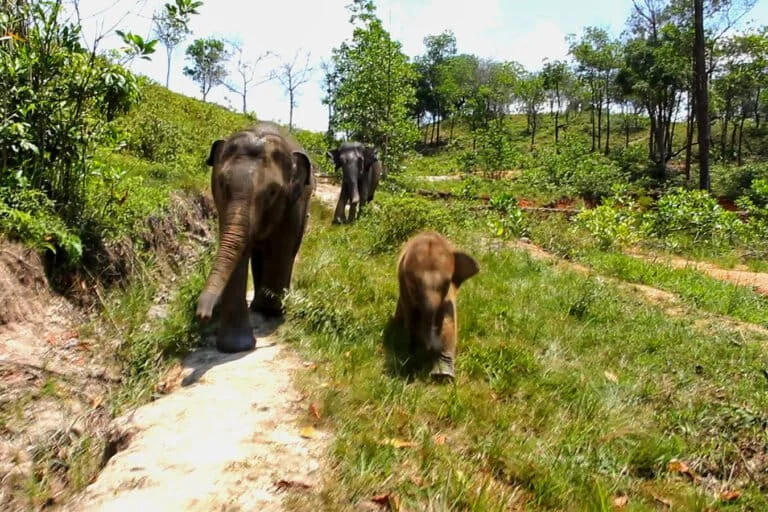
The Directorate General of Law Enforcement at the Ministry of Forestry (Gakkum Kemenhut) has launched a high-level investigation into the death of a Sumatran elephant (Elephas maximus sumatranus) named Ratna at the R Zoo and Park in Serdang Bedagai, North Sumatra. The facility, owned by businessman and conservationist Rahmat Shah, has come under intense scrutiny from both government officials and animal welfare advocates following the animal’s passing, which occurred less than six months after its controversial relocation. On Thursday, March 12, 2026, a specialized team of investigators from the Gakkum Ministry arrived at the North Sumatra Natural Resources Conservation Agency (BBKSDA) to begin a forensic audit of the events leading to the elephant’s death. This investigative team includes prominent veterinary experts and pathologists from Gadjah Mada University (UGM) to ensure a transparent and scientifically rigorous assessment of the case.
Observers at the BBKSDA North Sumatra office reported a day of high-stakes activity as investigators conducted closed-door meetings and processed a significant volume of documentation. The presence of academic experts from UGM underscores the gravity of the situation, as the Sumatran elephant is a critically endangered species protected under both Indonesian law and international CITES appendices. The investigation seeks to determine whether the death was the result of natural causes, pre-existing conditions, or potential negligence in the management and environmental standards of the private zoo.
Ristianto Pribadi, Head of the Bureau of Public Relations and International Cooperation at the Ministry of Forestry, confirmed on Friday, March 13, 2026, that the ministry is prioritizing this case. He emphasized that the Directorate General of Gakkum regularly monitors conservation institutions, including private zoos, to ensure that the management of protected wildlife adheres to strict national standards. According to Ristianto, the initial information suggests that Ratna’s health had been in decline even before her transfer to R Zoo and Park. However, he maintained that the investigation must be objective and transparent to maintain public trust in conservation efforts. He further clarified that R Zoo and Park had not kept the elephant in a cramped enclosure but had provided an area allowing for sufficient movement under the supervision of professional mahouts.
A Chronology of Displacement and Health Struggles
The life of Ratna, the deceased elephant, serves as a poignant narrative of the challenges faced by Sumatran elephants caught in the crosshairs of habitat loss and human-wildlife conflict. According to records and testimonies from veteran investigators, Ratna’s history of medical issues dates back over three decades. Sayuti Malik, an Elephant Captive Investigator from Bio Wildlife, noted that Ratna suffered a severe injury to her front left leg in 1995 during a transfer from Palembang to a training center in Labuhan Batu Selatan. Despite this chronic injury, which left a deep, hole-like wound, Ratna showed remarkable resilience. During her time at the training center, she successfully gave birth to a male calf named Louis Figo, who currently resides at the Aek Nauli conservation site.
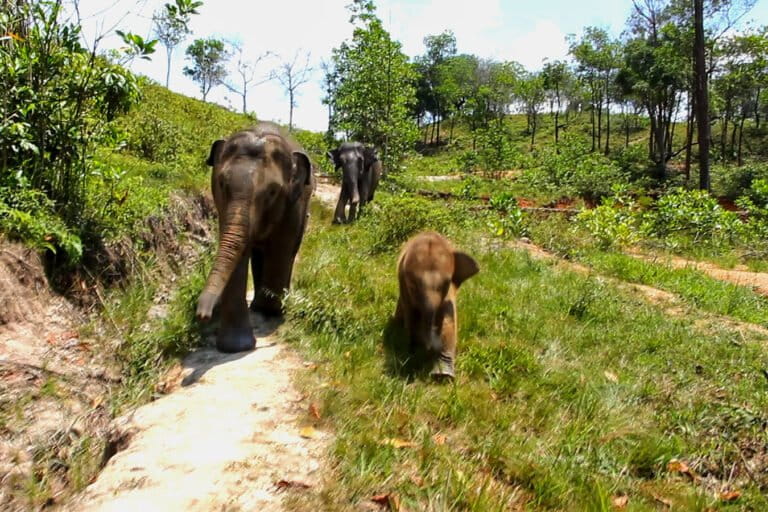
In recent years, institutional instability at various training centers led to several relocations for Ratna. She was eventually moved to the Barumun Nagari Wildlife Sanctuary (BNWS), where she received specialized care, including daily cleaning of her leg wound with warm water and antiseptics. However, following administrative and management turmoil at Barumun Nagari, the BBKSDA Sumut decided to redistribute the elephants. Four individuals, including Ratna, were sent to R Zoo and Park in November 2025, while three others were returned to state-run training centers.
Upon her arrival at R Zoo and Park, Ratna was reportedly in stable condition, although her leg wound remained a chronic issue. By early 2026, her health began to deteriorate rapidly. Andar Abdi Saragih, Head of Administration at BBKSDA North Sumatra, explained that a chronic fistula in her front left leg required surgical intervention. While the surgery was initially deemed successful, and Ratna regained consciousness and activity, her recovery did not follow the expected trajectory. She soon lost her appetite and suffered from chronic diarrhea, prompting veterinarians to conduct blood chemistry tests. These tests revealed the early signs of organ failure, specifically affecting the kidneys and liver.
Medical Findings and the "Multifactorial" Cause of Death
Dr. Anhar Lubis, the lead veterinarian who treated Ratna during her final days, provided a detailed clinical evaluation of the elephant’s passing. The necropsy results and laboratory tests indicated that the primary cause of death was a systemic failure of vital organs, specifically the liver and kidneys. The medical team also noted complications in the heart and digestive tract. Dr. Lubis characterized the condition as "multifactorial," suggesting that a combination of advanced age, the long-term stress of chronic injury, and a compromised immune system led to the terminal decline.
The veterinarian explained that Ratna’s initial physical condition was suboptimal, which limited the ability of her internal organs to process nutrients effectively. This metabolic failure eventually cascaded into total organ collapse. Following her death, the elephant’s remains were buried within hours, and officials have stated there are currently no plans for taxidermy or preservation of the carcass.
Environmental Concerns and Criticisms of Zoo Management
The official medical explanation has not silenced critics who believe that the environment at R Zoo and Park may have played a role in the elephant’s death. Sayuti Malik of Bio Wildlife has raised significant concerns regarding the quality of the water supply at the facility. He pointed out that the zoo is located in close proximity to commercial livestock operations, including cattle and poultry farms. Malik suspects that waste and runoff from these farms may have contaminated the water source used by the elephants.
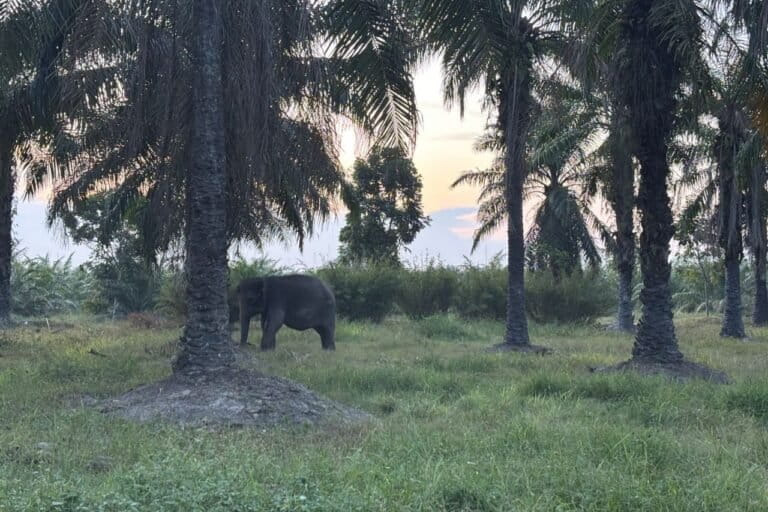
"If BBKSDA Sumut claims the water quality has been tested and found to be good, I remain skeptical," Malik stated. He has called for an independent team to re-evaluate the environmental standards at R Zoo, arguing that poor water quality is a known trigger for the digestive and organ issues observed in Ratna. Furthermore, Malik questioned the very rationale of moving a geriatric, injured elephant to a private zoo. He argued that R Zoo and Park lacks a proven track record in specialized elephant husbandry, particularly for the Sumatran subspecies.
Animal welfare advocates have long argued that elephants in private zoos are often treated as "exhibits" rather than conservation subjects. There are fears that the increased contact with humans and the potential for "performance-based" training at such facilities place undue stress on animals that are already vulnerable. Malik suggested that Aek Nauli, which offers a habitat more closely resembling the wild, would have been a far more appropriate destination for an elephant with Ratna’s medical history.
Institutional Defense and Population Management Goals
In response to the mounting criticism, Arisa Mukharliza, Head of Conservation and Life Science at Yayasan Rahmat Indonesia (the foundation overseeing R Zoo), defended the facility’s protocols. She emphasized that wildlife management is a complex field where health issues are often the result of long-term factors rather than single events. "The handling of our animals is based on direct observation, technical considerations, and comprehensive internal evaluations," she stated. Mukharliza welcomed the external scrutiny as a sign of public care for the species but insisted that decisions were made based on professional assessments of the actual conditions on the ground.
The Ministry of Forestry has framed the relocation of elephants to various conservation institutions as a strategic move to manage the captive population. Ristianto Pribadi explained that spreading the population across multiple sites is intended to prevent inbreeding and support the sustainability of captive breeding programs. By diversifying the locations of these animals, the ministry aims to create a "safety net" for the species’ genetic health.
Broader Implications for Sumatran Elephant Conservation
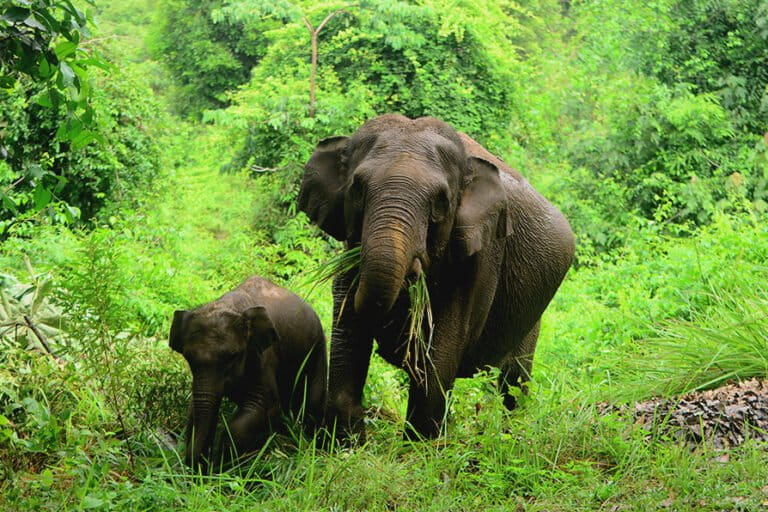
The death of Ratna highlights the precarious state of the Sumatran elephant, whose population has plummeted due to deforestation, poaching, and habitat fragmentation. Current estimates suggest that fewer than 2,800 Sumatran elephants remain in the wild. This scarcity places an enormous weight on the shoulders of "Lembaga Konservasi" (Conservation Institutions) to maintain the highest standards of welfare.
The Gakkum investigation is expected to have broad implications for how private zoos are regulated in Indonesia. If the probe finds evidence of negligence or environmental mismanagement, it could lead to the revocation of permits or the mandatory transfer of other protected animals to state-run sanctuaries. Furthermore, the case has reignited a national debate on the ethics of using critically endangered species for zoo-based tourism.
As the investigation continues, the Ministry of Forestry has promised to strengthen the oversight of all conservation institutions. This includes a planned review of population management standards, breeding programs, and animal welfare benchmarks. For the conservation community, the death of Ratna is a somber reminder that for a species on the brink of extinction, every individual life represents the survival of the lineage, and the failure to protect them in captivity is a setback that the world can ill afford. The final report from Gakkum and the UGM experts is expected to be released in the coming weeks, providing a definitive answer to a death that has remained "unclear" for too long.