Nila Kartika Wati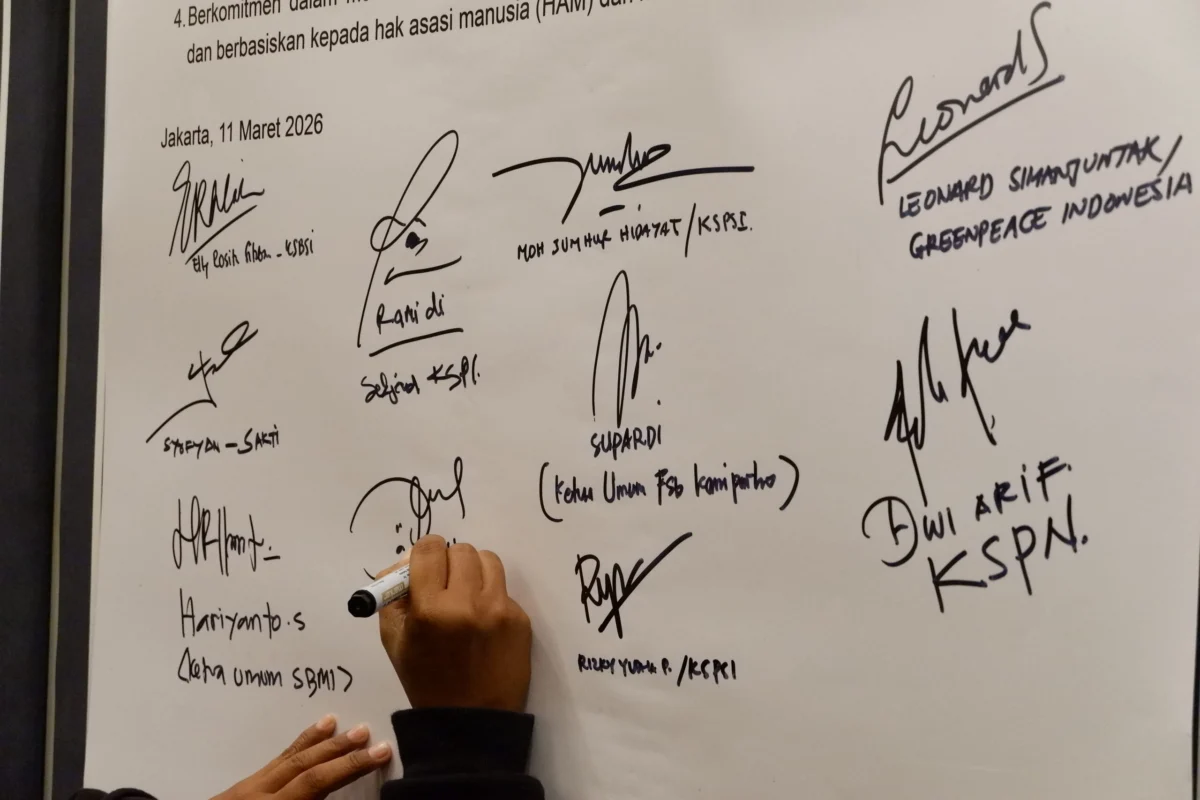
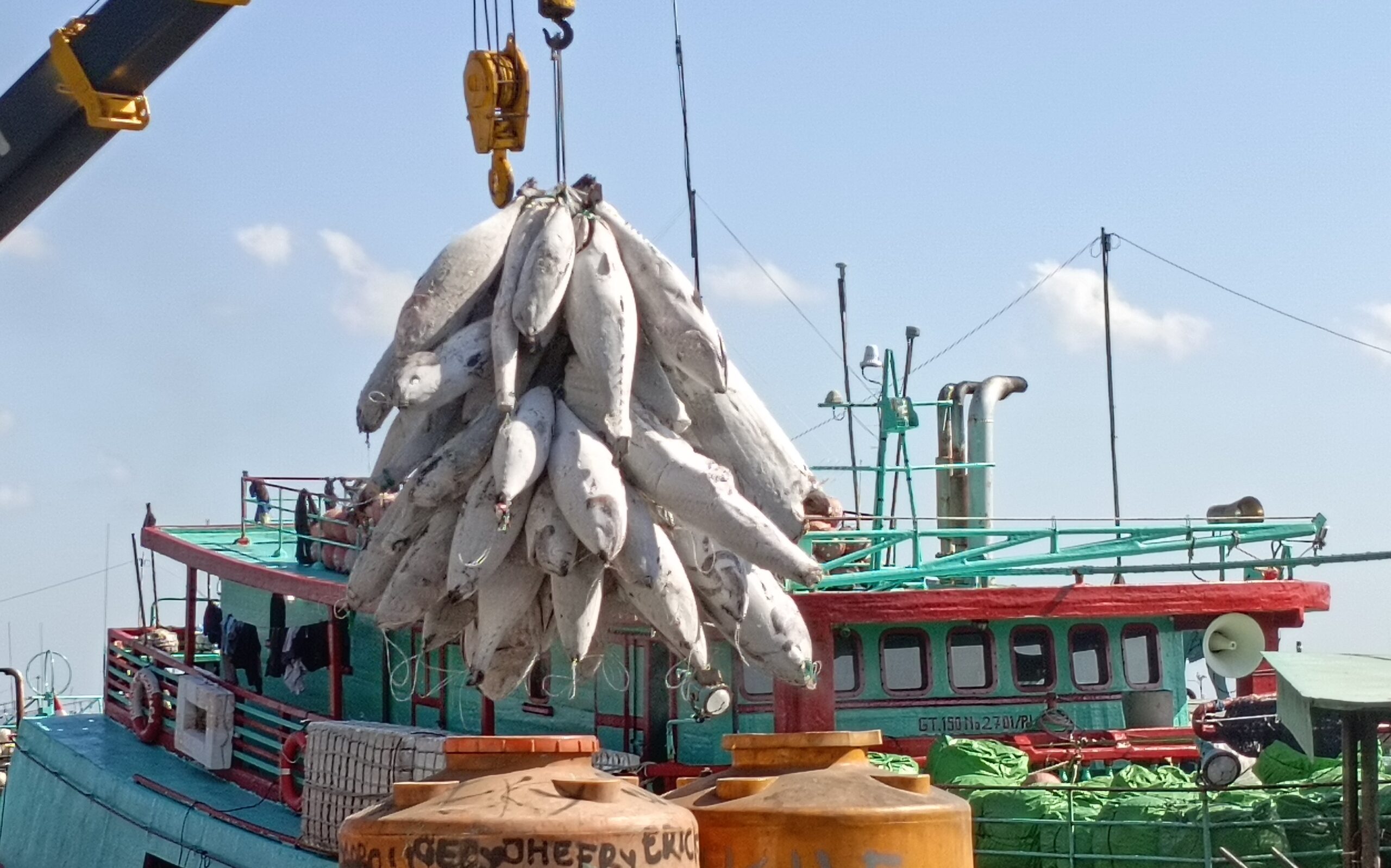
Indonesia currently stands as a global titan in the fisheries sector, contributing approximately 19% of the world’s total tuna production. However, beneath the surface of this multibillion-dollar industry lies a pervasive and "dark" reality concerning the treatment of its workforce. A comprehensive investigative report, jointly released by Greenpeace Southeast Asia and the Uniting Church in Australia, has uncovered harrowing evidence of forced labor affecting Indonesian migrant and domestic fishers. The investigation, which tracked the activities of 17 Indonesian-flagged vessels, reveals that tuna caught under conditions of modern slavery is systematically entering the Australian consumer market.
The report, titled with a focus on the exploitation within the Indonesian-Australian tuna supply chain, highlights the testimonies of 25 crew members (Awak Kapal Perikanan or AKP) who operated across these vessels. The findings paint a grim picture of a recruitment and operational system designed to exploit the economic vulnerabilities of workers from rural Indonesia, trapping them in cycles of debt and physical exhaustion while their catch fills the shelves of major international retailers.
Methodology and the Scope of Exploitation
The investigation was conducted through extensive interviews with crew members at four of Indonesia’s most critical tuna landing hubs: Kendari in Southeast Sulawesi, Bitung in North Sulawesi, Benoa in Bali, and the capital, Jakarta. To ensure a rigorous assessment of the working conditions, the researchers utilized the 11 indicators of forced labor established by the International Labour Organization (ILO). These benchmarks are derived from several international frameworks, including ILO Convention C-29 (Forced Labour Convention), Convention C-188 (Work in Fishing Convention), and the ILO Handbook for Detection of Forced Labour in Commercial Fishing.
The analysis of the 25 testimonies revealed that the most prevalent forms of abuse were the abuse of vulnerability (56% of cases), debt bondage (56%), and deception (40%). Other indicators identified included the withholding of identity documents, physical violence, and intimidation. The report suggests that these abuses are not isolated incidents but are indicative of systemic failures in the oversight of the Indonesian fishing fleet.
The Cycle of Deception: From Rural Villages to the High Seas
The journey into forced labor often begins far from the ocean. According to Sihar Silalahi, a Marine Campaigner for Greenpeace Indonesia, recruitment agents—often referred to as "calos" or brokers—specifically target individuals from impoverished rural areas where stable employment is scarce. These brokers use manipulative tactics, offering the promise of high wages and immediate cash loans to entice workers.
"This vulnerability is what they exploit," Silalahi explained during the report’s launch in Jakarta. "They are lured with the prospect of high salaries and easy access to finance. For someone facing severe financial hardship, this is an offer they feel they cannot refuse."
Once the workers agree to join, the reality shifts. Brokers frequently impose illegal and exorbitant fees for travel, training, and document preparation that were never part of the original agreement. This immediately places the worker in a state of debt bondage. To further solidify control, brokers and vessel owners often seize the workers’ passports, seafarer books, and personal belongings upon their arrival at the port. By the time the vessel reaches the high seas, the crew is entirely dependent on and controlled by the ship’s captain and owners.
Life at Sea: 18-Hour Days and "Ghost" Voyages
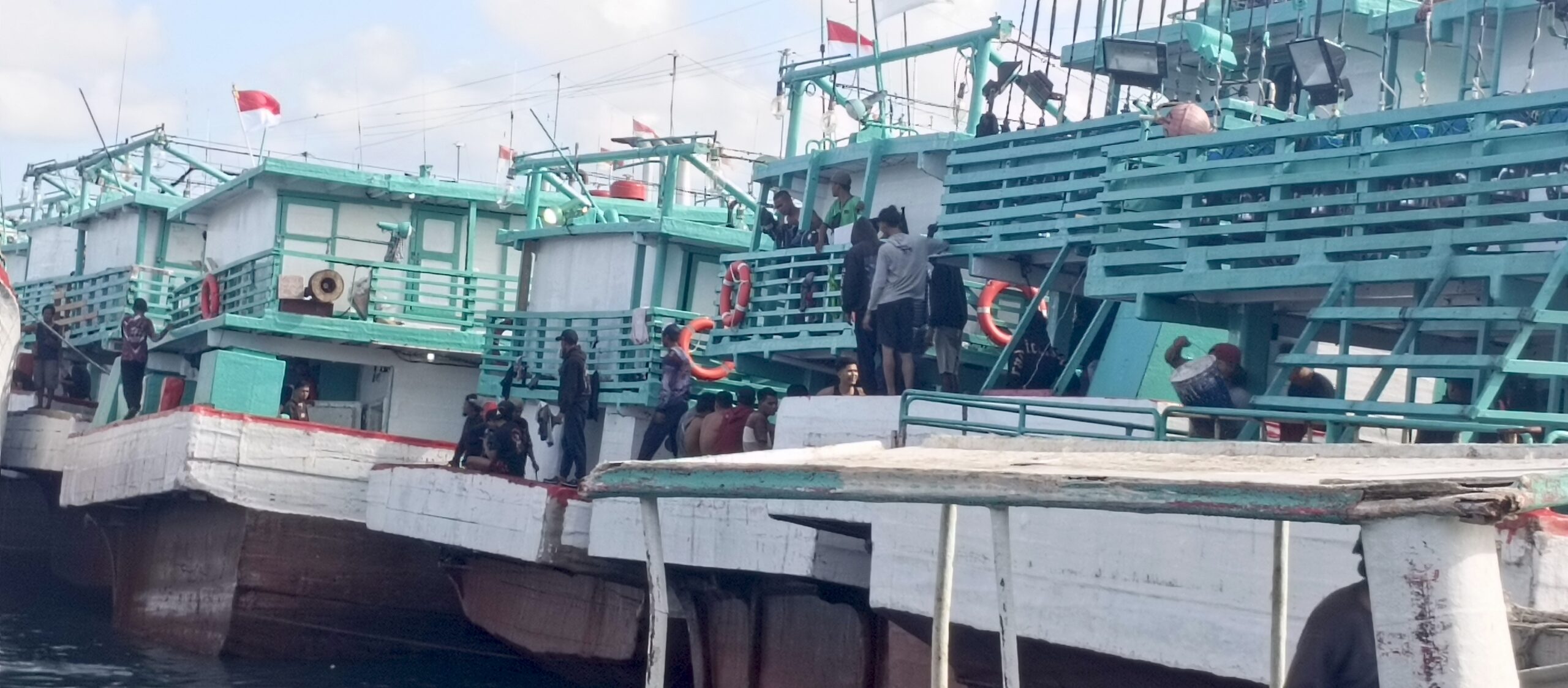
The operational conditions documented in the report are nothing short of grueling. Crew members reported working between 15 and 18 hours a day, often without adequate rest, clean drinking water, or nutritious food. In many instances, vessels remained at sea for 10 to 18 months at a time, utilizing transshipment—the practice of transferring fish to refrigerated cargo vessels—to avoid returning to port. This isolation prevents workers from seeking help or escaping abusive conditions.
The financial exploitation continues throughout the voyage. The report details a "profit-sharing" scheme that is characterized by a complete lack of transparency. Crew members are rarely informed of the total volume of the catch or the market price at which the tuna is sold. Consequently, when they finally receive their wages at the end of a year-long contract, the amounts are often far lower than promised, with various "deductions" applied for food, gear, and the initial recruitment debt. In the most extreme cases, workers reported being subjected to physical violence and verbal intimidation to ensure compliance during the long months at sea.
The Supply Chain to Australia: A Multi-Million Dollar Trade
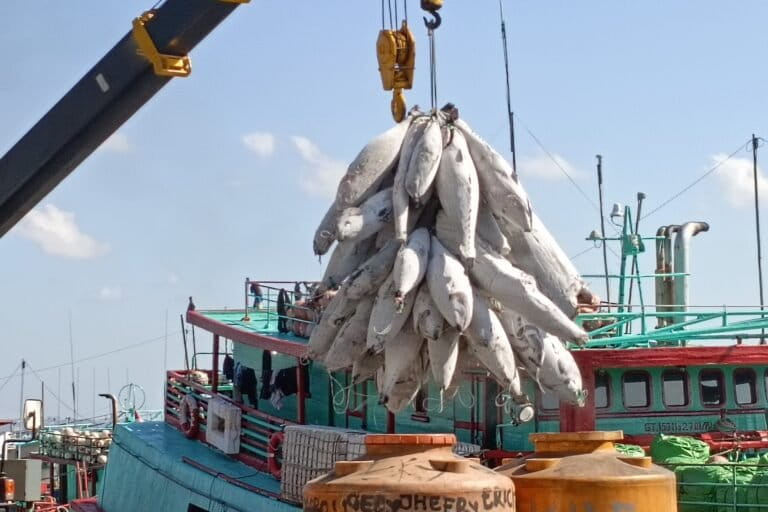
The investigation successfully mapped the flow of "tainted" tuna from these 17 vessels to five major Indonesian fish processing companies. These companies serve as the primary conduits for tuna exports to the Australian market. The entities identified are PT Aneka Tuna Indonesia (ATI), PT Samudera Mandiri Sentosa (SMS), PT Pahala Bahari Nusantara (PBN), PT Intimas Surya, and PT Sinar Pure Food International (SPFI).
Collectively, these five companies export vast quantities of processed and preserved tuna to at least 10 major Australian seafood importers and brands. Notable Australian brands mentioned in the report include Sirena, Safcol, and JFC Australia.
Financial data analyzed between January 2020 and April 2025 underscores the scale of this trade:
- PT Aneka Tuna Indonesia (ATI): The largest exporter, accounting for 87% of the value of processed tuna exports to Australia, with transactions totaling approximately $66.06 million.
- PT Sinar Pure Food International (SPFI): Exported tuna valued at $31.68 million.
- PT Samudera Mandiri Sentosa (SMS): Exported $4.00 million worth of product.
- PT Pahala Bahari Nusantara (PBN): Recorded exports of $1.81 million.
- PT Intimas Surya: Recorded exports of $301,055.
Mark Zirnsak, a Senior Social Justice Advocate with the Uniting Church in Australia, emphasized that Australian consumers are largely unaware that their purchases may be funding modern slavery. "The majority of Australians want to ensure that the goods they buy are not produced through the suffering and exploitation of the workers who made them," Zirnsak stated. He called on the Australian government to tighten oversight of importers to ensure compliance with the Modern Slavery Act.
Environmental Crimes and IUU Fishing
The report also establishes a direct link between human rights abuses and environmental degradation. On vessels where forced labor was identified, investigators also found evidence of Illegal, Unreported, and Unregulated (IUU) fishing. Crew members were often forced to engage in "shark finning"—the practice of cutting fins off sharks, including protected species, and discarding the carcasses back into the ocean. Furthermore, the use of illegal fishing gear that destroys marine ecosystems was frequently reported.
This intersection of labor abuse and environmental crime is a well-documented phenomenon in the global fishing industry. When vessel operators attempt to lower costs to remain competitive or offset declining fish stocks, they often resort to both illegal fishing methods and the exploitation of vulnerable labor.

Corporate and Regulatory Responses
In response to the allegations, the five Indonesian exporting companies claimed to have conducted due diligence through Fishery Improvement Projects (FIP) and other certification schemes. They maintained that their supplier vessels were equipped with all necessary legal documentation required by the Ministry of Marine Affairs and Fisheries (KKP) and port authorities. Furthermore, they pointed to "traceability policies" intended to track fish from the vessel to the shelf.
Similarly, Australian importers such as Safcol Tuna Australia and Iconic Food Distribution denied any evidence of forced labor within their specific supply chains. However, Greenpeace argues that current "paper-based" audits and industry-led certifications are insufficient to detect the nuances of forced labor at sea, where inspectors are rarely present.
The Push for Legal Reform: Ratifying ILO C-188
Labor advocates and civil society organizations in Indonesia are now calling for a fundamental shift in how the fishing industry is regulated. Sulistri, Secretary of the Maritime Sector Trade Union Network, argued that current Indonesian regulations are woefully inadequate. She specifically criticized Ministry of Marine Affairs and Fisheries Regulation (Permen KKP) No. 4 of 2026.
"The current regulation focuses almost entirely on technical competencies—standardized skills, education, and certification," Sulistri noted. "It fails to provide detailed protection for labor rights, such as maximum working hours, transparent wage mechanisms, and protections against the withholding of documents."
The primary demand from labor groups is the immediate ratification of ILO Convention C-188 (Work in Fishing). This international treaty provides a comprehensive framework for labor standards on fishing vessels, covering everything from medical care and occupational safety to written work agreements and social security.
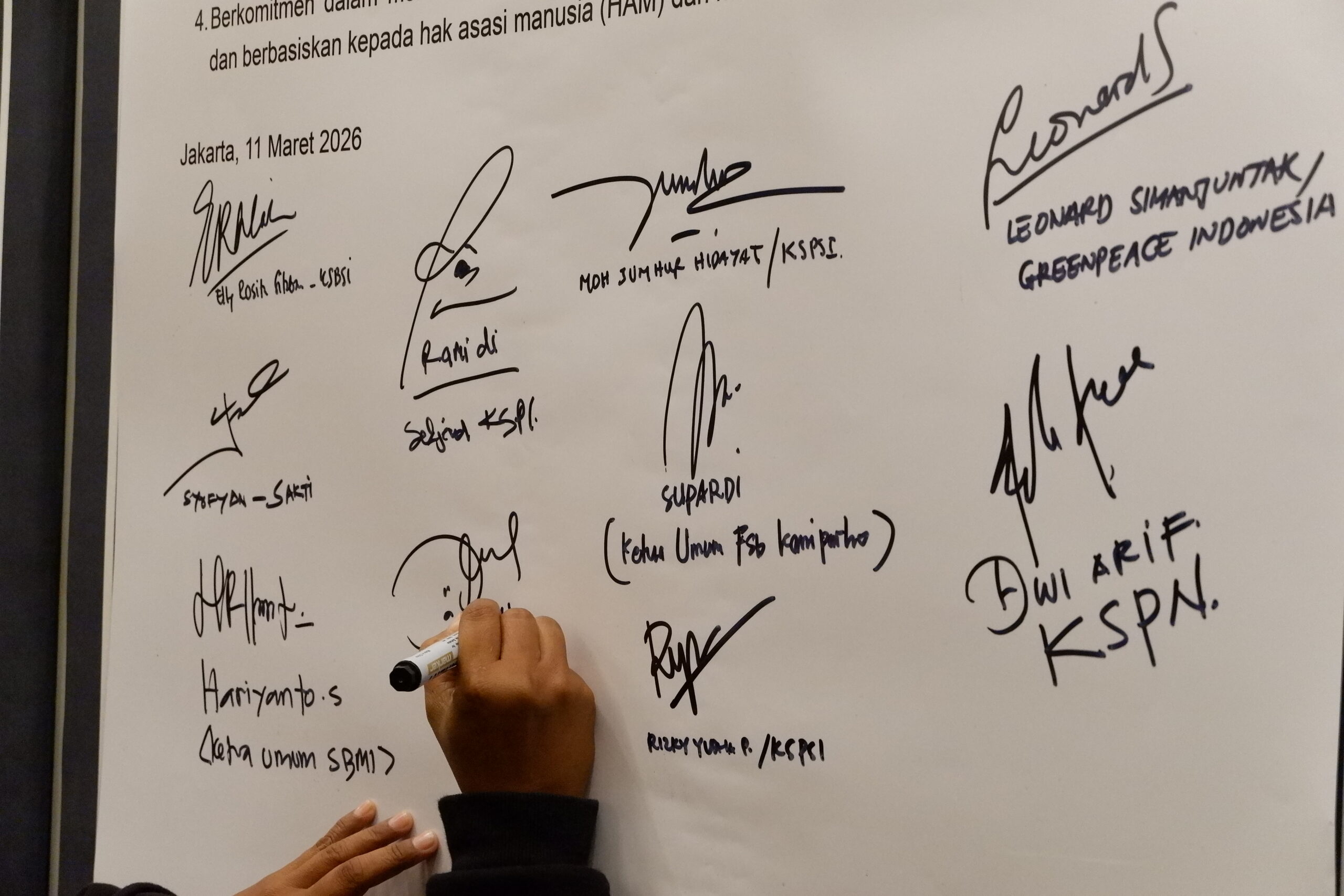
President Prabowo Subianto previously signaled a commitment to ratify C-188 by May Day 2025. Jumhur Hidayat, Chairman of the Confederation of All Indonesian Workers’ Unions (KSPSI), has warned that labor unions will hold the administration accountable to this timeline. "This issue spans three ministries: Marine Affairs, Manpower, and the Ministry for the Protection of Migrant Workers. The State Secretariat must bring these ministers together to finalize the legal language for ratification," Hidayat said.
Implications for the Future of Indonesian Fisheries
The findings of the Greenpeace and Uniting Church report have significant implications for Indonesia’s standing in the global market. As international markets, particularly the European Union and the United States, move toward stricter "Blue Economy" standards and mandatory human rights due diligence, Indonesia risks facing trade sanctions or losing market access if it does not address the "dark side" of its tuna industry.
For the thousands of crew members currently at sea, the stakes are even higher. Without the legal protections afforded by international conventions and rigorous domestic enforcement, they remain trapped in a system that views human labor as a disposable commodity. The call for transparency, accountability, and the ratification of ILO C-188 is not merely a policy debate; for the men on these vessels, it is a matter of fundamental human dignity and survival.