Eko Sulistyo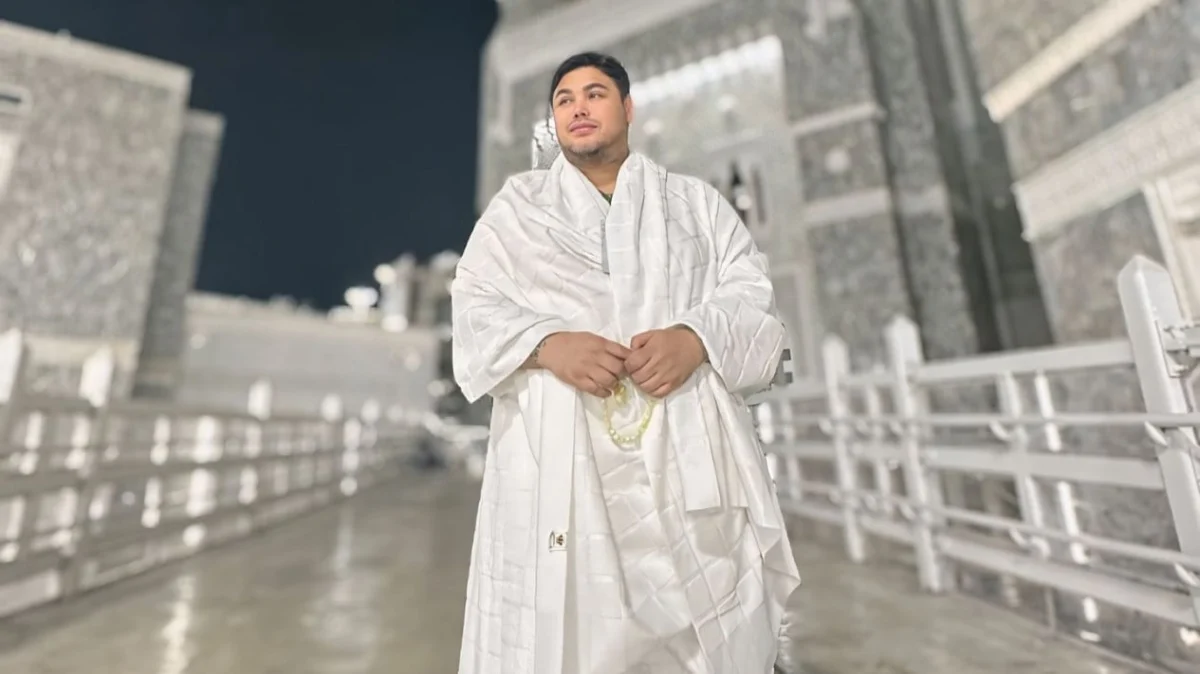
The landscape of the Indonesian entertainment industry has often been characterized by its vibrant blend of high fashion, celebrity culture, and, increasingly, deep-seated spiritual narratives. Among the most prominent figures in this milieu is Ivan Gunawan, a multi-hyphenate entertainer, fashion designer, and television personality whose career has spanned over two decades. In a candid and revelatory conversation recently shared on the digital platform of fellow influencer Atta Halilintar, Gunawan detailed a profound personal shift that he characterizes as a spiritual "rebirth." This transformation, which reached its zenith in 2025, marks a significant departure from a lifestyle he once described as being entirely untethered from religious observance and grounded in a sense of self-sufficiency that bordered on spiritual hubris.
Born on December 31, 1981, Ivan Gunawan has long been a household name in Indonesia, known for his flamboyant style, sharp wit, and undeniable influence in the fashion world. However, the designer revealed that behind the glitz and the sustained commercial success, there existed a period of profound spiritual disconnect. During his dialogue with Halilintar, Gunawan admitted that for a significant portion of his adult life, he had abandoned the core tenets of his Islamic faith. This included the cessation of mandatory daily prayers (Salat), the skipping of Friday congregational prayers, and the disregard for fasting during the holy month of Ramadan. His confession provides a rare glimpse into the internal struggles of a public figure who, to the outside world, seemed to possess everything.
The Psychology of Success and Spiritual Detachment
Gunawan’s narrative suggests that his spiritual drift was not a result of doubt, but rather a byproduct of overwhelming material success and a modern, secular worldview. He recounted a mindset where his professional achievements—being a "superstar" and maintaining a high level of fame—felt independent of divine intervention. "Allah doesn’t exist, I’m still a star. Allah doesn’t exist, I’m still famous," Gunawan recalled, reflecting on his past arrogance. This sentiment highlights a psychological phenomenon often seen in high-achieving individuals where the "self-made" narrative eclipses the acknowledgment of spiritual or external guidance.
The designer explained that his "modern" lifestyle and the comfort provided by his material wealth created a facade of self-sufficiency. In the fast-paced world of Jakarta’s elite and the global fashion circuit, the need for spiritual grounding was often sidelined in favor of career milestones and social status. This period of his life was defined by a belief that his talent and hard work were the sole architects of his destiny, a perspective that he now views with a sense of critical reflection.
The New York Turning Point: A Random Call to Faith
The catalyst for Gunawan’s spiritual pivot occurred unexpectedly during a trip to New York City. Despite being thousands of miles away from the religious centers of the Middle East or his home country, and while immersed in a luxury vacation, Gunawan experienced what he describes as a "random" but undeniable urge to perform Umrah, the minor pilgrimage to Mecca. This impulse did not arise from a specific crisis or a calculated decision but seemed to emerge spontaneously amidst the bustle of one of the world’s most secular metropolises.
"It was so random… ‘Okay, I’ll go for Umrah,’" Gunawan recounted. The immediacy of this decision was reflected in his actions upon returning to Indonesia. Rather than returning to his demanding schedule of television tapings and design consultations, he prioritized the pilgrimage. He described a scene of simply "switching suitcases" at the airport in Jakarta before departing for Saudi Arabia. This level of spontaneity is often cited in spiritual literature as a "calling"—a moment where the internal desire for change overrides the logistical and professional constraints of daily life.
A Pilgrimage of Purpose
While Gunawan had visited the holy cities of Mecca and Medina in the past, he noted a distinct difference in his most recent journey. Previous trips had often been conflated with work obligations or social appearances. However, this specific pilgrimage was undertaken with a singular focus on worship and personal reflection. It was during this time that he began to reconcile his professional ambitions with his newfound spiritual focus.
One of the more poignant moments shared by Gunawan involved a specific prayer he made while in the Holy Land. Despite his previous assertions that he did not need divine help for his career, he found himself making a very specific request regarding his business empire. He prayed for the success of a new boutique in a specific, prestigious location. This act of supplication marked a transition from self-reliance to an acknowledgment of a higher power’s role in his worldly affairs. This intersection of faith and entrepreneurship is a common theme in the "Hijrah" movement in Indonesia, where professionals seek to align their business practices with religious values.
The Context of the Celebrity Hijrah Phenomenon in Indonesia
Ivan Gunawan’s journey is not an isolated incident but part of a broader sociological trend in Indonesia known as the "Hijrah" movement among celebrities. Over the past decade, a growing number of high-profile actors, musicians, and influencers have publicly transitioned toward more conservative or observant religious lifestyles. Figures such as Teuku Wisnu, Arie Untung, and Dewi Sandra have paved the way for this narrative, often using their platforms to discuss their spiritual awakenings.
Data from various social surveys in Indonesia suggest that the public’s perception of celebrities who undergo "Hijrah" is generally positive, often leading to a shift in their brand identity. For Gunawan, whose brand is heavily tied to the "Mandjha Hijab" line and other modest wear collections, this spiritual transition carries significant commercial implications. It authenticates his position within the modest fashion industry, which is a multi-billion dollar sector in Indonesia. According to reports from the State of the Global Islamic Economy, Indonesia is a leading consumer and producer of modest fashion, and influencers who embody these values often see a strengthening of their market presence.
Analysis of Implications and Public Reaction
The public disclosure of such a personal journey on a platform like Atta Halilintar’s YouTube channel—which reaches millions of viewers—serves several functions. First, it humanizes a figure who is often seen as untouchable or purely a creature of the media. By admitting to past failures in religious duty and feelings of arrogance, Gunawan connects with a demographic that may be grappling with similar issues of faith in a modern world.
Secondly, the timing of this revelation in early 2026 suggests a long-term shift in Gunawan’s public persona. As he moves further into his 40s, the transition from a "mega bintang" (mega star) focused on glamour to a more grounded, spiritually-aware individual reflects a maturation process that resonates with his aging audience. Industry analysts suggest that this "rebranding" through spiritual transparency can extend the longevity of a celebrity’s career by providing a deeper, more relatable narrative arc.
The reaction from the public and fellow celebrities has been largely supportive. On social media, fans have praised his honesty, with many noting that his story provides inspiration for those who feel they have wandered too far from their faith. While there are always skeptics who question the performative nature of celebrity religion, Gunawan’s track record of philanthropic work—including the construction of mosques in Africa—provides a level of tangible evidence for his commitment to his faith.
Chronology of the Transformation
To understand the weight of Gunawan’s 2025 "rebirth," one must look at the timeline of his career and personal milestones:
- Early 2000s – 2015: Rapid ascent in the Indonesian entertainment industry. Gunawan becomes a staple on variety shows and a leading designer for pageants and celebrities. Religion is rarely a public topic.
- 2016 – 2020: Expansion into the modest fashion market with the launch of "Mandjha Hijab." While his business aligns with religious aesthetics, his personal life remains largely secular.
- 2021 – 2023: Increased involvement in social causes, including high-profile charitable donations and the building of a mosque in Uganda. These actions start to hint at a deeper internal shift.
- 2024: The New York trip and the "random" decision to perform Umrah. This marks the beginning of his intensive spiritual reflection.
- 2025: The "Reborn" year. Gunawan describes this period as becoming a "new person," re-establishing his commitment to daily prayers and religious obligations.
- March 2026: The public sharing of his journey on Atta Halilintar’s podcast, codifying his transformation for the public record.
The Business of Faith: Integrating Religion into a Fashion Empire
For Ivan Gunawan, faith is not merely a private matter; it is increasingly integrated into his professional output. His fashion lines have long catered to the Muslim demographic, but his recent spiritual shift adds a layer of "halal integrity" to his brand. In the competitive world of Indonesian fashion, where consumers are increasingly conscious of the values behind the brands they support, Gunawan’s personal "Hijrah" acts as a powerful endorsement of his own products.
The request he made during Umrah for a specific boutique location underscores the belief that spiritual devotion and material success are not mutually exclusive. This philosophy aligns with the "Middle Class Muslim" demographic in Indonesia, which seeks to balance modern lifestyle aspirations with religious identity. By successfully securing the business goals he prayed for, Gunawan reinforces the narrative that his current success is a result of divine blessing rather than just personal merit.
Conclusion: A New Chapter for the Mega Bintang
Ivan Gunawan’s narrative of transformation from a self-described arrogant superstar to a "reborn" individual seeking spiritual closeness is a compelling case study in the intersection of fame and faith. His willingness to discuss his past "darkness"—including his rejection of prayer and his sense of superiority over the divine—adds a layer of authenticity to his story that is often missing from celebrity PR.
As he moves forward, the impact of this spiritual journey will likely continue to manifest in both his personal choices and his professional ventures. In a society where religion plays a central role in public life, Gunawan’s evolution reflects the ongoing dialogue between modernity and tradition. Whether this "rebirth" will lead to a more permanent shift in his career trajectory remains to be seen, but for now, Ivan Gunawan appears to have found a sense of peace that his previous years of unbridled fame could not provide. His story serves as a reminder that for many, the most significant journeys are not those taken across the globe, but the ones taken within the quietude of one’s own soul.