Nasution Nanang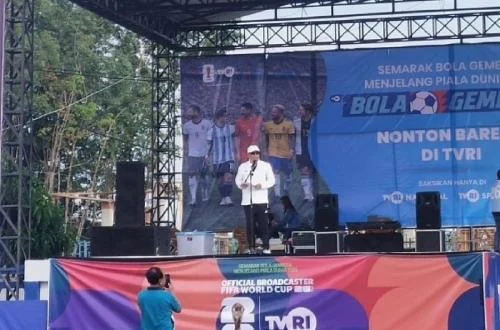
The Jambi Provincial Government is strategically harnessing the upcoming 2026 FIFA World Cup broadcasts, secured by the national public broadcaster TVRI, as a pivotal tool to invigorate the regional economy and significantly elevate the spirit of sportsmanship across its communities. This ambitious initiative was formally announced by Syamsurizal, Assistant II for Economic Affairs and Development of the Jambi Provincial Government, during the "Bola Gembira" (Happy Ball) event held recently in Telanaipura, Jambi City. The province views the global football spectacle not merely as a source of entertainment but as a robust platform for driving substantial economic activity and fostering a culture of health and discipline.
A Strategic Vision for Economic Empowerment
Syamsurizal underscored the provincial government’s conviction that the FIFA World Cup transcends its traditional role as a mere spectacle, presenting an unparalleled strategic opportunity to mobilize and strengthen community economic activities. He issued a compelling call to action, urging all residents to rally behind football and seize this monumental occasion to bolster the regional economy. The anticipation surrounding such a globally significant event, Syamsurizal explained, naturally generates heightened public enthusiasm and engagement, which can be channeled into tangible economic benefits.
The core of this economic strategy revolves around stimulating the growth of Micro, Small, and Medium Enterprises (MSMEs). The provincial government anticipates a significant surge in demand across various sectors, particularly culinary, trade, and creative industries. MSMEs, which form the backbone of Indonesia’s economy, are expected to experience a substantial boost from the increased foot traffic, local consumption, and event-related spending generated by World Cup viewing parties, themed events, and general public excitement. For instance, local food vendors, restaurants, and cafes are poised to capitalize on extended operating hours and special menus tailored to football fans. Similarly, small businesses involved in merchandise, such as local artisans creating football-themed apparel or accessories, and event organizers planning community viewing gatherings, stand to gain considerably. This heightened activity is projected to serve as a powerful catalyst for local economic growth, creating a ripple effect that benefits various segments of the community.
Strengthening Sports Infrastructure and Values
Beyond the immediate economic stimulus, the Jambi Provincial Government is also committed to fostering a sustainable sports ecosystem. Syamsurizal highlighted the importance of enhancing sports facilities and infrastructure throughout the province. This investment is crucial for creating an environment conducive to healthy living, athletic achievement, and long-term sports development. Improved football fields, community sports centers, and recreational areas will not only serve as venues for local tournaments and training but also as hubs for community gatherings, including organized World Cup viewing events.
Furthermore, the initiative aims to instill vital values such as discipline, hard work, and togetherness, particularly through the lens of football. Syamsurizal emphasized that football, as a team sport, inherently teaches cooperation, solidarity, and strategic thinking – qualities essential for both individual and community development. By promoting active participation in sports and supporting local football initiatives, the province seeks to inspire younger generations, encourage healthy lifestyles, and build stronger, more cohesive communities. This holistic approach aims to cultivate a lasting legacy of sportsmanship and physical activity that extends far beyond the duration of the World Cup tournament.
TVRI’s Pivotal Role and Broadcast Readiness
Herly Marjoni, Head of LPP TVRI Jambi Station, elaborated on TVRI’s critical role in this national endeavor. He confirmed that TVRI has been officially designated as the exclusive broadcast rights holder for the 2026 FIFA World Cup, a decision that received direct approval from the President of the Republic of Indonesia. This national mandate underscores the strategic importance of making such a globally popular event accessible to all Indonesians, regardless of their location or socio-economic background. For TVRI, a public broadcaster, securing these rights is not just about providing entertainment; it is about fulfilling its mission to inform, educate, and unite the nation through shared cultural experiences.
Marjoni emphasized that this milestone presents a unique opportunity to achieve multiple objectives: delivering high-quality entertainment to the public, igniting passion for national football, and actively contributing to economic growth through the empowerment of MSMEs. To ensure seamless and high-quality broadcasts across the province, TVRI is undertaking extensive preparations. Marjoni affirmed that all six of its transmission units within Jambi Province – located in Telanaipura, Tungkal Ilir, Muara Bungo, Sarolangun, Merangin, and Sungai Penuh – are being maintained in optimal condition. This technical readiness is paramount to guaranteeing that residents in various districts across Jambi can enjoy uninterrupted access to the World Cup matches, maximizing the social and economic impact envisioned by the provincial government.
The Global Phenomenon: Context of FIFA World Cup 2026
The 2026 FIFA World Cup, set to be co-hosted by the United States, Canada, and Mexico, marks a historic milestone in the tournament’s history. It will be the first edition to feature an expanded format with 48 national teams, up from the traditional 32, leading to a total of 104 matches played across 16 host cities. This expansion signifies an even larger global footprint and is expected to shatter previous viewership records, drawing billions of eyes worldwide. The increased number of participating nations offers more countries the chance to compete on football’s biggest stage, further intensifying national pride and global engagement. For Indonesia, and specifically Jambi, this expanded format translates into a prolonged period of excitement and a larger window for economic and social leveraging activities. The global scale of the event provides a powerful backdrop for local initiatives, allowing regional governments to tap into a worldwide phenomenon and redirect some of its energy towards domestic development goals.
Timeline of Preparations and Implementation
The journey to leveraging the 2026 World Cup began with the significant announcement of TVRI securing the broadcast rights, a strategic move by the Indonesian government to ensure national access to the prestigious tournament. Following this national directive, the Jambi Provincial Government, under the leadership of Governor Al Haris (not explicitly mentioned but generally applicable), began to formulate its localized strategy. Events like "Bola Gembira" serve as early community engagement initiatives, building anticipation and providing platforms for officials to articulate their vision.
The immediate phase involves intensive preparations by TVRI to upgrade and maintain its transmission infrastructure, ensuring robust signal coverage throughout Jambi. Concurrently, the provincial government will likely roll out detailed programs for MSME support, including workshops on marketing strategies for event-based opportunities, facilitating access to capital, and promoting local products. As the tournament approaches, public awareness campaigns will intensify, encouraging community participation in viewing events and local sports activities. During the World Cup itself, the focus will shift to execution, monitoring the economic impact, and ensuring smooth operations of community gatherings. Post-tournament, the provincial government aims to analyze the outcomes, assess the long-term benefits, and integrate successful strategies into ongoing economic and sports development plans, ensuring a sustainable legacy.
Anticipated Socio-Cultural Impact and Community Engagement
The impact of the 2026 FIFA World Cup in Jambi is expected to extend far beyond economic metrics, fostering a profound socio-cultural transformation. The collective experience of watching international football at its highest level is a powerful unifier. Community viewing parties, whether organized by local governments, businesses, or grassroots initiatives, will strengthen social bonds and create shared memories. This communal spirit can translate into increased volunteerism, enhanced local pride, and a greater sense of belonging.
For the youth, the World Cup serves as an immense source of inspiration. Witnessing the dedication, skill, and teamwork of elite athletes can motivate aspiring footballers to pursue their dreams and encourage broader participation in sports. Educational programs linked to the World Cup can also be implemented, teaching about geography, culture, and the values of fair play. Moreover, by providing positive and engaging activities, the provincial government aims to channel youthful energy constructively, potentially reducing instances of negative social behaviors and fostering a more disciplined and goal-oriented generation. The "Bola Gembira" event itself is a testament to this strategy, designed to bring people together in a festive, sports-oriented atmosphere.
Broader Implications and Future Outlook
The Jambi Provincial Government’s proactive approach to leveraging the 2026 FIFA World Cup sets a commendable precedent for regional development in Indonesia. This initiative demonstrates a sophisticated understanding of how global events can be localized to address specific economic and social objectives. The collaboration between the provincial government and TVRI, a national public entity, also highlights effective inter-agency cooperation, which is crucial for successful implementation of large-scale projects.
Economically, the sustained boost to MSMEs could lead to long-term entrepreneurial growth and diversification of the local economy, reducing reliance on traditional sectors. The investment in sports infrastructure, coupled with the promotion of sports values, lays the groundwork for developing local athletic talent and promoting public health for years to come. Furthermore, the enhanced visibility of Jambi through its engagement with such a global event could subtly boost its profile as a dynamic and forward-thinking region, potentially attracting further investment and tourism in the future.
While the immediate focus is on the 2026 tournament, the strategies developed and lessons learned from this initiative are expected to have enduring benefits. The framework for supporting MSMEs during major events, the enhancement of public broadcasting capabilities, and the cultivation of community sportsmanship can be replicated and refined for future events, ensuring that Jambi continues to harness national and international platforms for its sustainable growth and development. The province’s commitment to transforming a global sporting event into a tangible force for local progress exemplifies a holistic and forward-looking governance strategy.