Azin Asro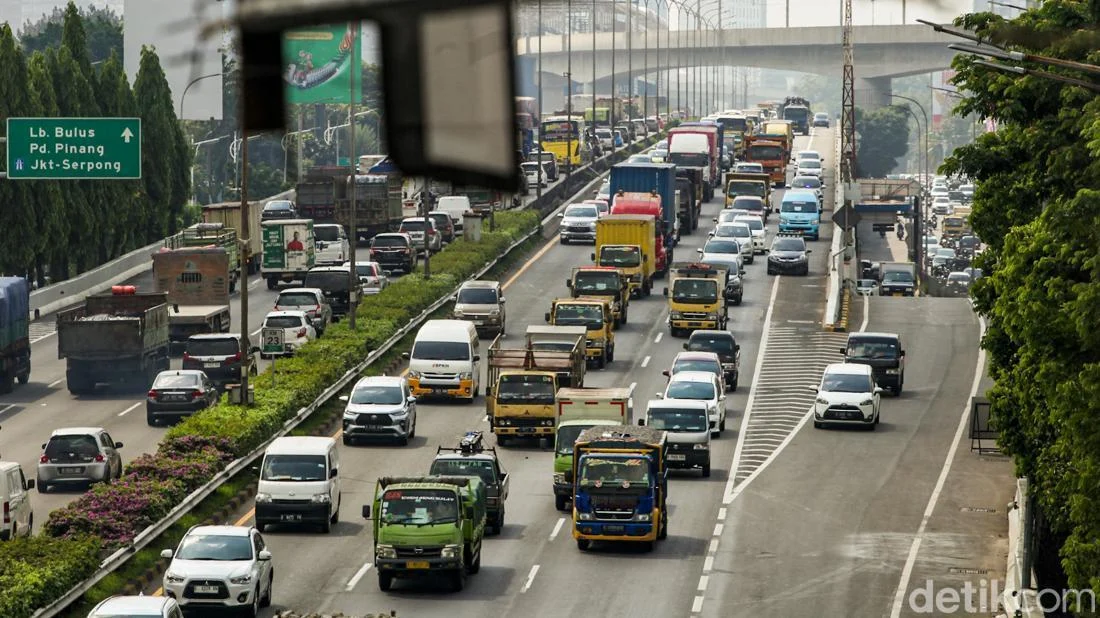
The massive annual migration known as "Mudik" has commenced in earnest as Indonesia prepares for the celebration of Eid al-Fitr 1447 Hijriah in 2026. State-owned toll road operator PT Jasa Marga (Persero) Tbk has reported that more than 1.2 million vehicles have already departed from the Greater Jakarta area (Jabotabek) during the initial phase of the exodus. This figure, recorded from ten days prior to the holiday (H-10) through four days prior (H-4), signals a significant surge in mobility that underscores the cultural and economic importance of the annual tradition.
According to official data released by Jasa Marga, a total of 1,213,388 vehicles left the capital region between Wednesday, March 11, and Tuesday, March 17, 2026. This volume represents approximately 34.4% of the total 3.5 million vehicles projected to leave Jakarta throughout the entire homecoming period, which is expected to span from March 11 to March 31, 2026. The current traffic volume shows a marked increase of 20.9% compared to normal daily traffic levels, which typically hover around 1,003,695 vehicles for the same period.
Detailed Traffic Distribution Across Major Gateways
The movement of travelers is being monitored across four primary toll gates (GT) that serve as the main arteries connecting Jakarta to the rest of Java and Sumatra. These gateways include GT Cikampek Utama and GT Kalihurip Utama for those heading east, GT Cikupa for those heading west toward the port of Merak, and GT Ciawi for those traveling south toward the Puncak highland region.
The distribution of traffic during the H-10 to H-4 period is categorized into three main directions:
- Heading East (Trans-Java and Bandung): This remains the most popular route, accounting for 612,956 vehicles, or 50.5% of the total traffic. This flow is further split into two: 358,451 vehicles heading toward the Trans-Java Toll Road via GT Cikampek Utama and 254,505 vehicles heading toward Bandung and surrounding areas via GT Kalihurip Utama.
- Heading West (Merak): A total of 353,032 vehicles (29.1%) departed toward the west. The majority of these travelers are destined for the Merak Port in Banten, the primary crossing point for those traveling to the island of Sumatra.
- Heading South (Puncak/Bogor): Approximately 247,400 vehicles (20.4%) moved toward the south via GT Ciawi. While some of these are homecomers, a significant portion includes travelers visiting tourist destinations in the Puncak and Sukabumi areas.
Rivan A. Purwantono, the President Director of PT Jasa Marga (Persero) Tbk, emphasized that while a significant portion of the projected traffic has already departed, the peak of the exodus is still anticipated. The management of this volume requires precise coordination between toll road operators, the Ministry of Transportation, and the National Police’s Traffic Corps (Korlantas Polri).
Chronology of Traffic Management and Engineering
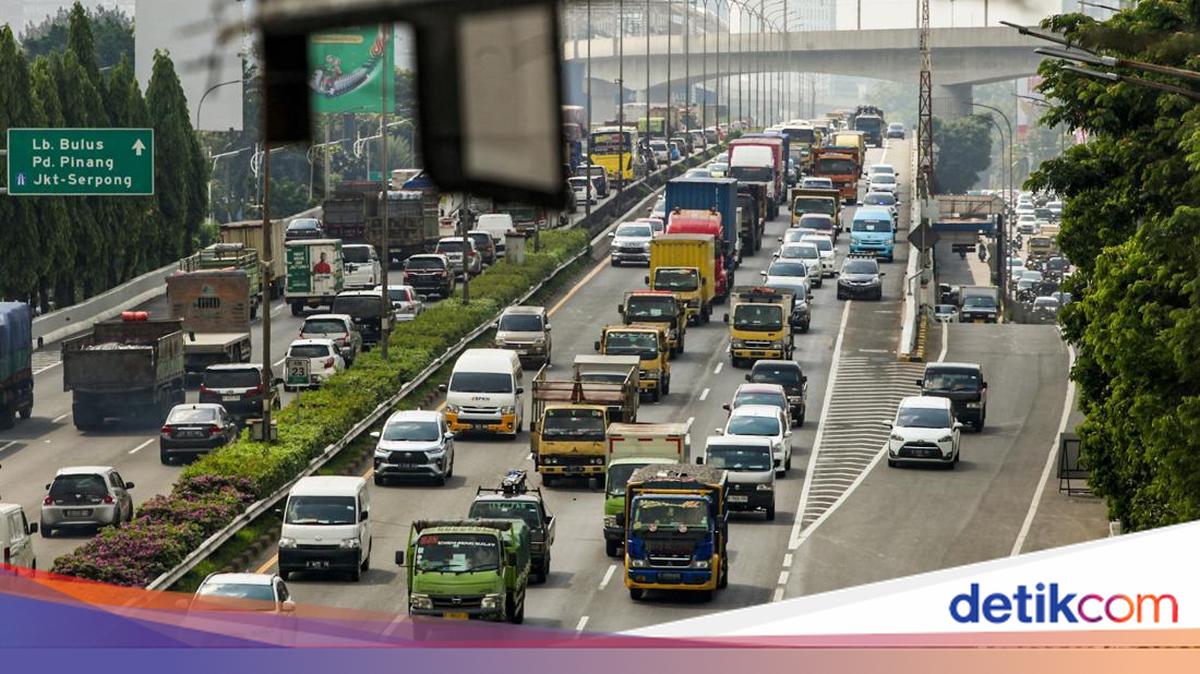
As traffic volume began to swell on Wednesday, March 18, 2026, Jasa Marga, in coordination with the police, initiated several traffic engineering schemes to prevent total gridlock. One of the primary interventions has been the implementation of the "Contraflow" system on the Jakarta-Cikampek (Japek) Toll Road.
Initially, the contraflow was applied from Kilometer (KM) 55. However, as the density of vehicles increased toward the Trans-Java corridor, the scope of the engineering was expanded. By Wednesday afternoon, the contraflow was extended to start from KM 36, stretching all the way to KM 70 at the Cikampek Utama Toll Gate. This measure effectively adds lane capacity for vehicles traveling away from Jakarta by utilizing lanes usually reserved for traffic entering the city.
The chronology of the traffic surge indicates a steady climb beginning on March 11. By the weekend of March 14-15, the numbers showed a sharp spike as civil servants and private sector employees began their collective leave. The extension of the contraflow on March 18 was a direct response to the "peak wave" of travelers who waited until the final week before Eid to start their journeys.
Safety Mandates and Vehicle Readiness
Amidst the logistical challenges of managing millions of vehicles, safety remains the paramount concern for authorities. Jasa Marga and the Ministry of Transportation have issued repeated advisories for travelers to ensure both personal health and vehicle roadworthiness.
"The condition of the driver and the vehicle are the primary keys to a safe journey," a Jasa Marga spokesperson stated. Motorists are urged to perform thorough checks on tire pressure, brake systems, engine oil, and cooling systems before embarking on long-distance trips. Furthermore, drivers are advised to take breaks every four hours to prevent fatigue, which remains one of the leading causes of accidents on toll roads during the holiday season.
In addition to physical readiness, travelers are encouraged to ensure their electronic toll cards (e-toll) have sufficient balance. Insufficient balances at toll gates are a major contributor to localized congestion, causing delays that can ripple back for several kilometers. To mitigate this, Jasa Marga has increased the number of mobile readers and personnel at major gates to assist with top-ups and transaction issues.
Supporting Infrastructure and Rest Area Management
To accommodate the 1.2 million vehicles already on the road and the millions more expected, Jasa Marga has optimized the functionality of Rest and Service Areas (TIP). During the 2026 Mudik season, a "stay limit" of 30 minutes has been suggested for travelers at busy rest areas to ensure a steady turnover and allow others to utilize the facilities.
Furthermore, Jasa Marga has deployed additional "Yellow Cars" (road patrol units), ambulances, and tow trucks at strategic points along the Trans-Java stretch. The use of the "Travoy" mobile application is also being heavily promoted, allowing travelers to monitor real-time CCTV feeds of toll roads, check toll rates, and locate the nearest rest areas with available parking spaces.
The integration of technology extends to the Intelligent Transport System (ITS), which provides Jasa Marga’s command center with real-time data on vehicle speeds and density. This data allows for the rapid deployment of traffic engineering measures, such as switching from contraflow to "One-Way" systems if the volume exceeds specific thresholds.
Broader Socio-Economic Impact and Analysis
The 2026 Mudik season is not merely a logistical event; it is a vital economic driver for Indonesia. The movement of 3.5 million vehicles from the Jabotabek area represents a massive transfer of wealth from urban centers to rural regions. This influx of capital into local economies through fuel purchases, food, hospitality, and traditional holiday gift-giving (THR) provides a significant seasonal boost to the national GDP.
However, the 20.9% increase in traffic compared to normal periods also highlights the growing pressure on Indonesia’s infrastructure. Despite the continuous expansion of the Trans-Java Toll Road and the modernization of the Trans-Sumatra network, the sheer volume of travelers during Eid al-Fitr continues to test the limits of the system.
Analysts suggest that the early departure of 1.2 million vehicles is a positive sign, indicating that the government’s "early mudik" campaign has been somewhat successful in distributing the traffic load over a longer period. By encouraging citizens to leave as early as H-10, the "peak" becomes less of a sharp spike and more of a manageable plateau, reducing the risk of the multi-day gridlocks seen in previous decades.
Official Responses and Future Outlook
Government officials have expressed cautious optimism regarding the current flow of traffic. The Minister of Transportation noted in a recent press briefing that while the numbers are high, the average speed of vehicles on the Trans-Java corridor has remained within acceptable limits due to the proactive use of contraflow and one-way schemes.
"We are monitoring the situation hour by hour," the Minister stated. "The collaboration between Jasa Marga, the police, and the public is essential. We appreciate the patience of the travelers who have followed the instructions of officers on the ground."
As the calendar moves closer to the 1st of Shawwal 1447 H, the focus will soon shift from the "Exodus Flow" (Arus Mudik) to the "Return Flow" (Arus Balik). Jasa Marga is already preparing for the return phase, which is projected to be even more concentrated as most workers are required to return to Jakarta simultaneously.
For now, the priority remains the safe passage of the remaining 2.3 million vehicles projected to leave the capital. With the contraflow currently extended and emergency services on high alert, the nation watches as one of the world’s largest annual migrations unfolds across the Indonesian archipelago. Motorists are reminded to remain patient, prioritize safety over speed, and stay informed through official channels to ensure they reach their hometowns to celebrate the festivities with their families.